How 30 years of inventing plantable retaining walls became Varden — and why we believe the built environment should be alive.
We Believe Retaining Walls Should Be Alive
For 30 years, that belief has driven everything we design, manufacture, and build — from our first concrete living wall blocks to today’s lightweight Varden system.
The Beginning
More than 30 years ago, our founder Mark Woolbright began asking a simple question: why should a retaining wall only hold back earth when it could also grow plants?
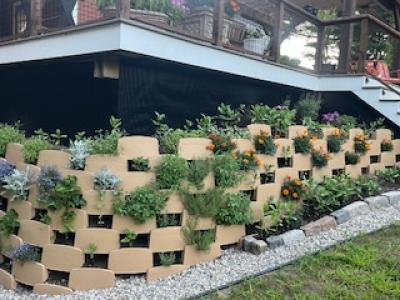
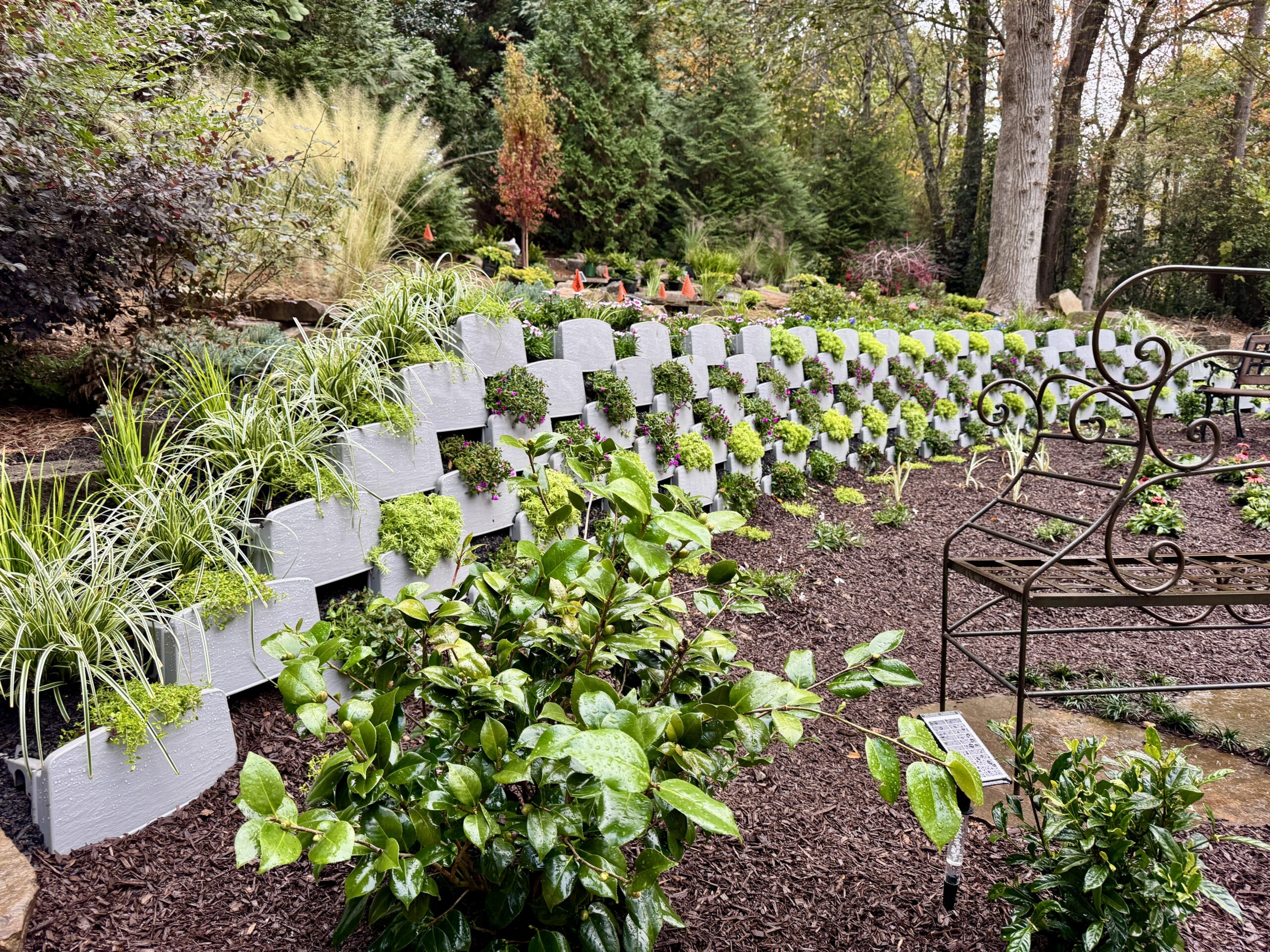
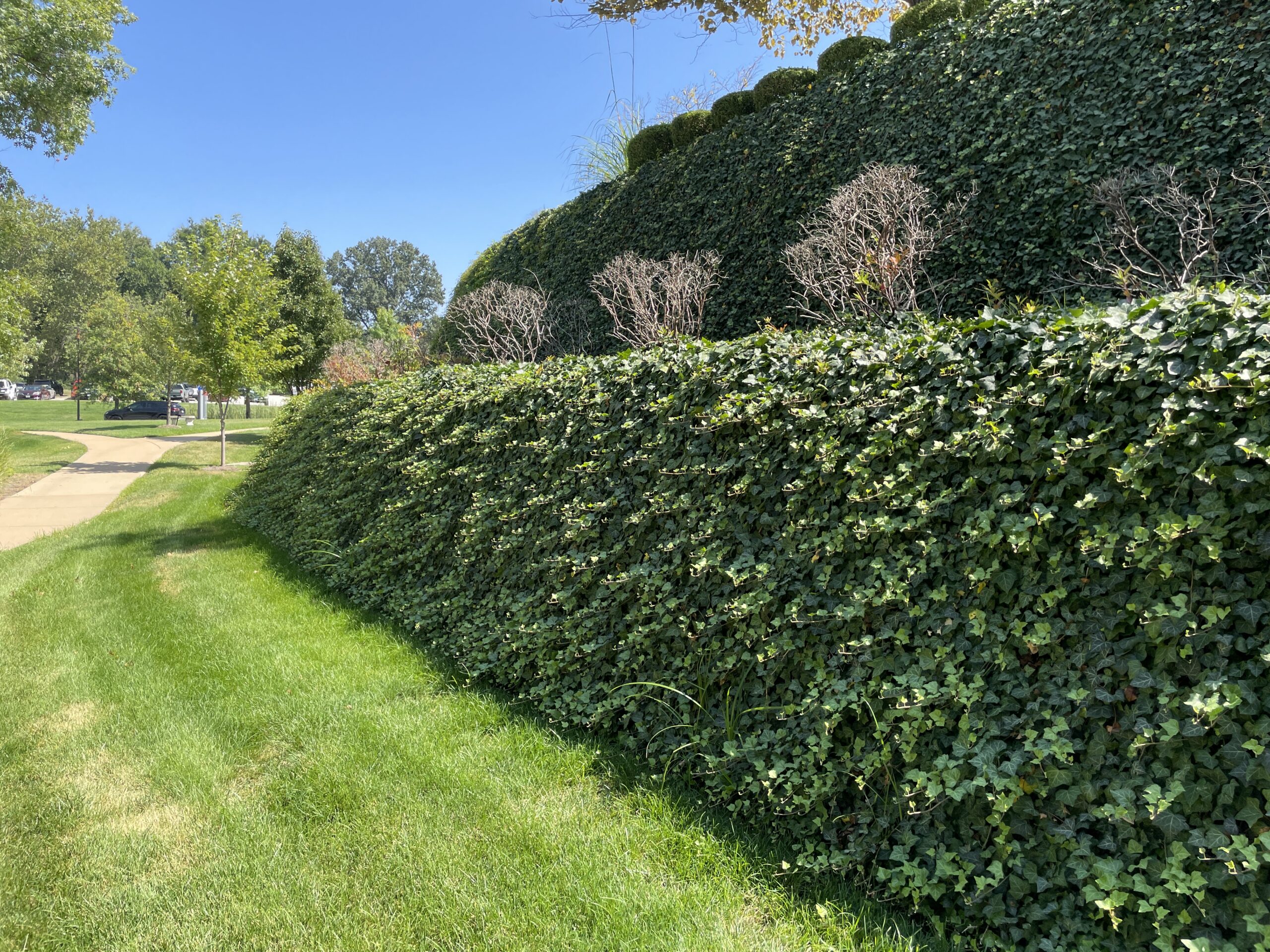
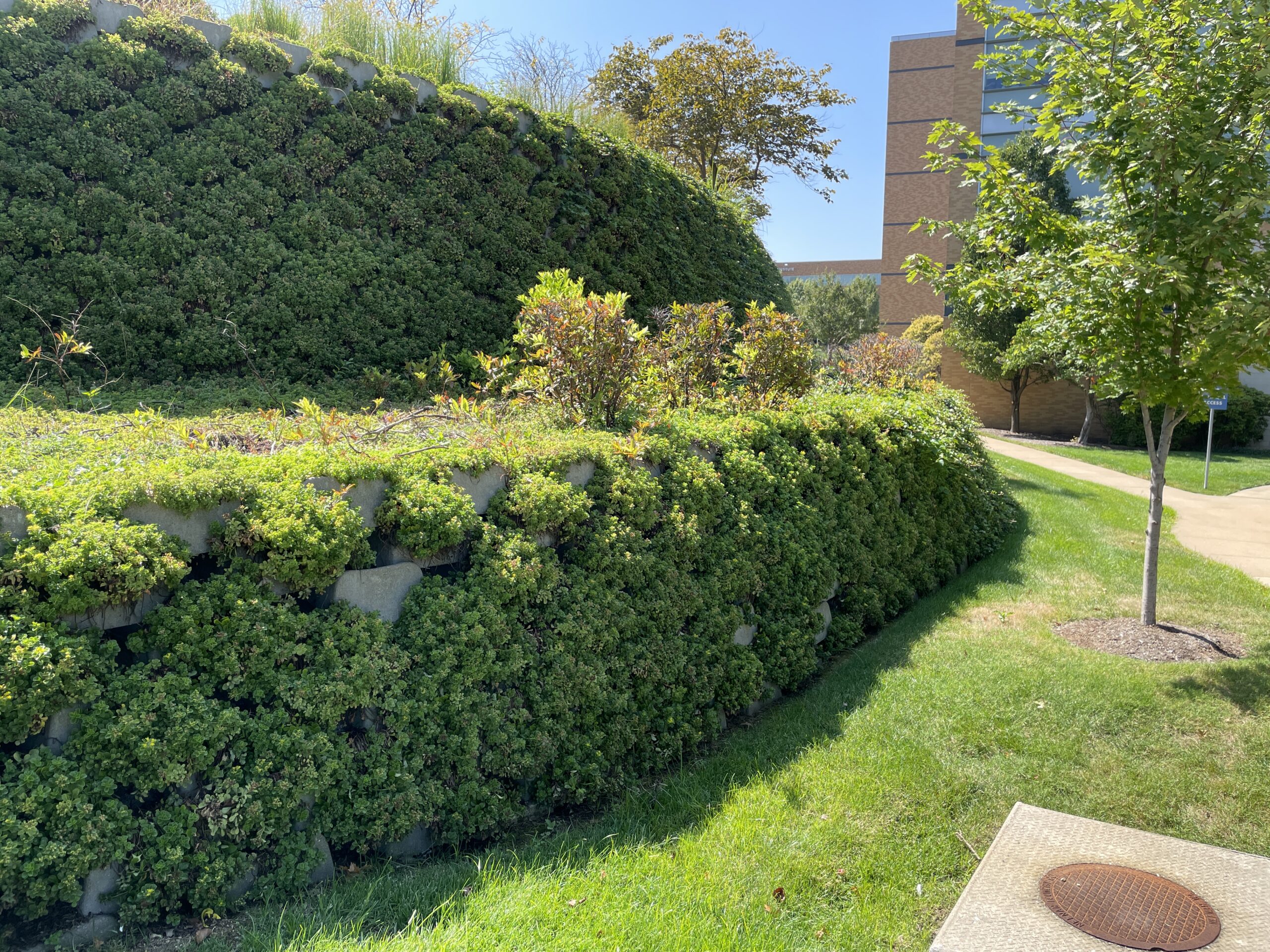
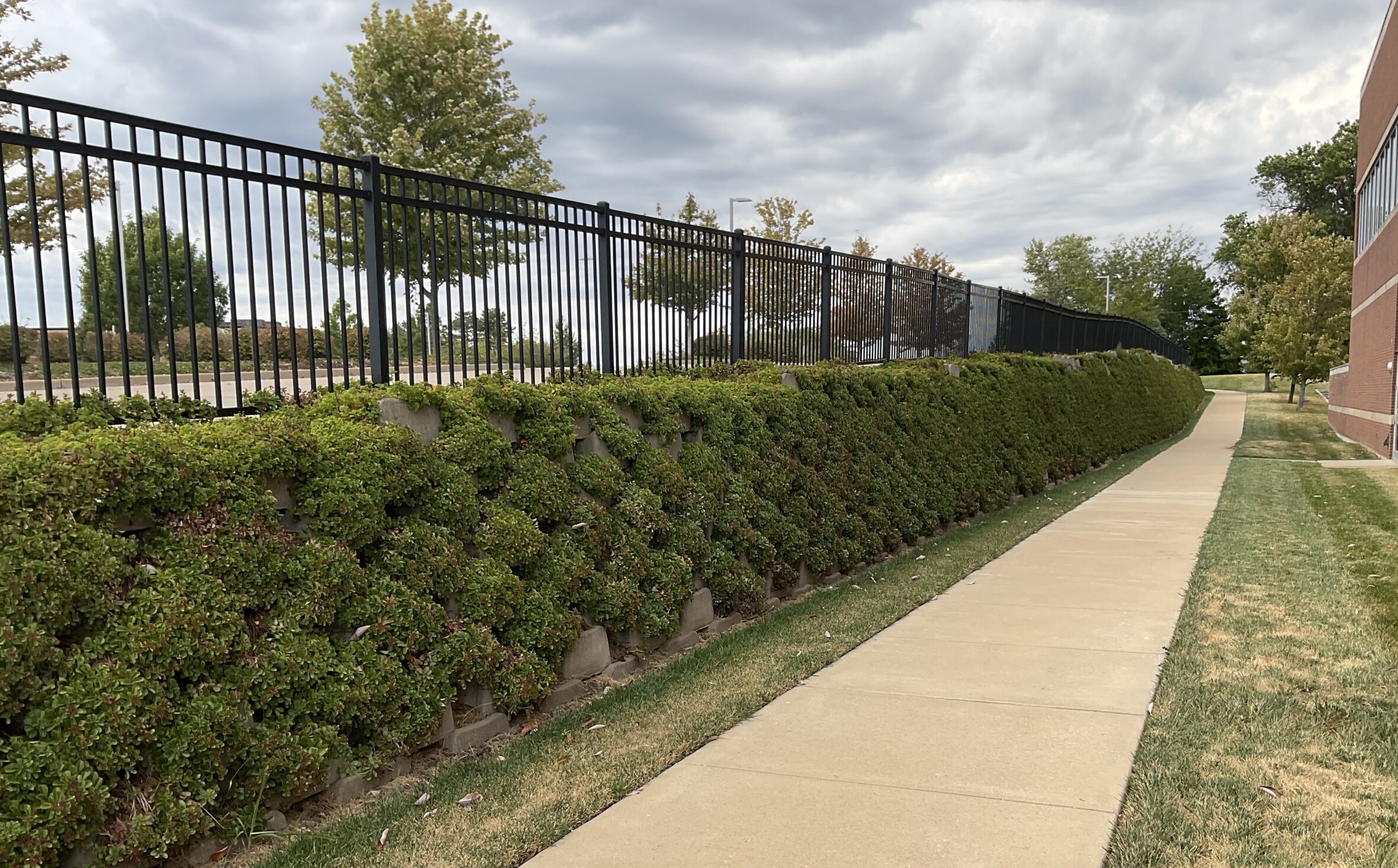
A wall did its job — it held back earth — but it was dead. A bare face of concrete or stone, doing structural work and nothing else, while the landscape around it bloomed. Mark’s conviction was that a wall that holds back earth should also be able to grow on it — that a retaining wall could be a garden, a habitat, a cooling layer of green in a built environment that already had too much grey. So he started inventing — designing and manufacturing the first plantable, living retaining wall blocks, originally in concrete, and spent years proving that a wall could be structural and alive at the same time.
That conviction is still the reason Verdtech exists.
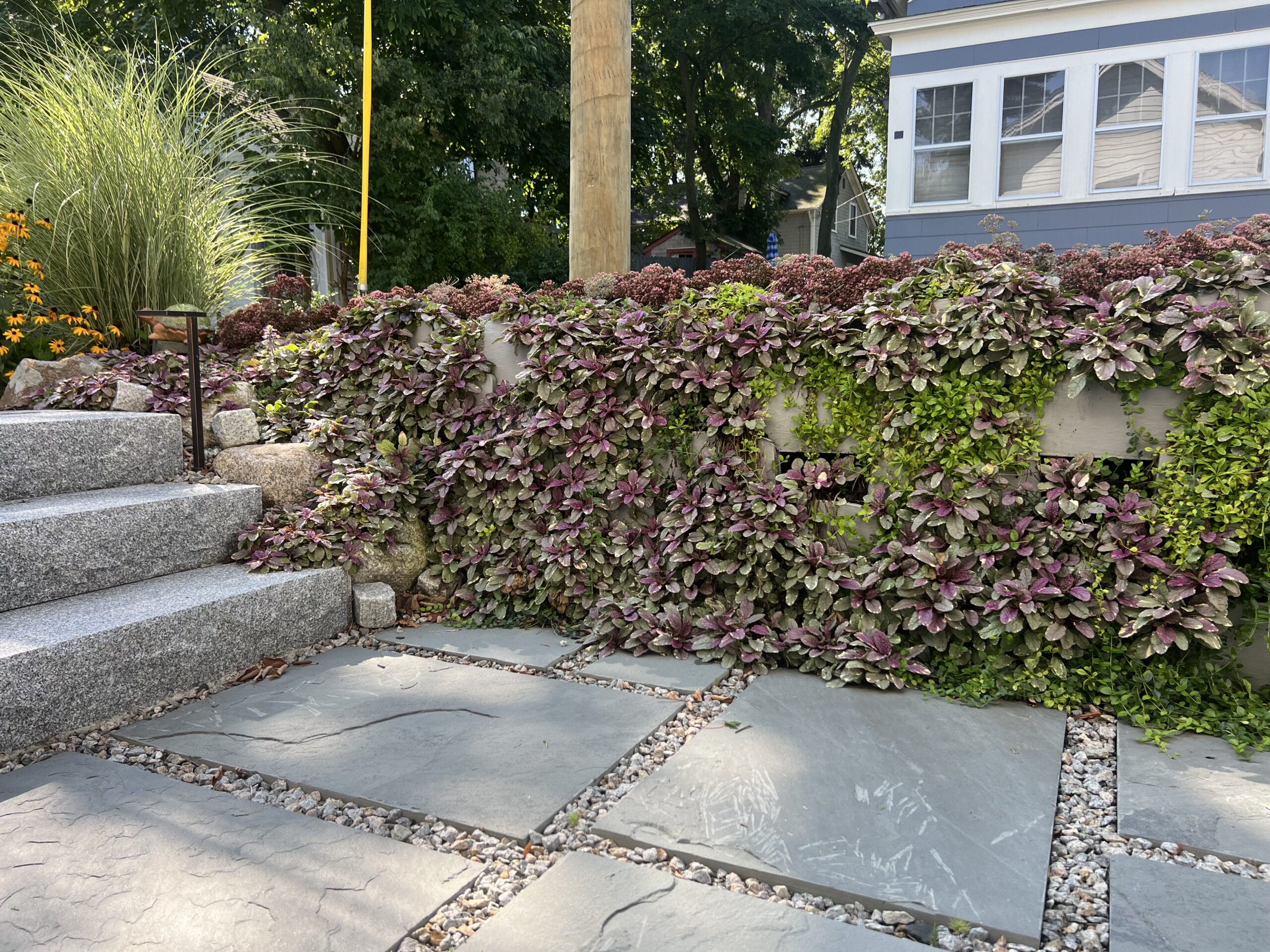
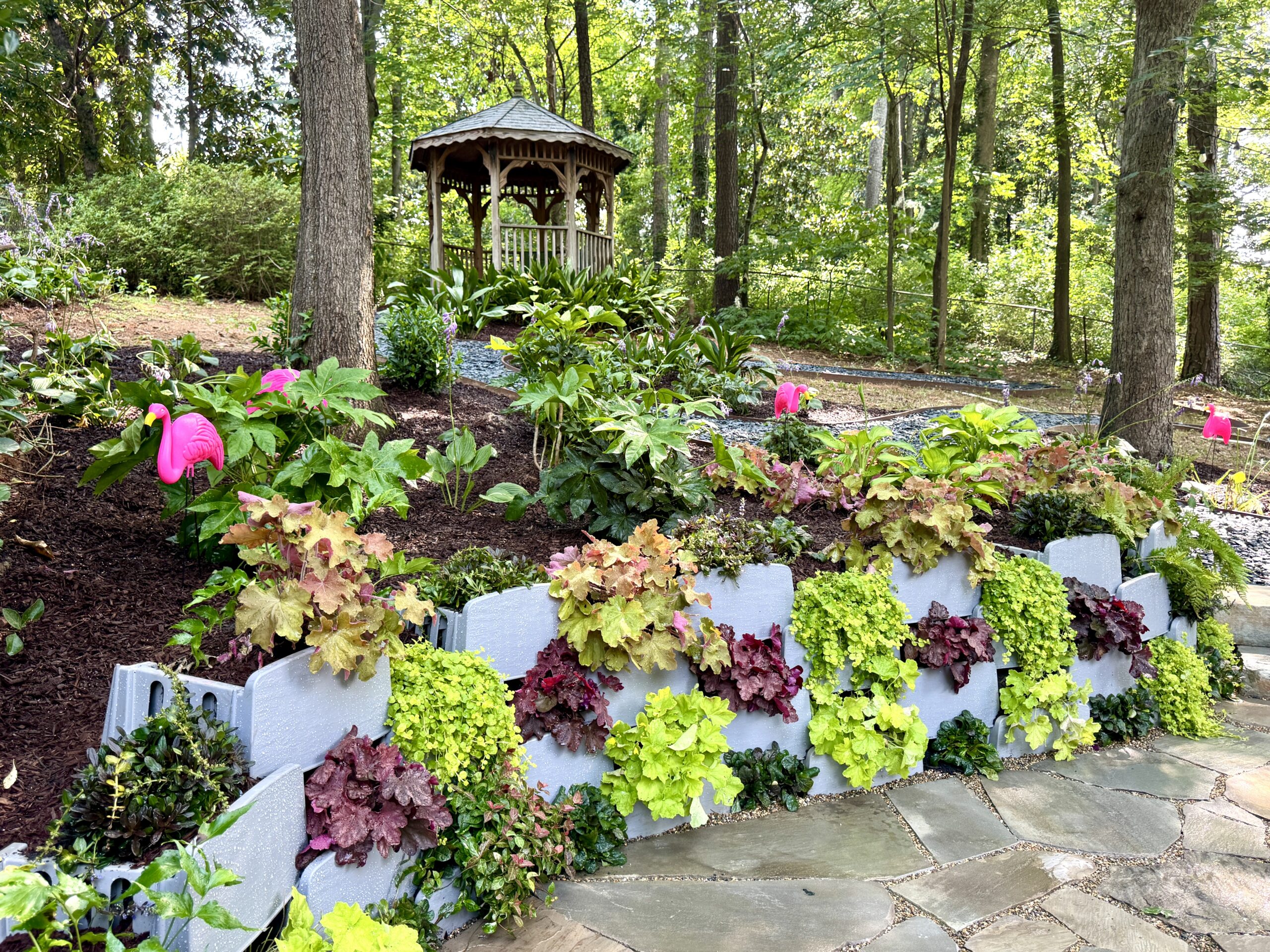
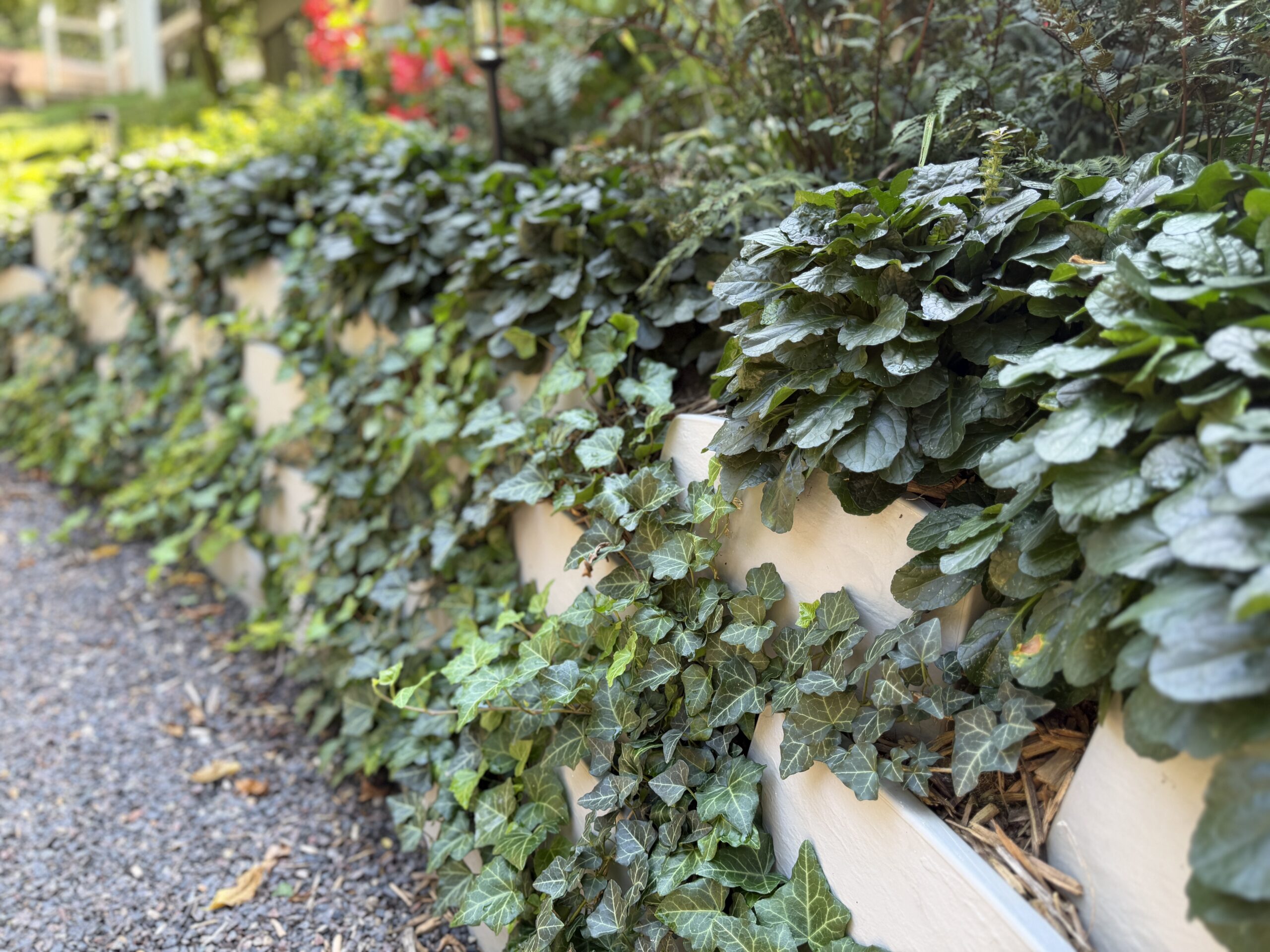
From Concrete to Lightweight
For decades, the living retaining wall system was built in concrete — heavy, durable, proven, but hard to ship and hard to handle. It worked, and it still works. But the weight limited where these walls could go: hard-to-reach backyards, slopes, rooftops, and sites without heavy equipment were often out of reach.
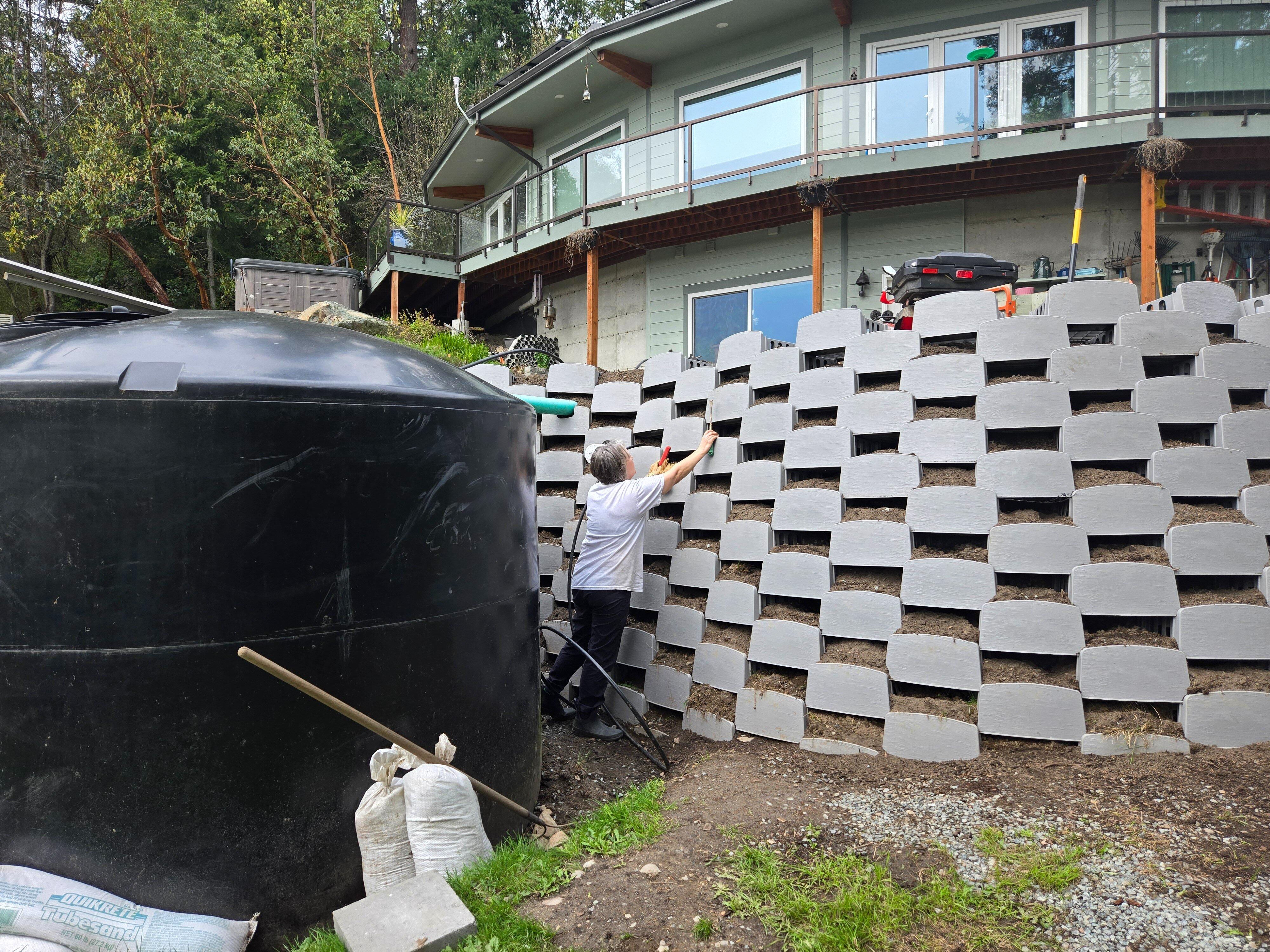
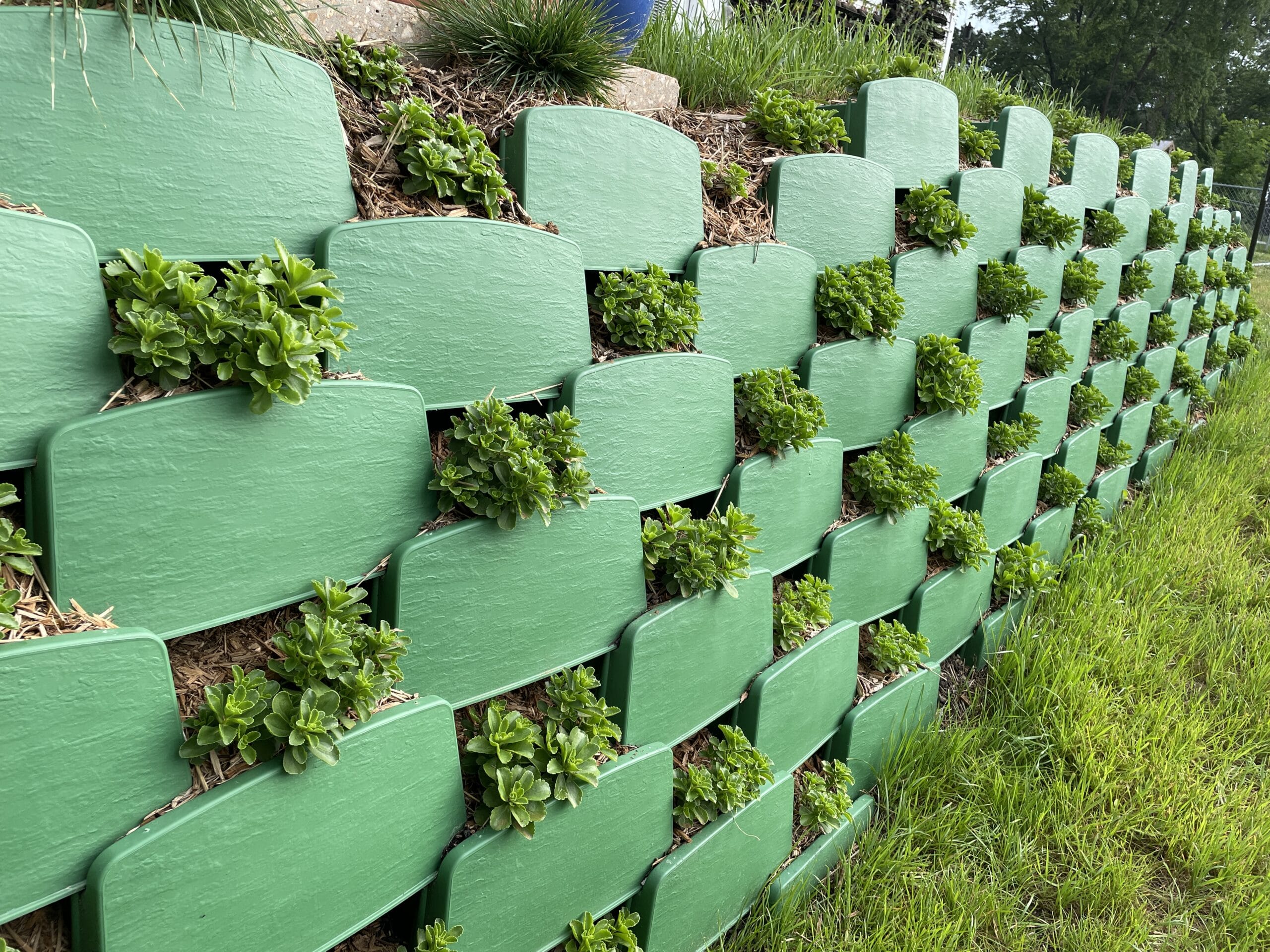
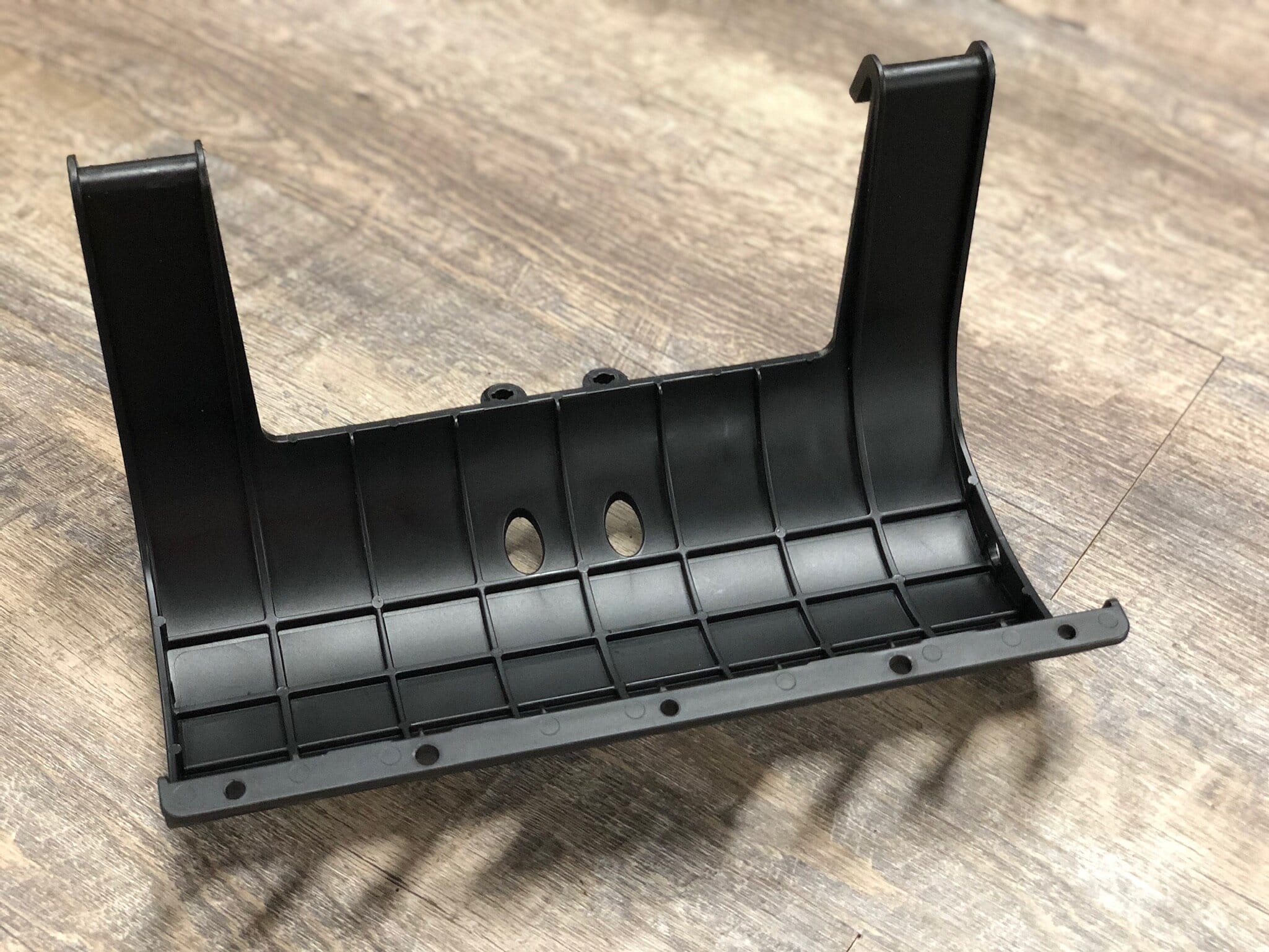
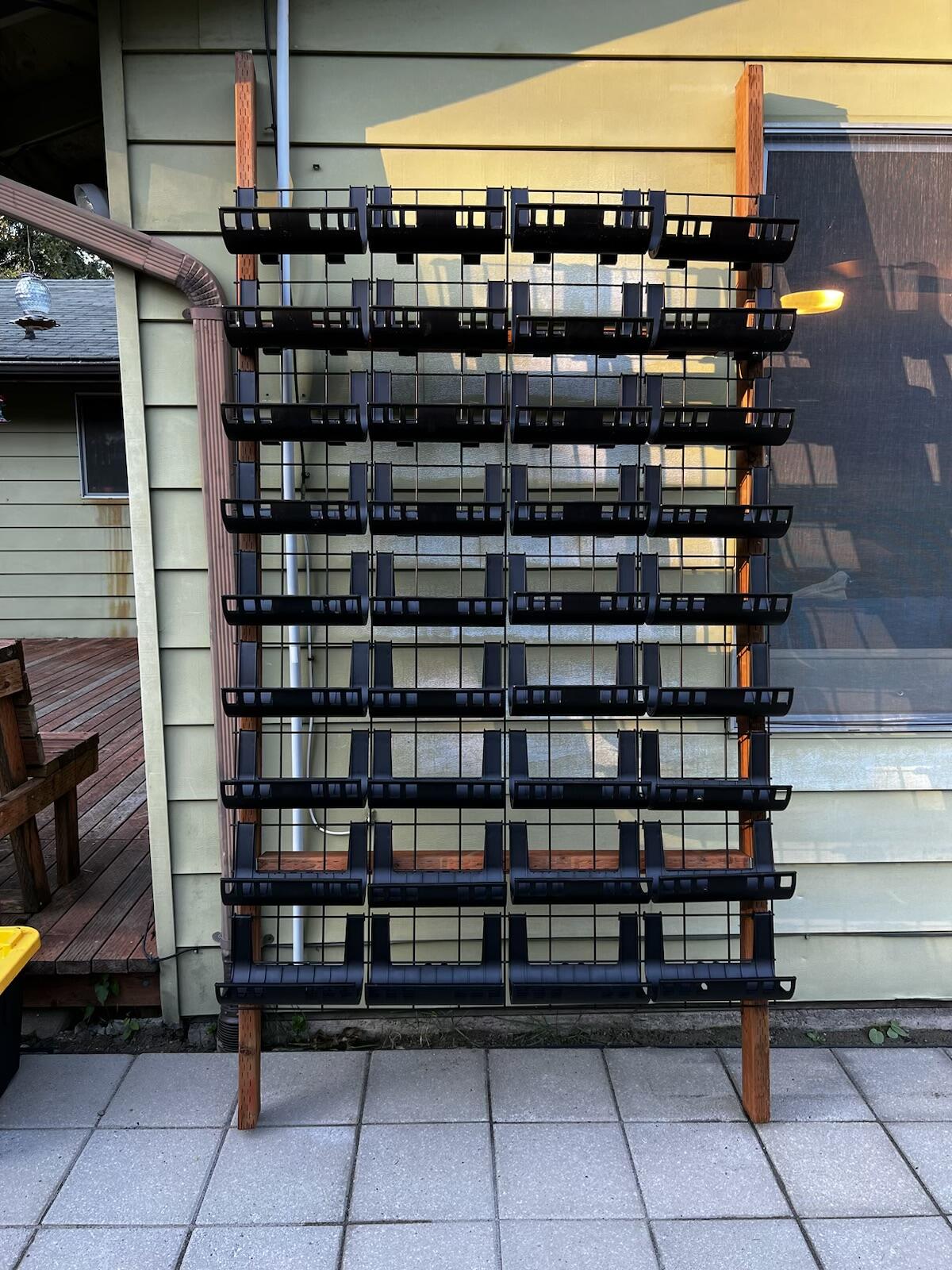
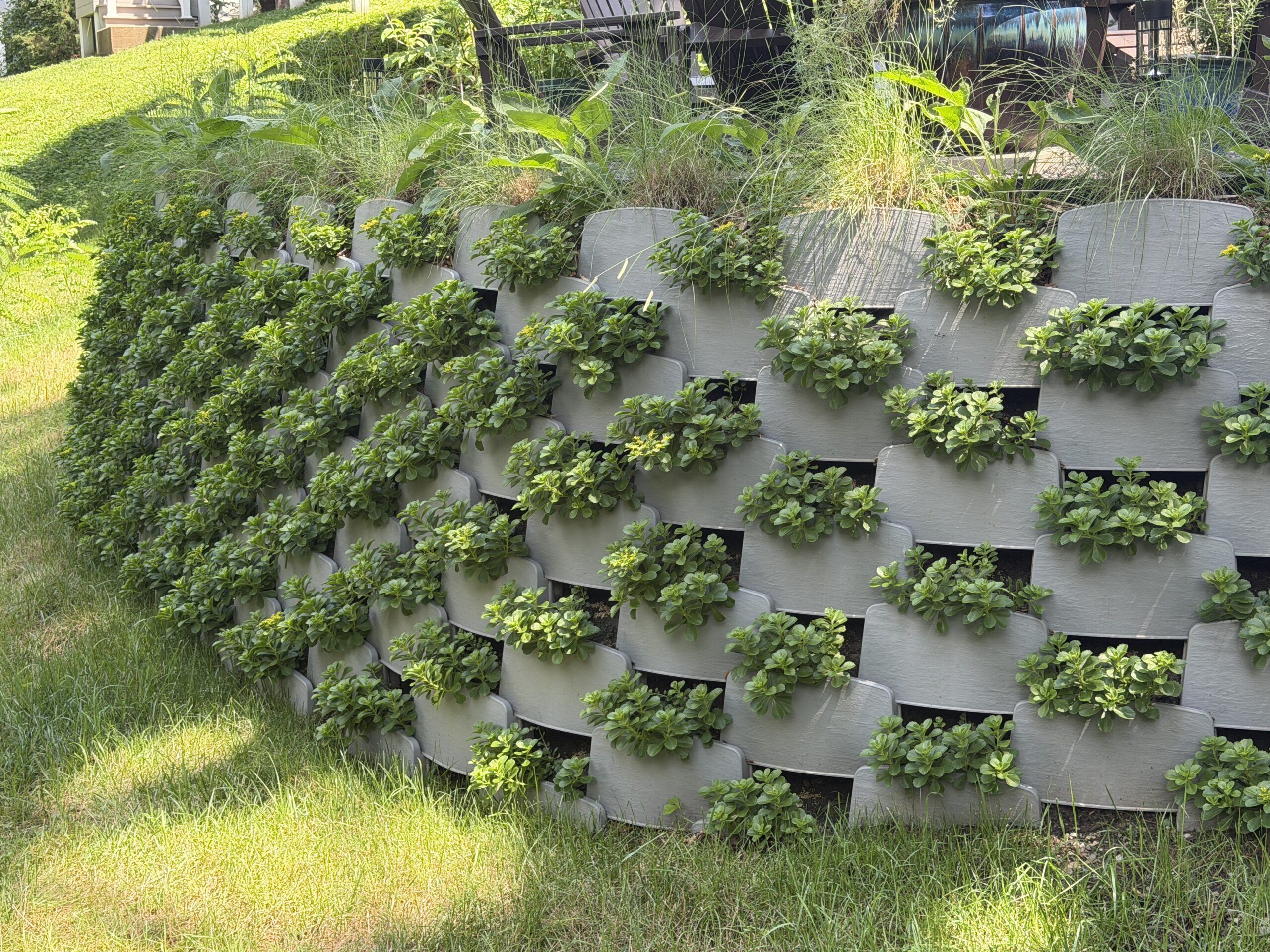
So Mark set out to solve the one thing that held the system back — the weight. The result is the Varden block: an injection-molded, structural-grade polypropylene module that weighs roughly 3 lb, covers one square foot of wall face, and ships on a pallet or in a box to almost anywhere. Same planting pocket. Same living wall. A fraction of the weight.
The plastic isn’t a compromise. It’s the point. A block light enough to carry by hand makes feasible the walls that concrete can’t reach — and makes a living retaining wall something a homeowner can build, a contractor can stage once unloaded without the equipment typically required to move and place concrete block, and a specifier can deliver to a site that would otherwise get a bare concrete wall.
Made Where It’s Made
Varden blocks are designed by Verdtech in St. Louis, Missouri and manufactured in Salem, Illinois — a small town about an hour east of downtown St. Louis. American-made, from the mold up.
Keeping manufacturing close isn’t just logistics. It’s how we hold the quality of a product that has to do two jobs at once — hold back earth and grow plants — and it’s how we keep the feedback loop short between the people designing the wall system and the people building it.
Who We Build For
Over the years, the same system has served a wider and wider audience:
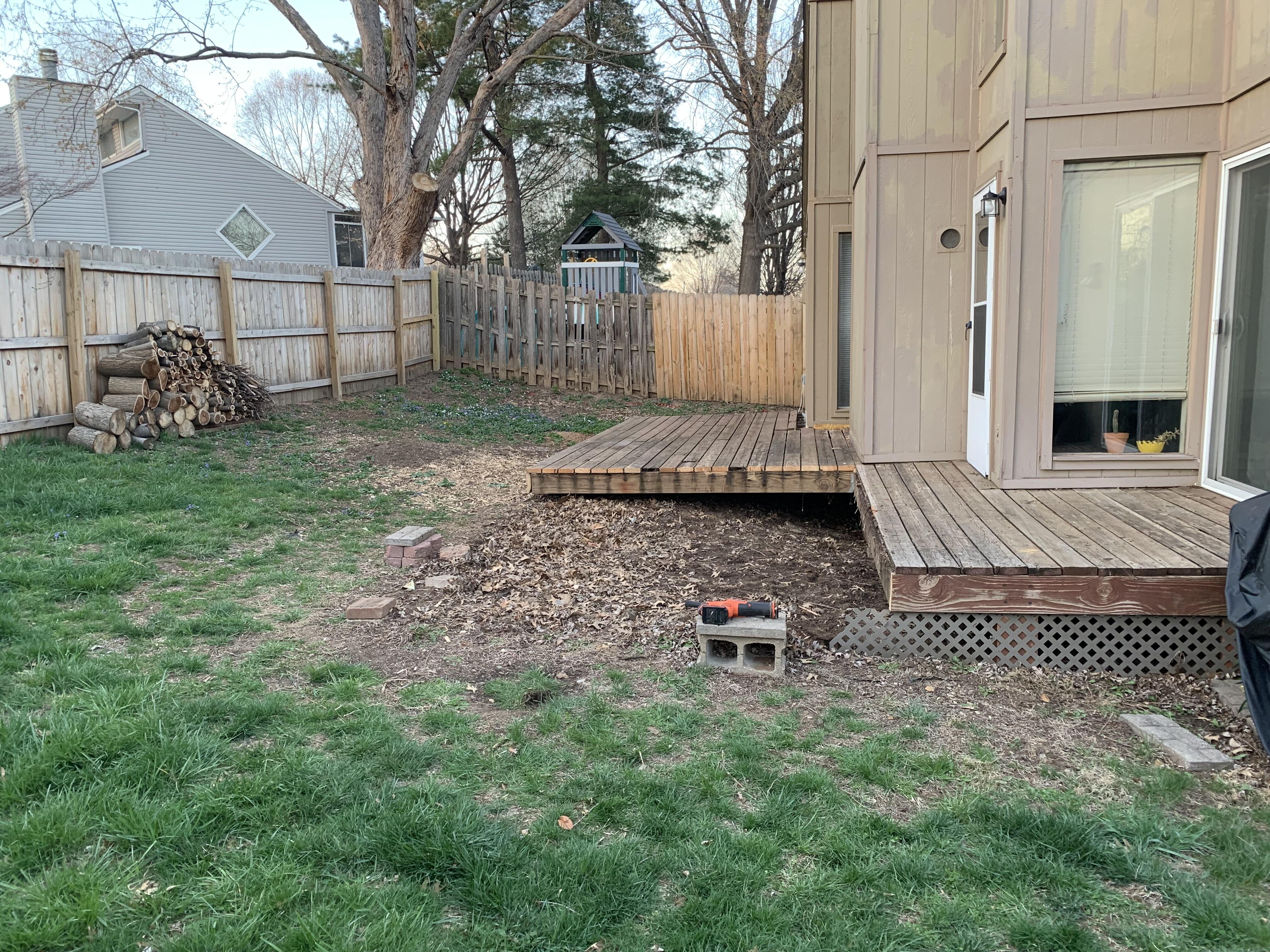
- Homeowners and DIY builders who want a block that is lightweight and a retaining wall that becomes a garden, not just a structure
- Landscape contractors and installers who can stage a wall without heavy equipment and deliver a living finish their clients can’t get from concrete
- Landscape architects, engineers, and specifiers who want a segmental retaining wall that doubles as green infrastructure — and the technical documentation to specify it with confidence
- Office Campuses, Healthcare Facilities and Urban Planners who want a living retaining wall as a feature, not an afterthought
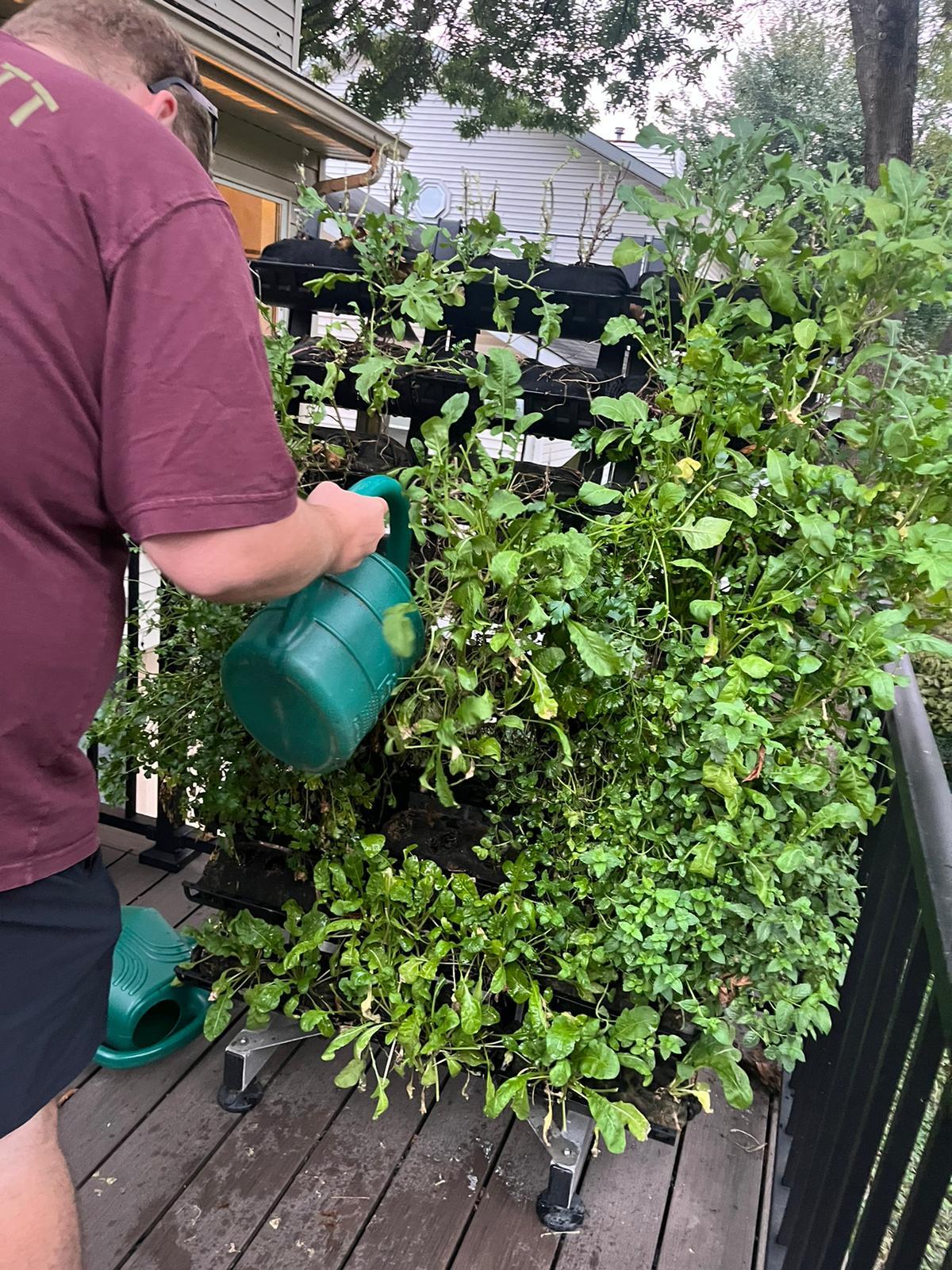
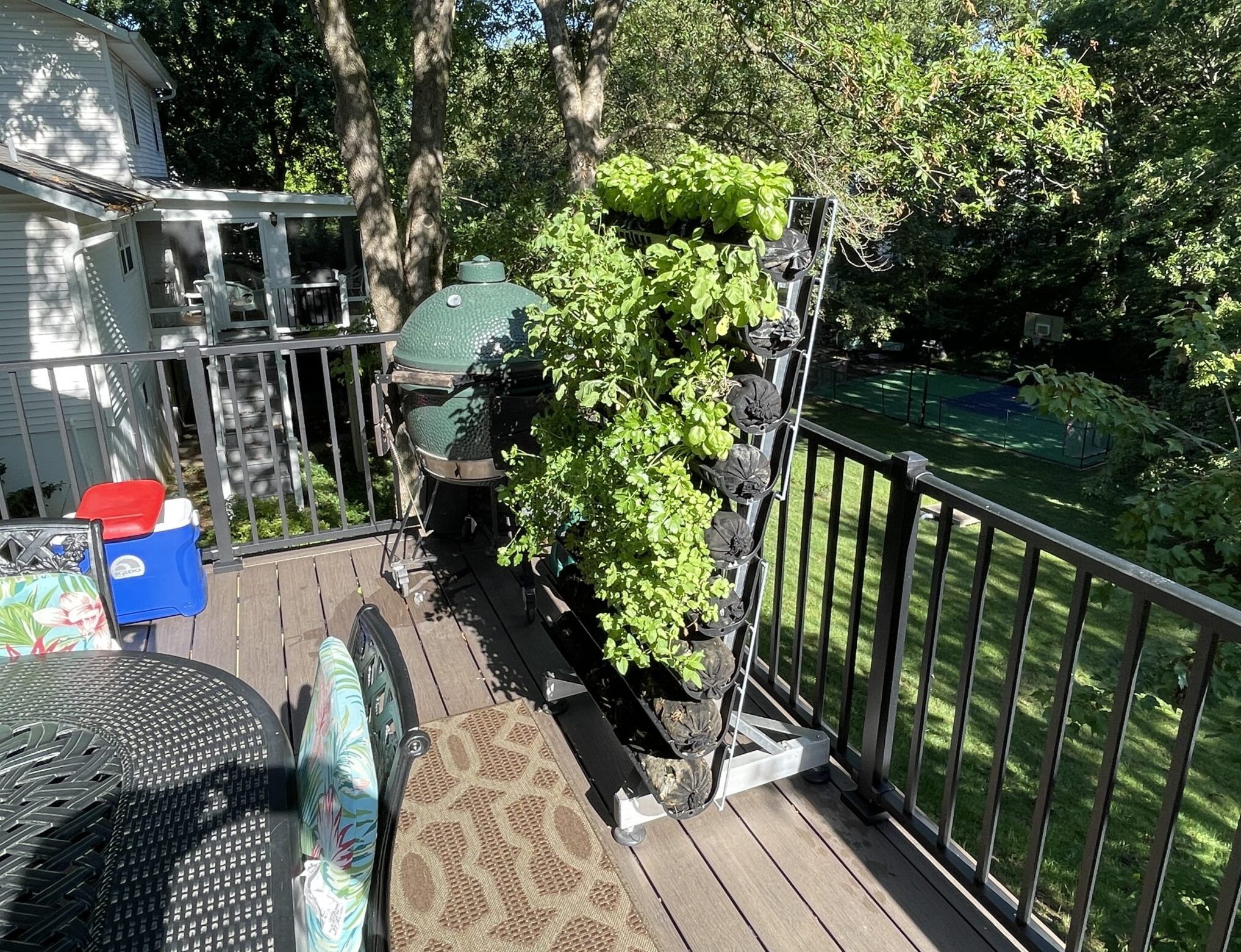
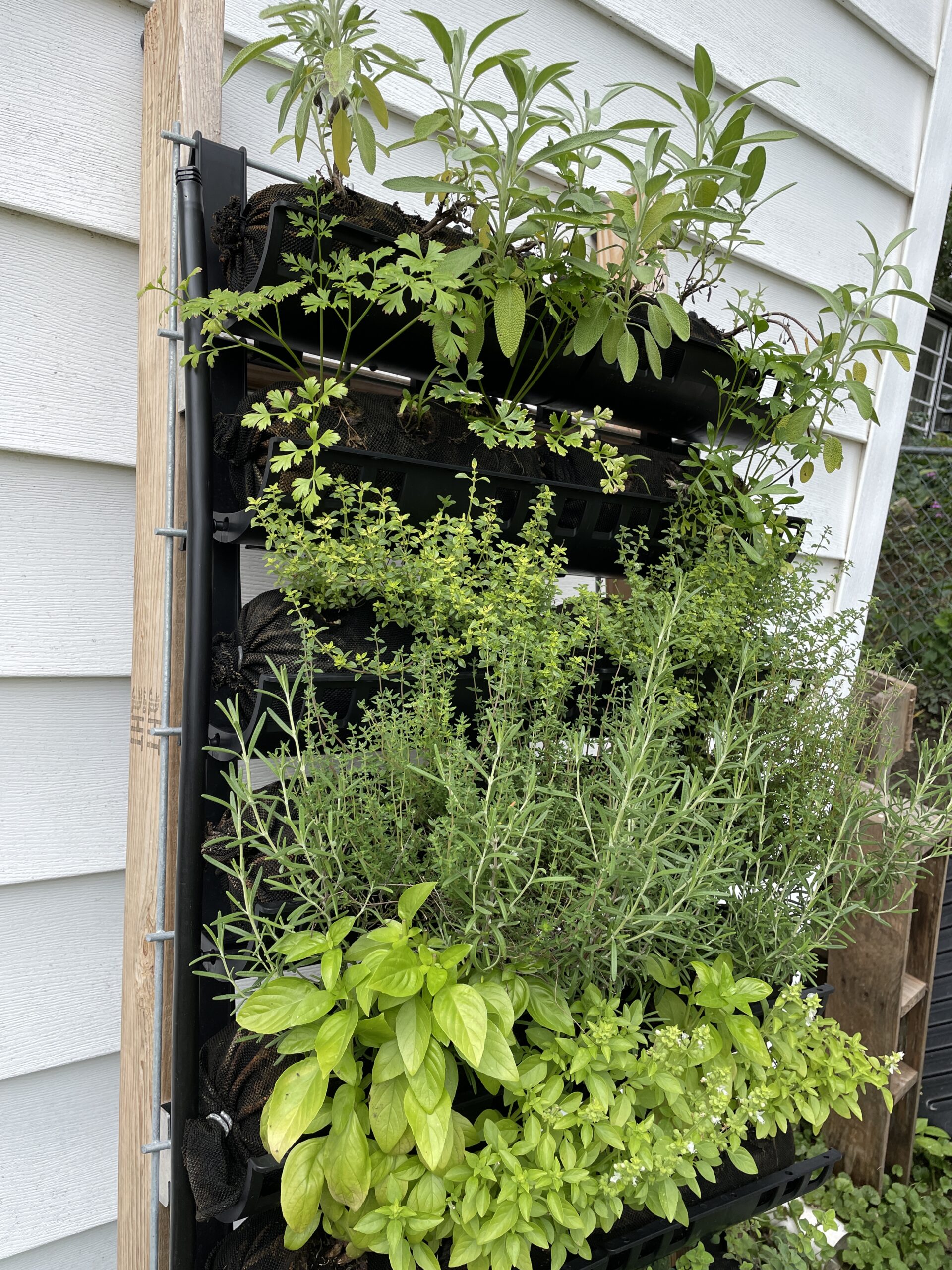
- Gardeners who saw a planting pocket and started growing food in our walls — and changed how we think about what the system is for
We sell to all of them, and we learn from all of them.
The audio on this podcast starts at :38 seconds in so be patient, its a good interview.
SYNKD Magazine
Angelique was kind enough to interview Mark on their podcast and it is a great way to understand our history and mission for innovative “green building” in the built environment.
It all started with plantable retaining walls and has grown from there.
Not sure where the time has gone but the fire for our mission has never been greater!
Why It Matters
Research on urban heat islands shows how strongly concrete and paved surfaces store and re-radiate heat — concrete holds roughly 2,000 times as much heat as an equivalent volume of air, and paved surfaces can run 36–54°F hotter than the surrounding air on a hot day (sources). That is why we see planted wall faces as one small way to add vegetation, shade hardscape, and reduce exposed grey surfaces around a project.
Every project that replaces exposed hardscape with a planted surface is a small step toward a cooler, greener built environment. A retaining wall is a small thing — but there are millions of them, and if even a fraction of them grew plants, the cumulative effect would be real.
We’re not trying to replace concrete everywhere. We’re trying to give people a better option where a wall could be alive instead.
What’s Next
The Varden system is still evolving — new accessories, new applications, and new ways to make a living retaining wall easier to specify, easier to buy, and easier to build. Thirty years in, we’re still inventing.
Along the way, Verdtech systems have appeared in residential landscapes, commercial projects, restaurants, hotels, media features, and high-visibility installations. But the mission has stayed the same: make retaining walls more useful, more beautiful, and more alive.
If you’re building a wall, specifying one, or just curious whether a living retaining wall is possible on your site, we’d like to help.
Build a wall that comes alive.
[Shop Varden Blocks] · [For Professionals & Specifiers] · [FAQ ]