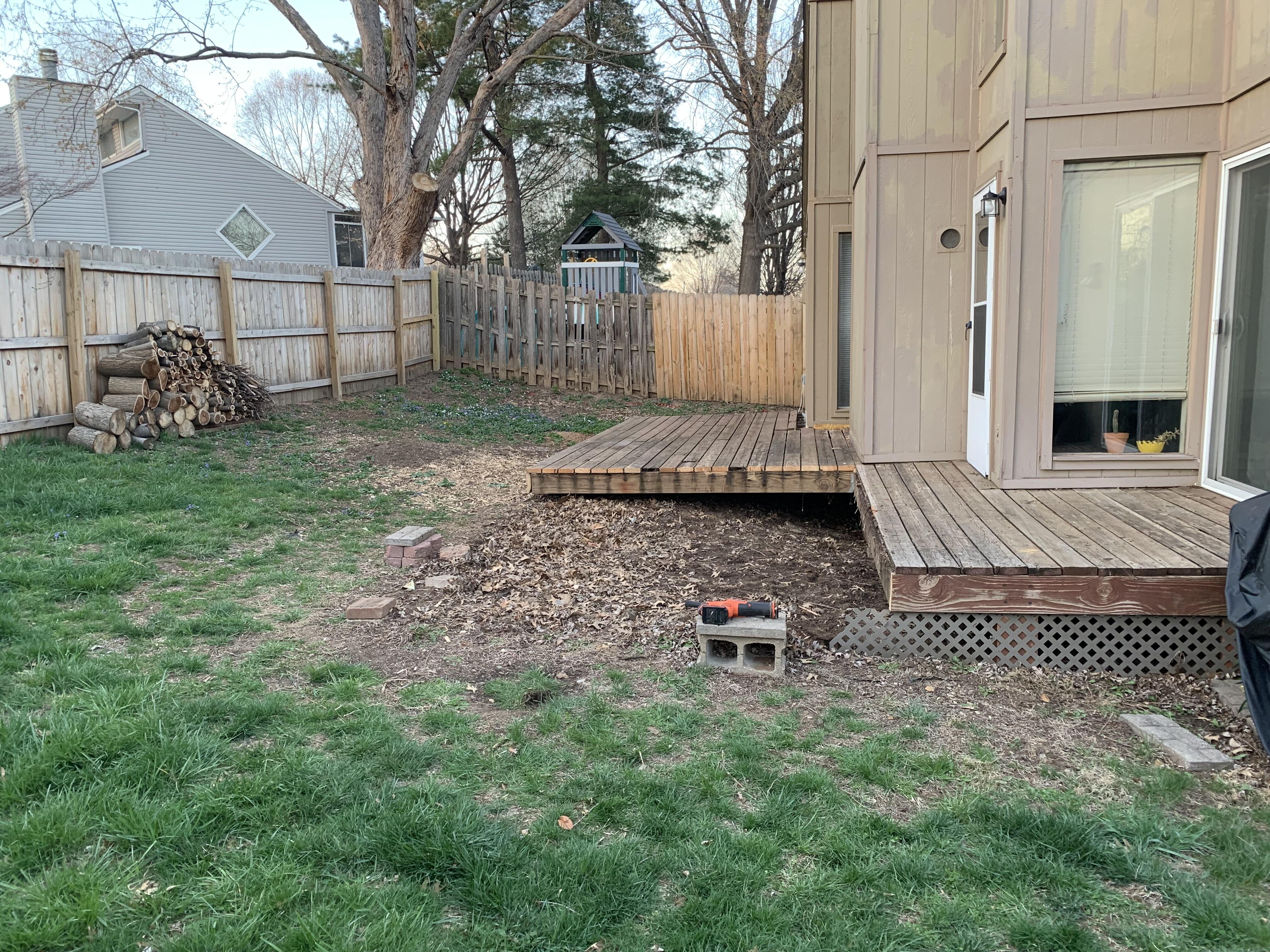
 When deciding what will do best in your vegetable garden it is always important to start with a site analysis. It is important to complete this analysis during the time of year you will be starting your seeds or young plants. You want to be mindful of how much sun your garden is receiving throughout the day. Does the majority of sun exposure occur in the morning or afternoon? Some new plants prefer full sun and can handle the afternoon exposure in the heat of summer. Most summer garden vegetables thrive in afternoon sun and require as much light as possible in order to produce enough energy for fruit production. Another important concern is your average temperature during the growing season. Depending on your hardiness zone it is important to keep in mind the highs and lows based on time of year. Here in Zone 6, we have a couple months for cool season crops in early spring before the summer heat comes along. We also get another opportunity for a fall planting of cool season crops around September. This is an awesome opportunity to stockpile fresh produce before we experience hard freezes.
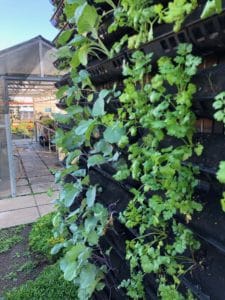
Canning, jarring, and pickling are incredible ways to enjoy your garden long after the growing season. This is a great activity for the whole family to be a part of and I really think it harps on the importance of food security. We have become so accustomed to having almost everything at our disposal in grocery stores year-round. It can be a really rewarding experience to make your own tomato sauce or pickled veggies and still enjoy them in the dead of winter. Lastly, I would like to touch on soil composition and soil moisture. When planting in raised beds or vertical gardens it is super important to check the media you are growing in. Edible plants prefer soil with a high level of organic matter and nitrogen. This will provide new plants the proper nutrition they require to be successful. Amending your soil early in the season is a good rule of thumb. This will allow time for soil components to break down and come together. Clay soil can be an absolute nightmare when it comes to soil moisture. Clay generally holds a lot of water and contains minimal macropores which allow for drainage and oxygen exchange to occur in the root zone. Dense, clay soil can be broken down over time but it requires patience and a lot of compost, gypsum, and organic matter to kickstart the process. Your plant’s roots will thank you if you can avoid planting in areas with high clay content. This is a great reason to plant in vertical systems, you get the ability to choose your own soil profile from the beginning. Not to mention there is almost no weed pressure, which cuts down tremendously on your time tending to the garden.
Now, let’s talk about plant selection! I will break this down by month to make it easy to reference.
April
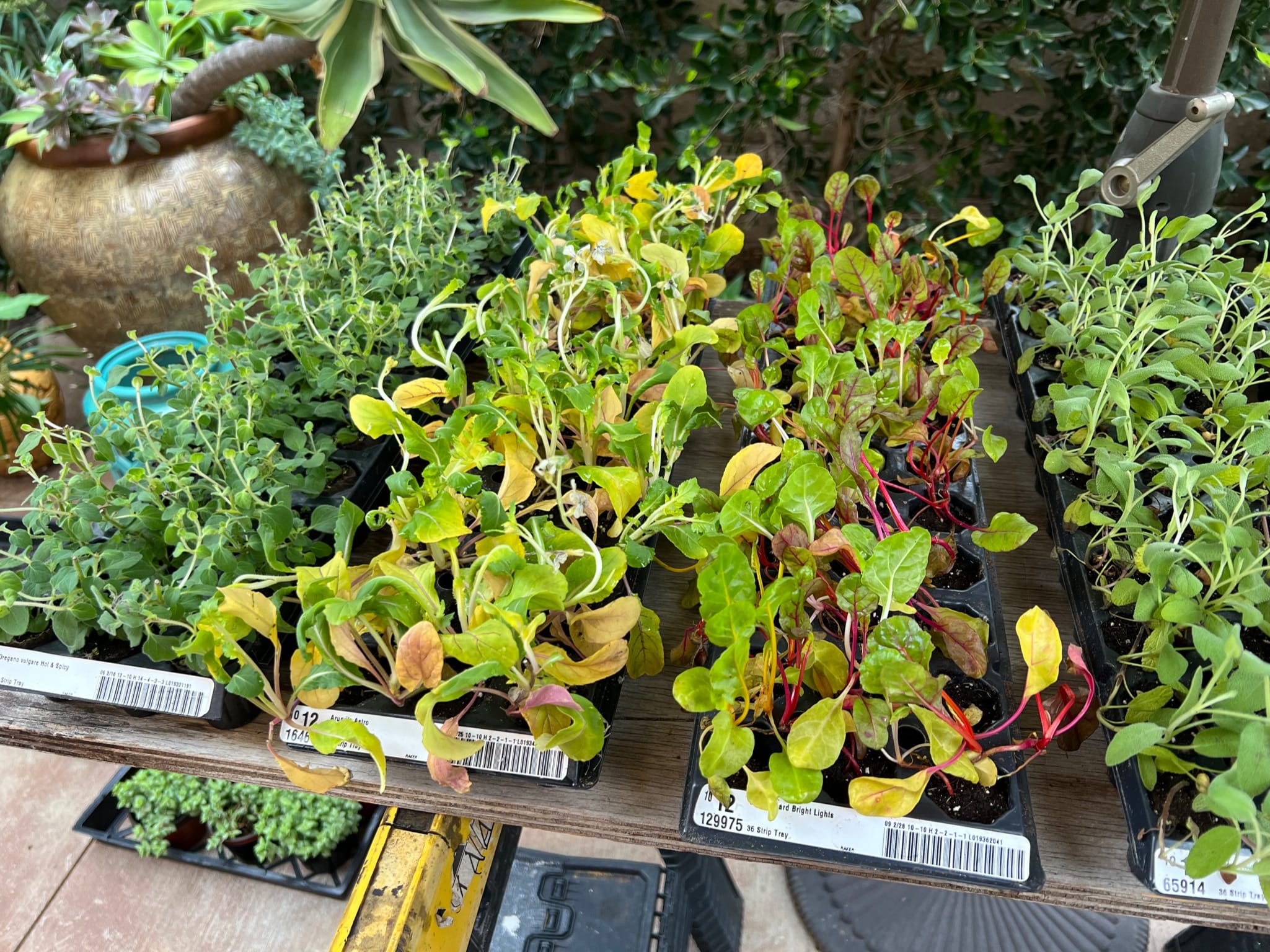
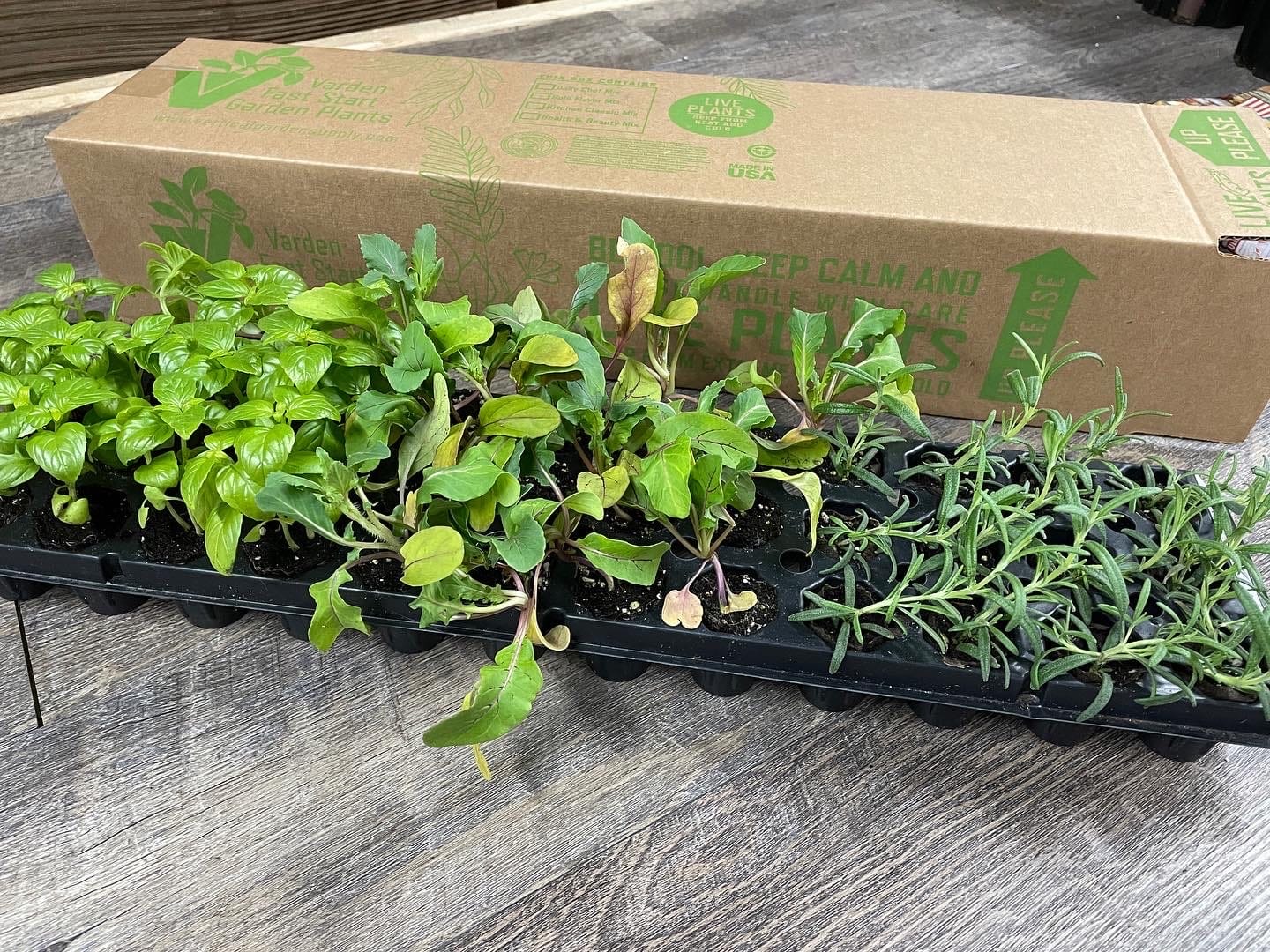
The first week in April is usually warm enough to start your cool season crops outdoors. Personally, I think it is easiest to start from plug rather than seed at this point in the year. Check out our Fast Start Plant Program for more information on plugs shipped directly to your door. Always remember to plan for mature size before going overboard and crowding your space. Some popular crops for early season planting: broccoli, cauliflower, cabbage, brussel sprouts, beets, carrots, swiss chard, peas, leaf lettuces, mustard greens, kale, kohlrabi, and spinach. Select a few of your favorites and focus on those, as the season goes along you may set yourself up for failure by taking on more than you can handle.
May
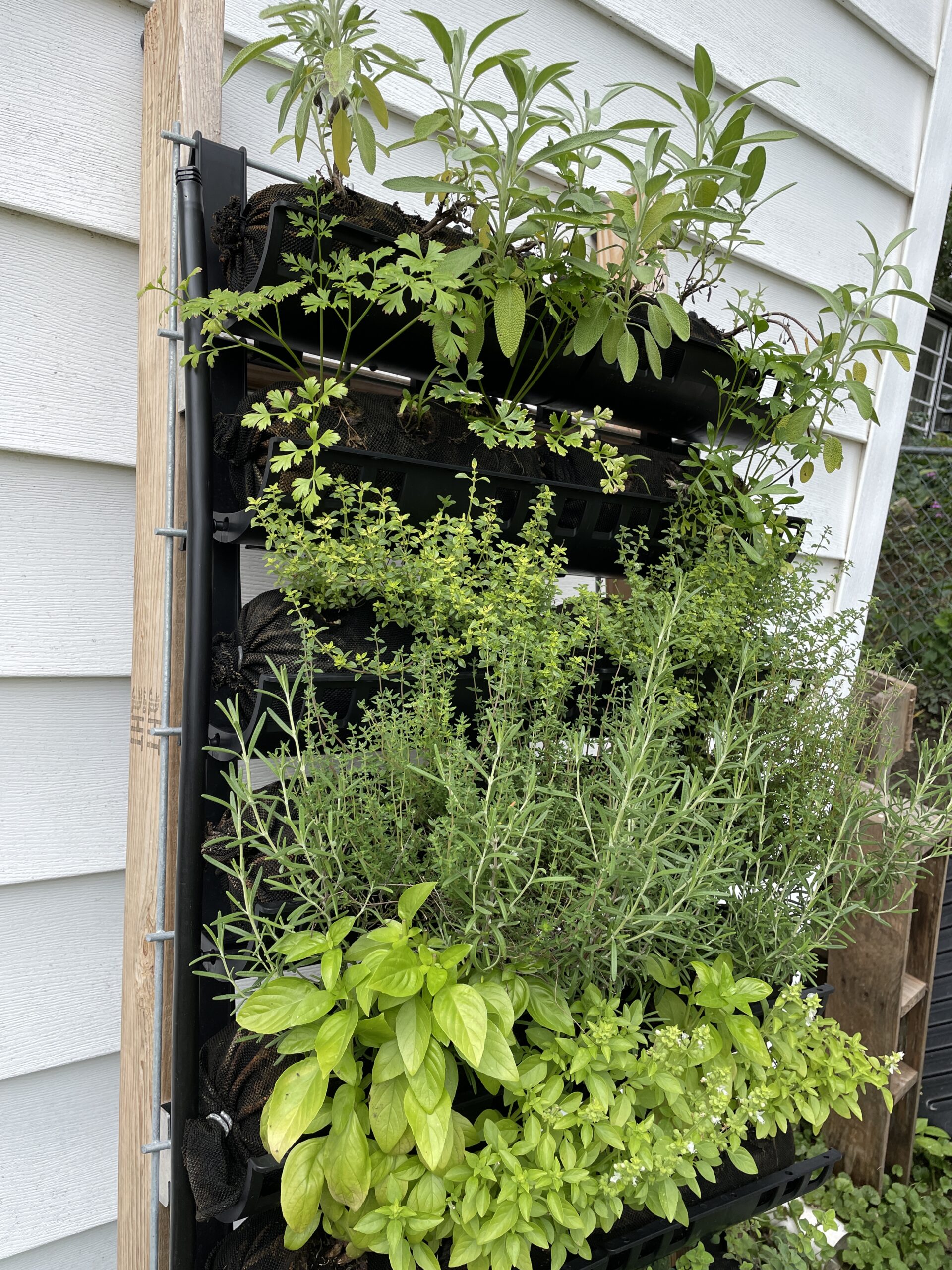
Keep in mind this is all temperature dependent from year to year, but around May 1st you should be safe to directly sow these seeds in your vegetable garden. This is my favorite time of year to garden; we are getting into the good stuff now! My personal favorites include: tomatoes, okra, cucumbers, watermelon, green beans, summer squash, zucchini, and corn. Don’t forget to include some herbs as well, they are a perfect addition to your summer meals! I would recommend: dill, cilantro, basil, parsley, sage, mint, oregano, and thyme.
June
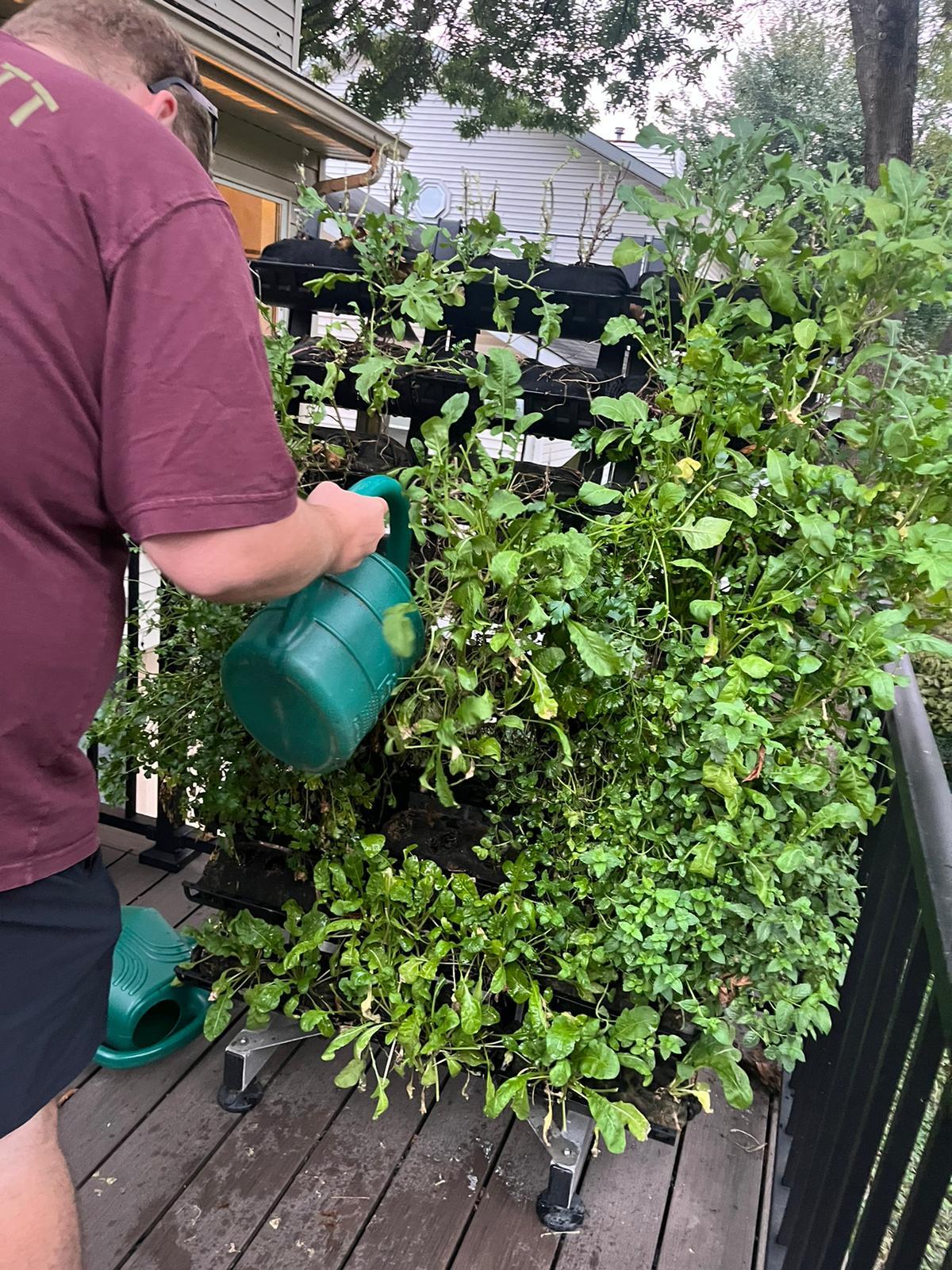
 By this time of the growing season everything is in full swing and you have plenty to care for. This is where the bulk of your time will be spent outdoors scouting for pests, pulling weeds, pruning, harvesting, and watering. June is typically the time you realize you bit off more than you can chew, but that’s okay, gardening is full of learning experiences! Now is a great time to add some annual flowers to your space to attract pollinators. There are plenty of great options out there but I suggest: marigolds, aster, sunflowers, zinnia, and nasturtium. These add a ton of beauty to your space and remember to plan accordingly in early spring. As the summer heat gears up, pay close attention to your soil and make sure you are providing enough water. At this point in the season, rain will not be enough. You will need to supplement with deep watering a couple times per week. The best way to monitor this is by poking your finger in the soil a few inches down. If it is completely dry 2”-3” below the surface it is definitely time for a good watering! This will get easier over time and you will become a pro at spotting when your garden needs a little TLC. Adding a shade cloth through July and August can help cut down on the watering frequency. If you know you will be traveling a lot during the summer months, it would be wise to select crops that are more drought tolerant.
September
 Refer back to the instructions from April. You should be able to get another great harvest of cool season crops if they are planted around September 1st. Just watch the extended forecast and plan accordingly.
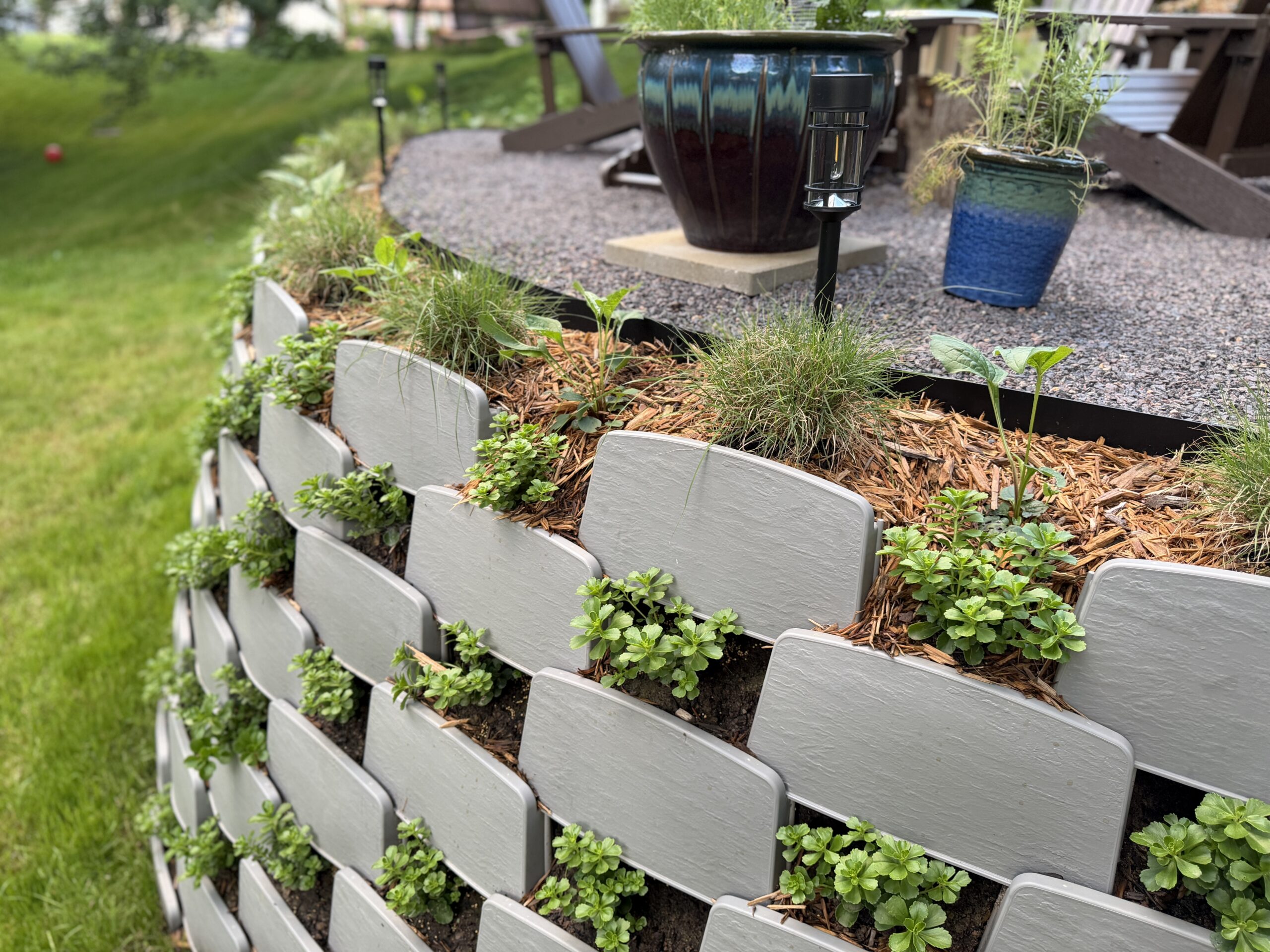
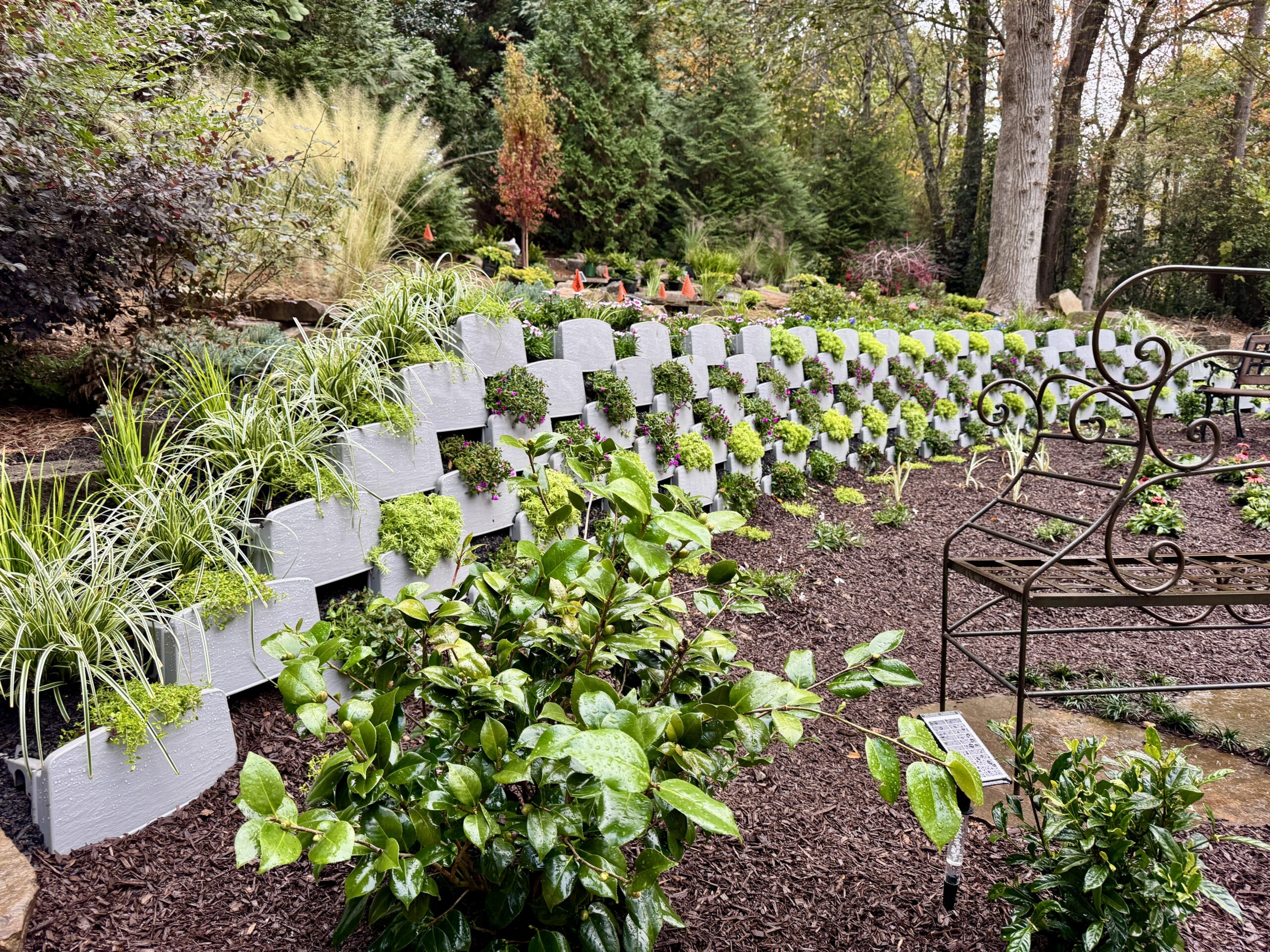
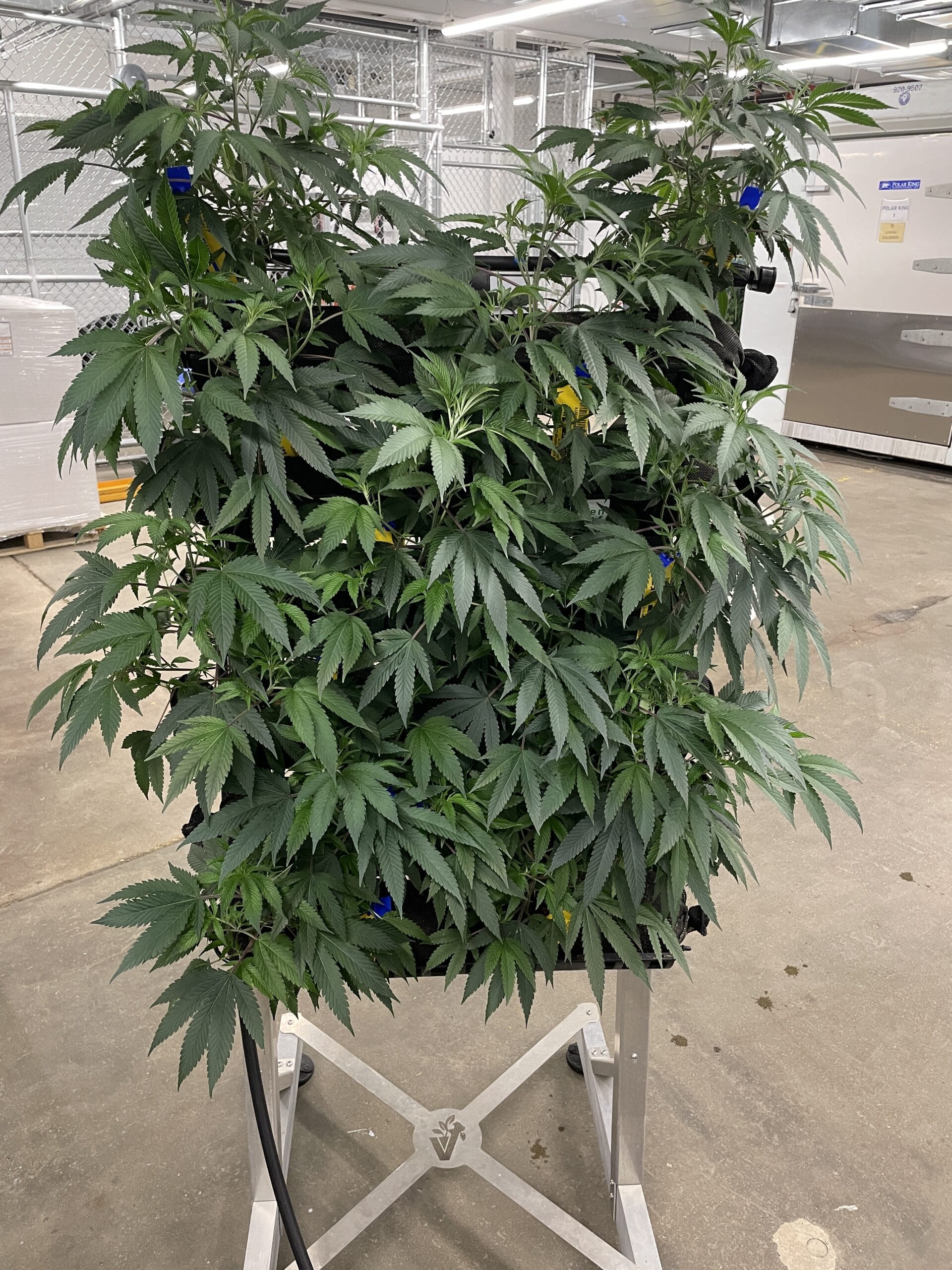
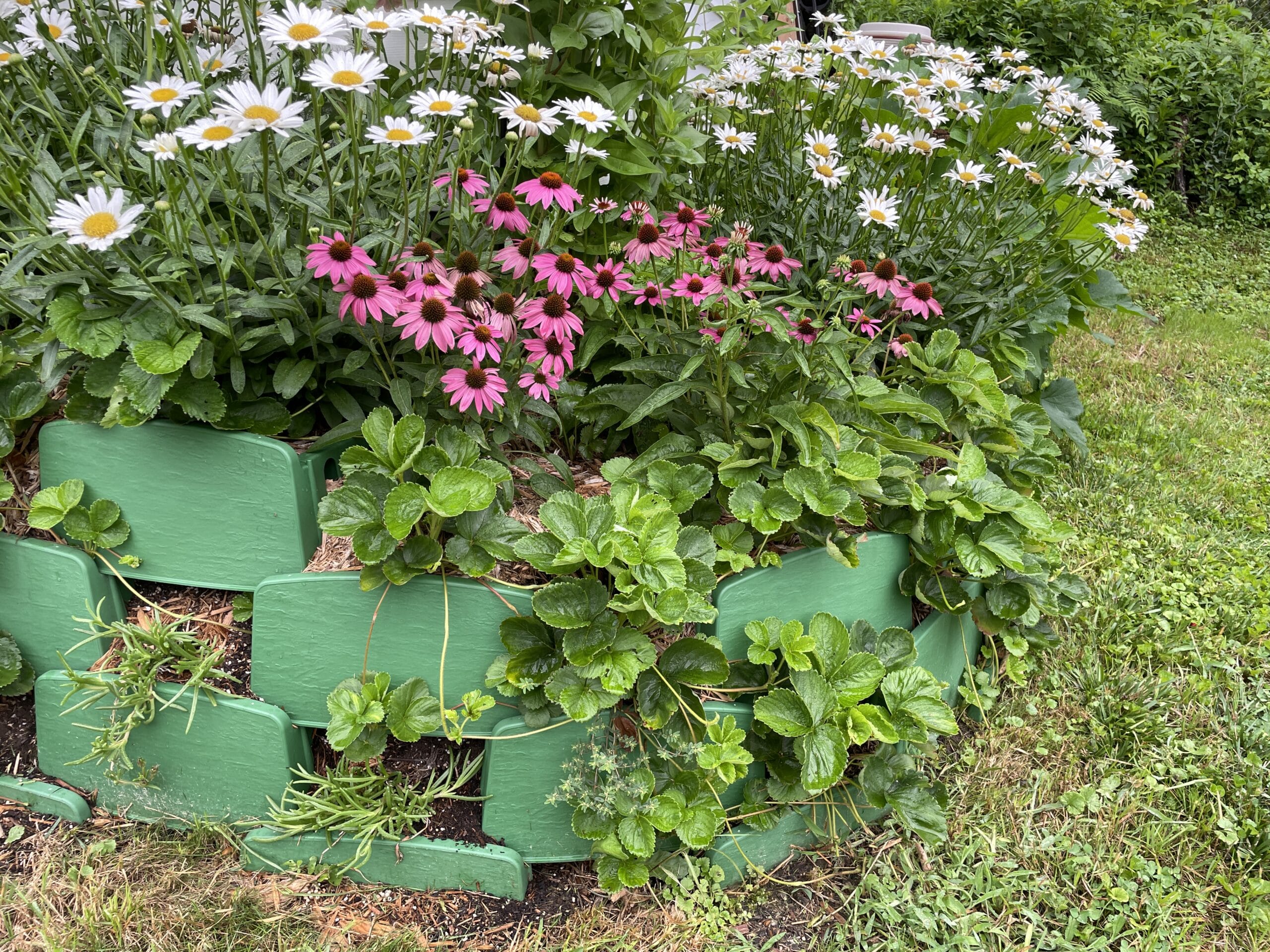
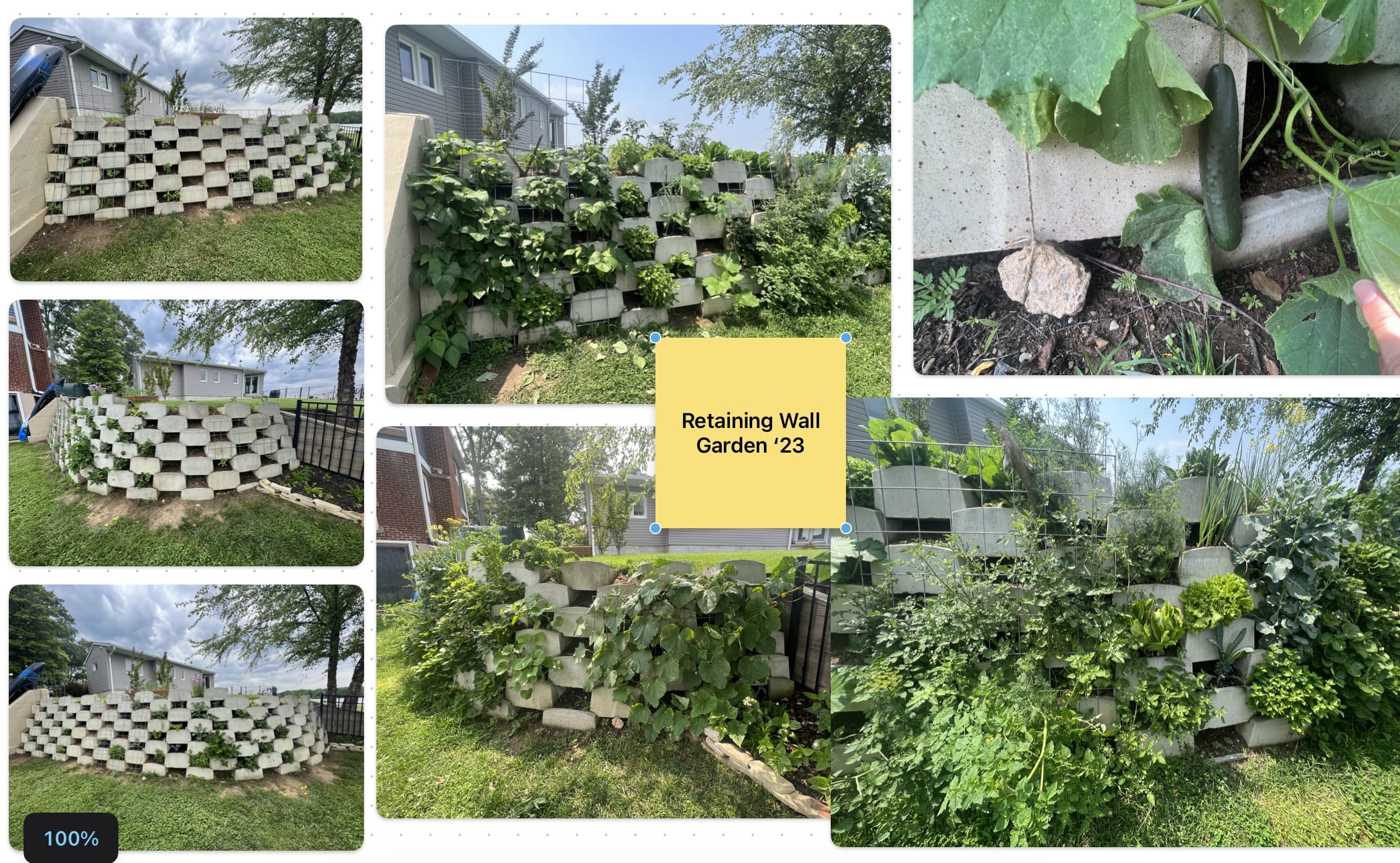
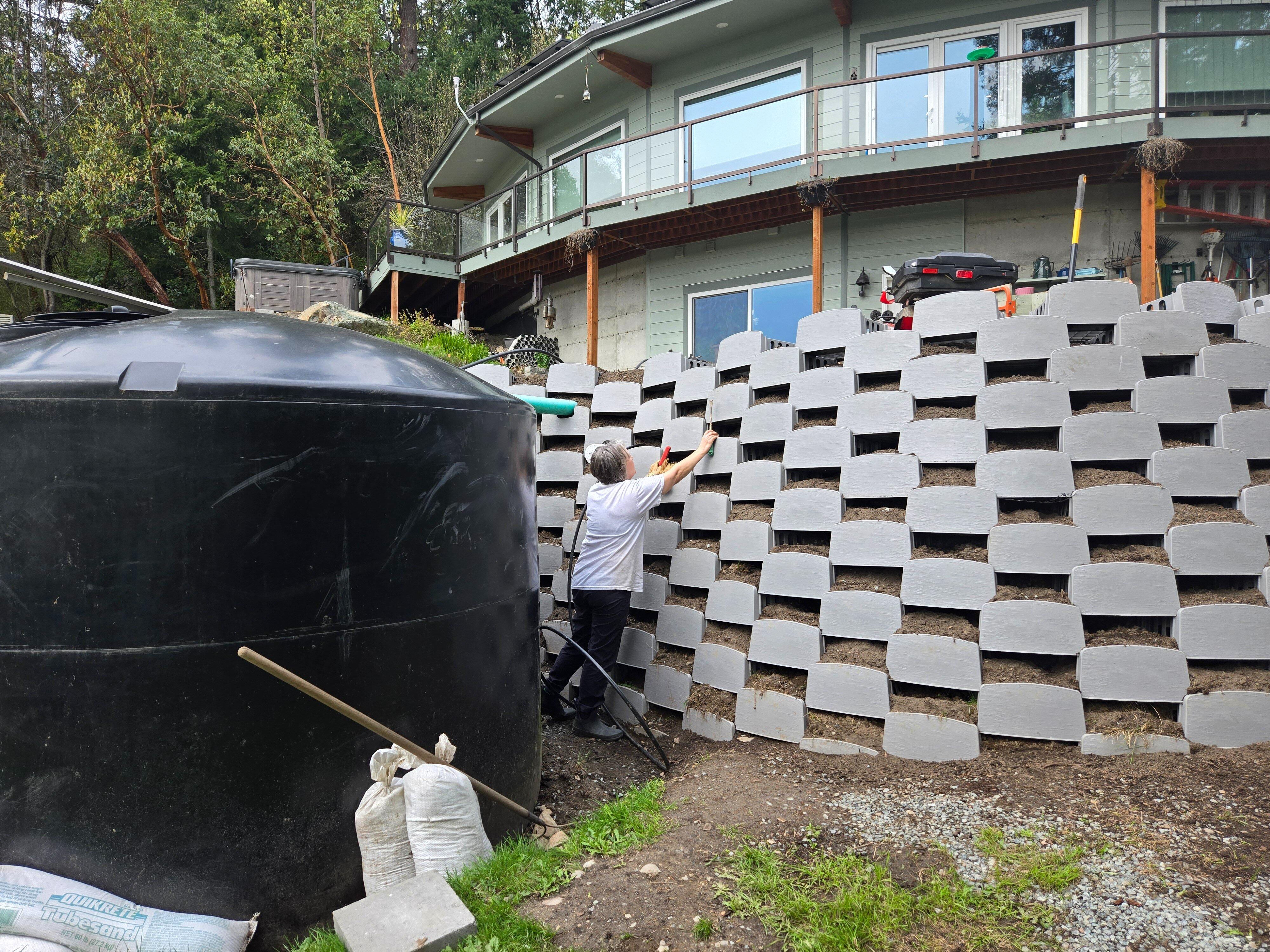
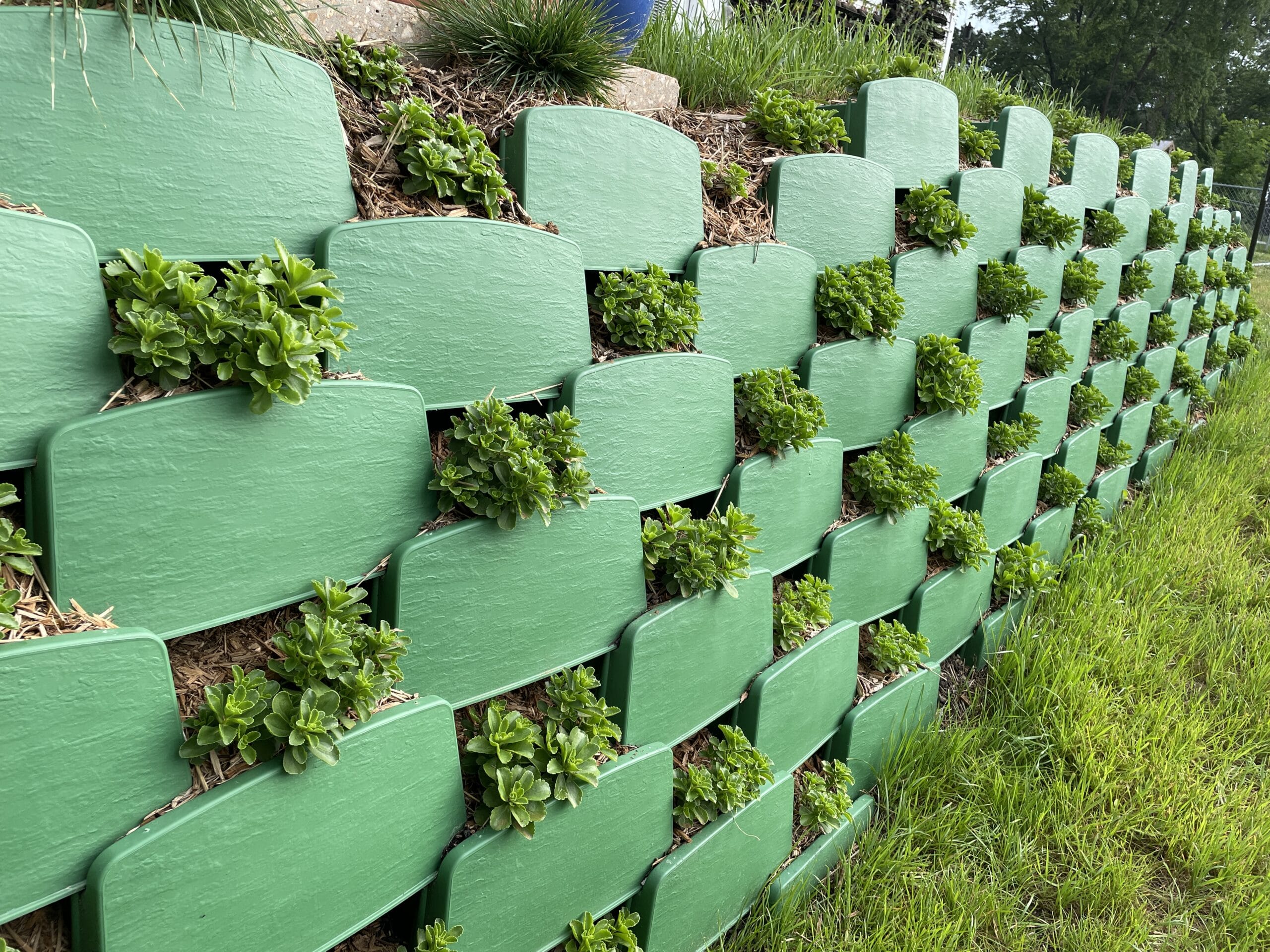
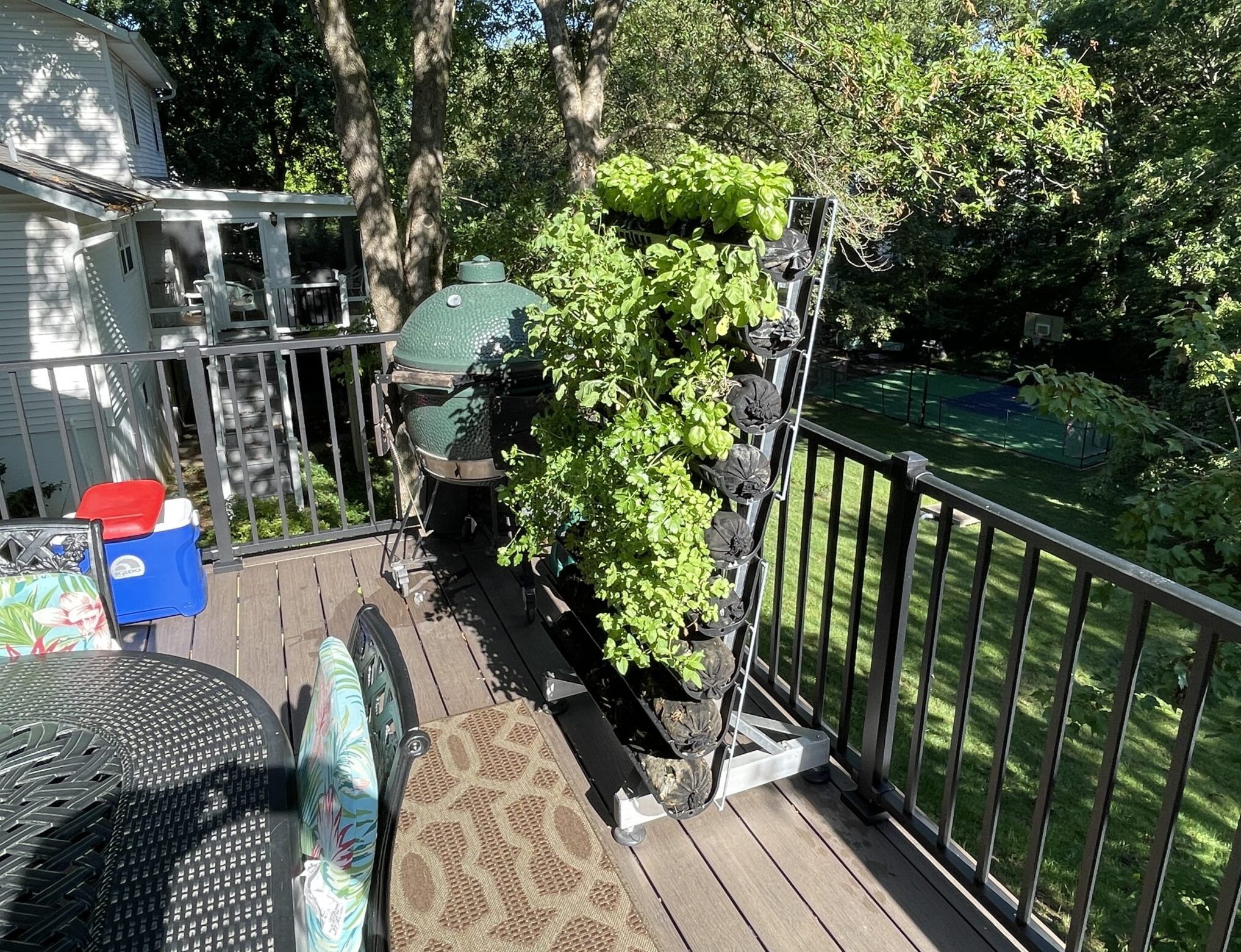
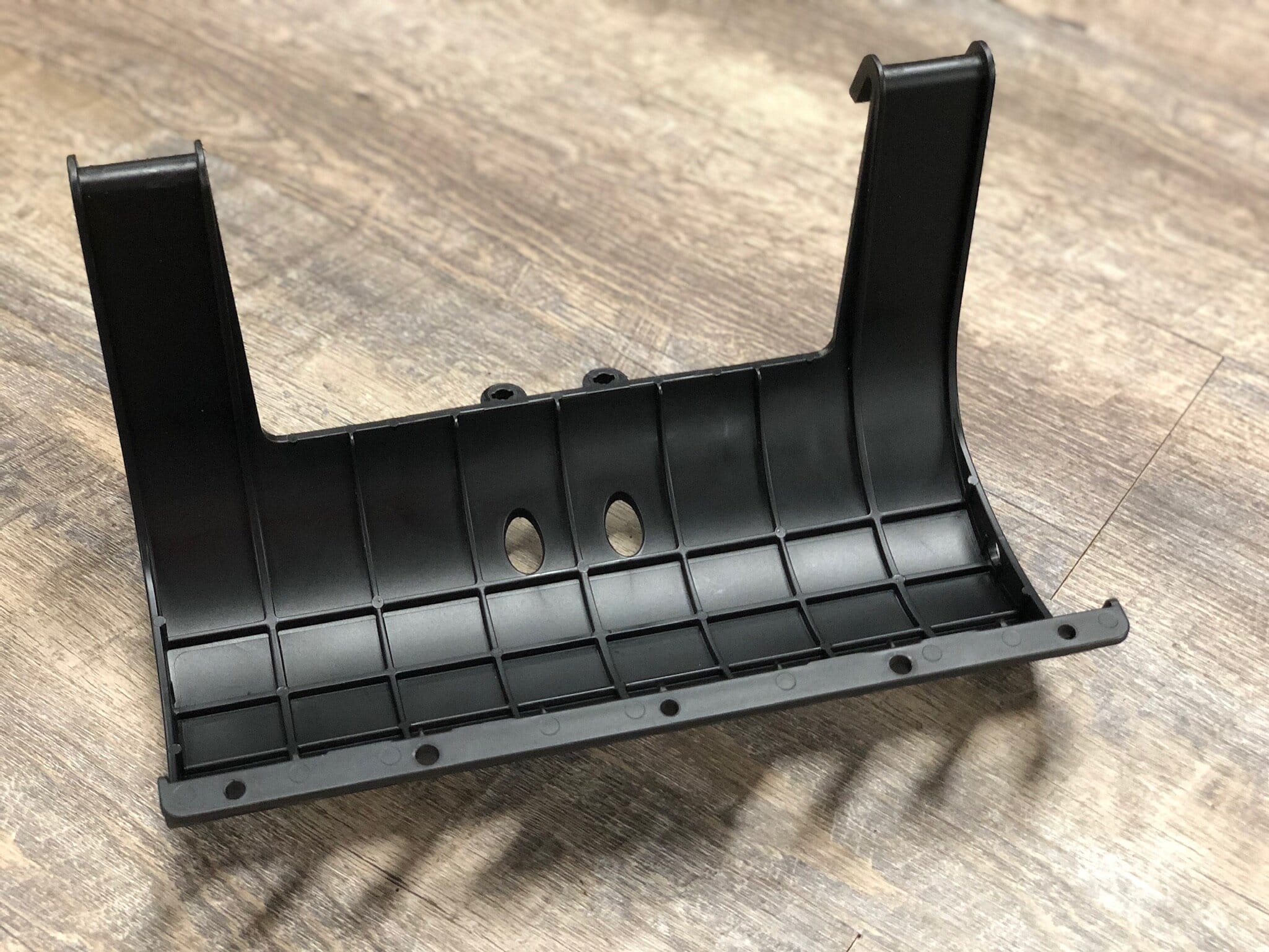
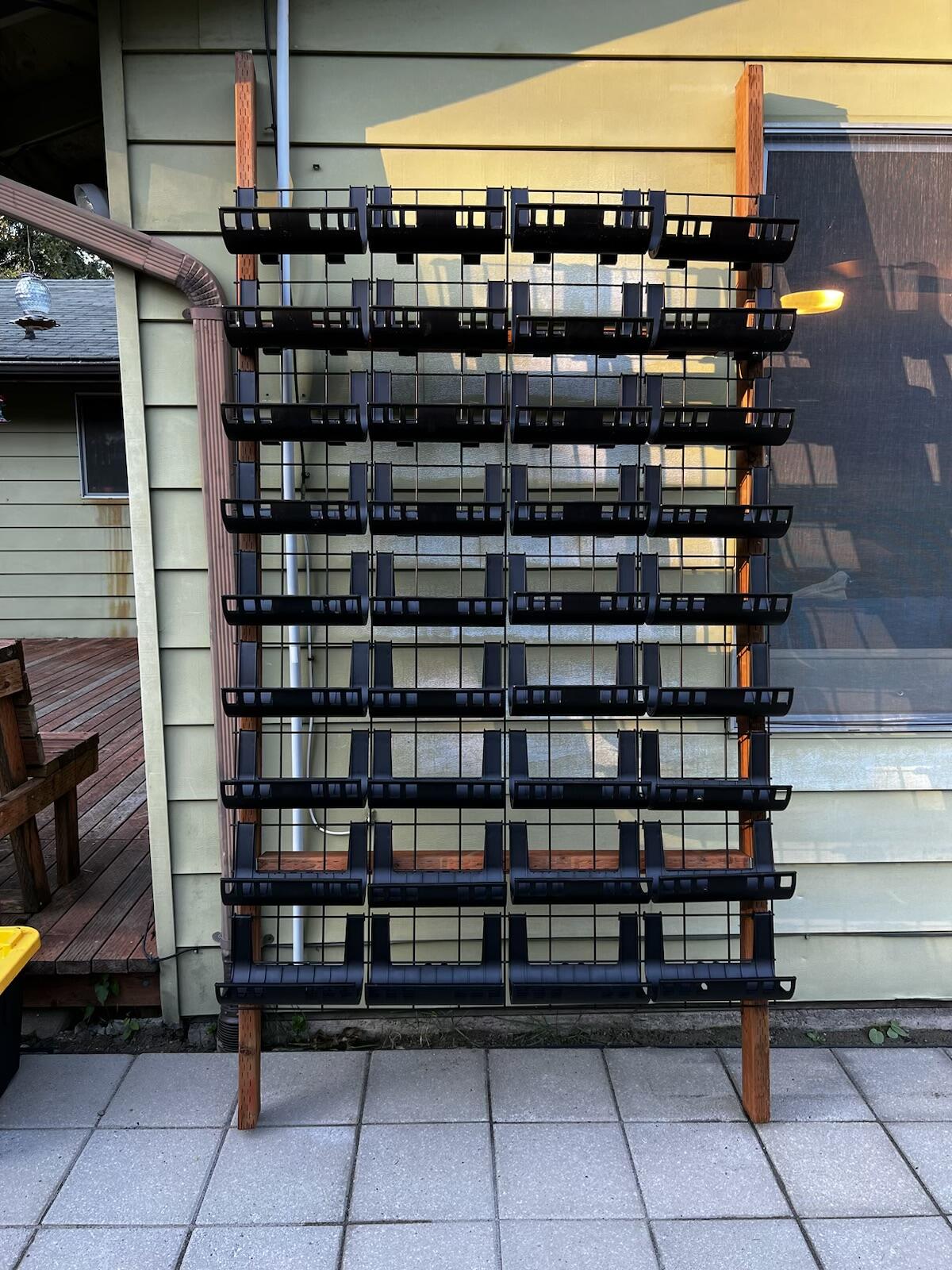
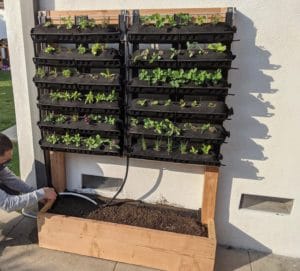
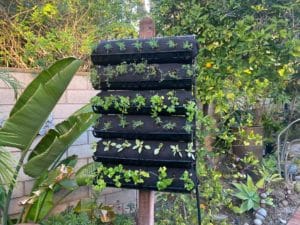
Our Varden Kits are a great solution for those gardening in small spaces and don’t have the luxury of raised beds. Not to mention they are self-irrigated and can be set on timers to water themselves if you are out of town for a few days. From an accessibility standpoint these are great for gardeners with limited mobility. No more bending over to pull weeds and harvest throughout the summer. I hope this blog has been helpful for crop planning and I hope you have a successful growing season!