Varden™ Plantable Retaining Wall FAQ
Save time, money, and the environment. Every part of our Varden System is made in the United States and designed to last for many years – all at a competitive price. Small quantities sell at $16.00 per block and pallet quantities reduce to $15.50 and $15.00 for full pallets of 250 blocks. Our plantable blocks work for everyone, including the beginner gardener, DIY landscaper and professionals wanting to create custom projects for their clients. You can purchase just a 10 block box, multiple boxes of 10, or you can buy larger quantities on pallets to create your own unique Living Retaining Wall (LRW). Landscape professionals can reach out for additional pricing options. We pride ourself on innovation and value that is well thought out! See this helpful blog post from DIY Retaining Wall Design, our wall engineering partner.
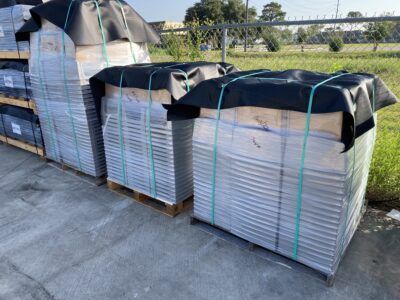
Varden Blocks on Pallets
Environmental Benefits: Less Concrete, More Life!
Traditional concrete retaining walls carry a heavy environmental cost:
- Portland cement production releases massive CO₂ from high-heat kilns and limestone calcination.
- Aggregates must be mined, crushed, and hauled—often multiple times from quarry to plant to jobsite.
- Heavy blocks require diesel trucks and equipment for every project. Varden’s advantage:
- Dramatically lower shipping weight – One compact Varden pallet can build nearly as much wall as a full semi-load of concrete, slashing fuel use and transport emissions per square foot of wall.
- Carbon storage in soil and plants – Every block pocket holds soil that stores carbon as organic matter. Plants take in CO₂ every year, storing carbon in roots and biomass. Over decades, a living Varden wall becomes a long-term carbon sink.
- Cooling and habitat – Planted walls cool the local microclimate through transpiration, intercept rainfall, and provide habitat for pollinators and beneficial insects—benefits bare concrete can never deliver. See our latest blog for tons of detail on this topic.
Bottom line:
Even though PP is a petroleum-based material, the total environmental footprint of a Varden wall—when accounting for reduced shipping, avoided cement impacts, and decades of carbon storage in soil and plants—is typically lower than a comparable concrete wall.
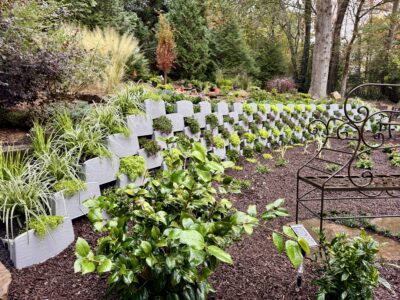
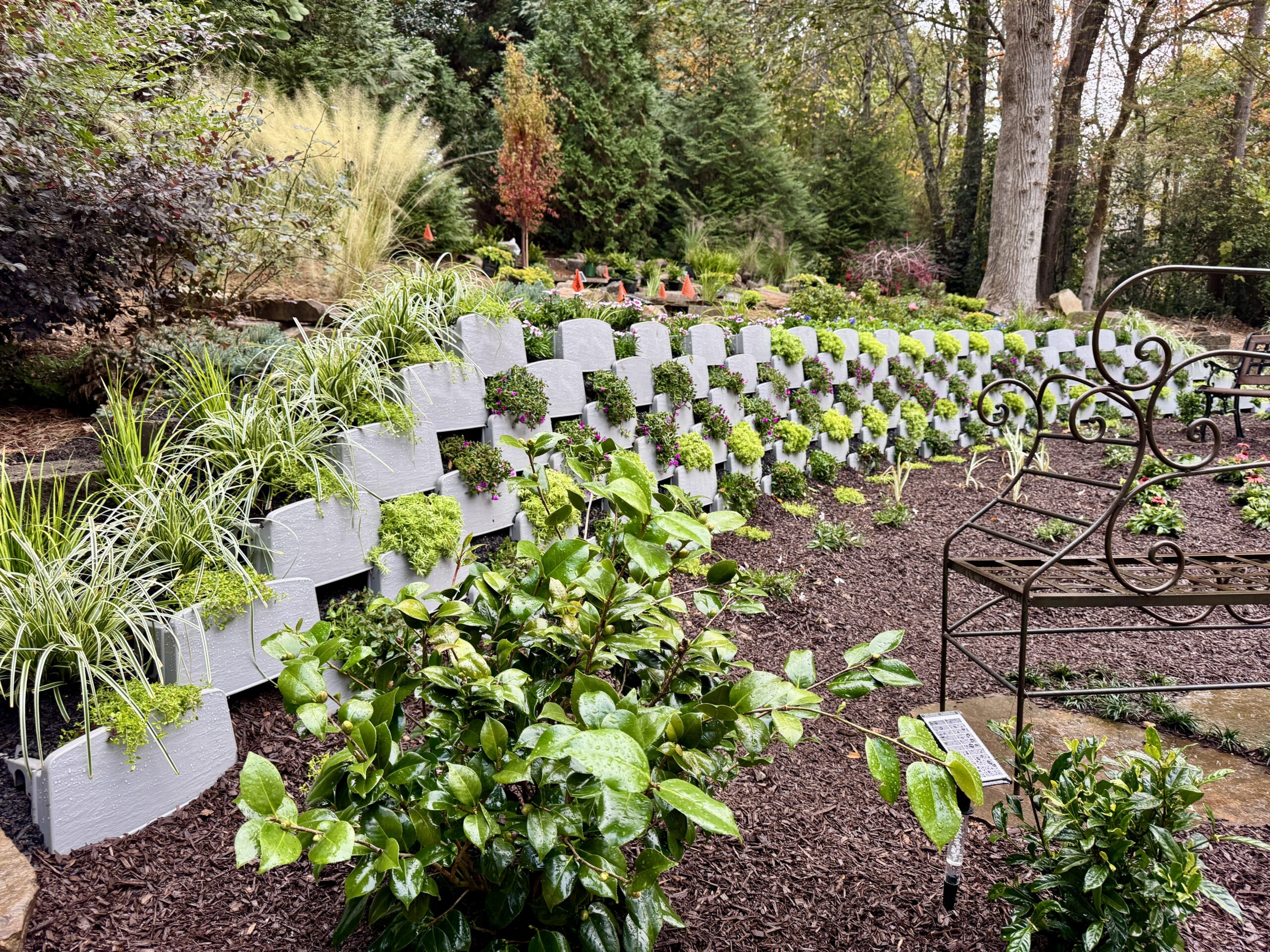
Beautifully Planted Varden LRW
Varden blocks are plastic, but they are a forever use plastic that is stabilized from UV degradation for many years. Based on the thickness of the plastic and the fact that most of the block is buried in the ground, Varden blocks will last as long or longer than concrete once installed. See this short YouTube for more.
Here is a great technical paper that pulls together all the plastic vs concrete details.
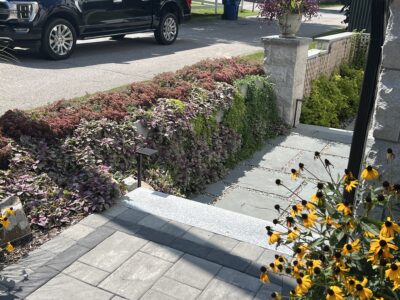
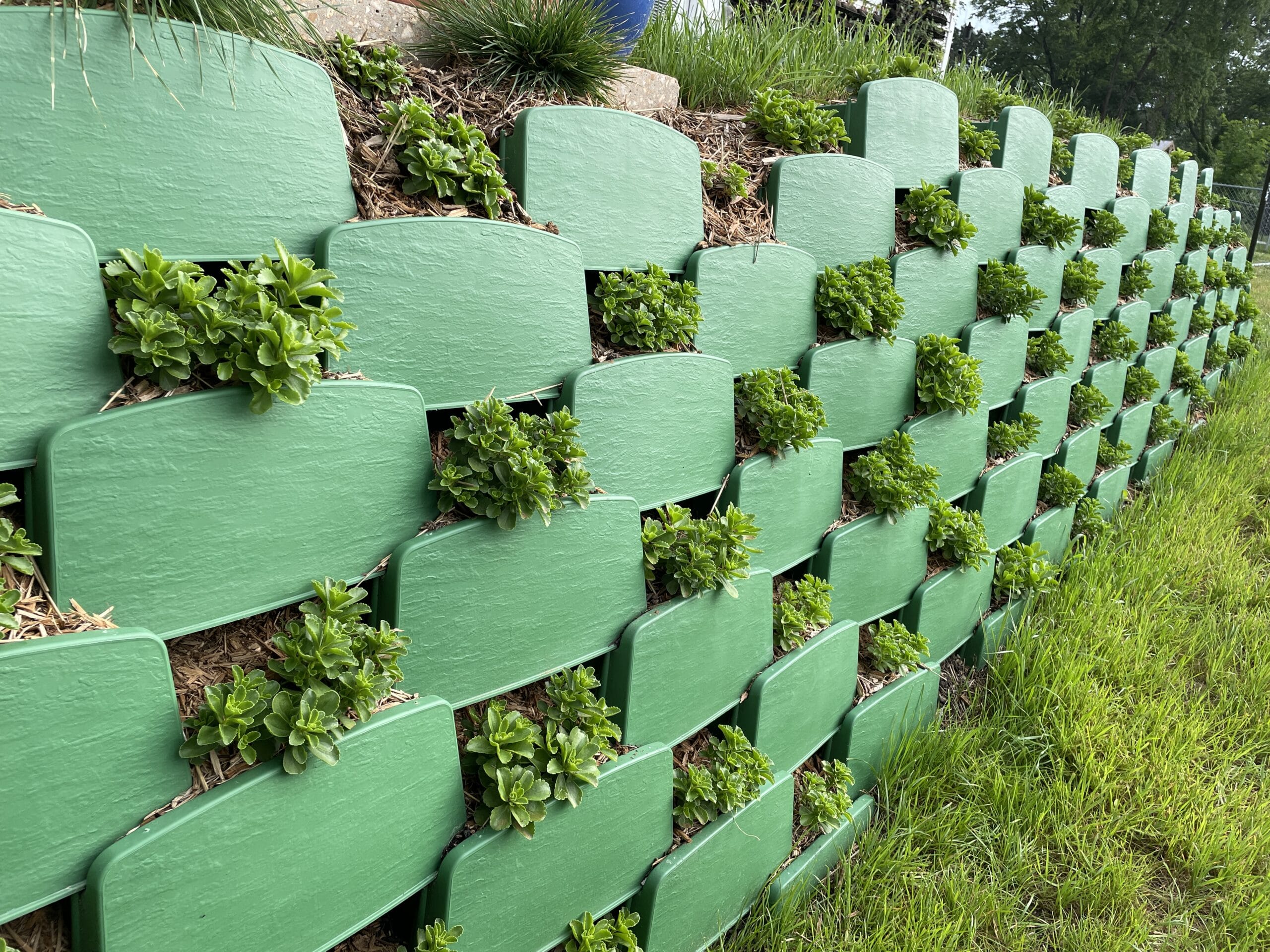
Varden Planted Wall in Rhode Island
We have technical papers that specifically address our use of plastic for our Varden Retaining Wall Blocks and how it compares to traditional concrete blocks for similar uses in the landscape.
For DIY customers and Landscape Installers click here.
For Engineers, Architects and Specifiers click here.
There are many small concrete retaining wall blocks out there, but their functionality is limited due to the fact that the pieces are so small and there’s really no way to reinforce them with geogrid. Full size concrete retaining wall blocks can weigh between 50 lbs. up to over 100 lbs. They are capable of building geogrid reinforced walls up to 30- 50 feet tall, but are costly to ship and take up vast amounts of space on the project site once delivered. Since Varden™ blocks cover one full square foot each and can be reinforced with geogrid material, the utility of these blocks is beyond anything in the lightweight sector. We have successfully tested Varden™ Block walls up to 10 feet tall and recommend their use for most landscape walls up to 8′, so not as large a height range as concrete but plenty for plantable landscape scale retaining walls. See our Wall Detail booklet here.
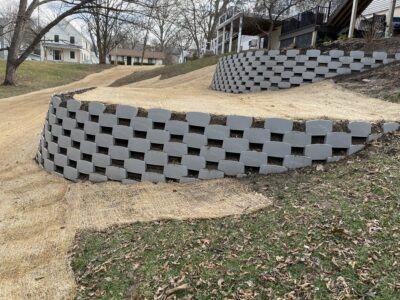
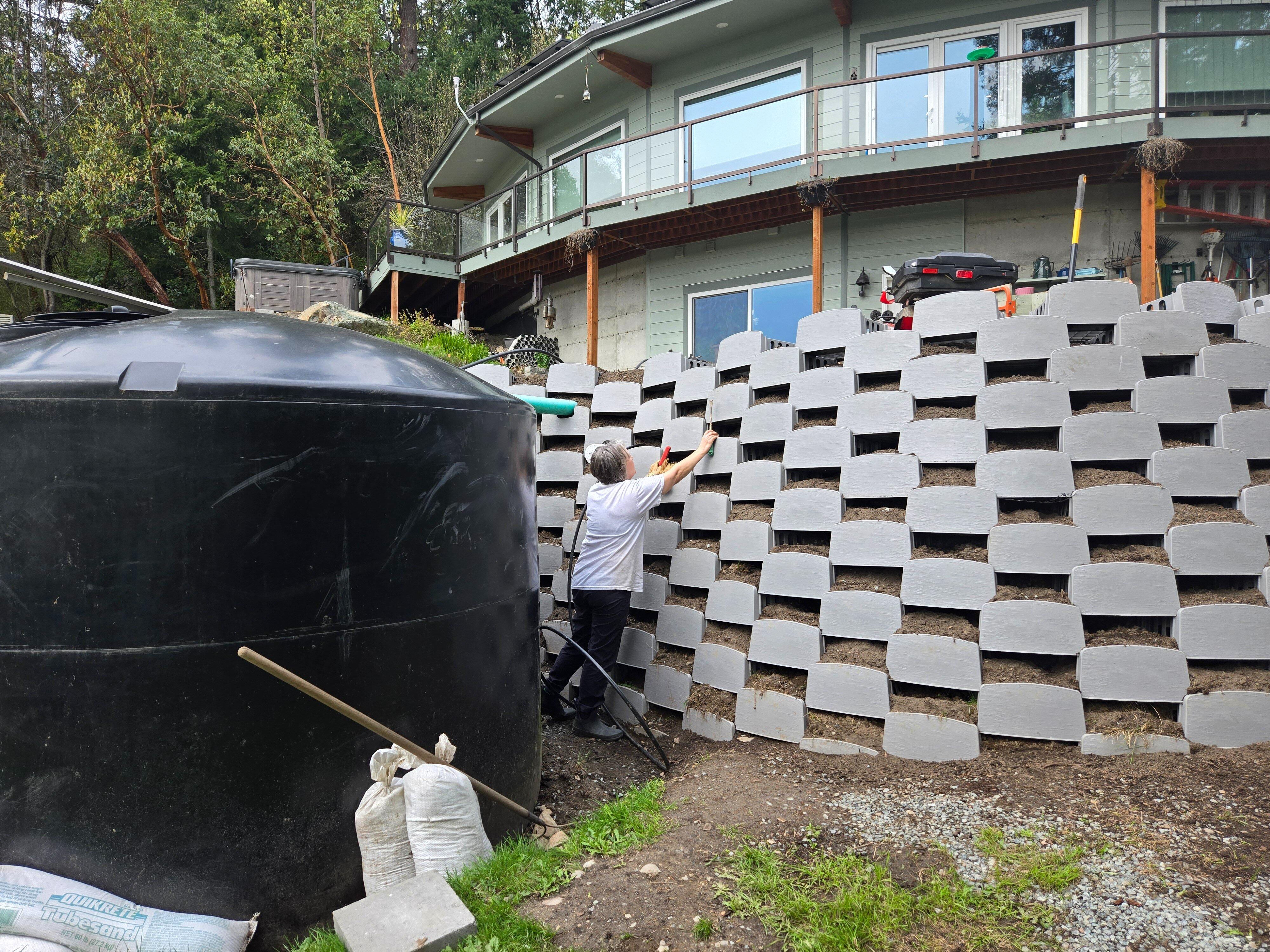
New Varden Installation
🌱We make it easy with our Varden™Retaining wall materials calculator for walls up to 5′ tall. Click the link here and then input the average height and length of your plantable wall project. The calculator gives you a material quantity and estimated cost for the project.
For wall of varying heights or walls over 5′ tall, contact us for additional support and engineering designs that we can cost out for you.
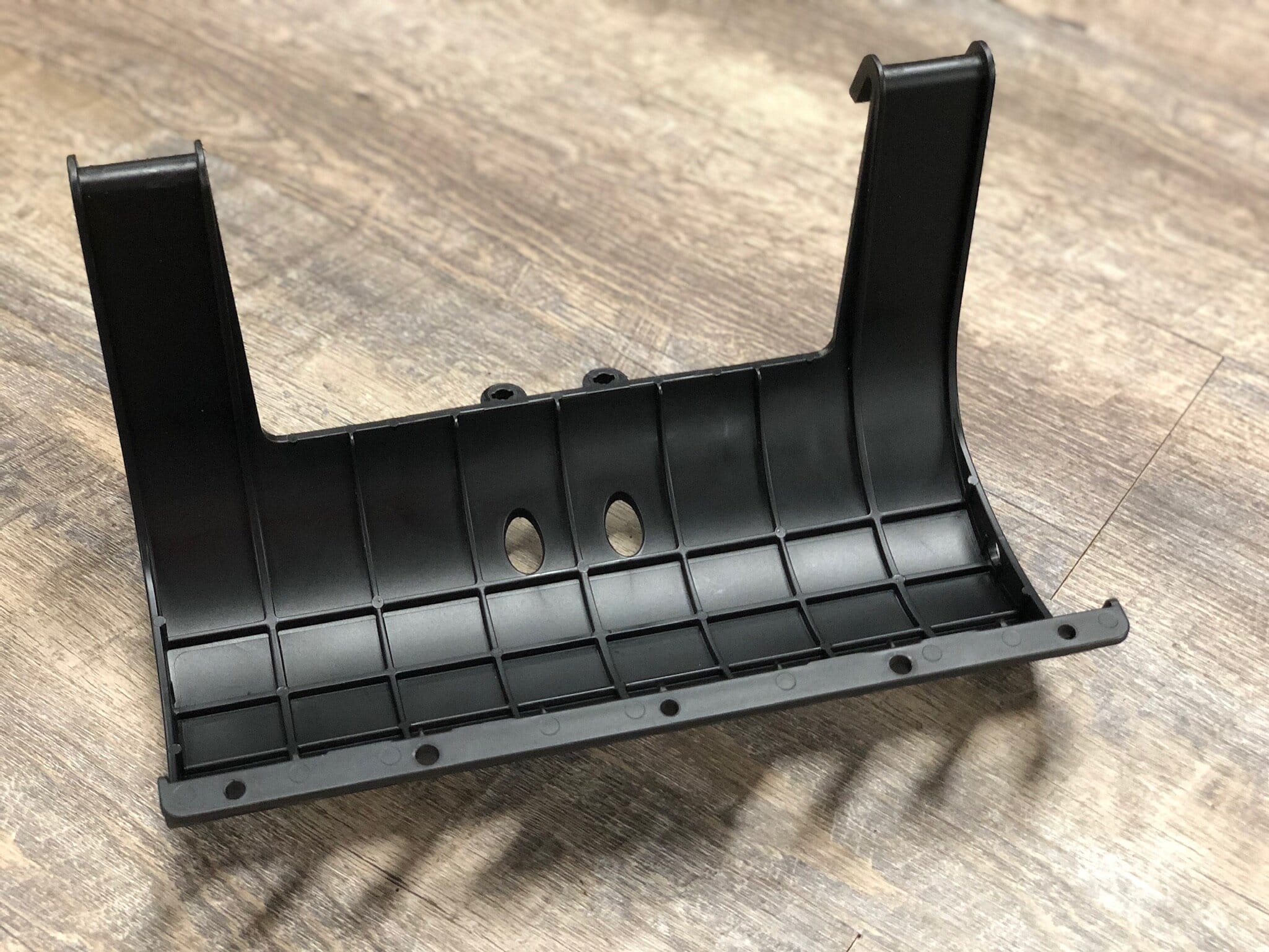
Each Varden™ living retaining wall block covers 1 square foot (sf) of wall face. Since the blocks are 14″ deep and open on the sides and bottom, it will take 1 cubic foot (cf) of soil per sf of wall face to fully backfill the modules and the space between the modules. For example, a 250 sf wall will take 250 blocks and will use 250 cf of soil to fill the blocks in the wall facing. Essentially the wall face is all soil and that’s great news for the vegetation you will plant into the wall blocks!
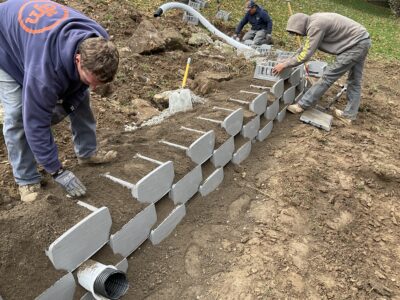
Huge Soil Volume
Our website has a category in the shop just for our Varden plantable blocks and related components. It’s a fast read for price and if you click on one of the block count options you can see more detail on the blocks, customer reviews and more. Here is the link to the category.
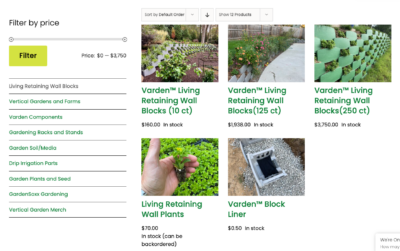
LRW Shop Category
There are several plantable systems available these days and it’s great to compare their features and benefits. You can see some of the most popular compared in this helpful chart as part of one of our recent blogs posts. Exploring Plantable Retaining Wall Systems.
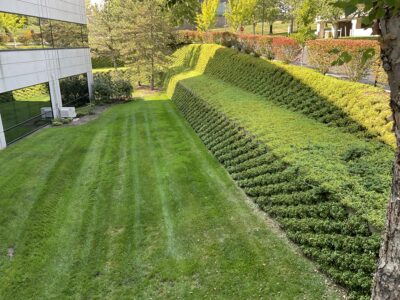
Commercial Function and Beauty
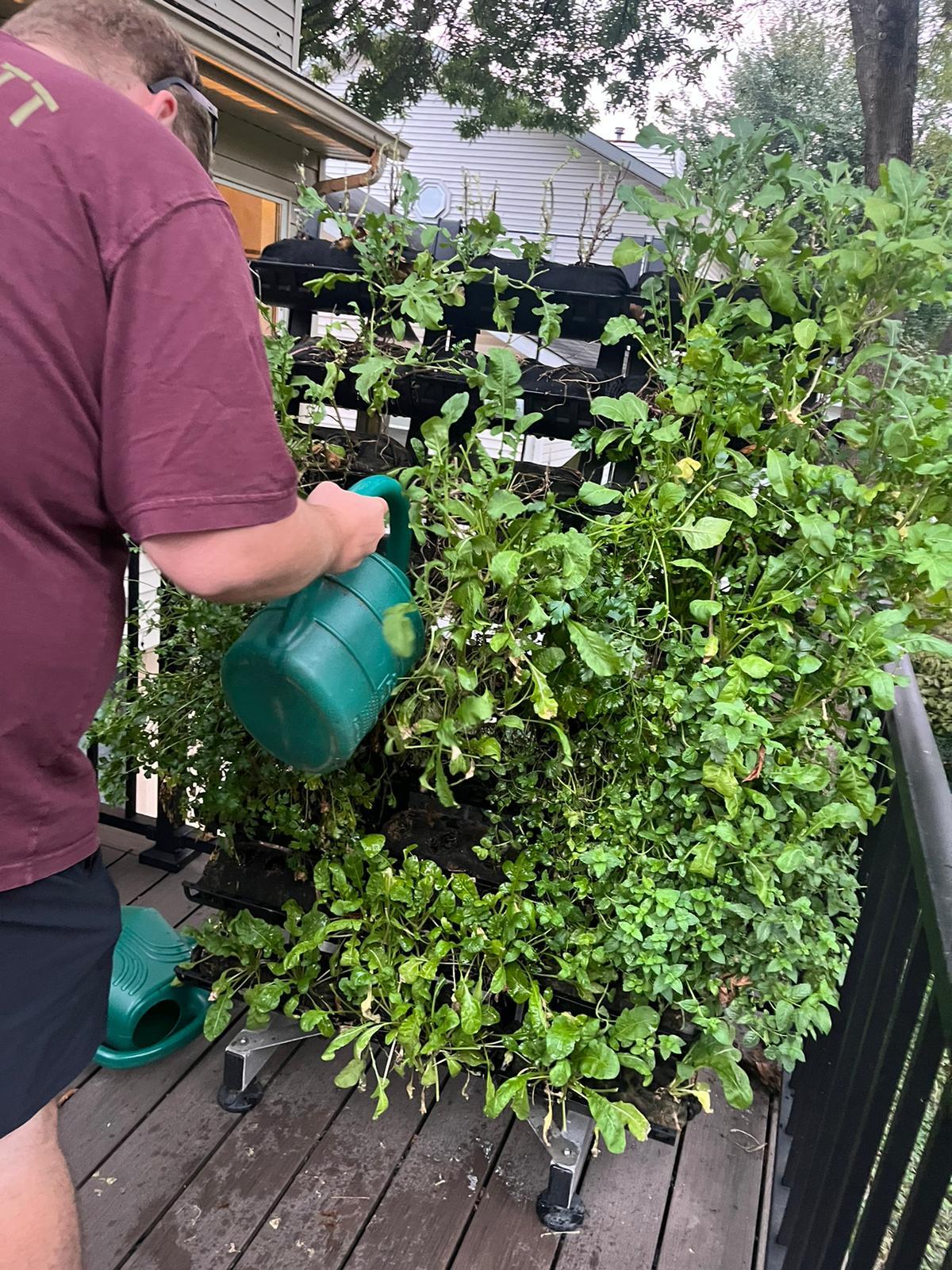
Every region of the country is different and will have locally available plant species that will thrive in your Varden living retaining wall blocks. We have great experience with perennial ground covers for long term coverage and ease of maintenance. We offer 3 bullet proof species here and many varieties of Sedum work great, as do Grasses, or Vines such as ivy, vinca, honeysuckle and euonymus. Spice it up with some edible plants and annual flowers mixed in as well!
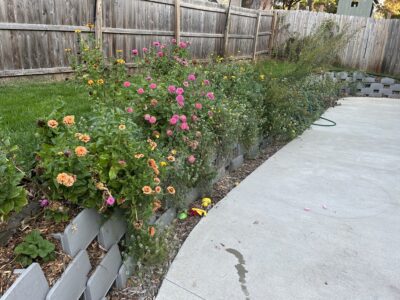
Colorful planting of Varden LRW
We have several helpful playlists on our Youtube Channel and this link will take you directly to Mark giving answers to the most popular ones concerning the Varden™ Blocks. He is the inventor and has many patents in the retaining wall market spanning over 30 years. The Varden™ Blocks are the culmination of his entire career and he has lots to say about the environmental need for “greening” retaining walls and the utility of his designs.
Varden YouTube Channel