Exploring Plantable Retaining Wall Systems:
A Guide to Living Retaining Walls and Greener Landscaping
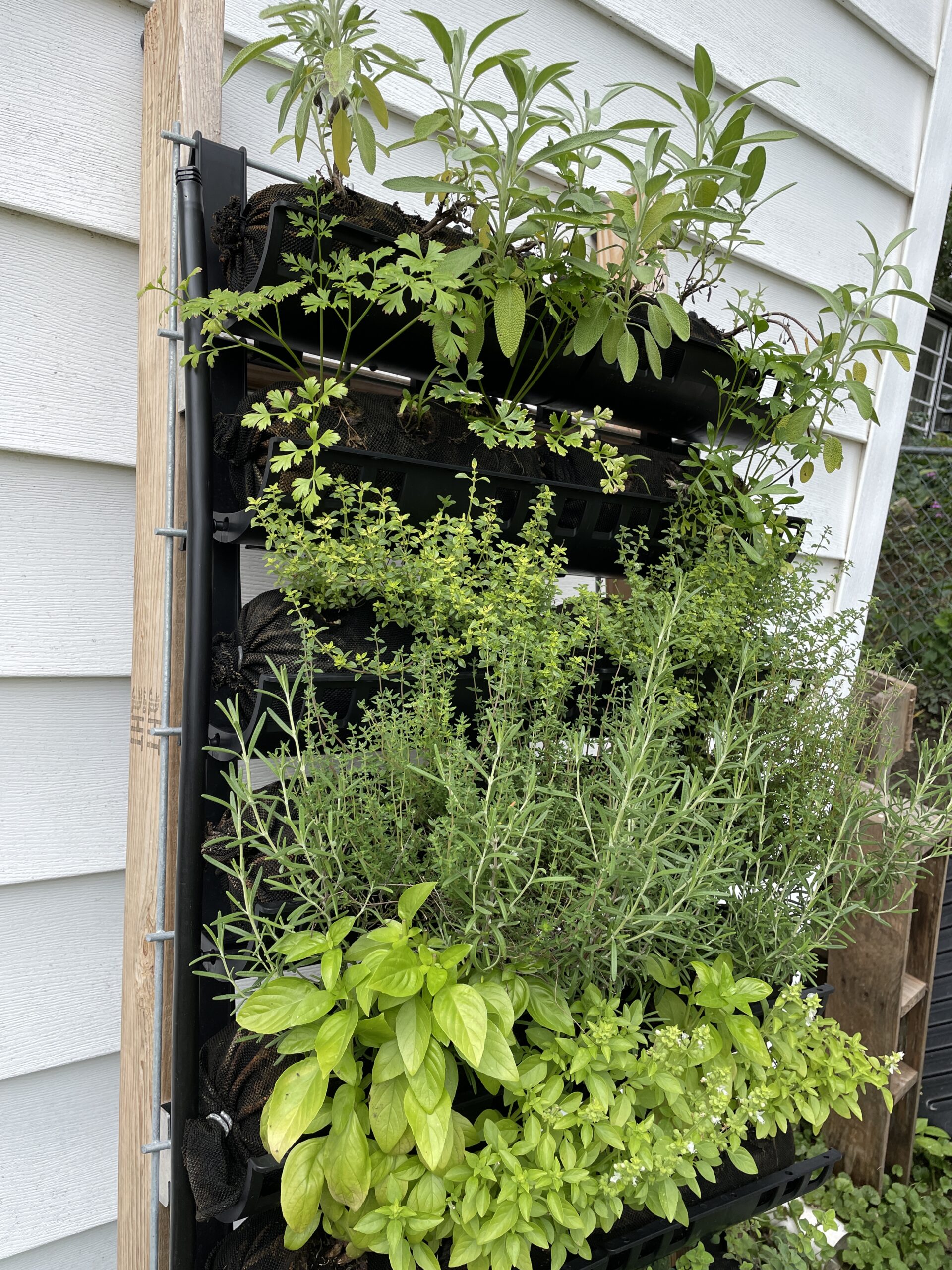
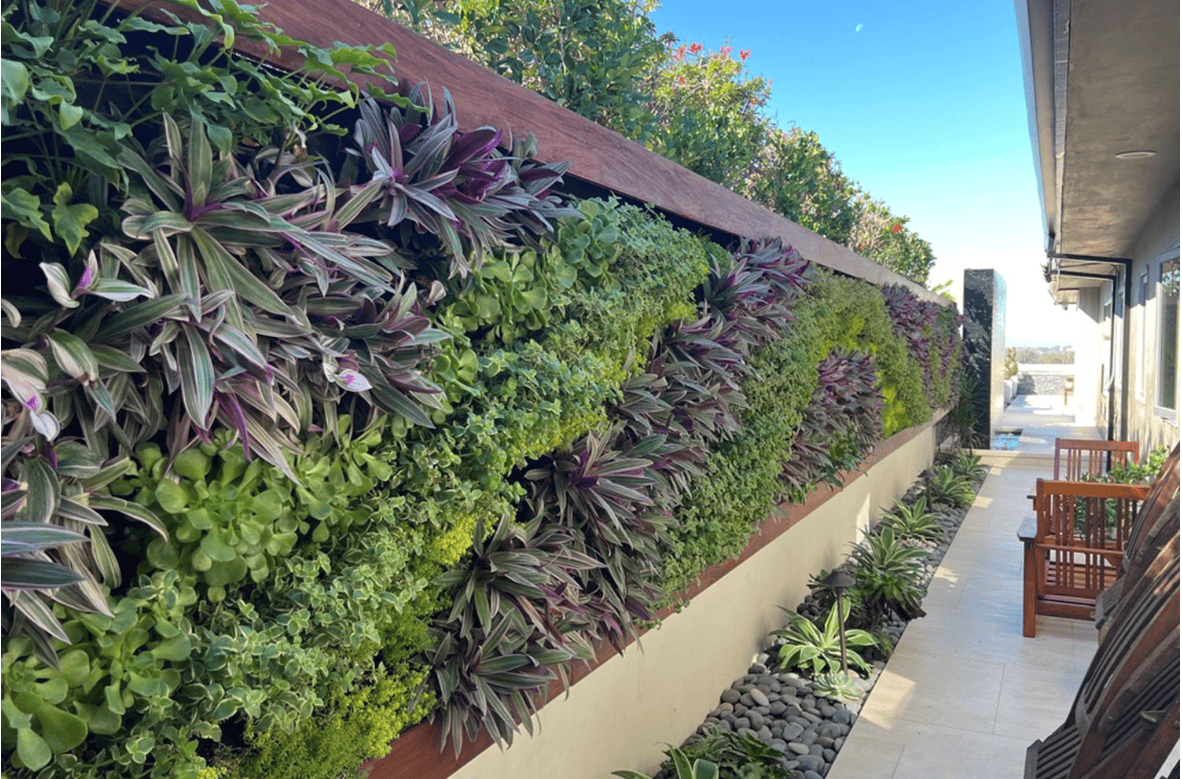
In an era of sustainable landscaping and eco-friendly hardscaping, retaining walls are evolving beyond basic soil retention. Plantable retaining walls—also known as living retaining walls or vegetated retaining walls—integrate vegetation directly into the structure, creating beautiful, functional features that boost biodiversity, combat erosion, reduce urban heat, and enhance curb appeal. These green retaining wall solutions turn sloped yards, hillsides, and urban spaces into thriving vertical gardens.
Concrete modular blocks have dominated with retaining wall market since their introduction in the early ’90s. Since that time, much innovation has come to their manufacturing in terms of brand options, color, texture and size. However, virtually no innovation has has been seen in ergonomics, shipping & handling, and most importantly…..environmental service. Today there are many options for plantable retaining walls that benefit humans and their environment.
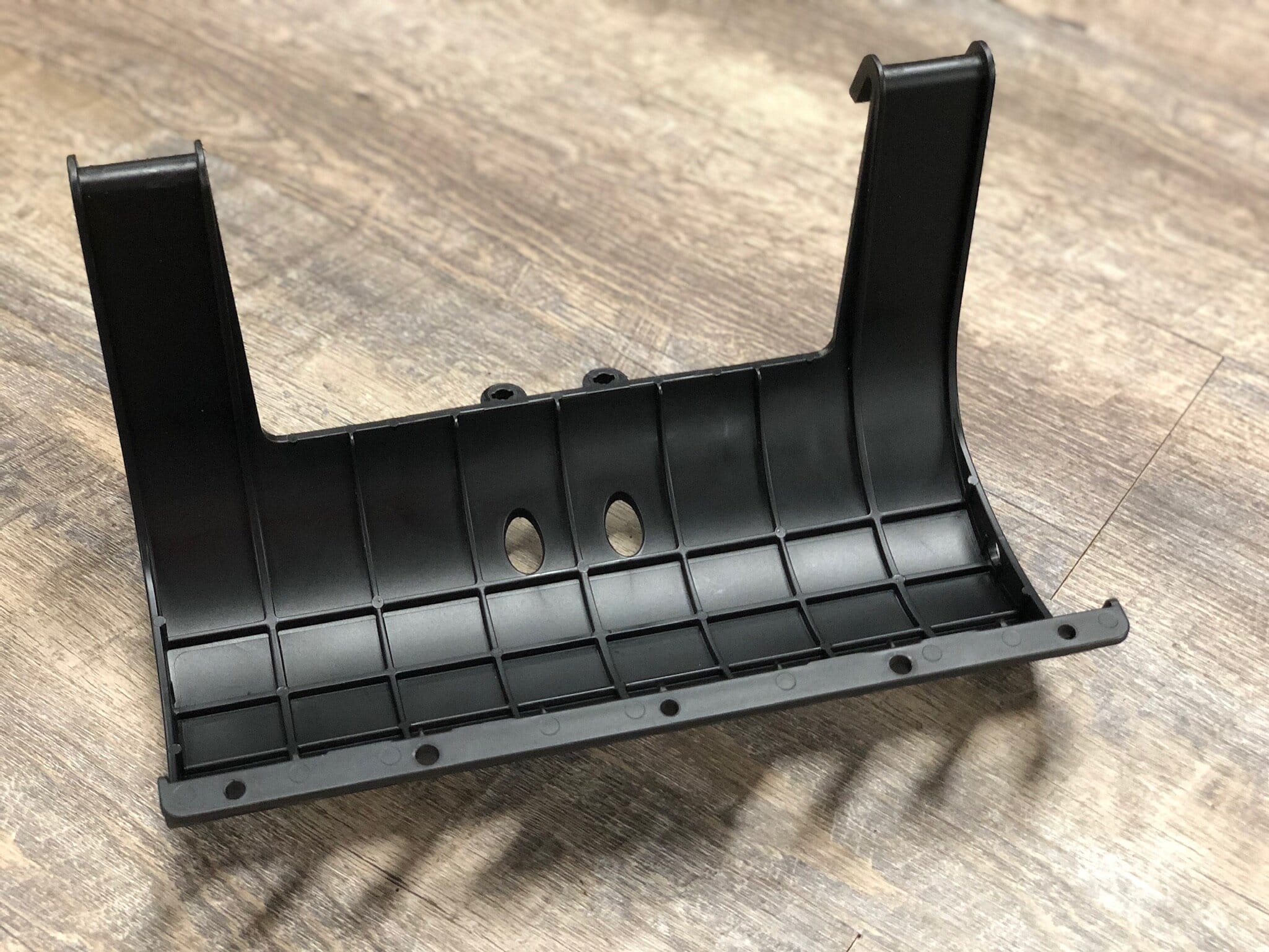
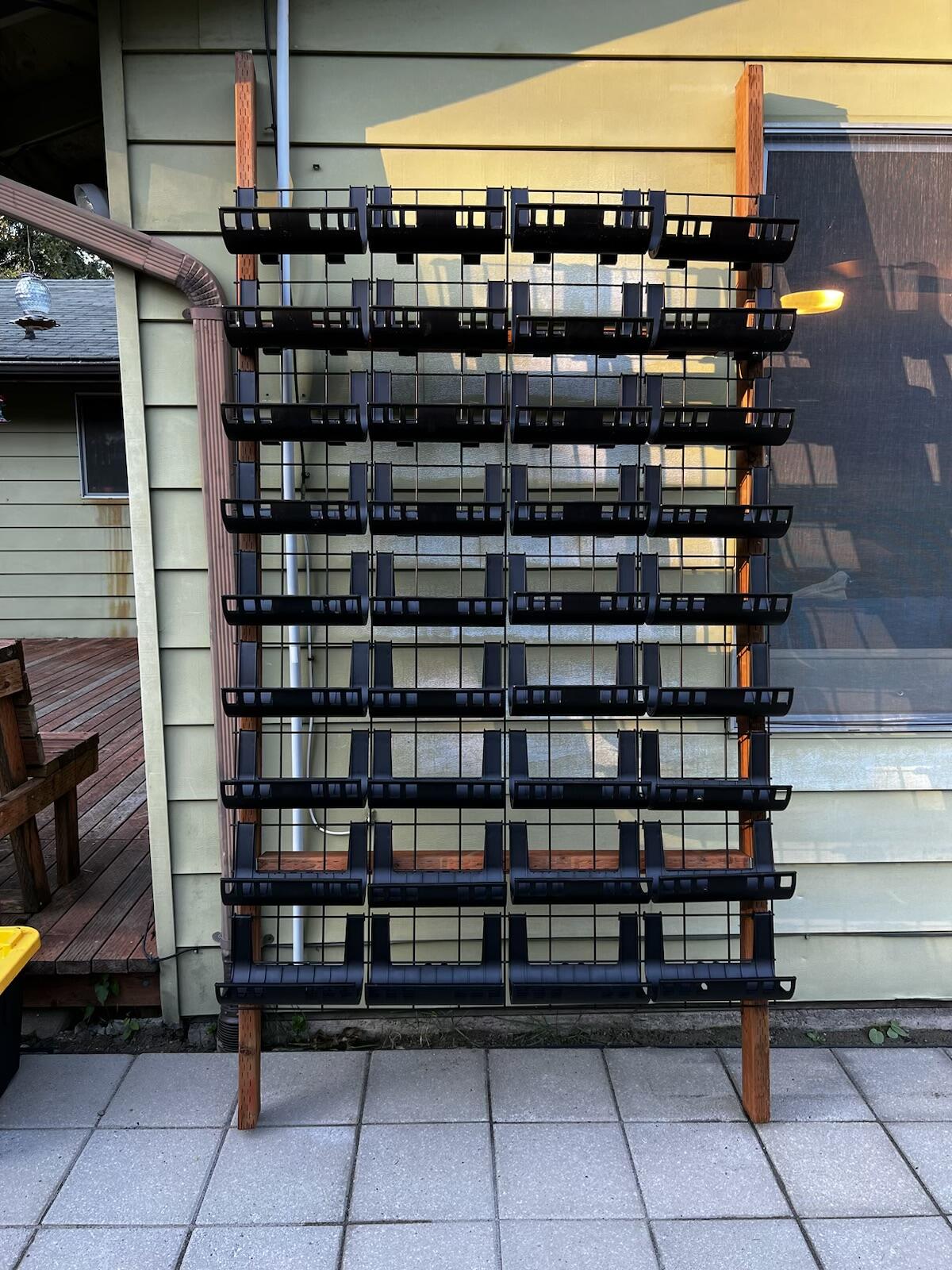
At Verdtech, Inc., we specialize in innovative plantable retaining wall blocks that make building living walls simple, lightweight, and highly effective. Our blocks deliver unmatched soil volume for healthier plants while reducing the need for heavy machinery. In this guide, we’ll compare top plantable retaining wall systems, spotlight key factors like soil volume in planting pockets, and show why Varden stands out for DIY retaining walls and professional landscaping projects.
Why Soil Volume Is Key for Plantable Retaining Walls:
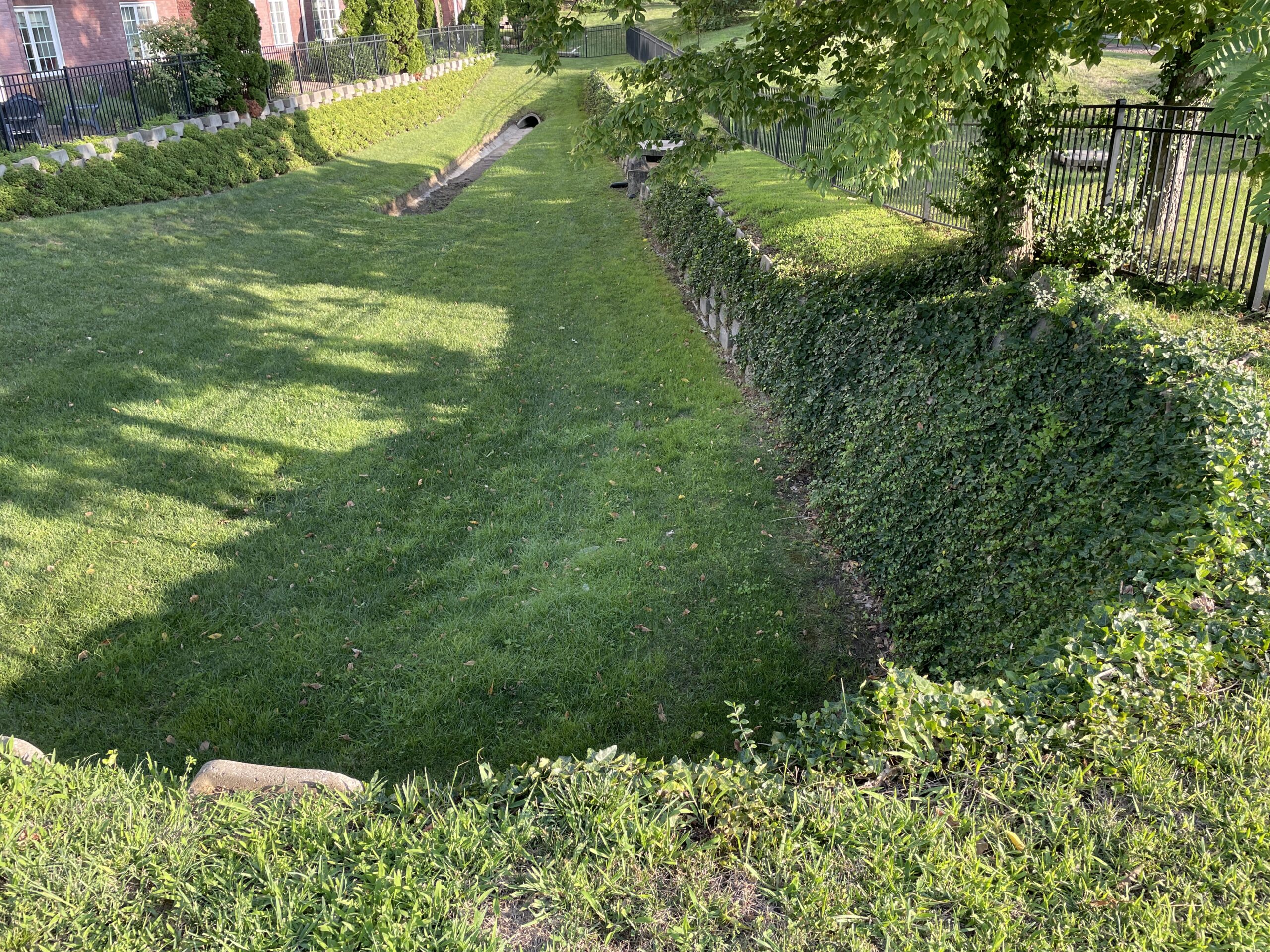
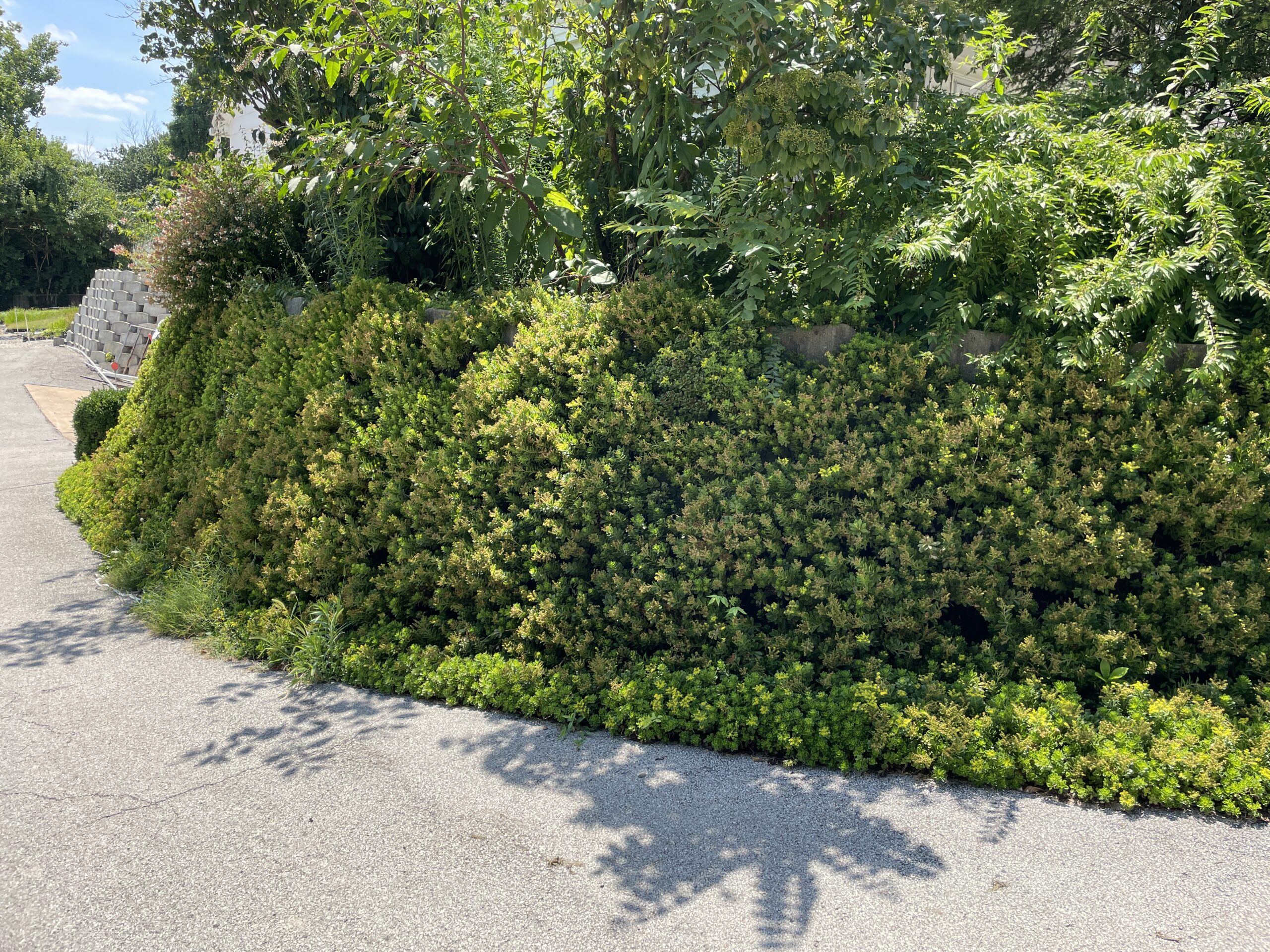
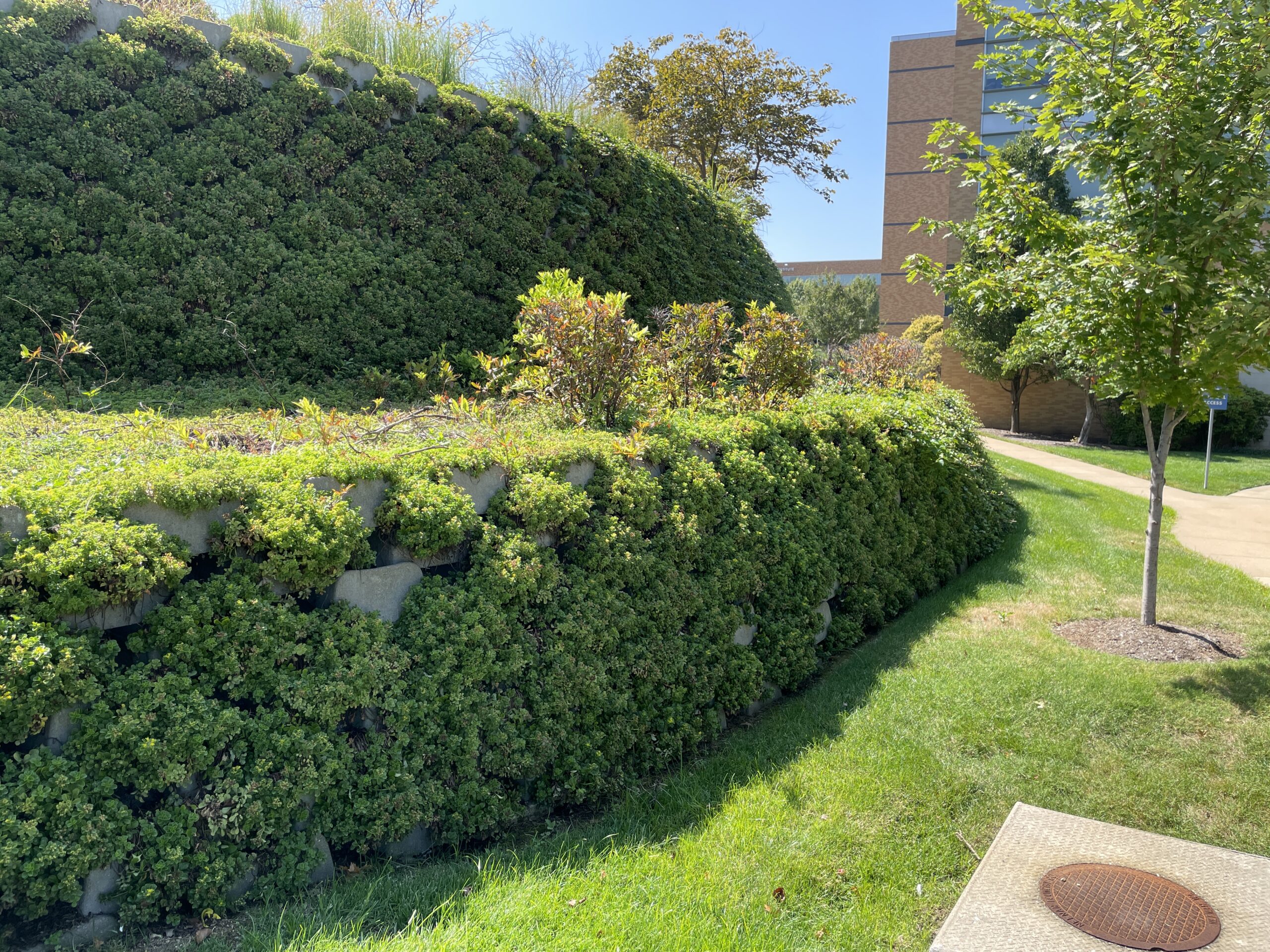
The amount of soil in planting pockets or voids directly impacts root growth, water retention, plant variety, and long-term wall health. Higher soil volumes support deeper roots, better drought resistance, and diverse greenery—from flowers to shrubs. Many concrete systems limit pockets for structural reasons, while Varden’s design maximizes soil at 1 cubic foot per square foot of wall face—ideal for truly vibrant green retaining walls.
Whether you’re searching for retaining wall ideas with plants, vegetated retaining walls, or erosion control with greenery, this comparison will help you choose the best option.
All data reflects manufacturer specs as of 2026—check current details with suppliers.
Quick Comparison Chart: Plantable Retaining Wall Systems
| System | Material | Soil Volume (per sq ft or block) | Typical Block Weight (lbs) | Face Coverage per Block (sq ft) | Key Notes for Landscaping Projects |
|---|---|---|---|---|---|
| Varden (P100) | Lightweight Plastic | 1 cu ft per sq ft | ~3 | ~1 | Deep pockets for robust roots; easy DIY installation; perfect for vertical gardens and sustainable landscaping. |
| Verdura® (Soil Retention) | Concrete | High access via open-face (backfill-dependent) | 50-80 | ~1.25 | Excellent for erosion control and natural rooting in MSE walls. |
| Keystone Plantable II | Concrete | ~0.25 cu ft per block | 75 | ~1 | Compact cavity for 1-gallon plants; great for modular retaining wall landscaping. |
| MagnumStone Plantable | Concrete (Hollow-Core) | ~0.4–0.8 cu ft per sq ft (up to 6.35 cu ft total voids) | 1,000-2,000 | ~8 | Deep pockets for shrubs/trees; suited for tall reinforced retaining walls. |
| VERSA-Green® (Versa-Lok) | Concrete | 0.1–0.2 cu ft per block (6″ deep) | ~70 | ~1 | Irrigation-friendly pockets for hanging garden effects in hardscape design. |
| Hercules™ (Midwest Block) | Concrete | 0.3–0.7 cu ft per sq ft (open module) | 80-100 | 0.67–1.5 | Flexible soil compaction for mid-height vegetated walls. |
| GroWall / Envirolok | Geotextile Bags (Non-Concrete) | ~1+ cu ft per unit | N/A (soil-filled) | Varies | Fully natural, habitat-boosting alternative for eco-friendly retaining walls. |
Varden’s superior soil-to-coverage ratio and featherlight design make it a top choice for homeowners and pros seeking easy-to-install plantable walls without sacrificing plant health. Ready to build your own living retaining wall? Explore Varden’s lightweight blocks, installation tips, and more at www.verdtech.com.
Spotlight on Leading Plantable Retaining Wall Systems
Here’s a closer look at each system, with visuals focusing on planting pockets and real installations.
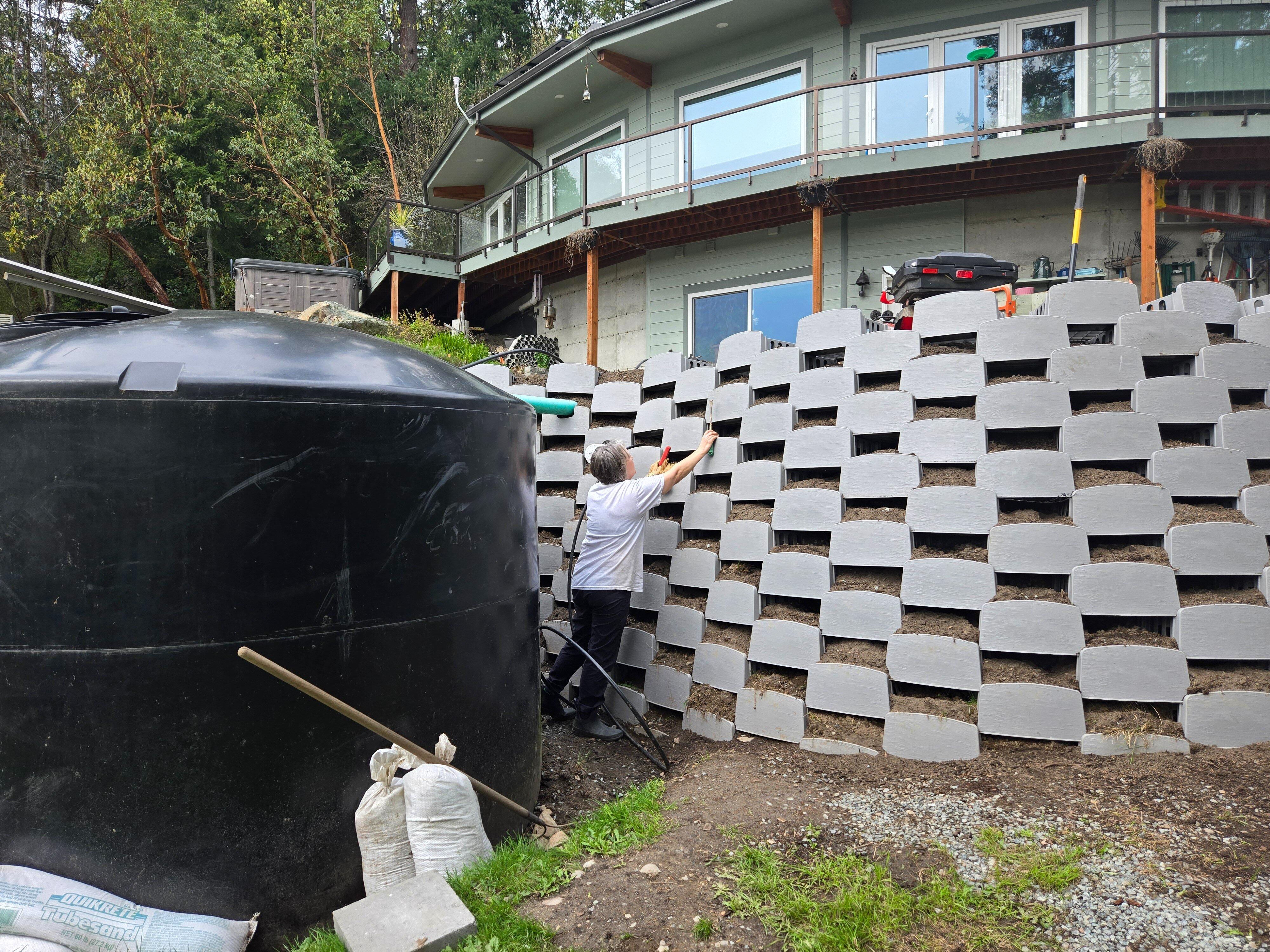
Varden™ Vertical Gardens: Lightweight Leader in Living Retaining Wall Blocks (LRW’s)
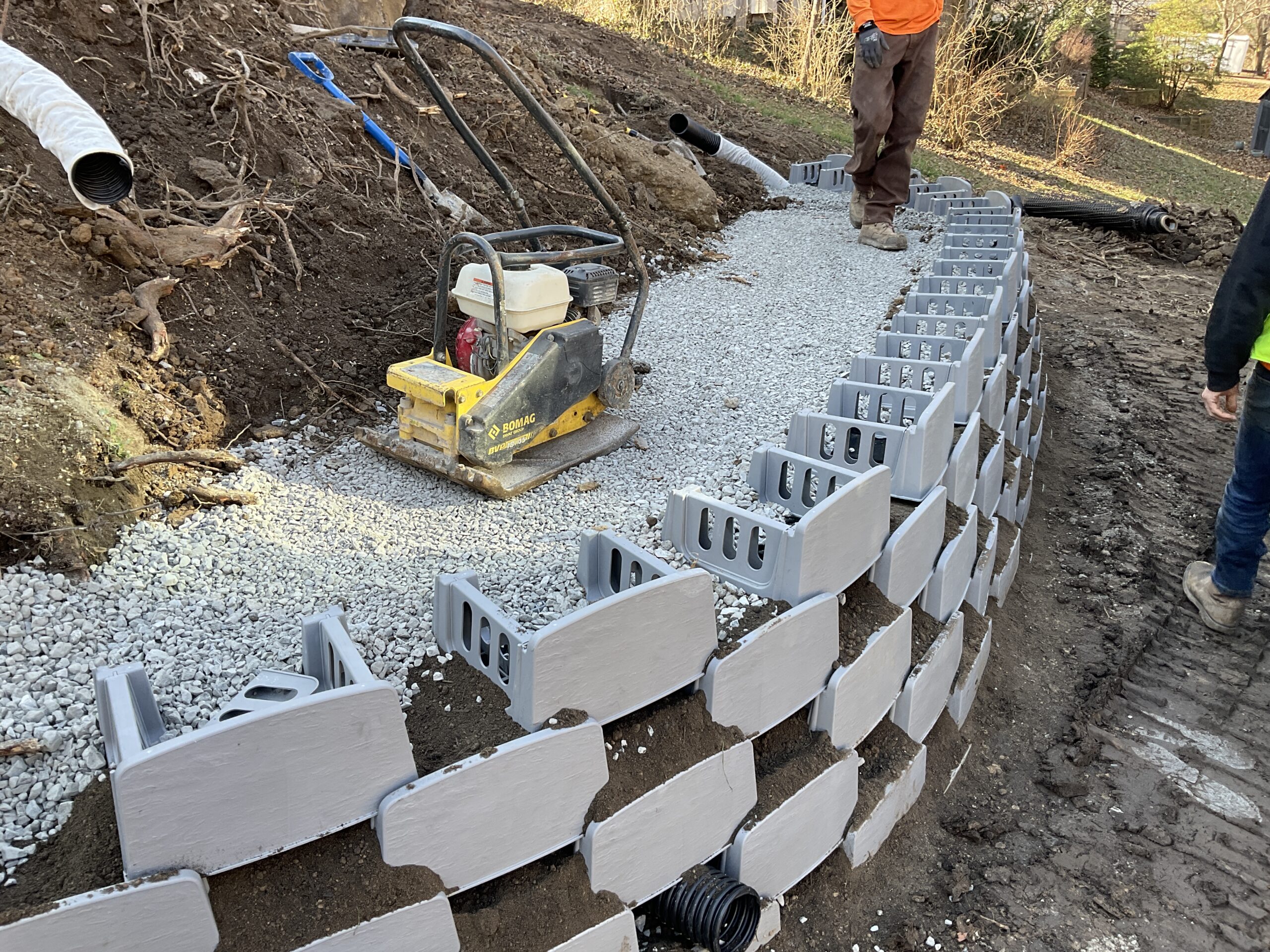
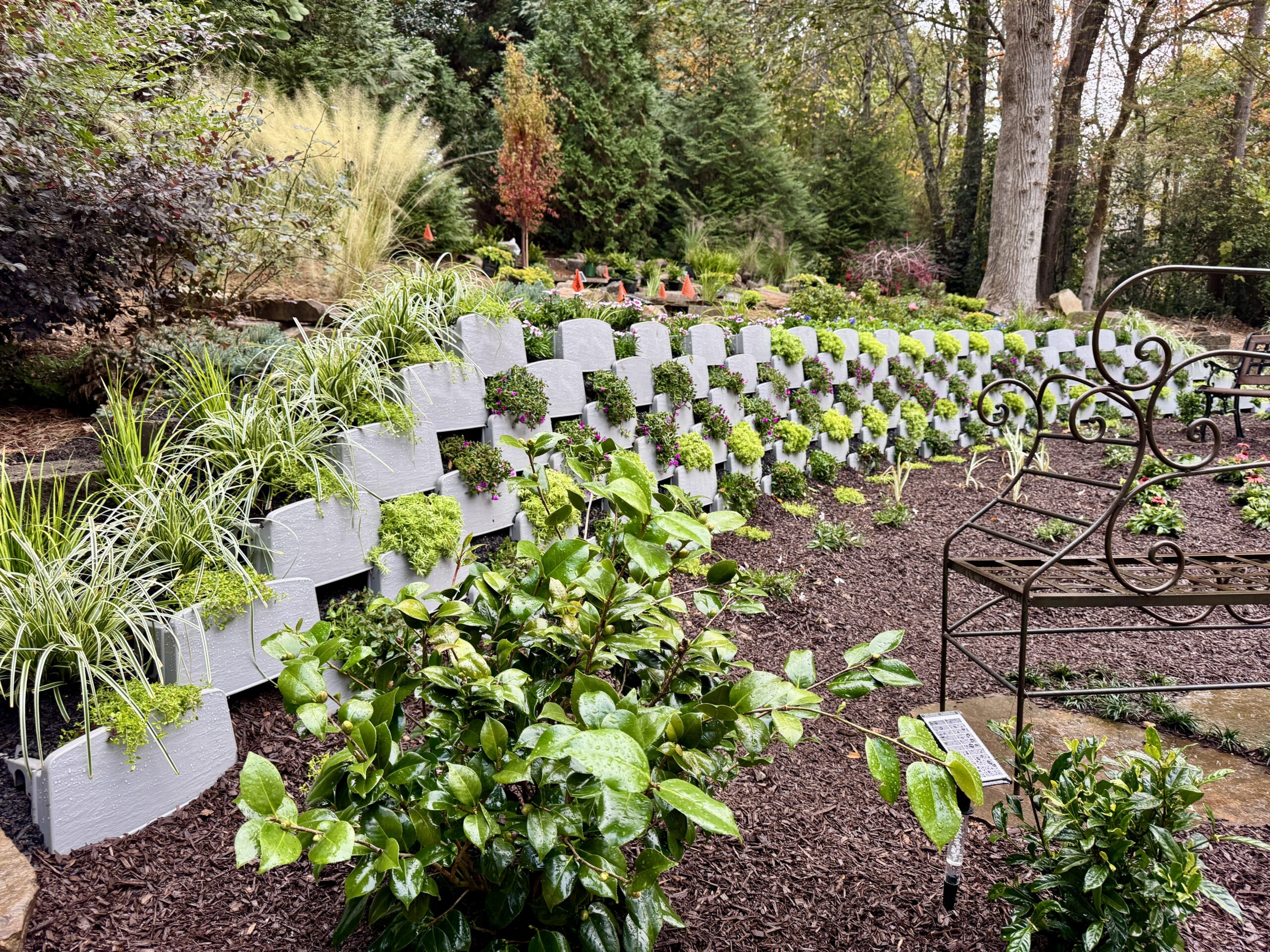
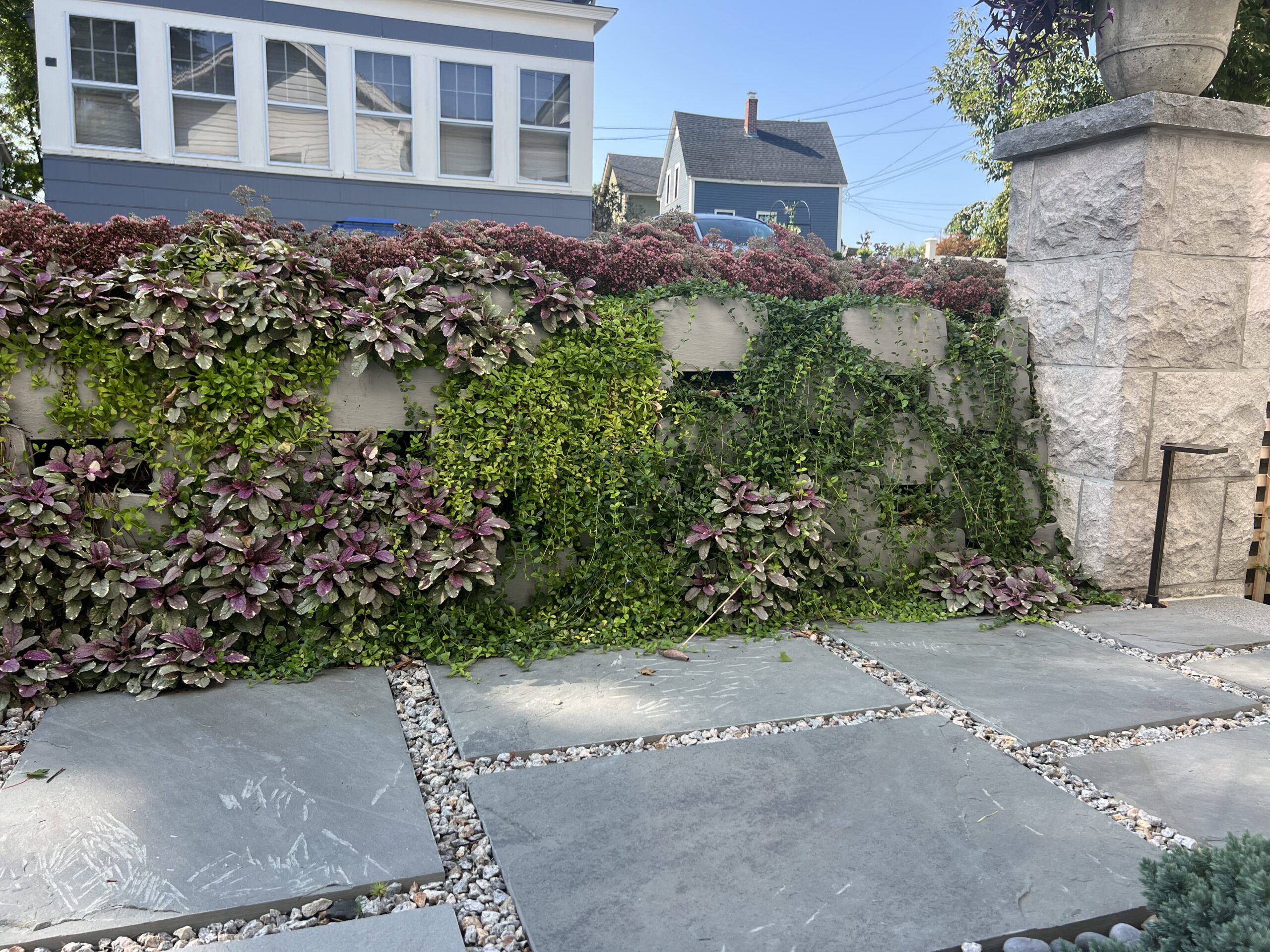
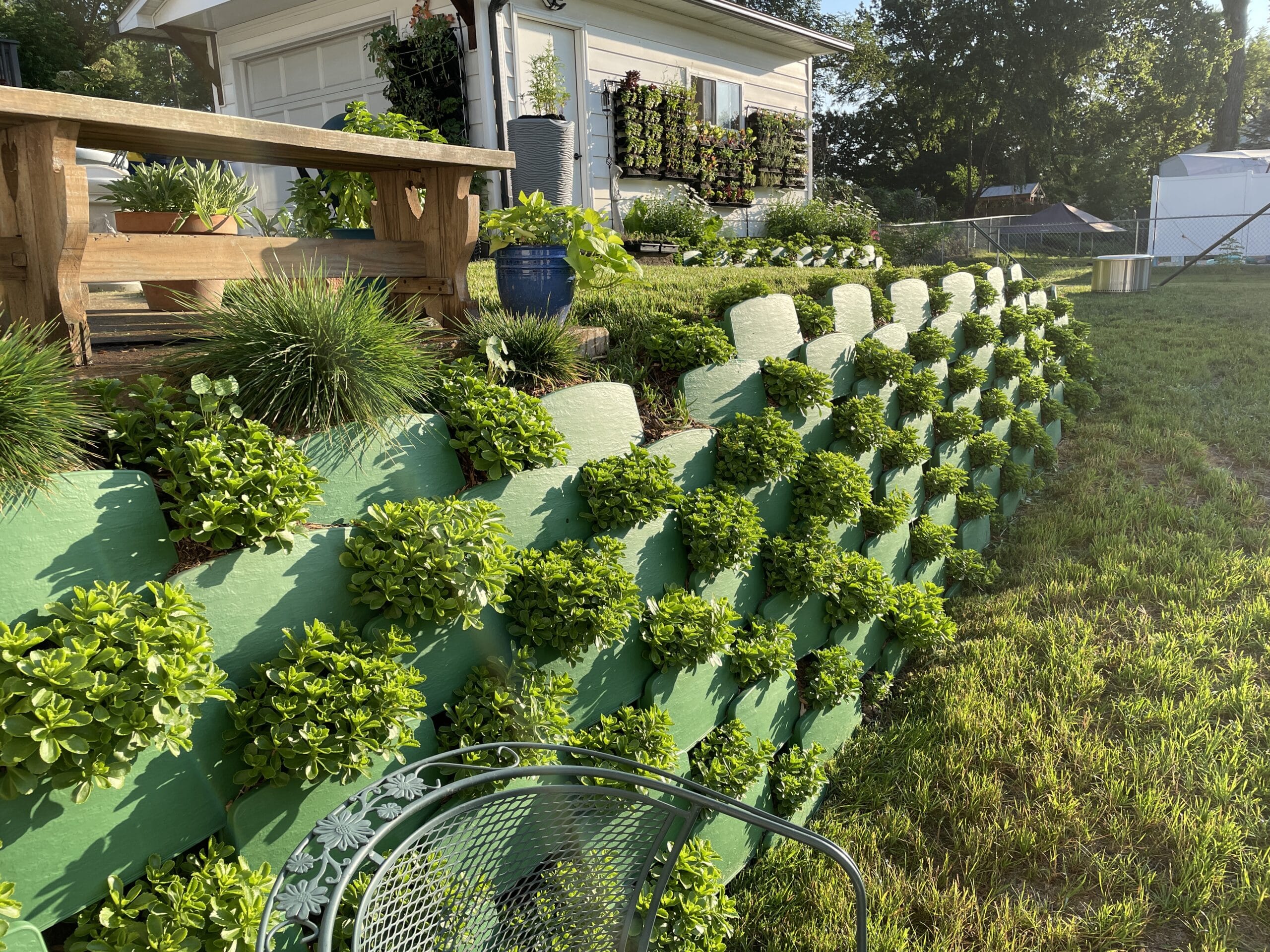
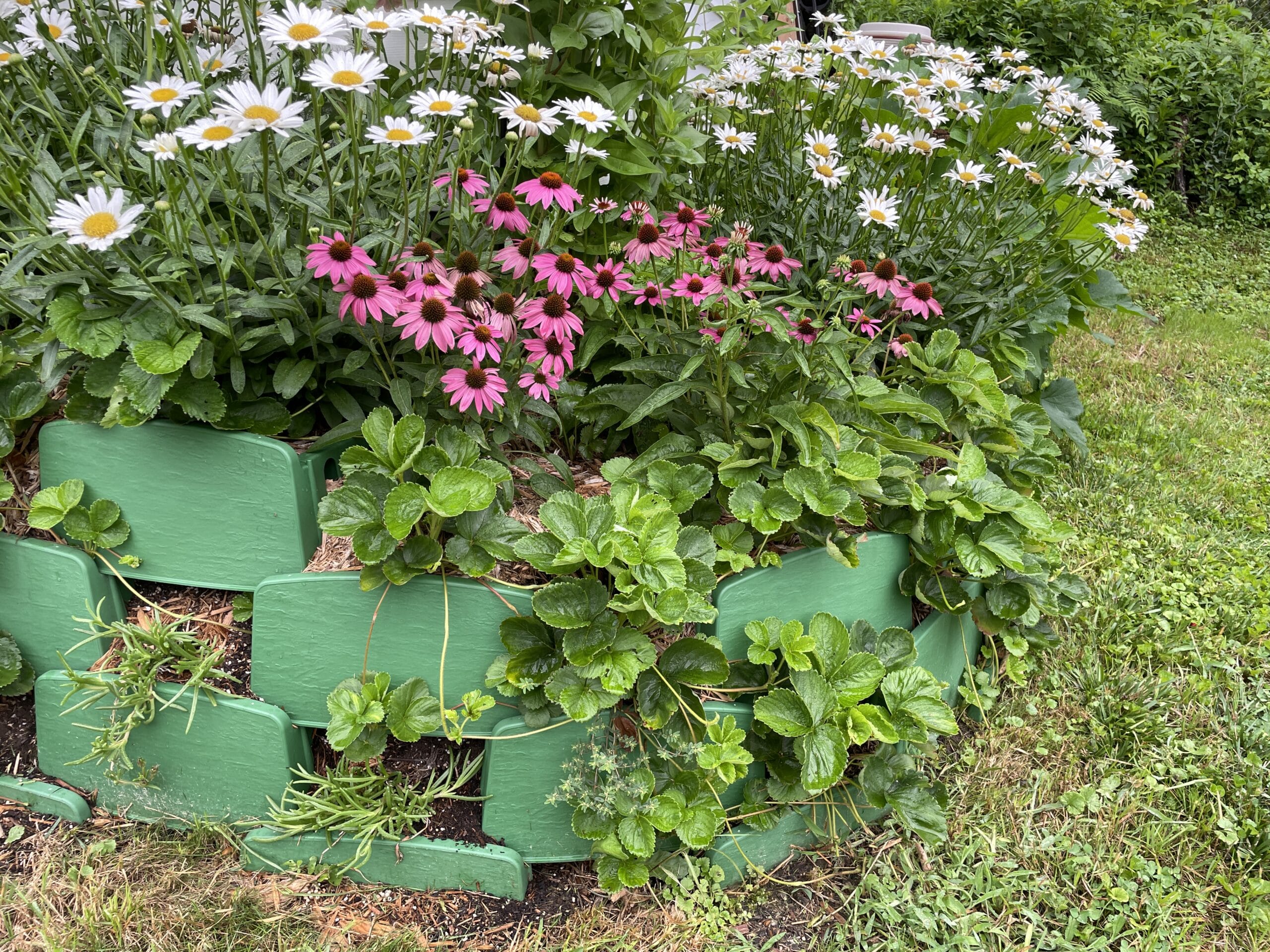
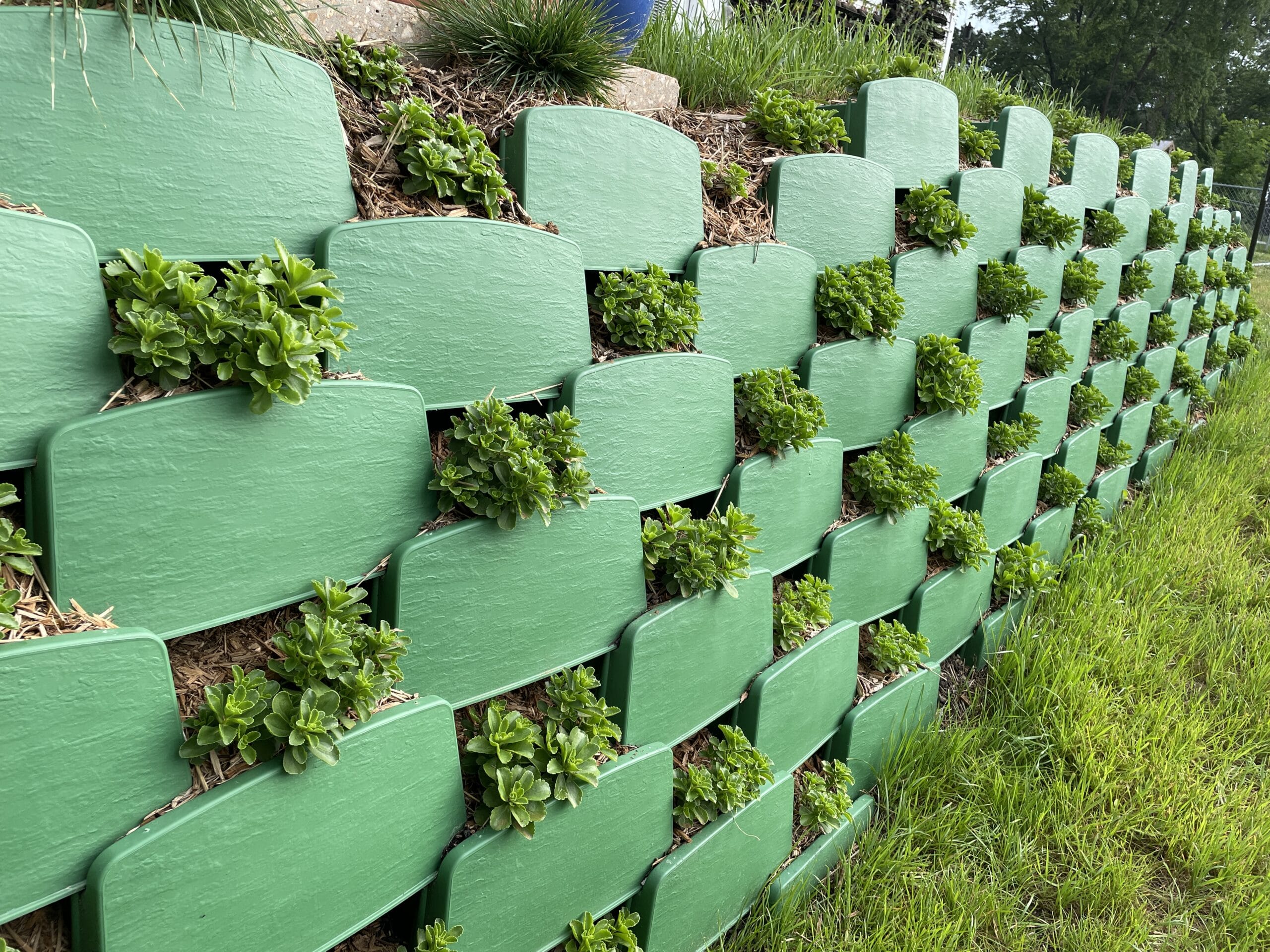
Varden™ blocks prioritize maximum soil depth/volume in a user-friendly format—no heavy lifting or equipment required. Each covers ~1 sq ft and holds 1 cu ft of soil, enabling lush, diverse plantings for biophilic design and urban greening.(For detailed views of Varden’s deep pockets and installed examples, visit www.verdtech.com.) Review a very informative blog post by our Wall Design Engineering Provider here at this link.
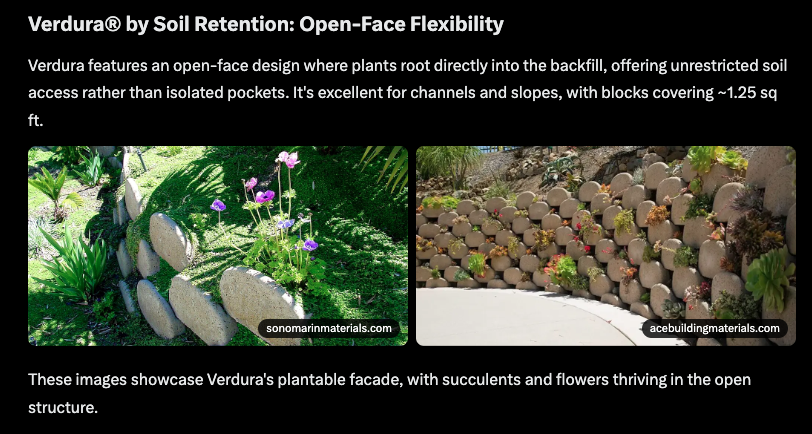
Verdura® by Soil Retention: Open-Face Plantability
This concrete system uses an open design for direct rooting into backfill, offering flexible vegetation without small pockets.Succulents and flowers thrive in these open plantable retaining wall facades.
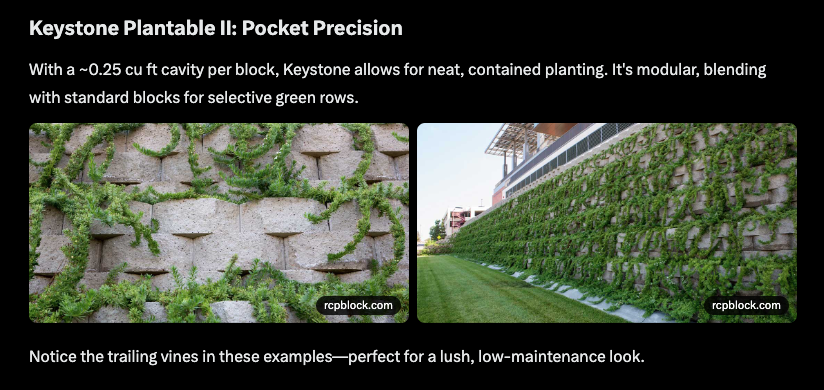
Keystone Plantable II: Precise Pocket Planting
Compact ~0.25 cu ft cavities support neat, contained greenery with built-in drainage.Trailing vines create a polished, low-maintenance green retaining wall.
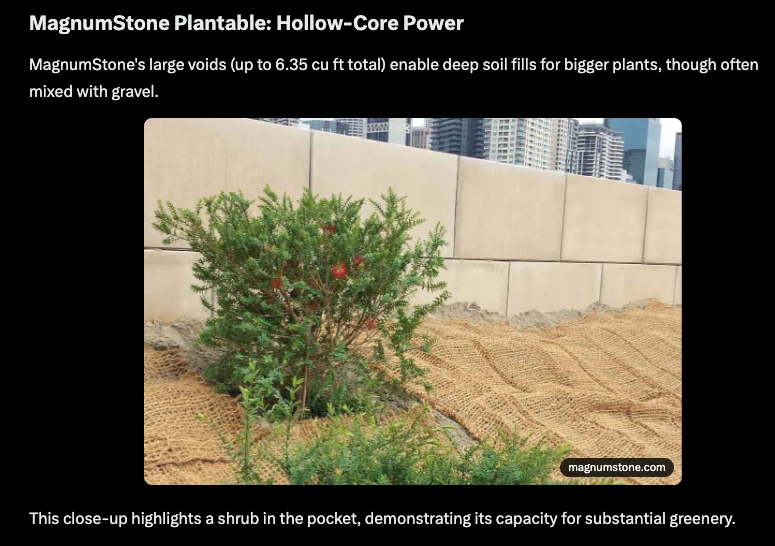
MagnumStone Plantable: Deep Hollow-Core Capacity
Large voids allow substantial soil for bigger plants in tall structures.Shrubs demonstrate the potential for substantial growth in these pockets.
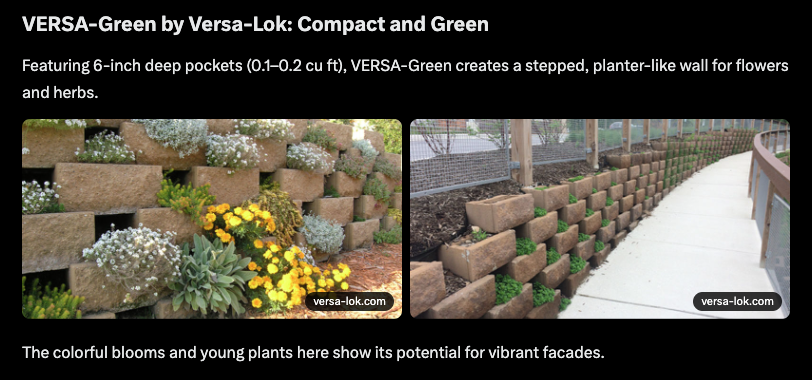
VERSA-Green® by Versa-Lok: Compact Green Integration
~6-inch deep pockets foster a stepped, planter-style wall.Vibrant blooms highlight its appeal for decorative retaining walls.
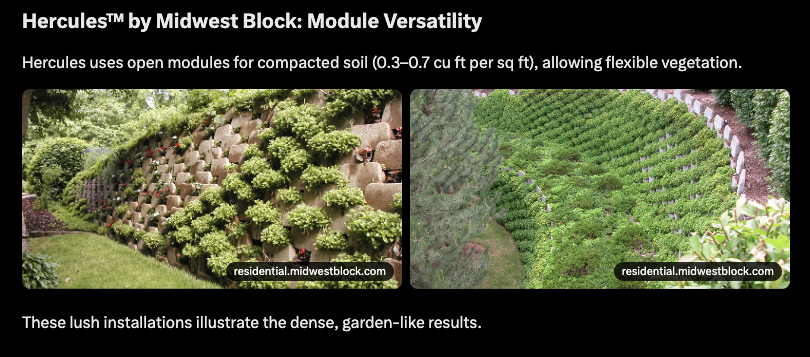
Hercules™ by Midwest Block: Versatile Open Modules
Soil compacts directly into modules for adaptable vegetation.Dense, garden-like results showcase its flexibility.
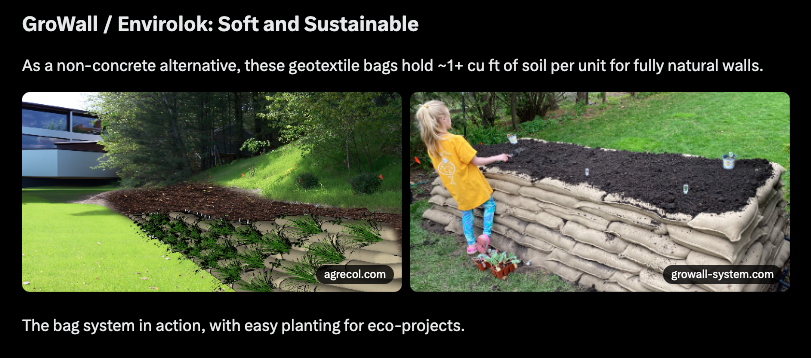
GroWall / Envirolok: Sustainable Bag-Based Alternative
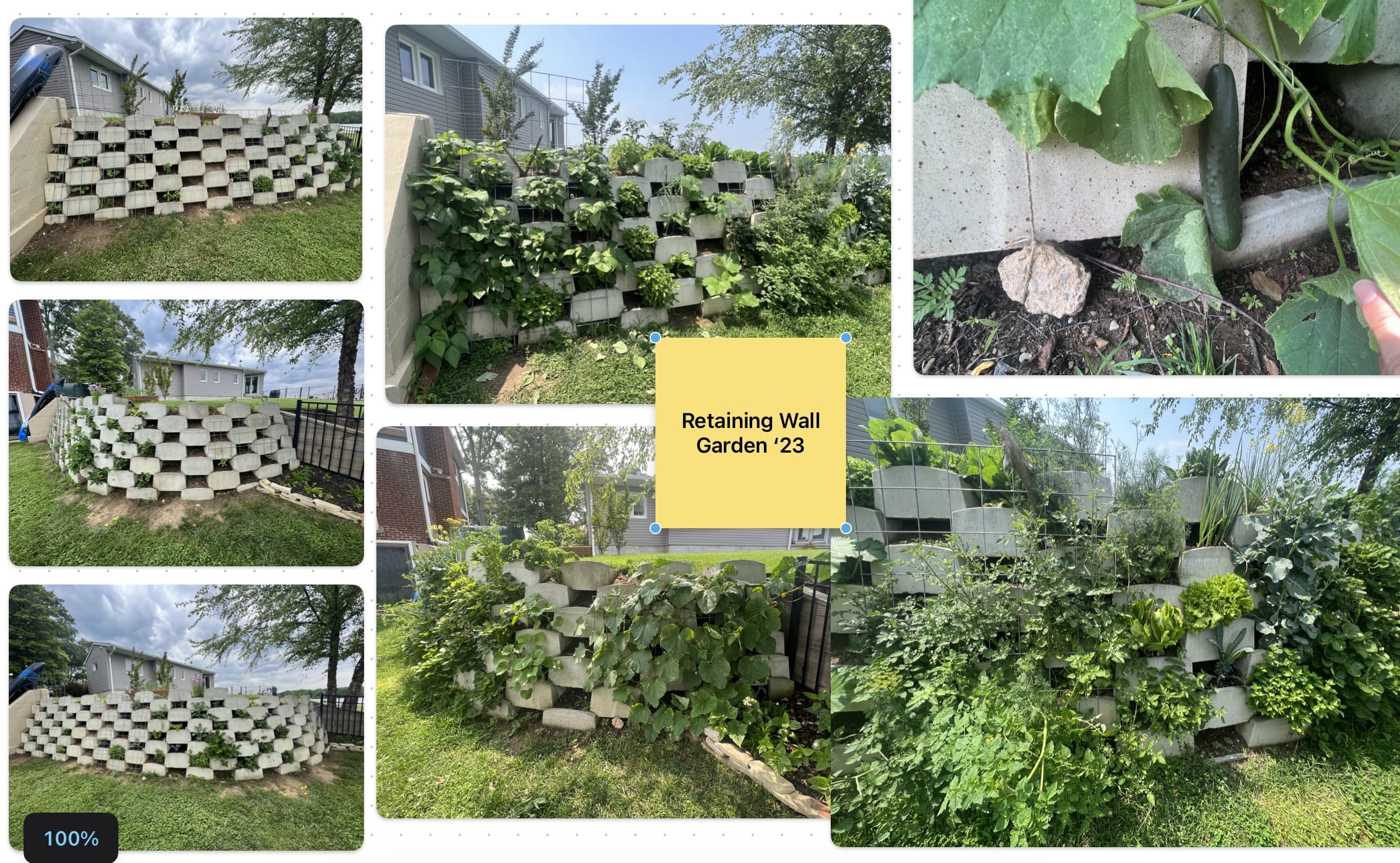
Soil-filled bags provide high volume for natural, habitat-rich walls.Easy planting delivers eco-friendly erosion control with plants.
Selecting the Best Plantable Retaining Wall for Your Needs
For durable commercial retaining walls or tall structures, concrete systems like MagnumStone or Keystone excel. But for accessible, plant-focused projects—especially DIY retaining wall ideas or residential backyard landscaping—Varden’s lightweight blocks with exceptional soil volume offer unmatched simplicity and greenery.
Transform your space with a thriving plantable retaining wall today. Visit www.verdtech.com for specs, customer stories, and to get started on your sustainable landscaping project. Let’s create greener, more beautiful landscapes together!
Share This Story, Choose Your Platform!
Related Posts
About the Author: Mark Woolbright