Plant Selection Tips for Plantable Retaining Walls
🪴Questions that need to be answered:
- Hours of sunlight per day?(how many hours and does it track differently on the wall throughout the day, creating the need for zones)
- Does the wall sit where people will interact with it, such as along sidewalks or on patios? (walls you see all day may be planted with more variety)
- Plant eaters/chompers such as rabbits, deer, or other pests in your region? (select plants for resistance to them or plan to protect them)
- Desired maintenance intensity? (fertility needs and ongoing care needs such as trimming)
- Annuals vs. Perennials? (do you want to replant yearly or seasonally or mix for more interest?)
- Longevity of Perennials?(not all plants live as long as the wall will be in place, but some do)
- Water needs and do you irrigate or not? (a key question for proper planning and its easier to add irrigation during construction)
- Wall coverage desired based on mature growth habit of the plants selected? (do you want to see the blocks or not? Not all plants will cover the wall)
- Pollinator habitat creation? (natives or regional ornamentals)
- How easy are chosen species to plant into the wall pockets (small plugs are easy and fast to plant but you have to wait for growth)
- Deep Rooted or Not? Our Varden blocks have room for deep rooted plants but many plantable systems may not.
Featured Wall Project Below (Videos):
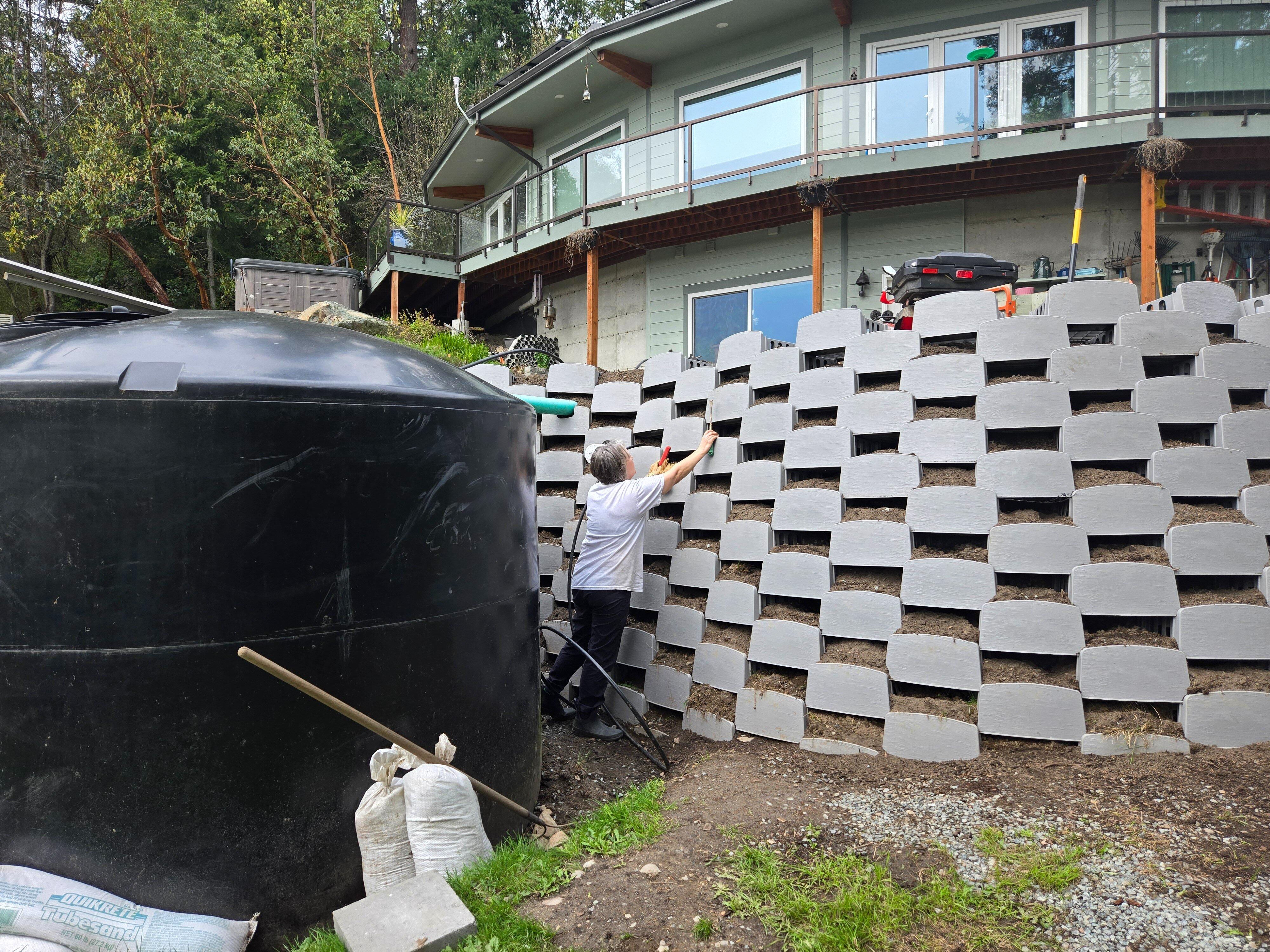
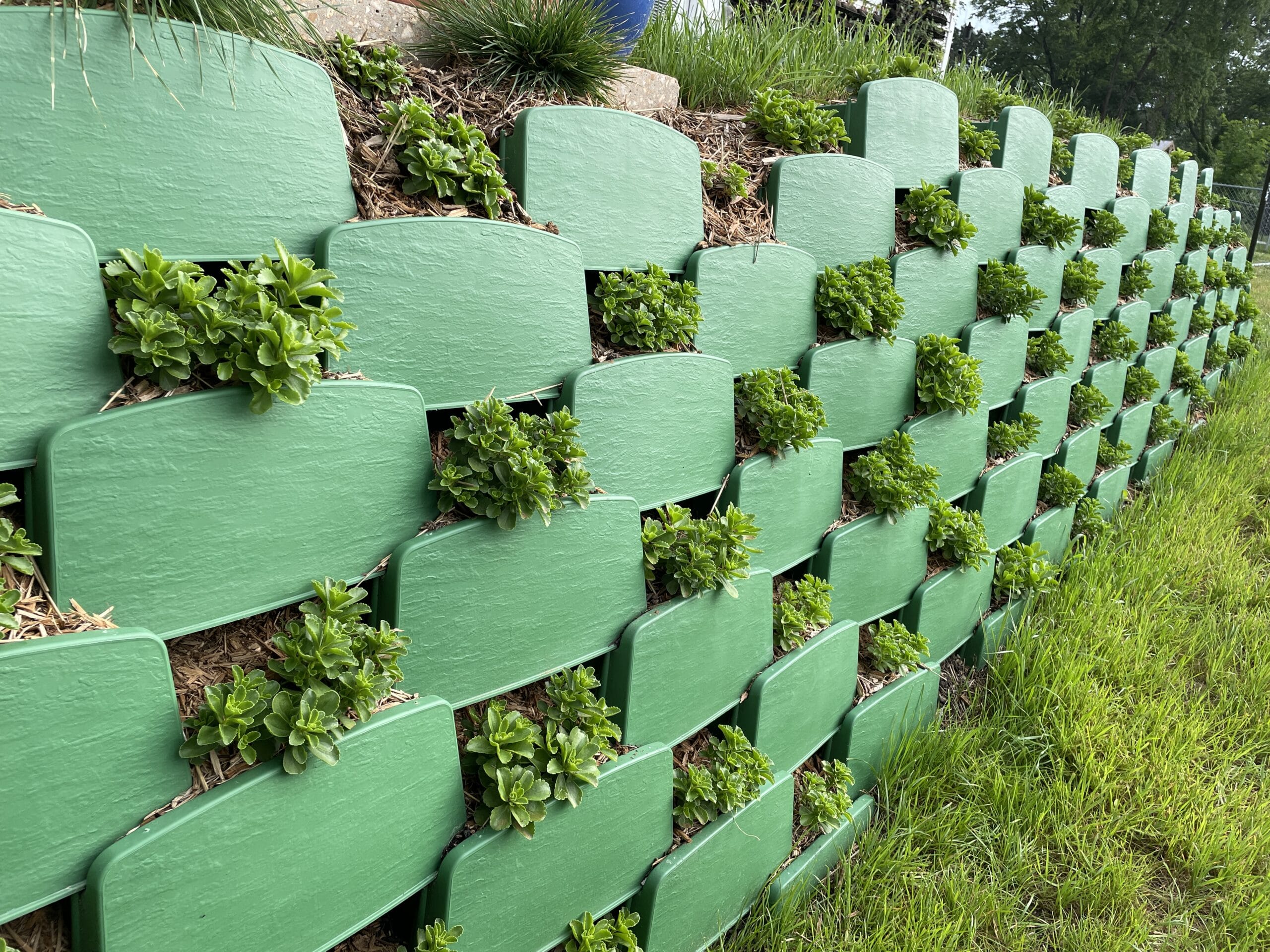
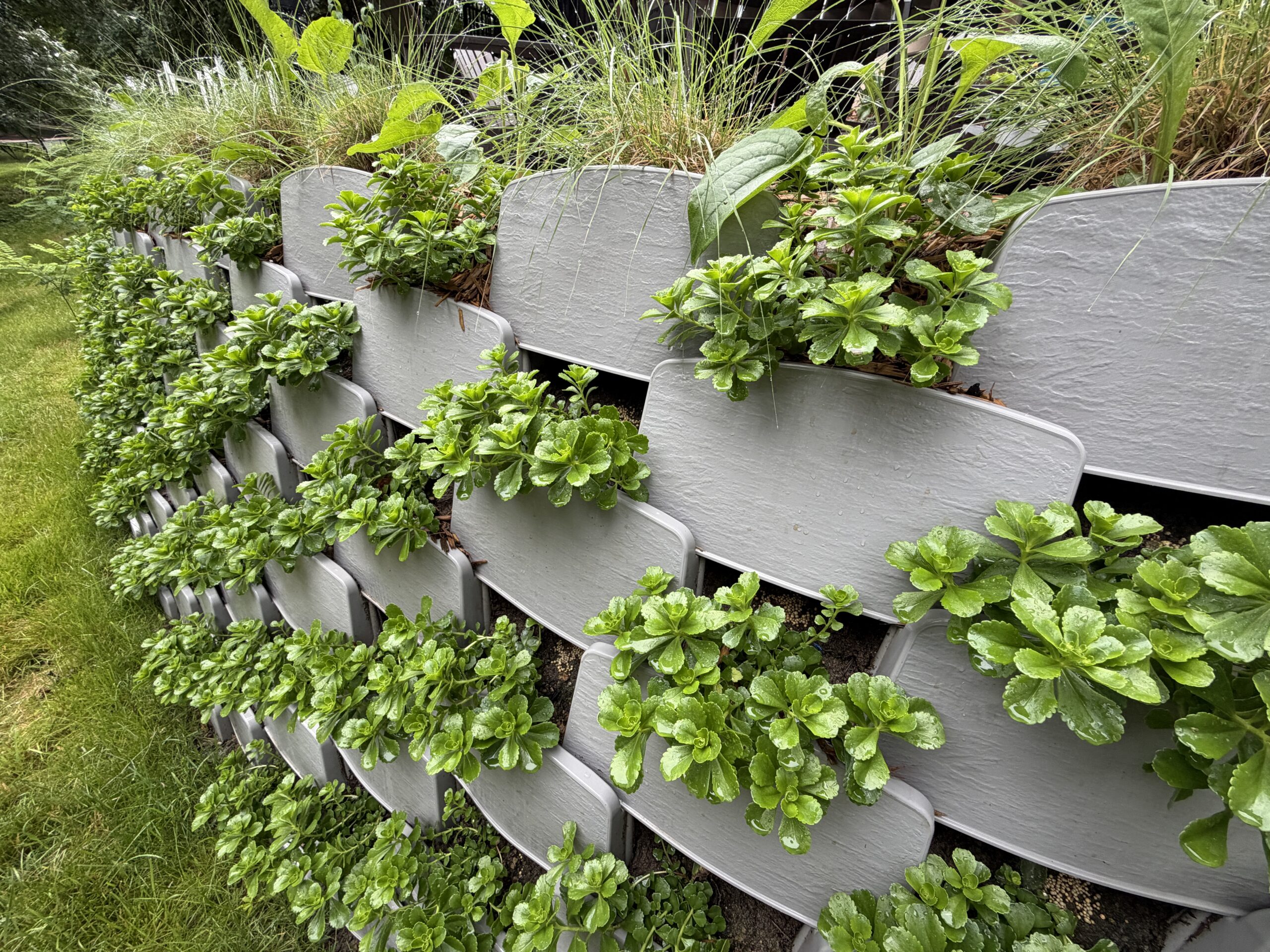
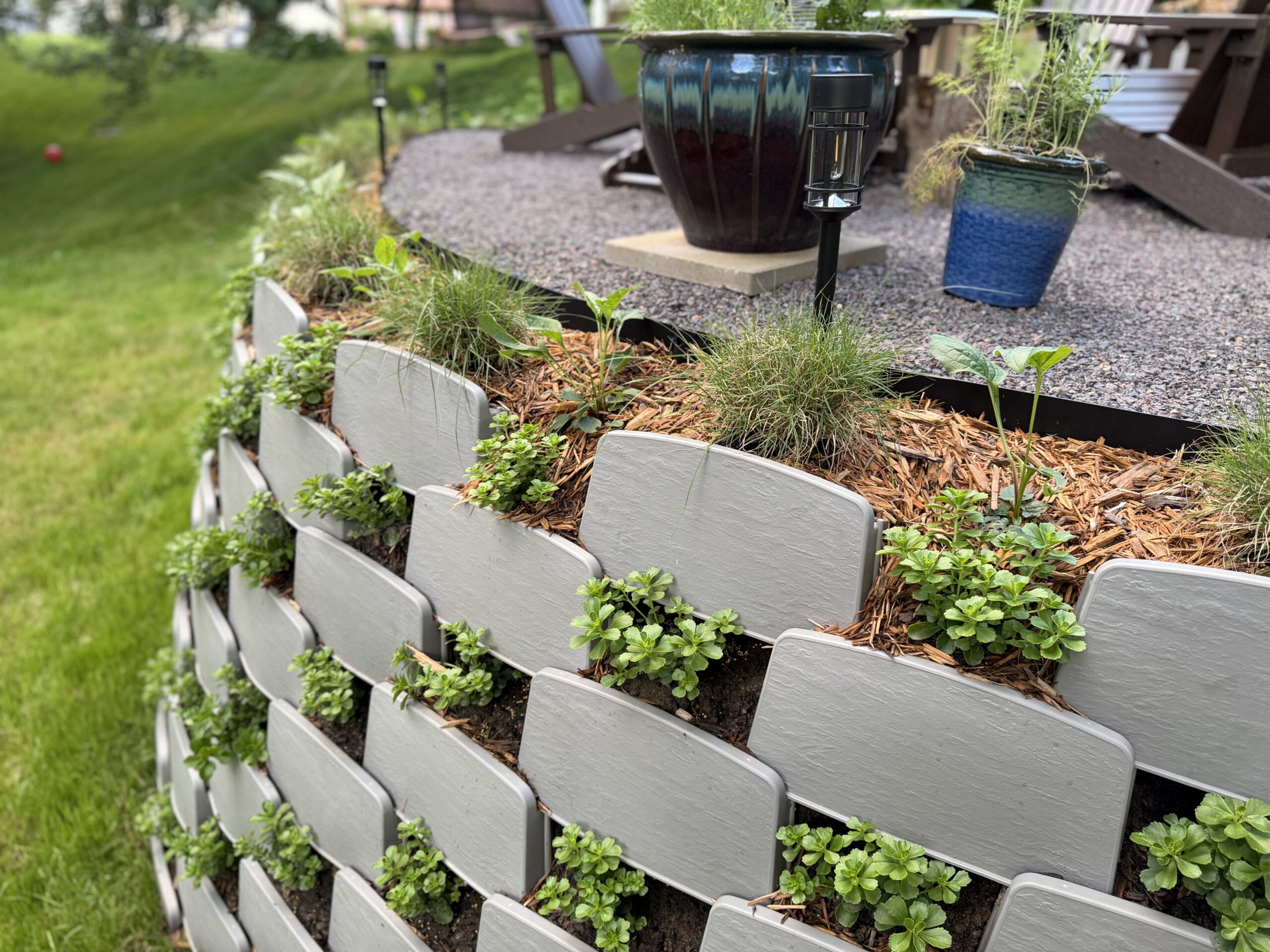
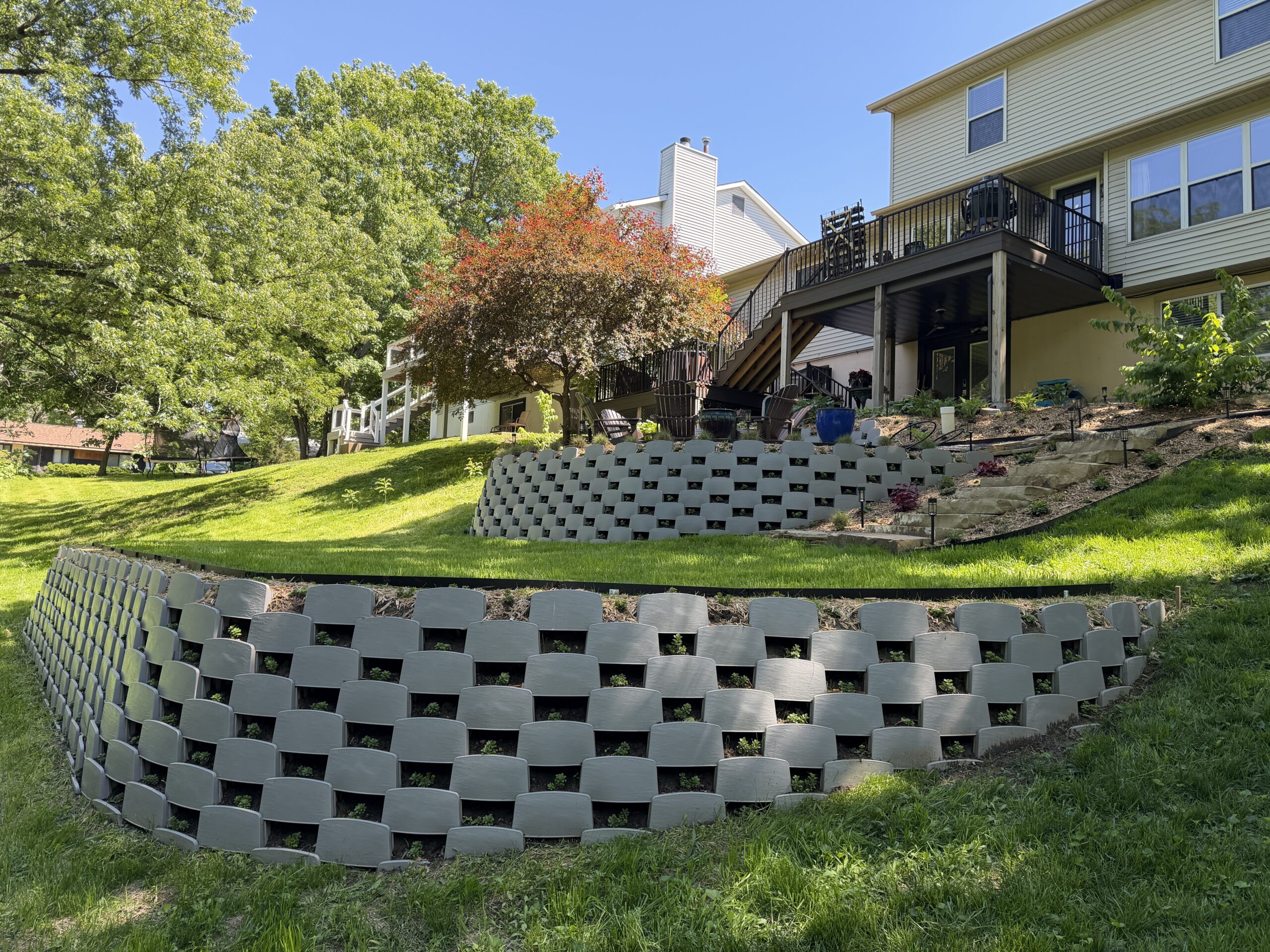
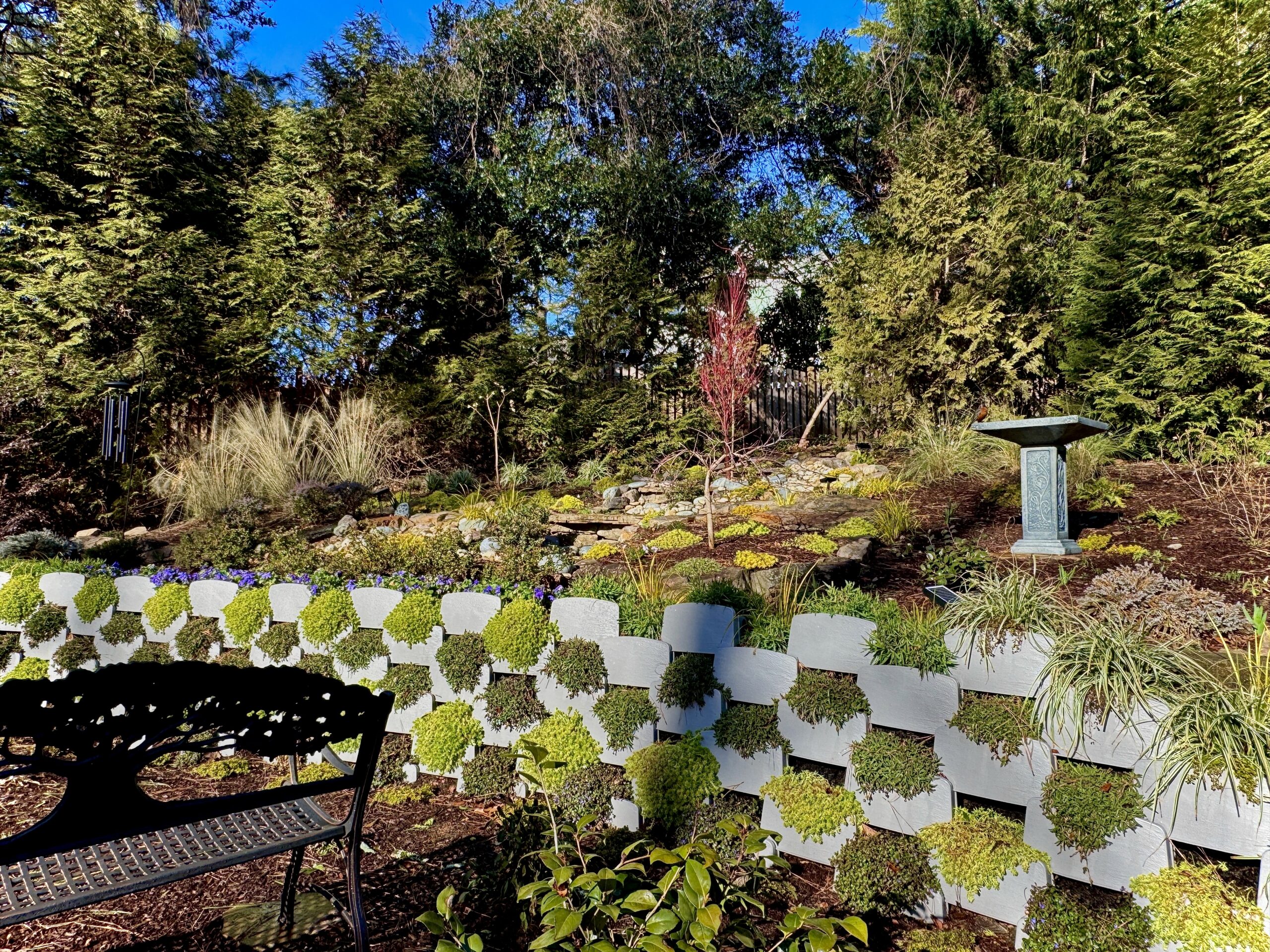
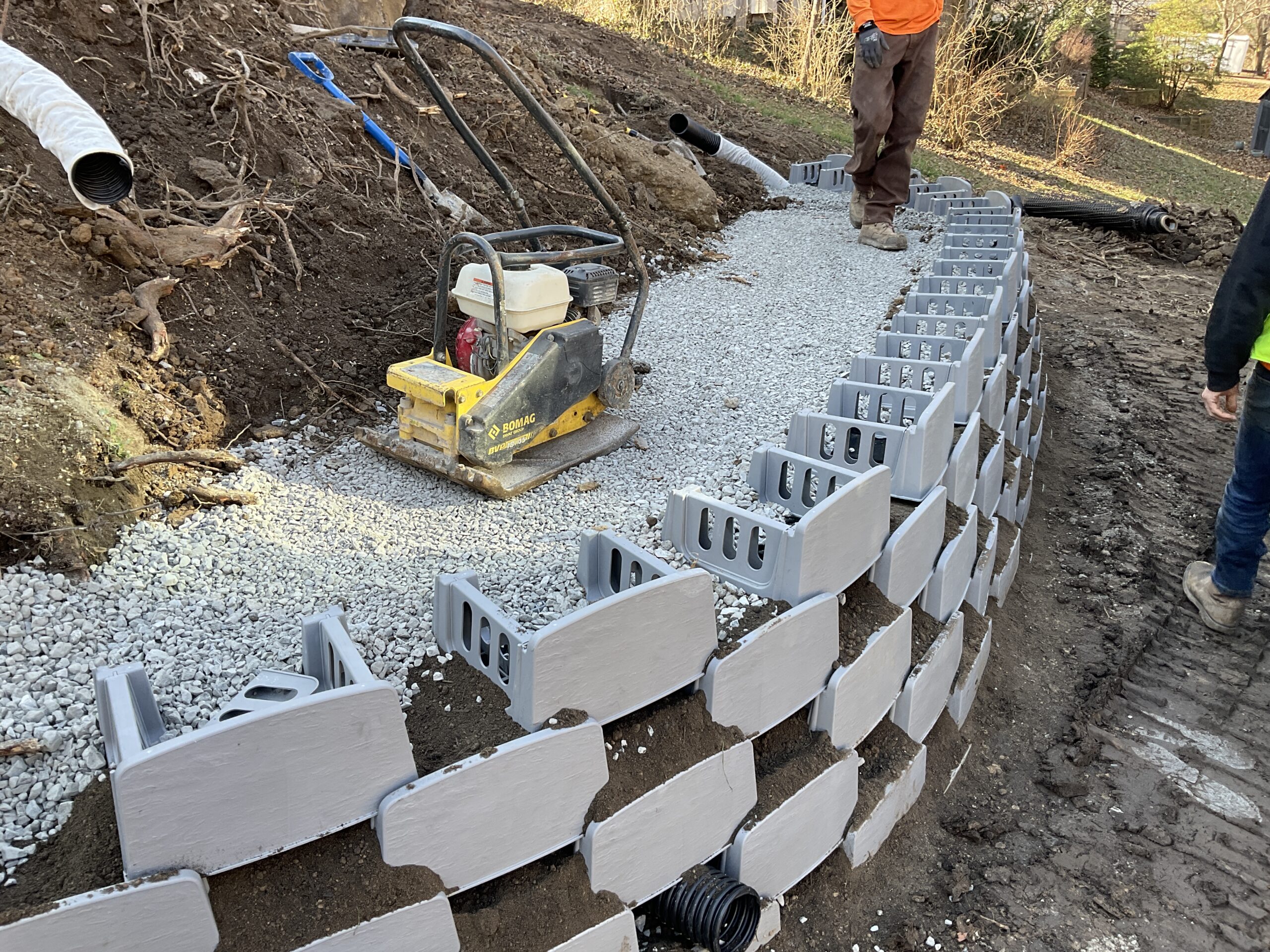
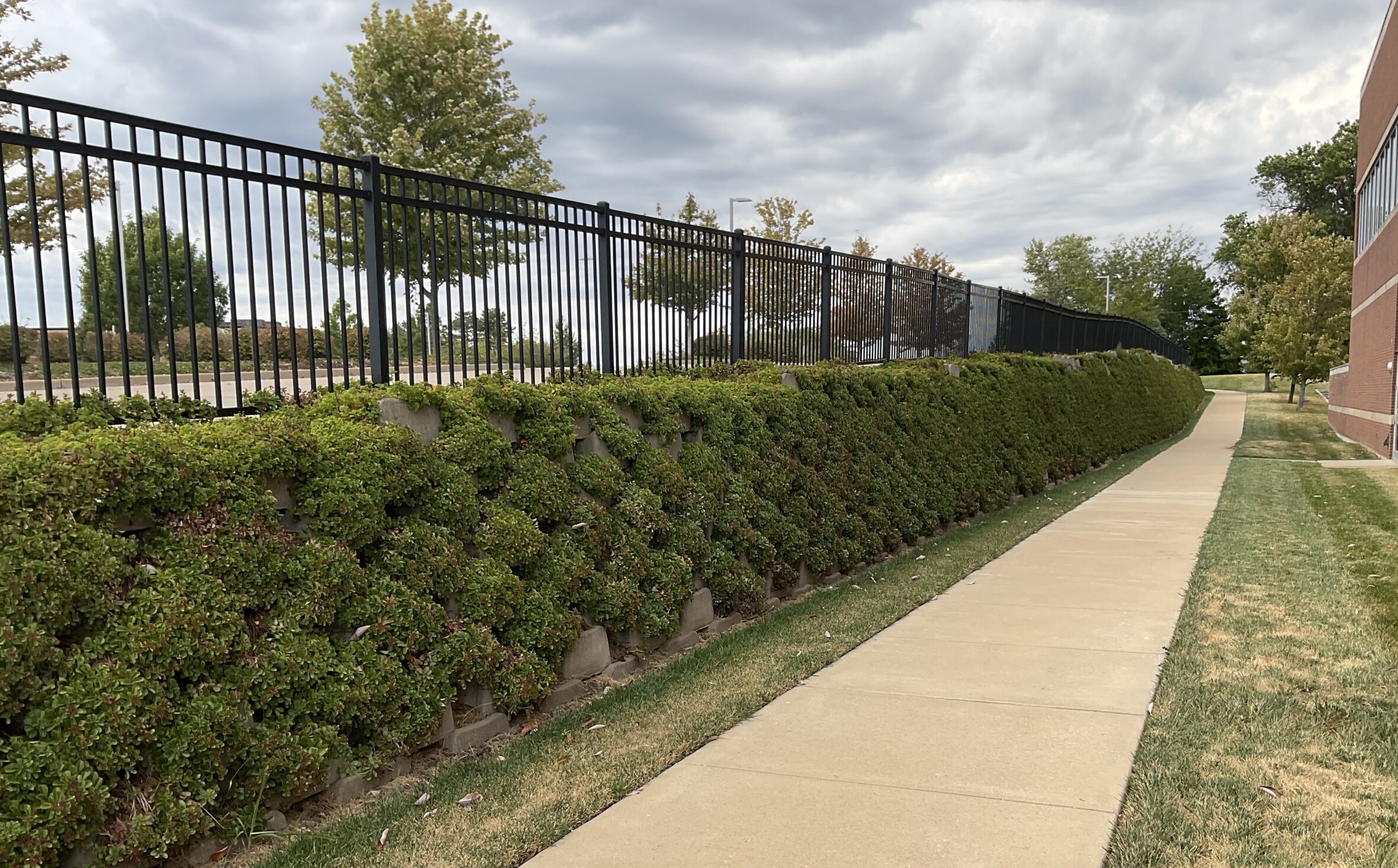
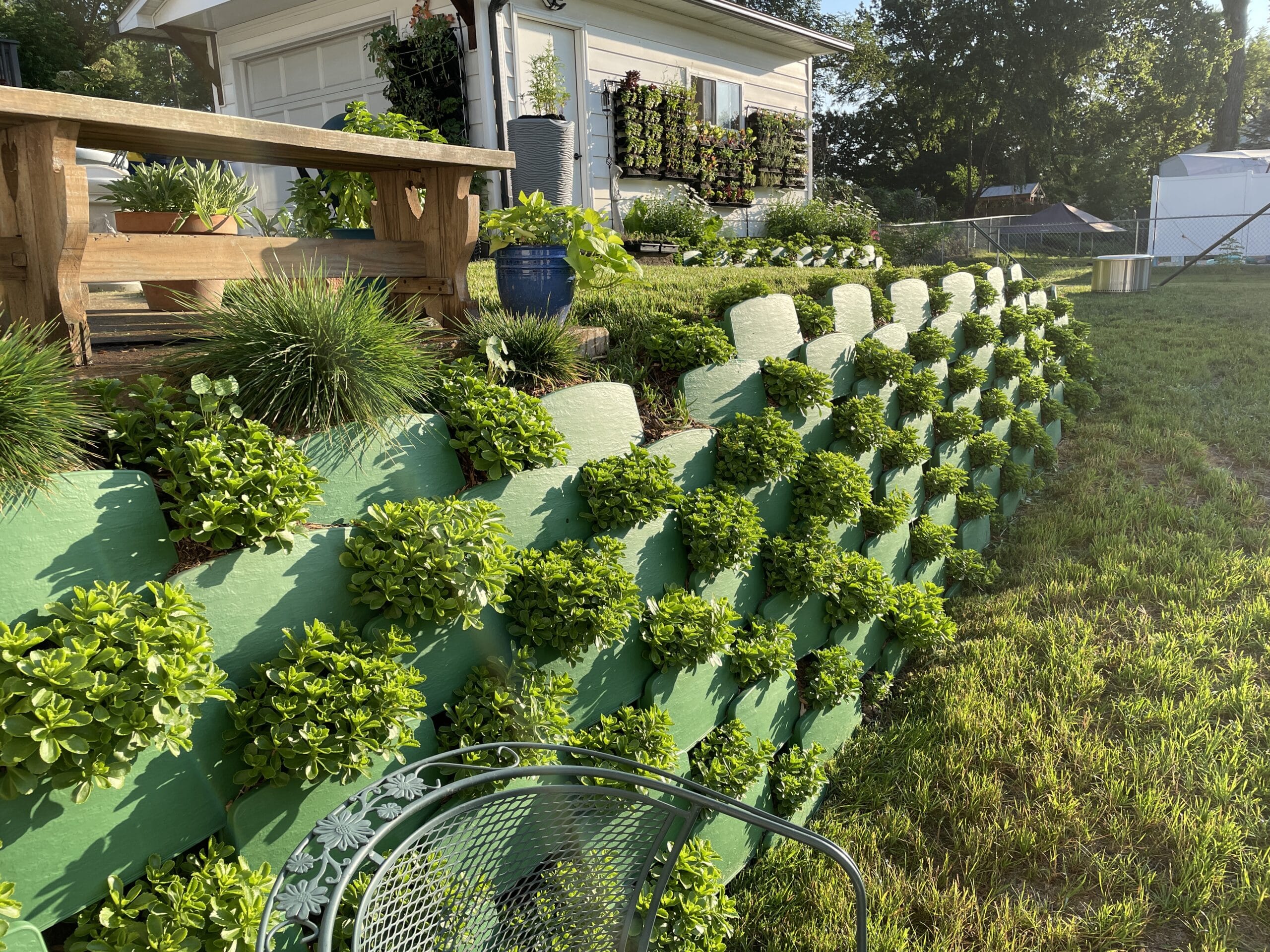
The larger walls featured below in the YouTube videos were planted with Sedum, with accent plants on the tops and sides of the project. To be specific, we selected Sedum kamtschaticum in the two larger walls for its ability to thrive is sun and shade, as well as its drought tolerance, total wall coverage and deer resistance. We selected another Sedum variety called Phedimus takesimensis for its larger mature size and its ability to take the intensity of the setting sun.
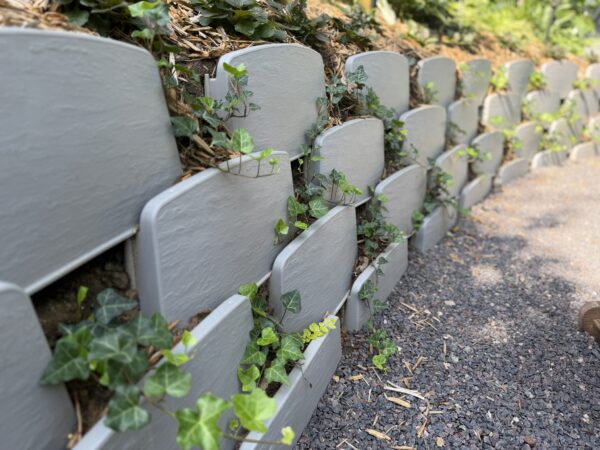
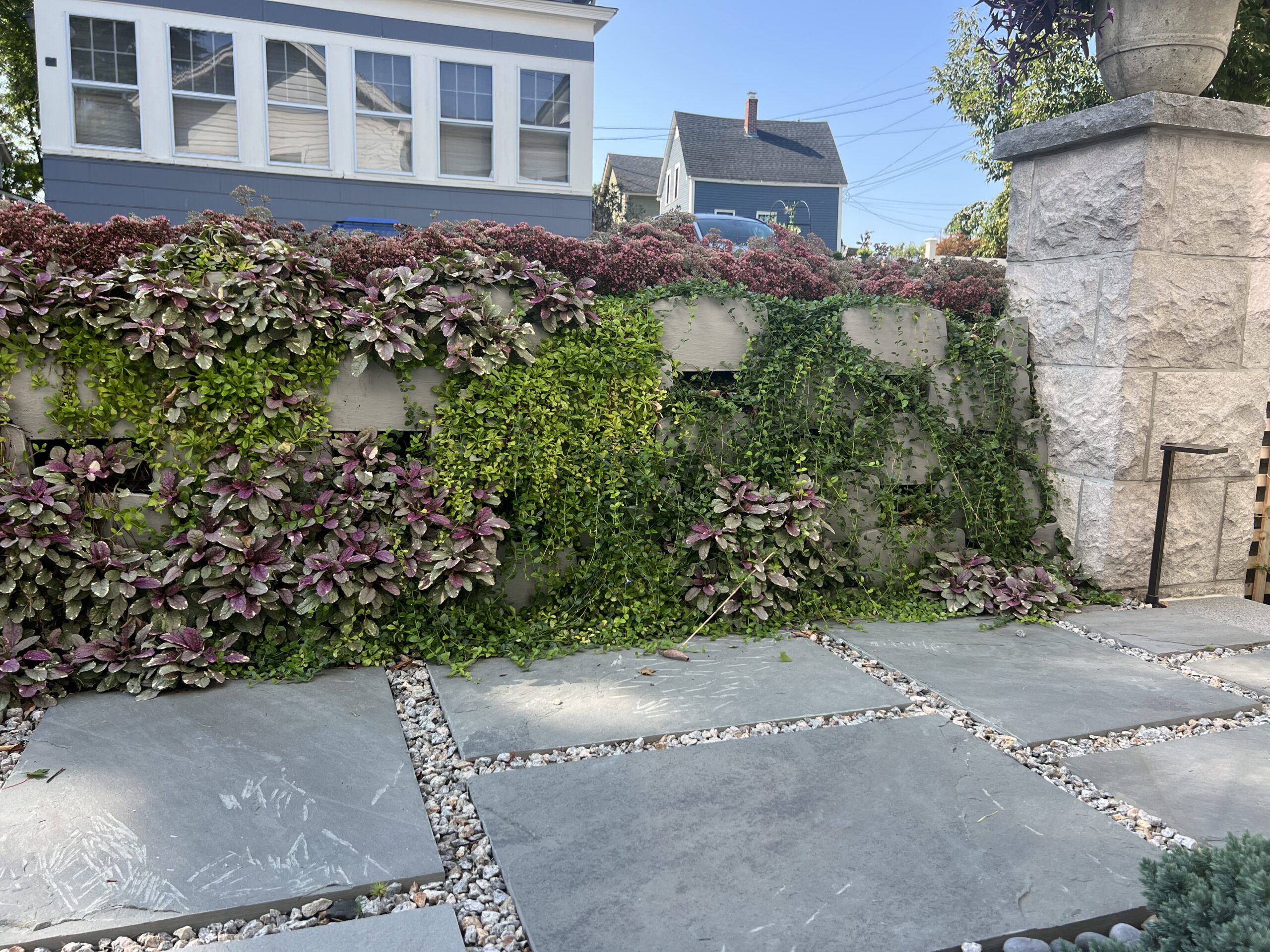
The smaller wall featured below was planted with Baltic Ivy (thorndale variety) due to the dense shade and lack of any direct sun exposure. Ivy can creep on you and end up in lots of unintended places over time. In this case it was well contained in the Varden™ block wall and can be trimmed on the top and bottom to keep it right where its supposed to be. Over time it will totally cover the wall face and will last for decades with very little care… plus the deer and rabbits will not eat it! (Scroll down👇 to see short videos of each application with additional information on plant selection)
It’s a big Country:
There are many plant zones around the nation and in each one there are regional favorite species that DIY landscapers and Professionals can count on. If you have considered the questions listed above, you know what you want your plantable retaining walls to look like. Local garden centers or landscape designers will be great help in selecting the perfect plants for your wall project. Talk to them all, use AI to get more creative lists and answers, or call us and we will be happy to give you our thoughts. Our team has seen millions of square feet of planted retaining walls and we have plenty to say on the subject!
Plant Selection by The Pros:
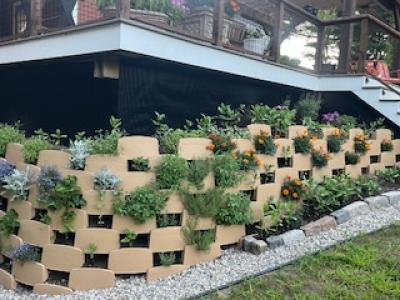
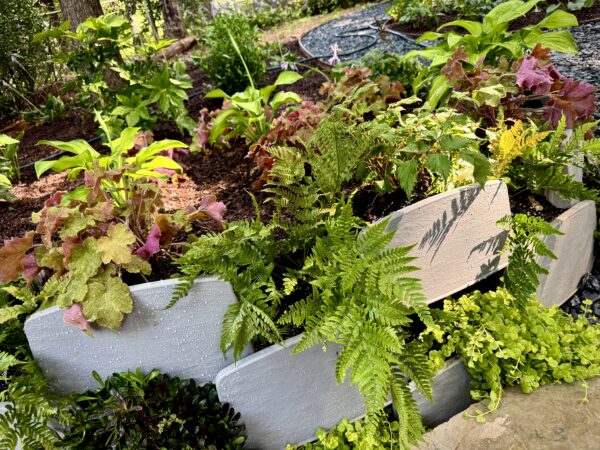
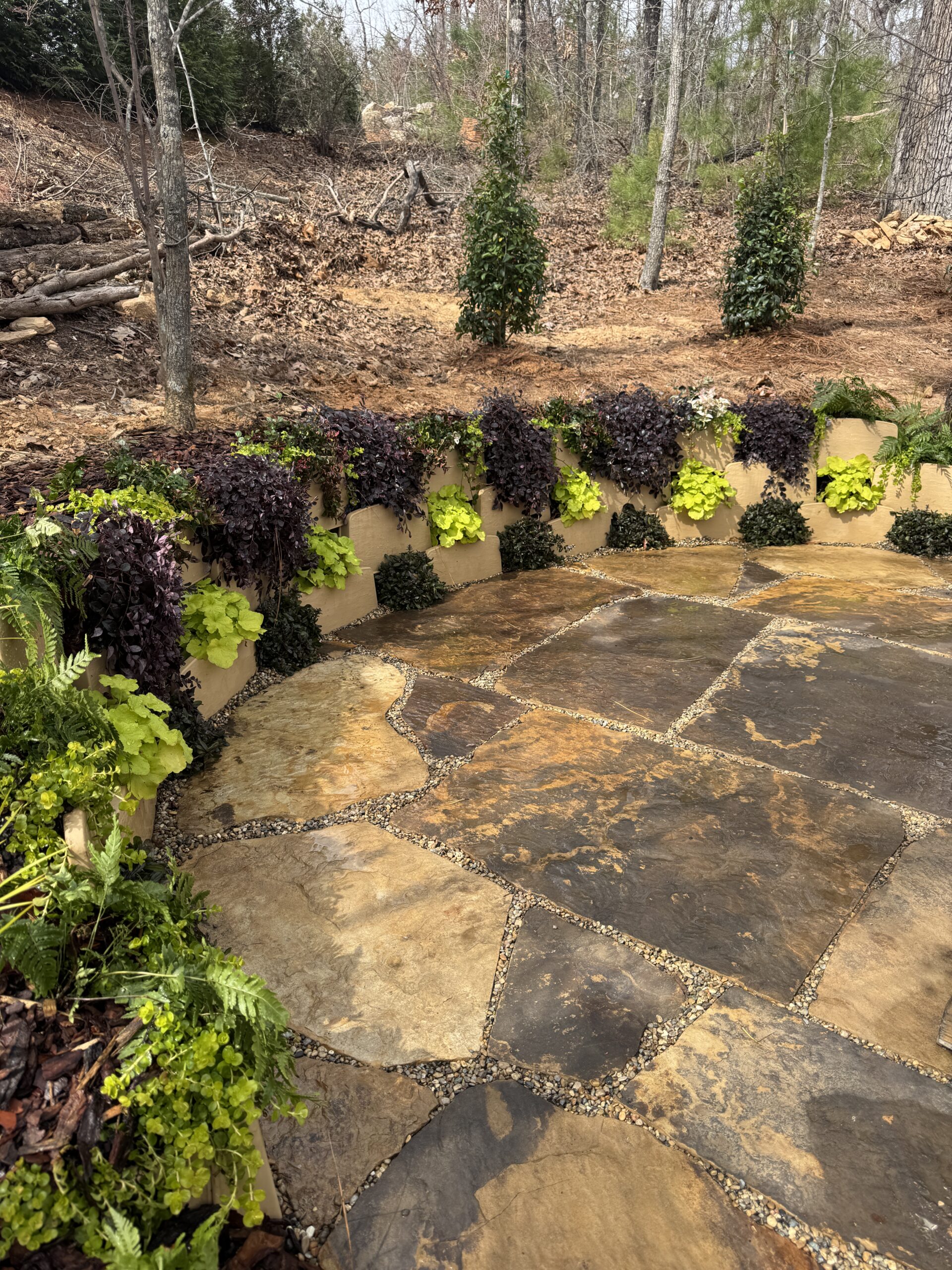
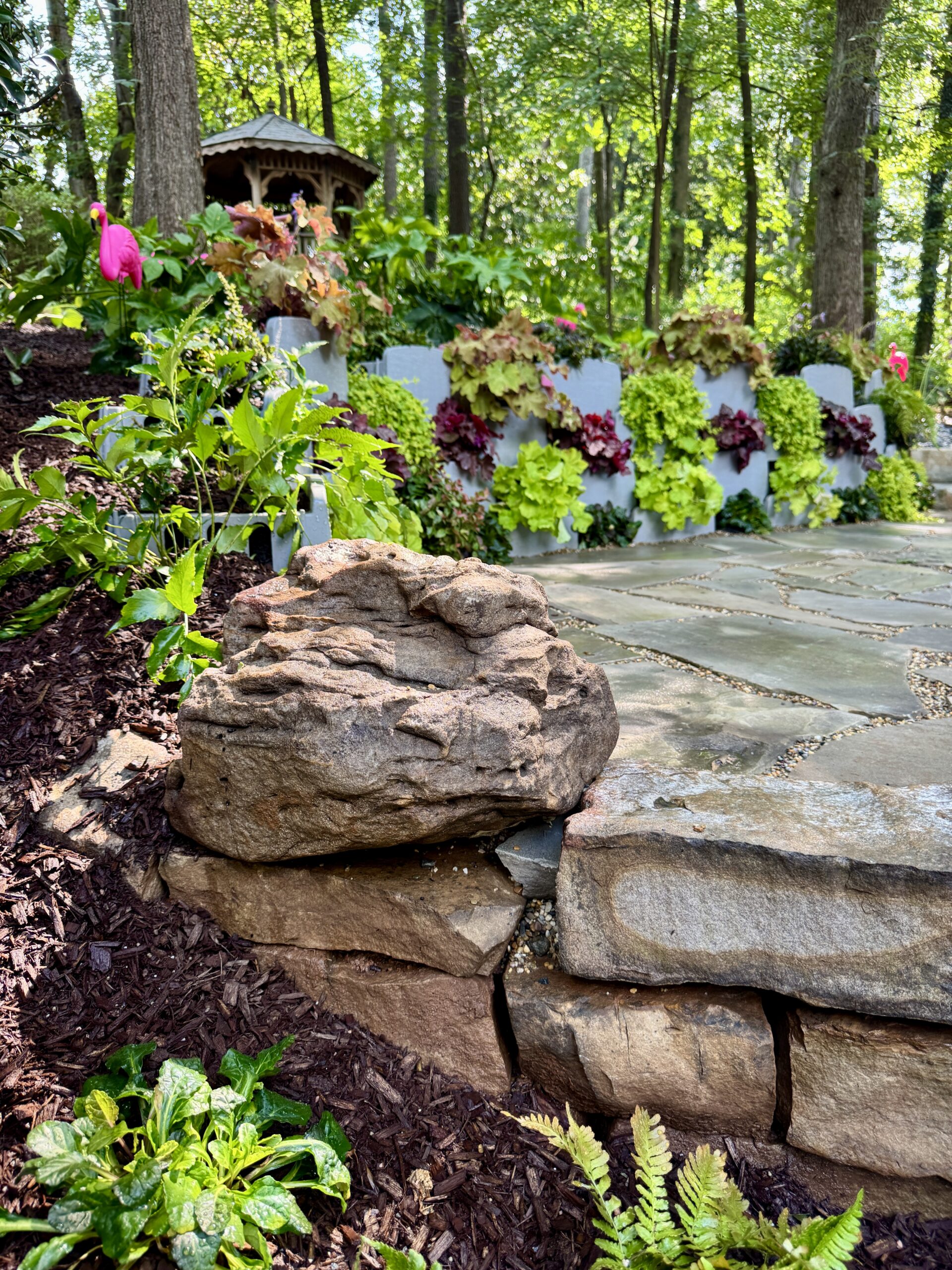
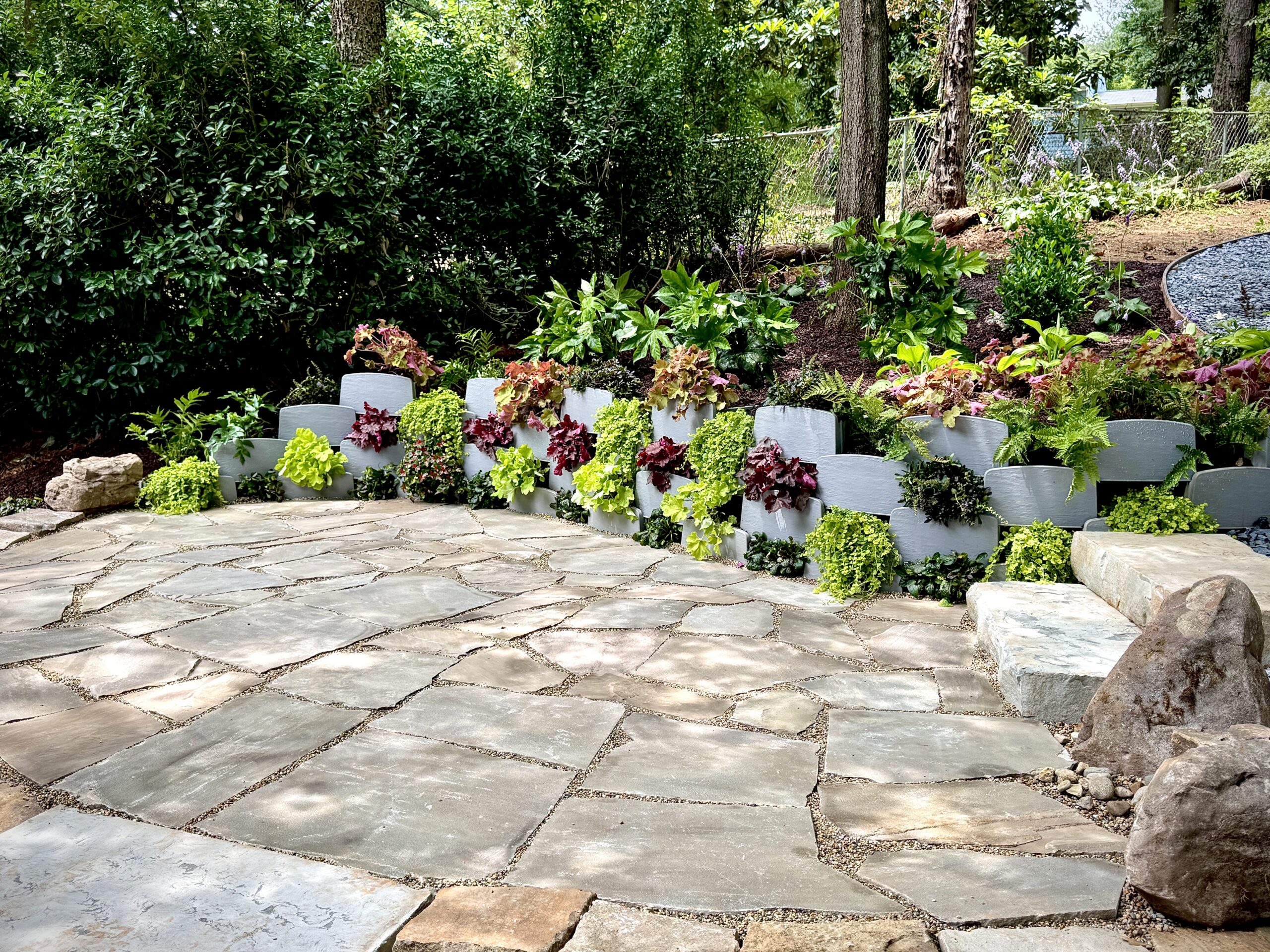
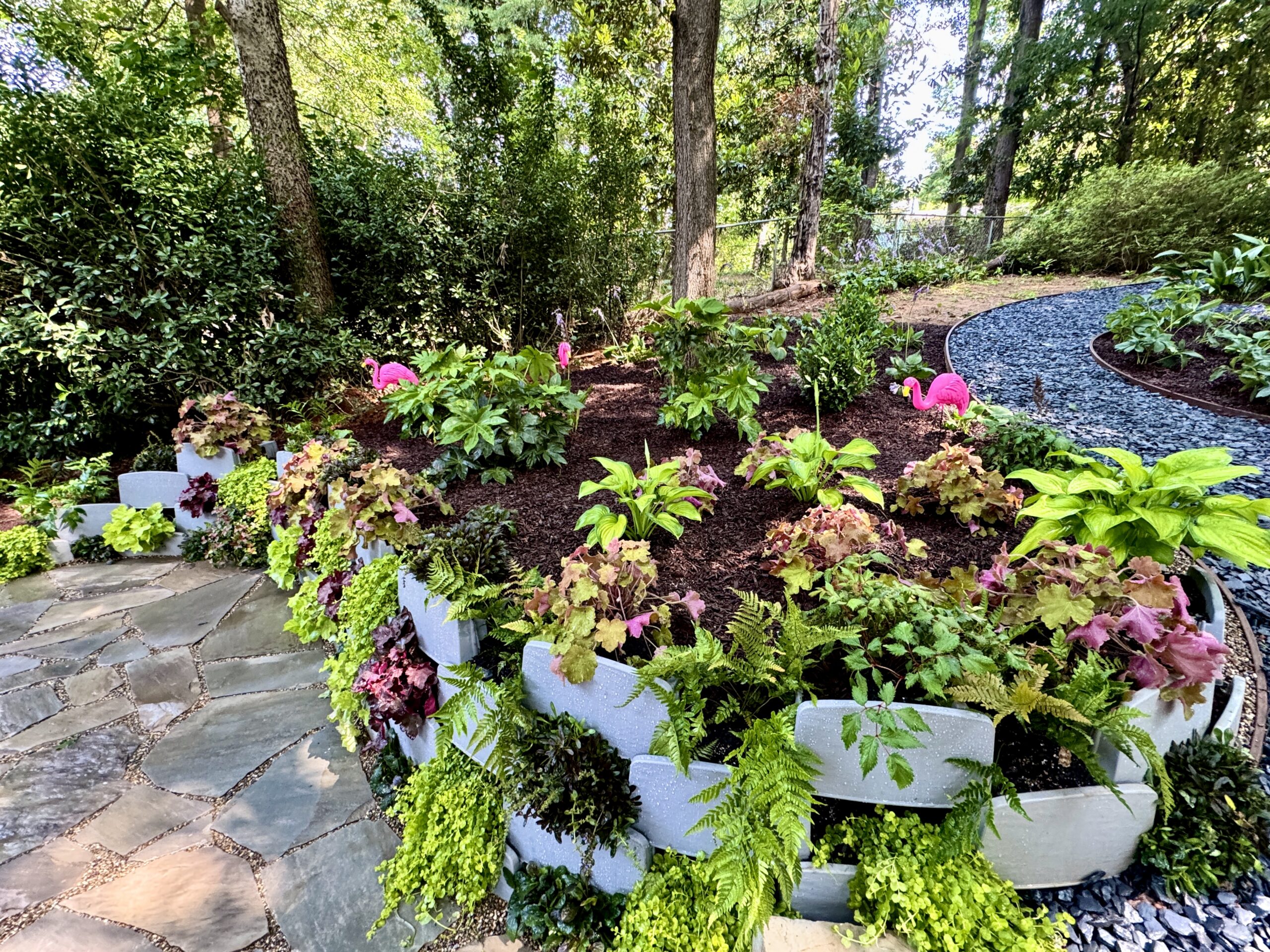
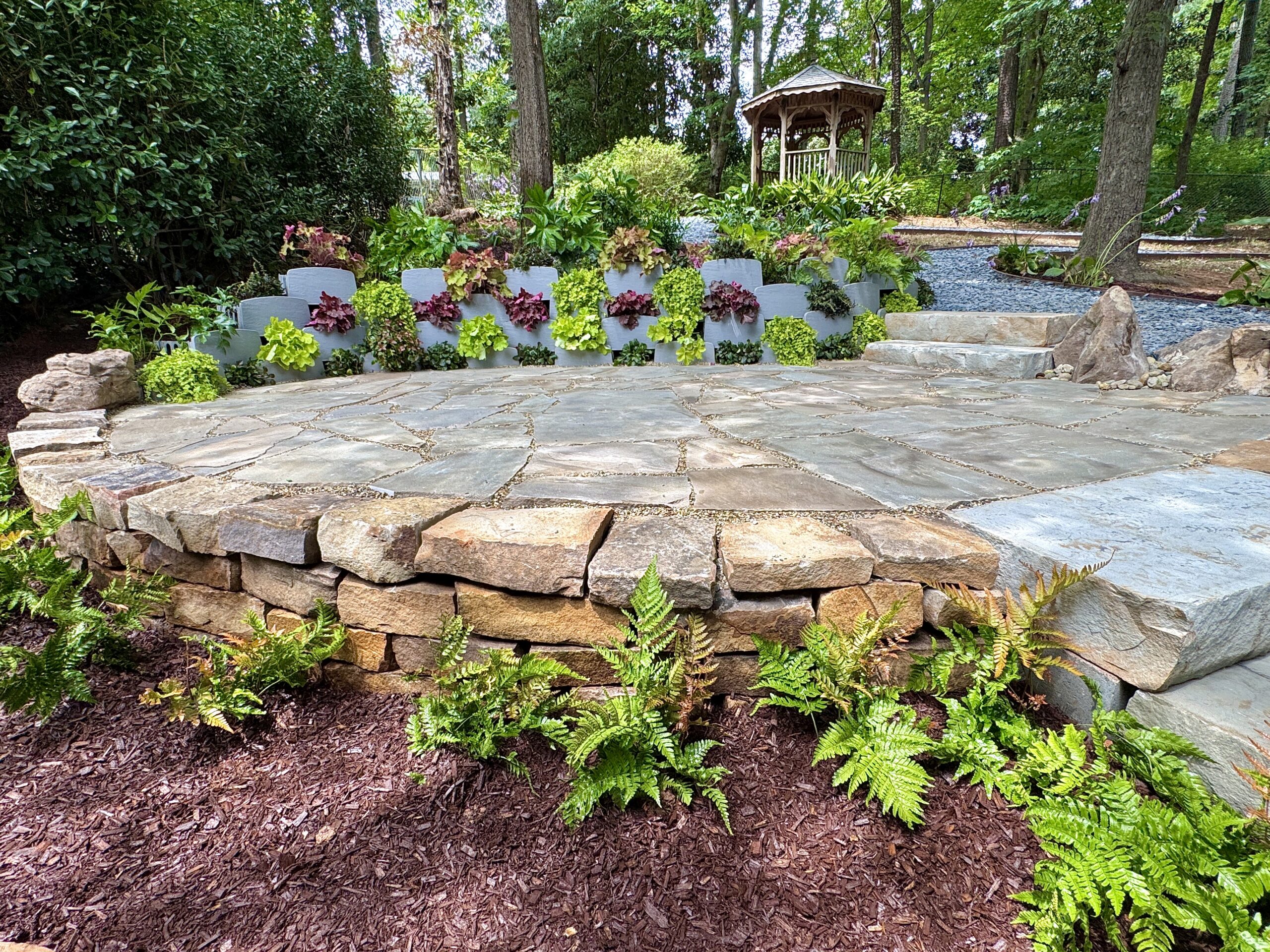
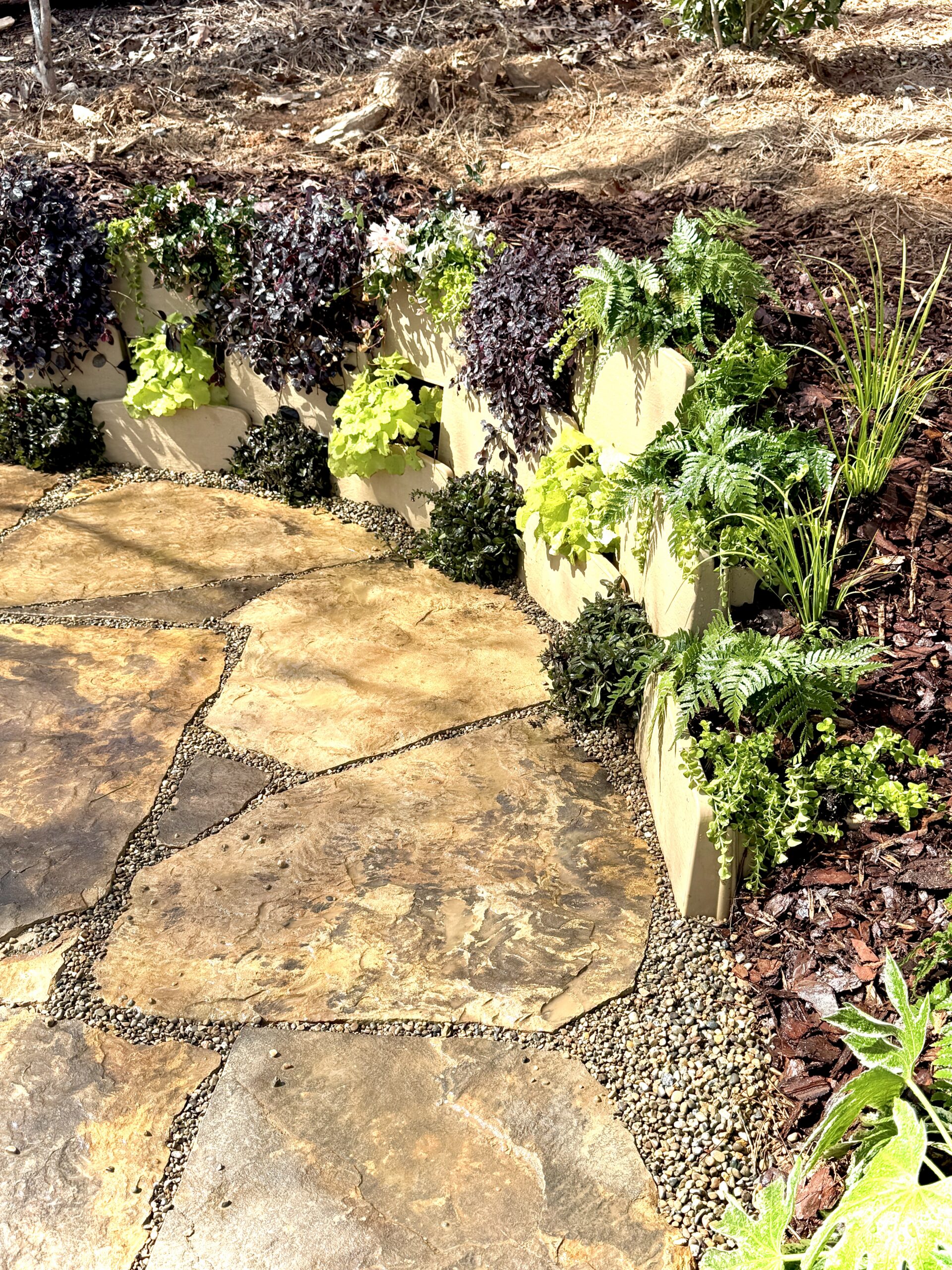
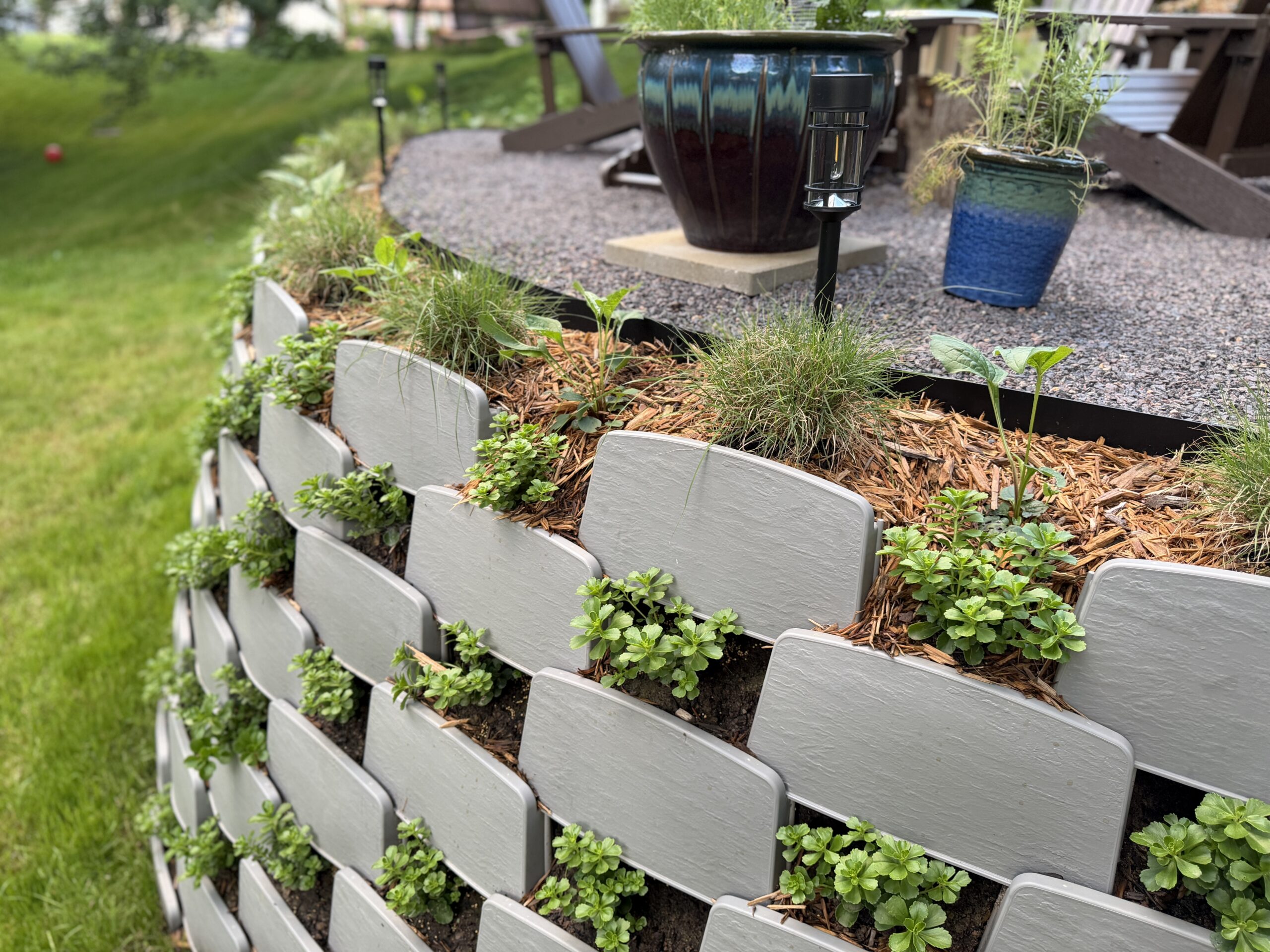
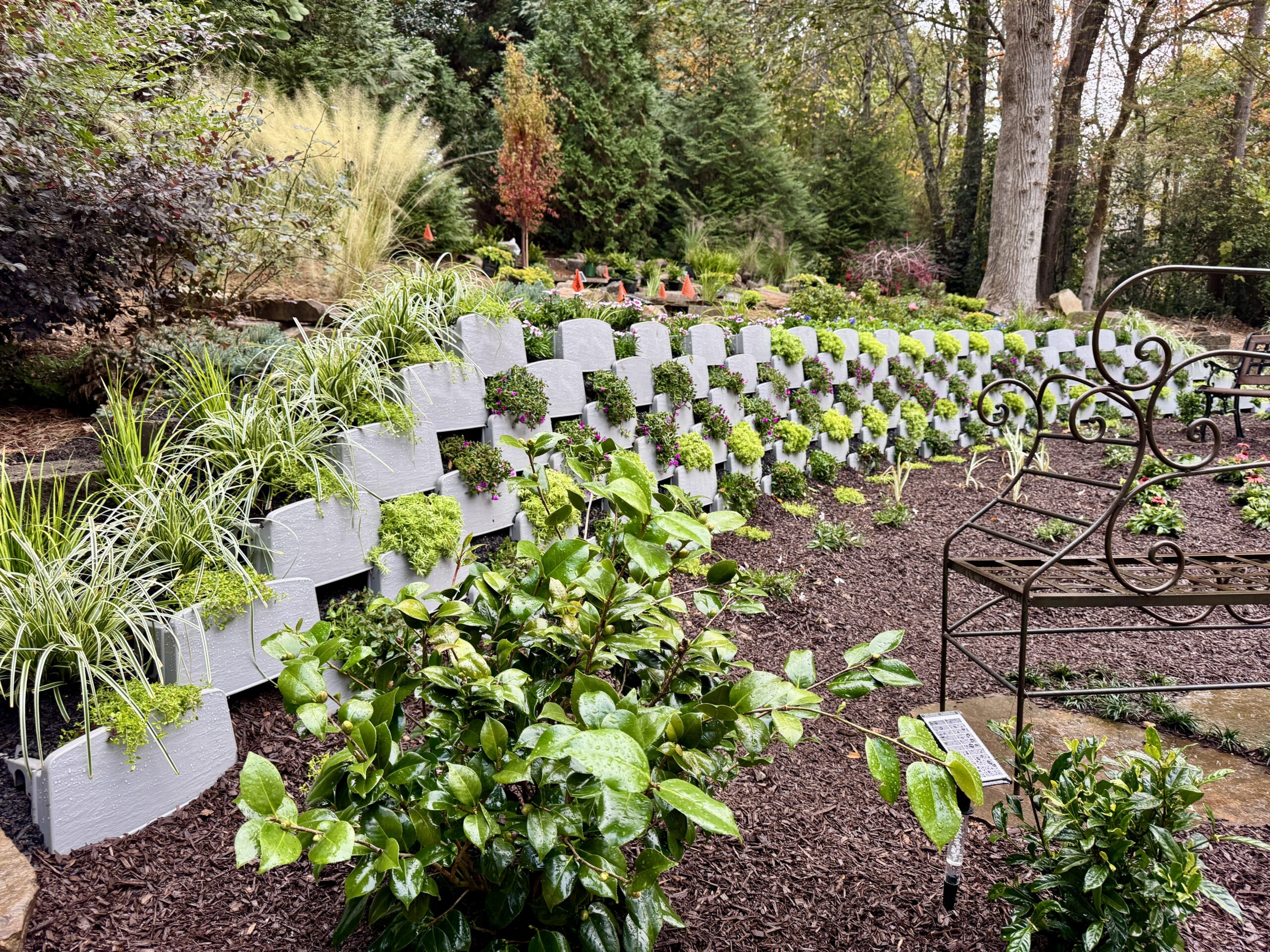
One of our professional installation partners in the Atlanta, GA area has built several smaller Varden™ plantable retaining walls as part of larger scopes of work. Everette Moss of Moss Landscape Design Group has used our tan color blocks and our gray blocks to add significant interest and color to his patio projects. The pictures below are from his projects and we are impressed with the work his team produces and their artistic use of plants to bring living color to clients.
You can see that they make use of natural stone for patio borders and terraces, but for small retaining walls they make use of lightweight, plantable blocks for interest, which also saves time and labor. Plant selection is a big part of Moss’s success. Their projects have had a variety of sunlight exposures to consider and the results are always fantastic.
We asked Everette to share some of his thoughts on proper plant selection below.
” I typically use one gallon or quart size plants for Varden wall installations. I follow the same planting guidelines regarding sun and watering requirements for vertical planting as in-ground installations. The following website is my go to resource for researching plants;” (We like consulting MoBot as well!)
https://www.missouribotanicalgarden.org/PlantFinder/PlantFinderDetails.aspx
Share This Story, Choose Your Platform!
Related Posts
About the Author: Mark Woolbright