Estimating Materials for Block Retaining Walls
When planning for a new retaining wall, one of the most important early steps is estimating your materials accurately. Clear construction estimation helps you control budget, avoid delays, and ensure you have the right retaining wall materials on site when you start the project. For plantable retaining walls like the Varden™ retaining wall system, good planning also means you’ll have the right mix of structural and landscaping materials to create a stable wall that supports thriving plants.
This guide walks through the basics of estimating materials for block retaining walls, with a special focus on plantable retaining walls that integrate greenery into the structure. The primary focus of this guide is to aid the DIY wall builder or Landscape contractor when the walls are in locations not requiring permits and for walls that have not been designed by an engineer. In most cases, engineered retaining walls have closely defined materials that are easily quantified.
Introduction to Block Retaining Walls
Block retaining walls are built from modular units that stack to hold back soil and create usable terraces or level areas in a landscape. Unlike poured concrete, block systems use individual units that interlock or stack in a pattern, making them ideal for a wide range of residential and commercial applications.
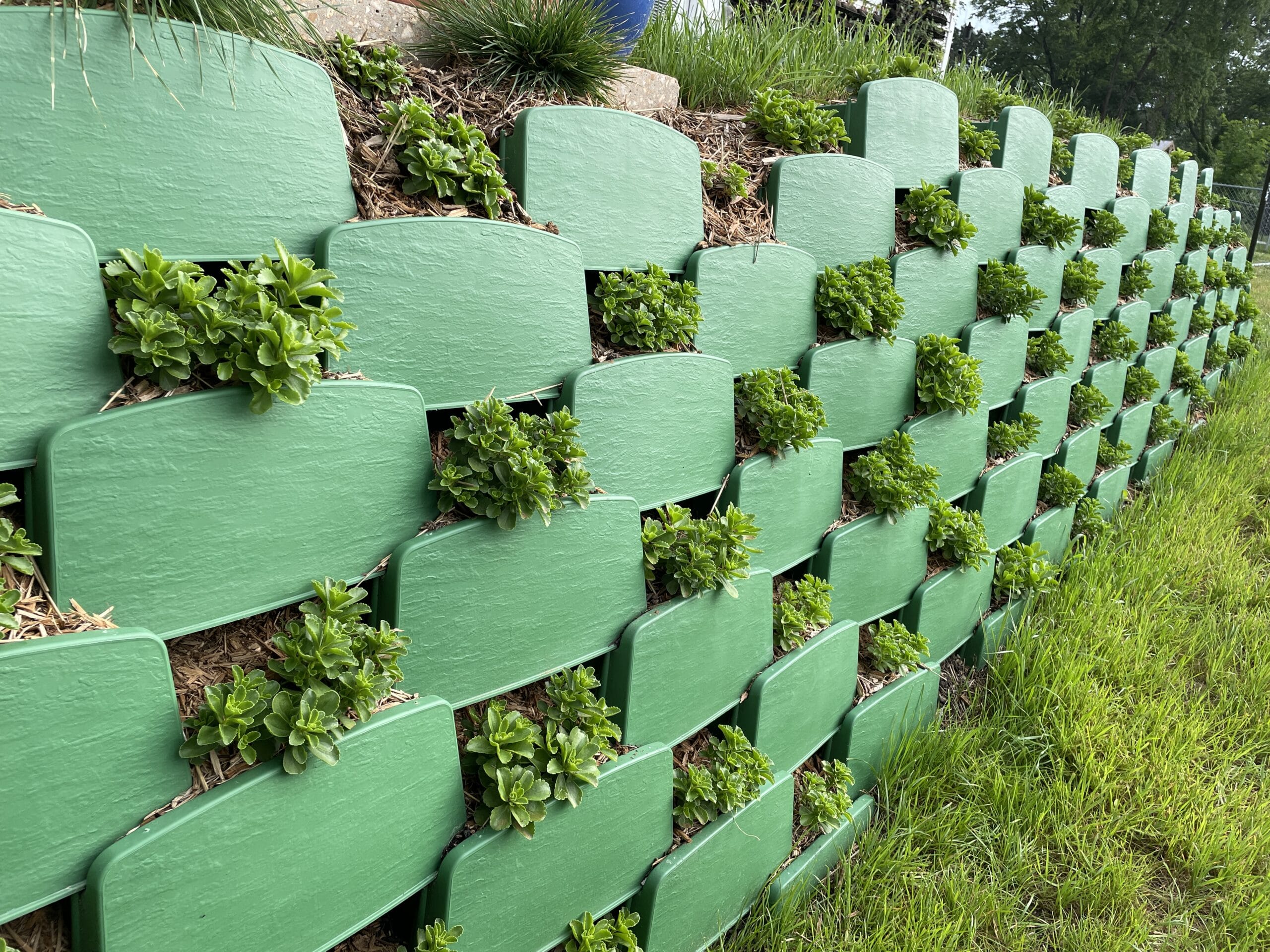
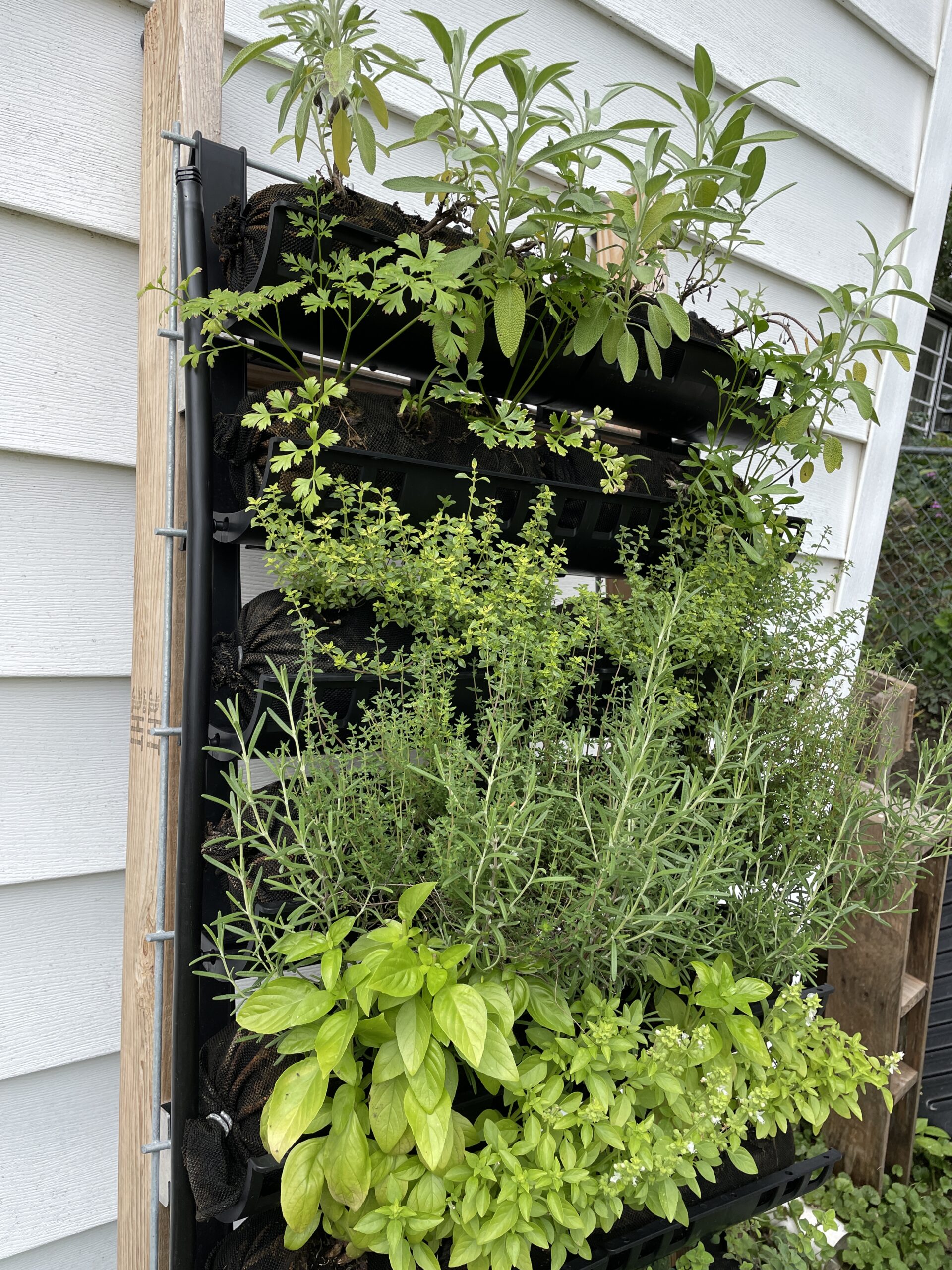
Plantable retaining walls take this concept a step further by combining structural blocks with built-in planting zones. These systems allow you to replace bare concrete or stone with living greenery, improving both aesthetics and environmental performance. With a Varden™ plantable retaining wall, the wall face becomes a vertical garden, combining structural stability with soil retention, erosion control, and a lush planted appearance. You may want to review related blog posts on our site that discuss the benefits of “plastic blocks vs. concrete” and a review of “other plantable wall systems”.
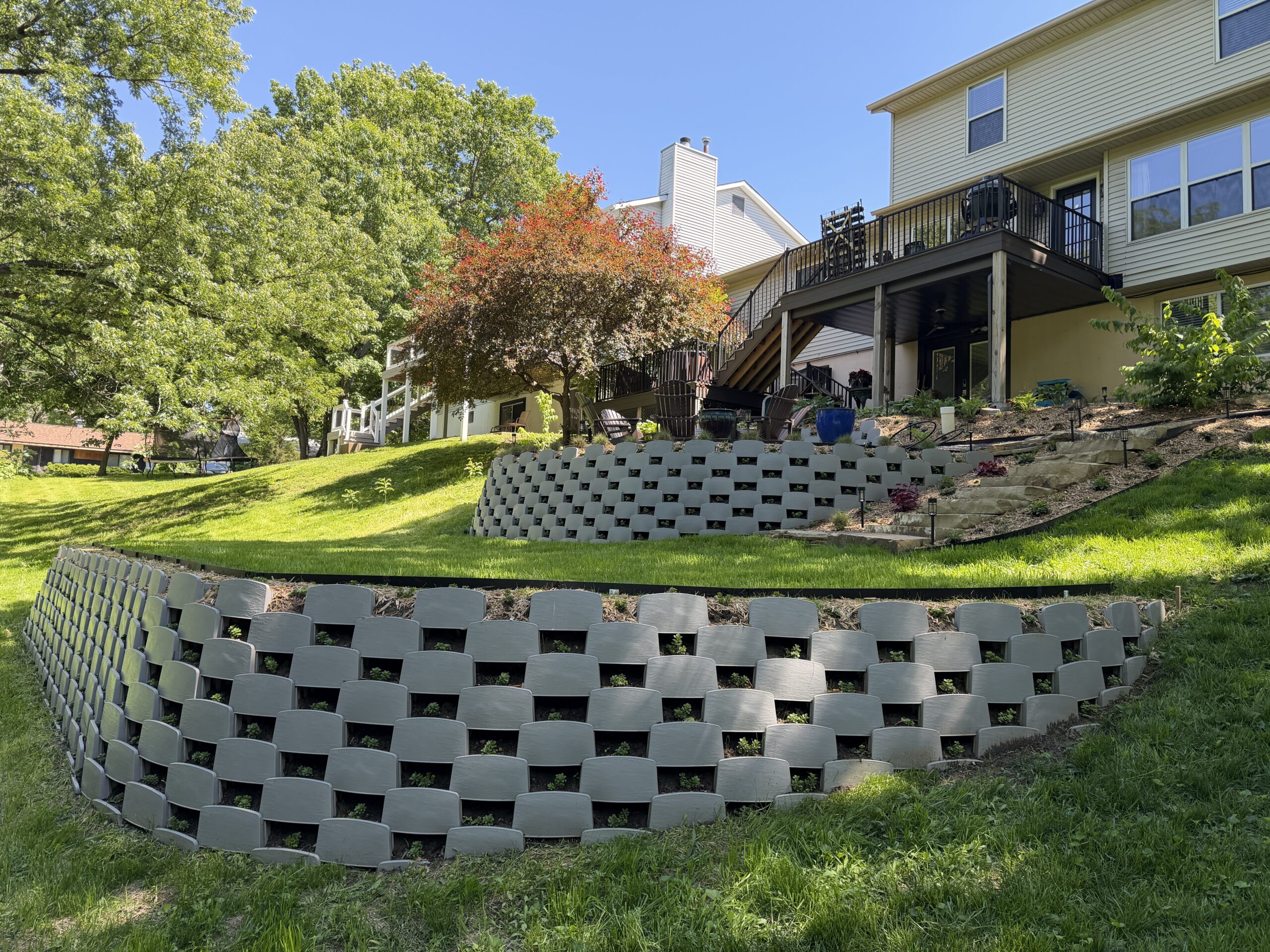
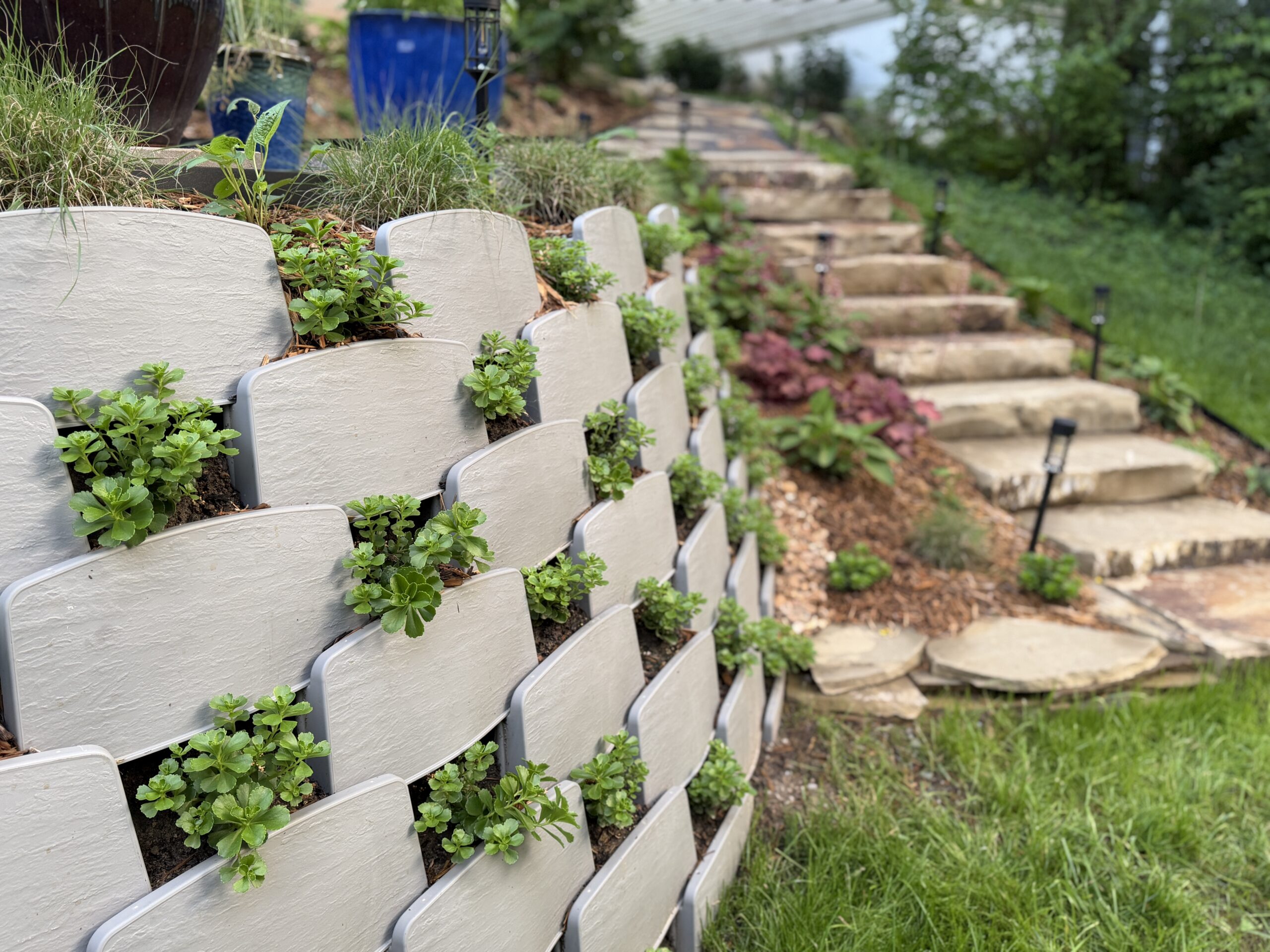
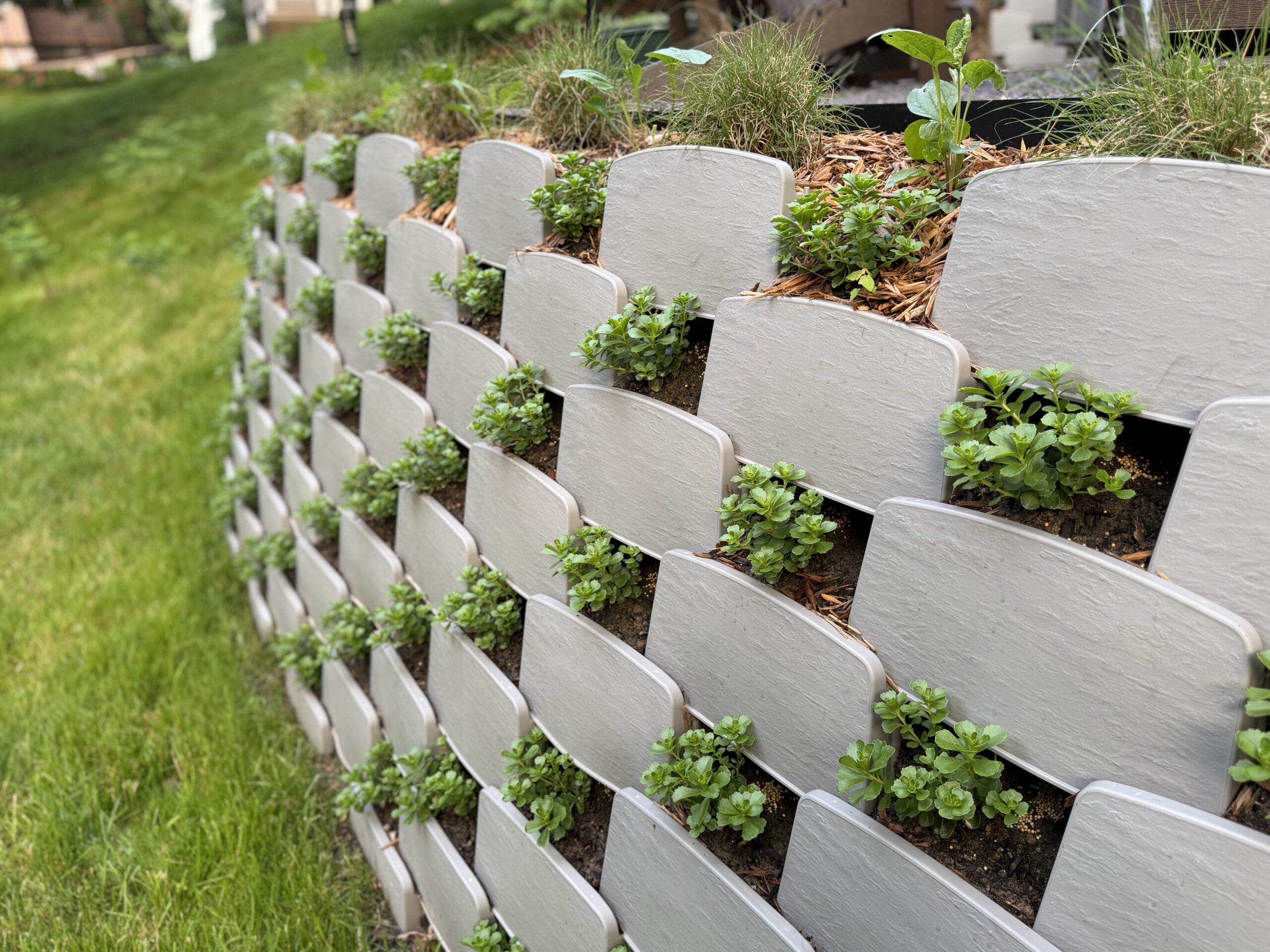
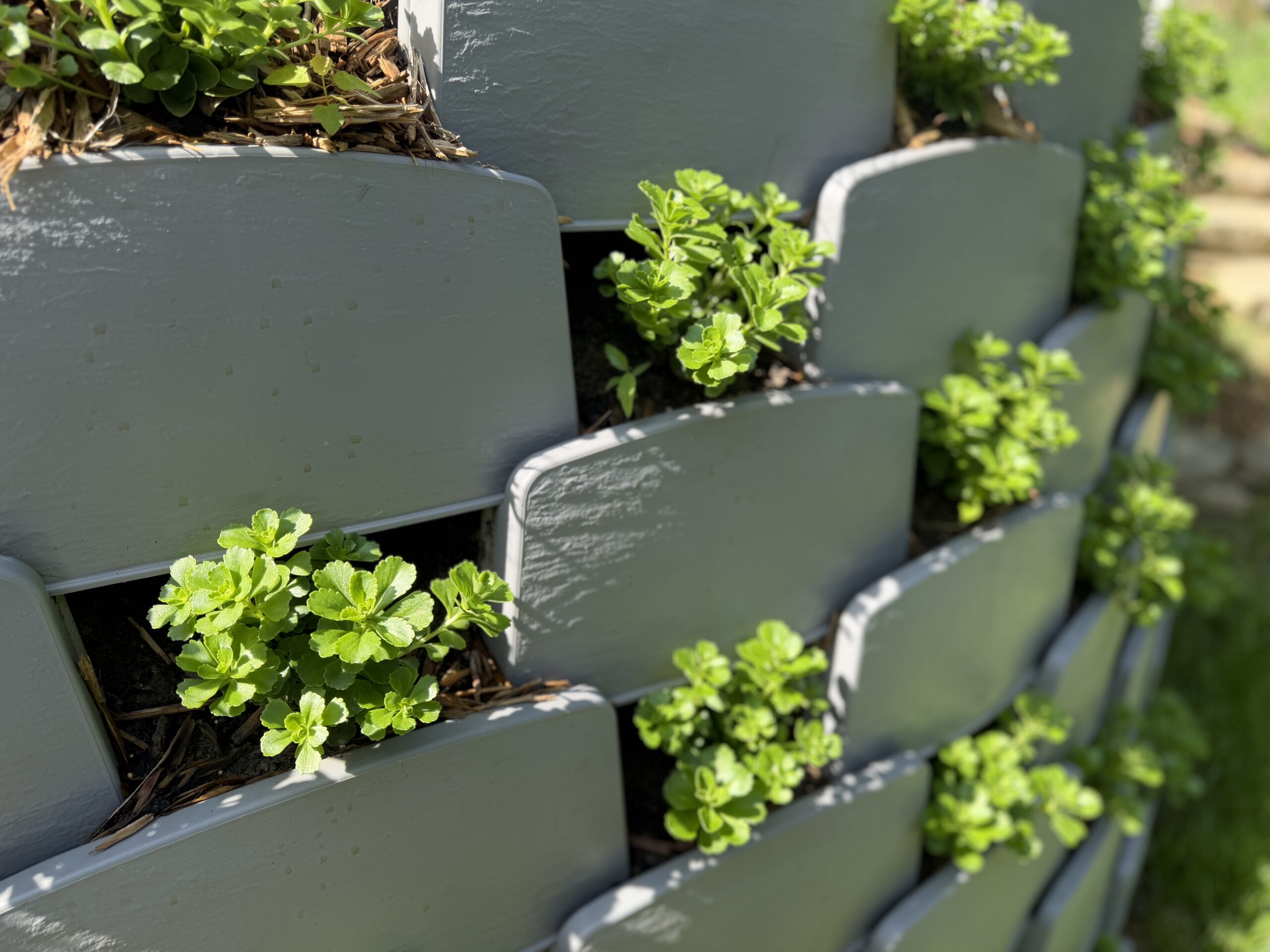
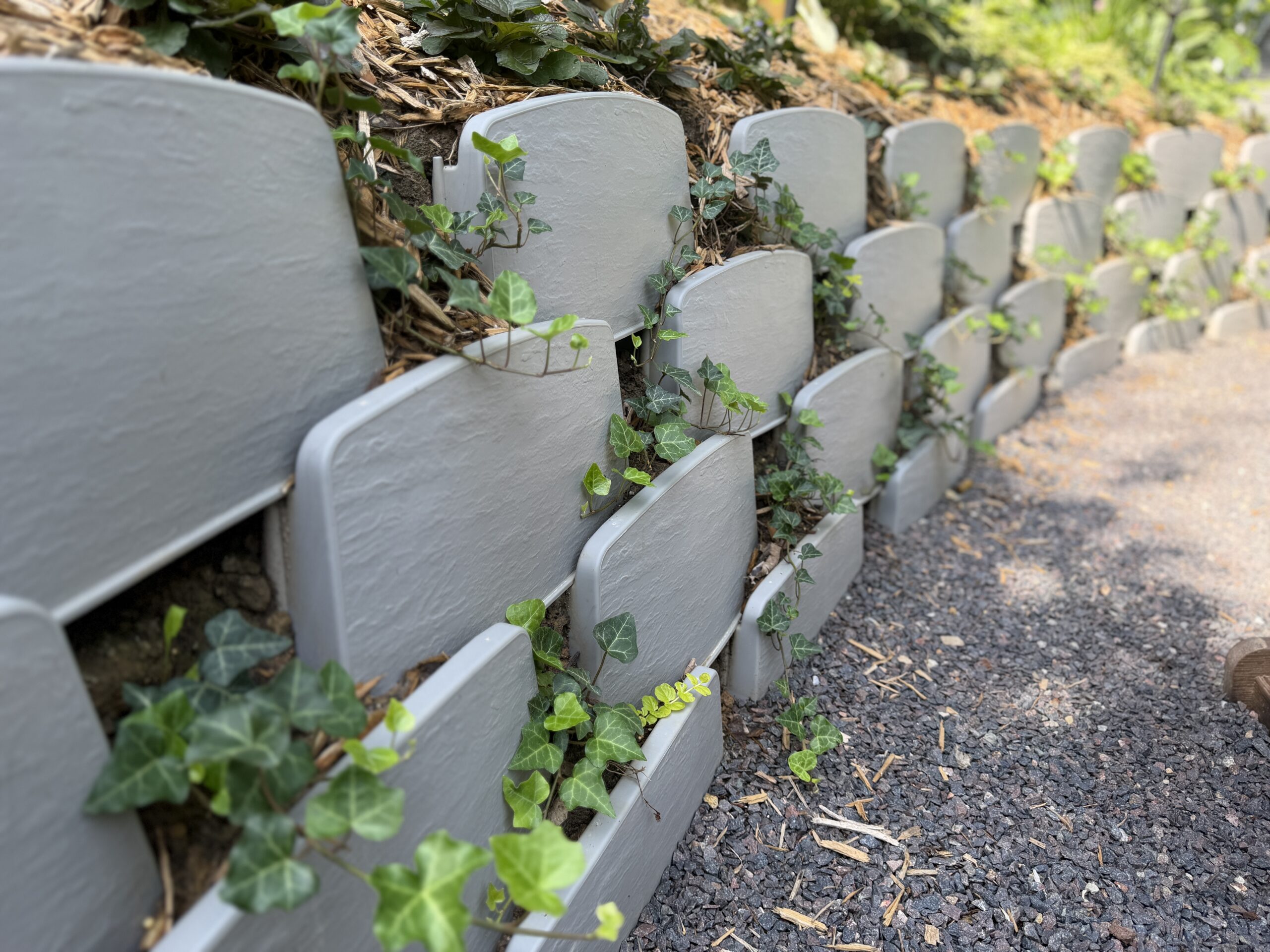
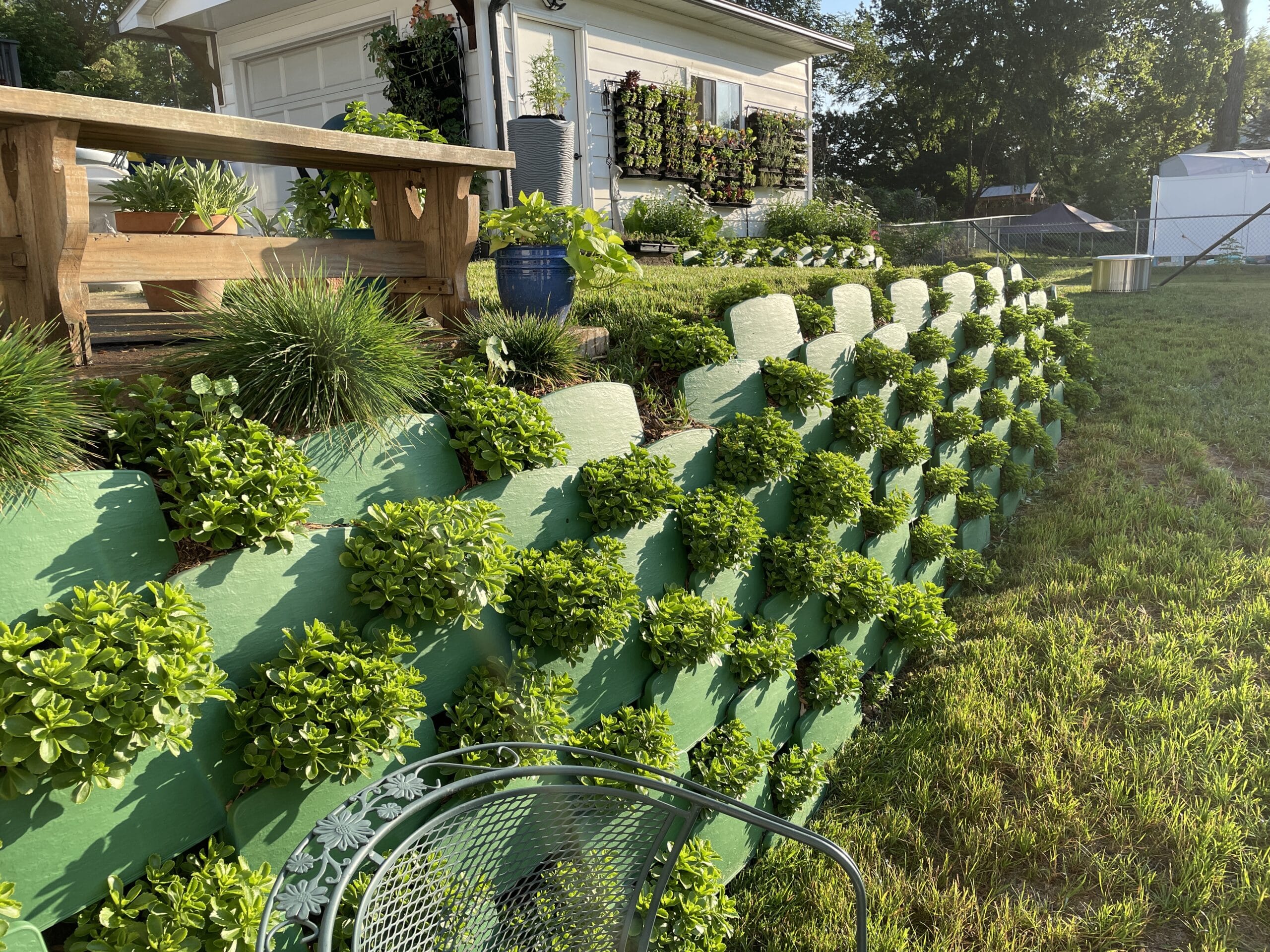
Mid-Sized Varden Block Retaining Wall Example
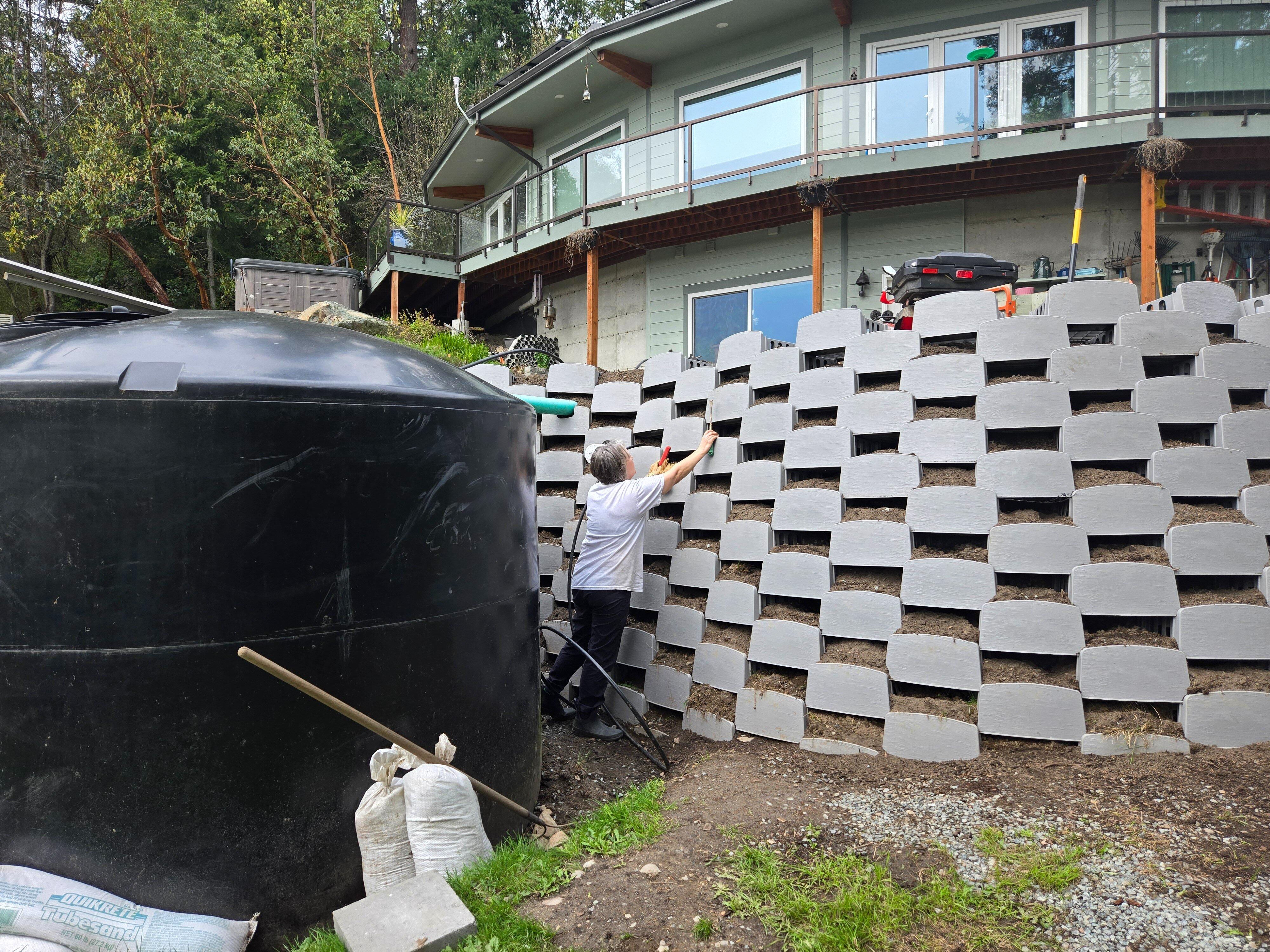
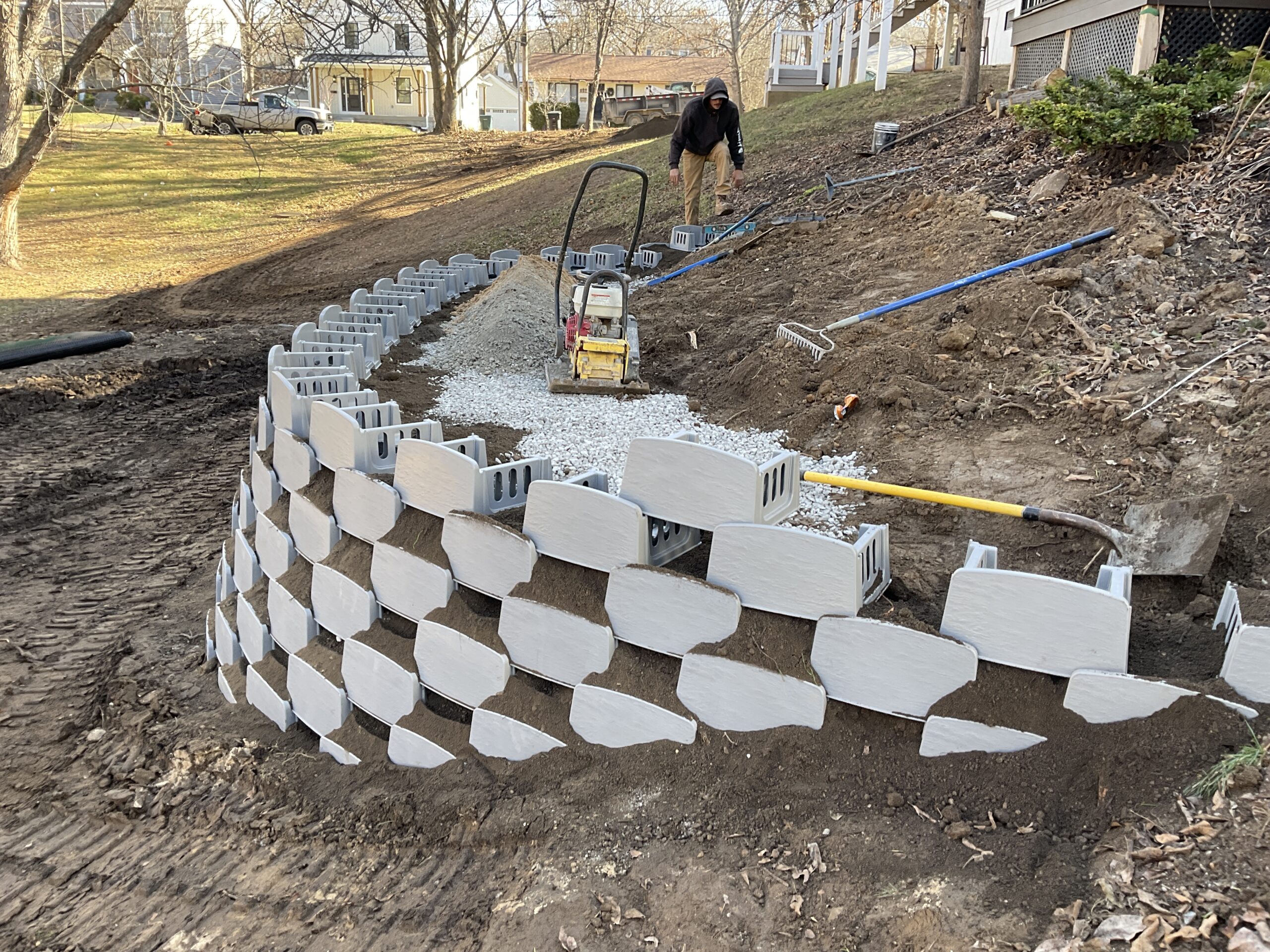
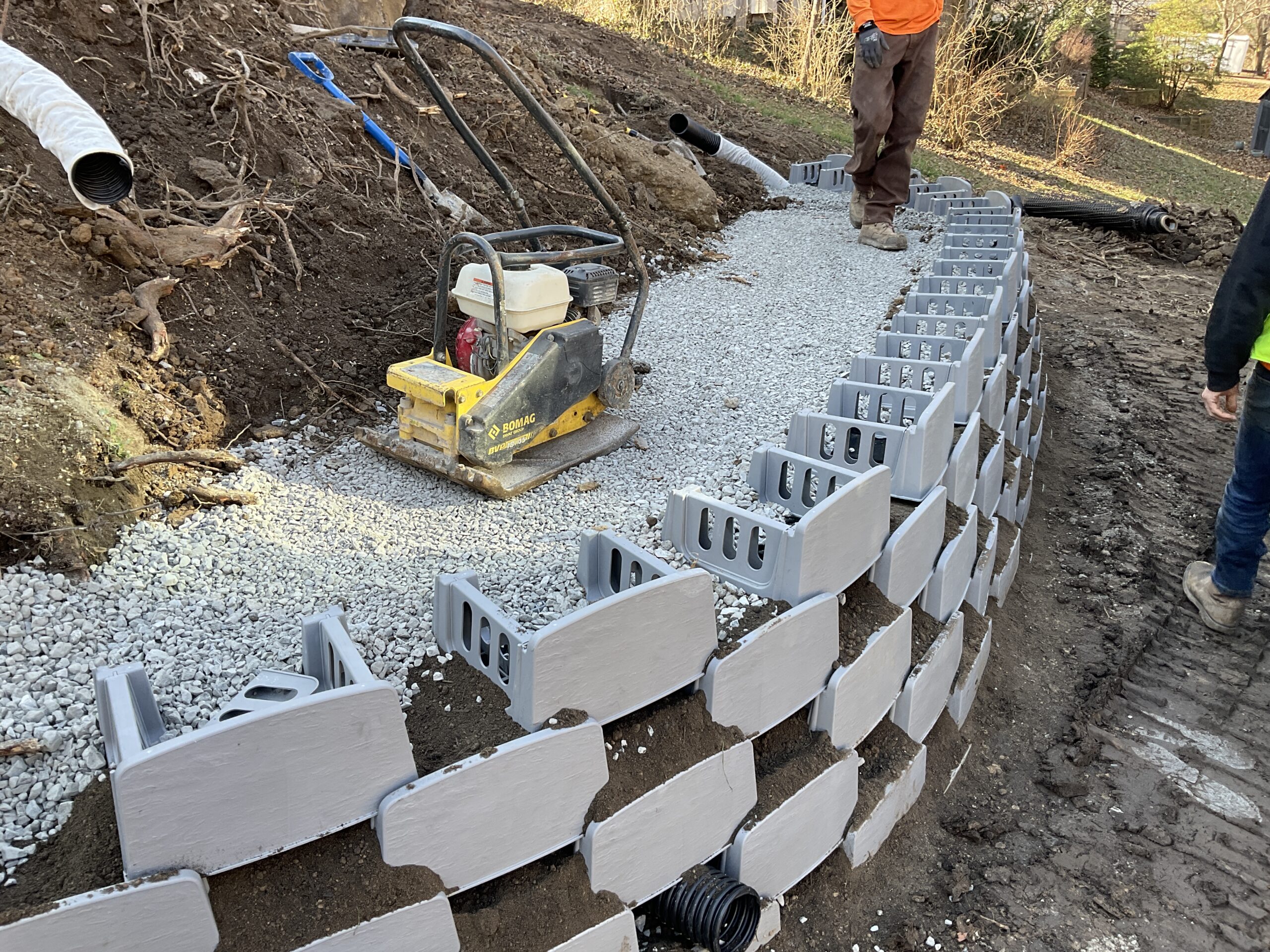
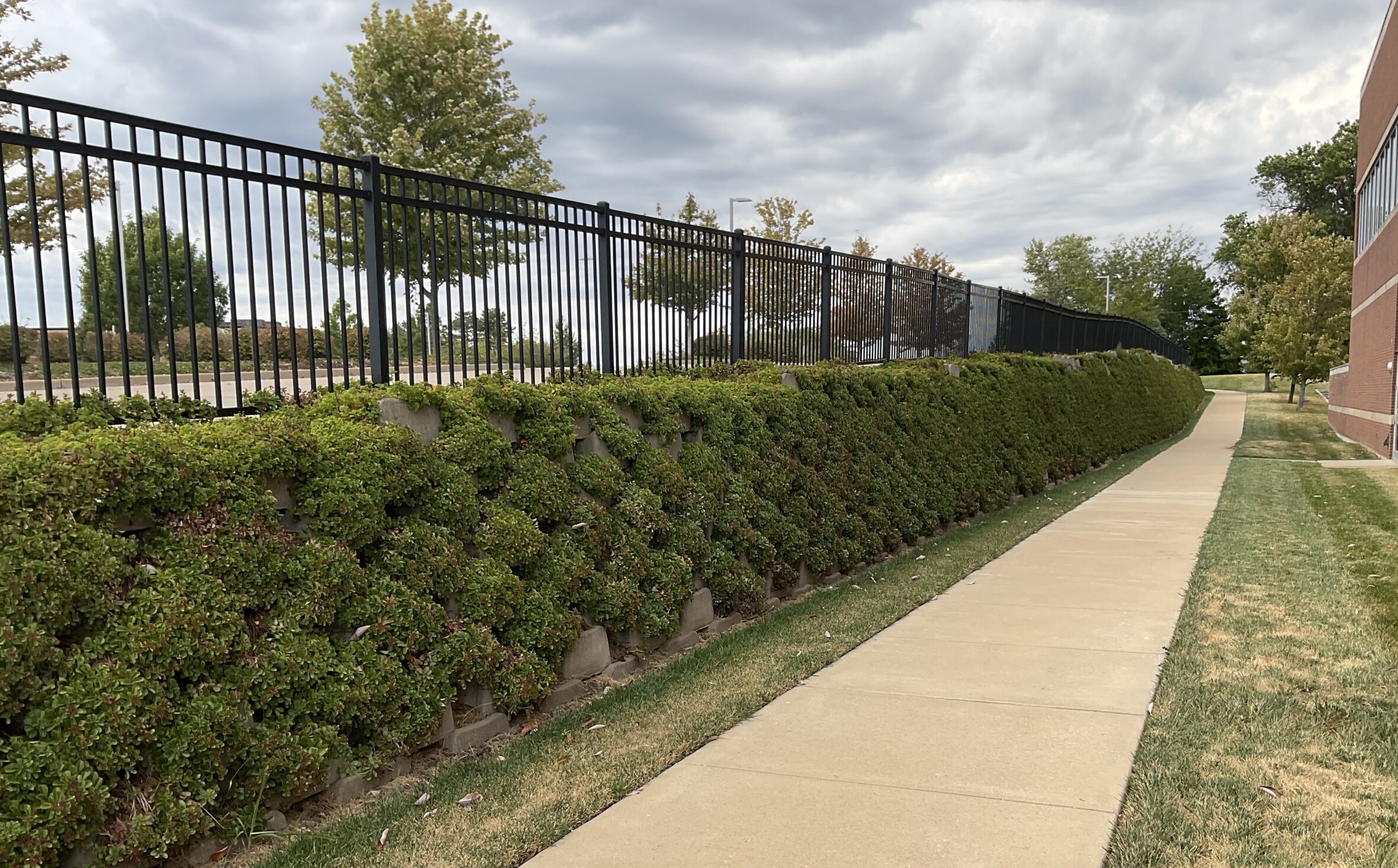
The retaining wall featured in the picture carousel above is a typical size wall for backyard landscape applications. This wall was built by a landscape crew but it could easily have been a DIY project as well. The light weight of the Varden™ blocks take much of the hard work and heavy lifting out of the install, which is great for the pro installer and DIY’er too. The featured wall site had very poor access for materials and equipment due to neighboring homes being close together and the extreme 3:1 slope trailing away from the back of the project home.
Wall Dimensions for Estimating:
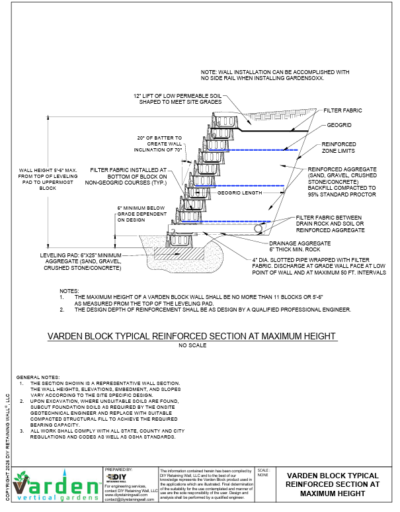
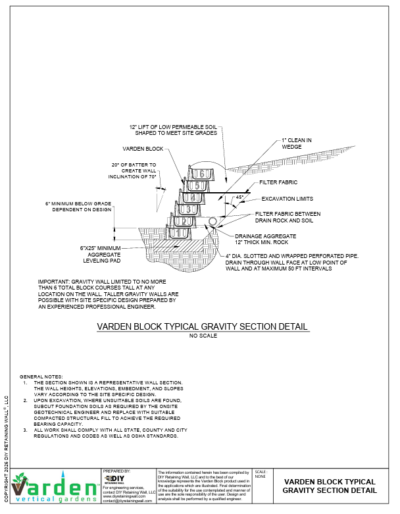
This plantable wall is 33 feet long and has a maximum above ground height of 4 feet tall in the center section. Both ends curve into the hillside and the bottom course steps up as it goes. You can review wall and construction details in our Varden Detail Booklet in our Support Docs section of the Verdtech website by clicking the hot links.
- Wall square footage calculated at 33′ x 4.5′ to equal 149 square feet (includes 1 course buried below ground)
- Each varden block covers 1 square foot, so this wall should require 149 block
- The wall actually used 146 block due to the curves and step ups on each end (wider block spacing for outside radius)
- Soil to fill the block pockets is 1 cubic foot per block, so figure 149 x 1 = 149 cubic feet of soil (our calculator will round up for waste)
- Through the tallest section, the wall has 9 courses of blocks since each course is 6″ tall
- Since this wall is over 3′ tall it requires geogrid reinforcement every third course of block (see detail sheet)
- Each of the 3 Geogrid layers are 33′ long x 4′ deep into the backfill, figure 33′ x 4′ x 3 layers = 396 sf of grid
Wall Materials Calculator:
We have created a materials calculator for our customers. They use it to gain a better understanding of the amount of block materials, the variety of related materials needed and proper round-ups for loss and yield. This takes much of the mystery out of total project ordering and cost estimating. We have a button below for quick reference, so give it a try and sample several potential retaining wall sizes to get an estimate of cost.
Block Ordering for This Mid-Sized Wall:
From the Verdtech website shop, this wall would take 15 of our 10 block boxes or 1 pallet of 125 blocks + 3 of the 10 pack boxes to complete the wall.
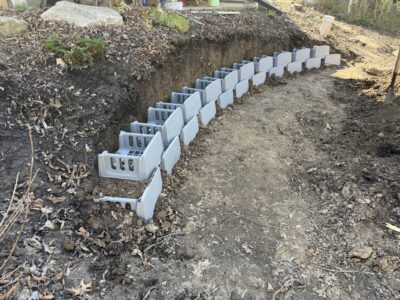
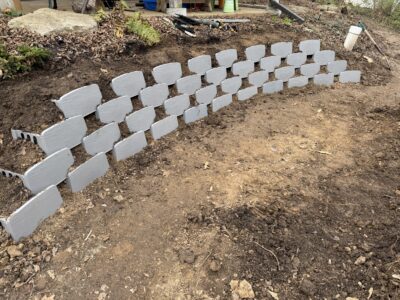
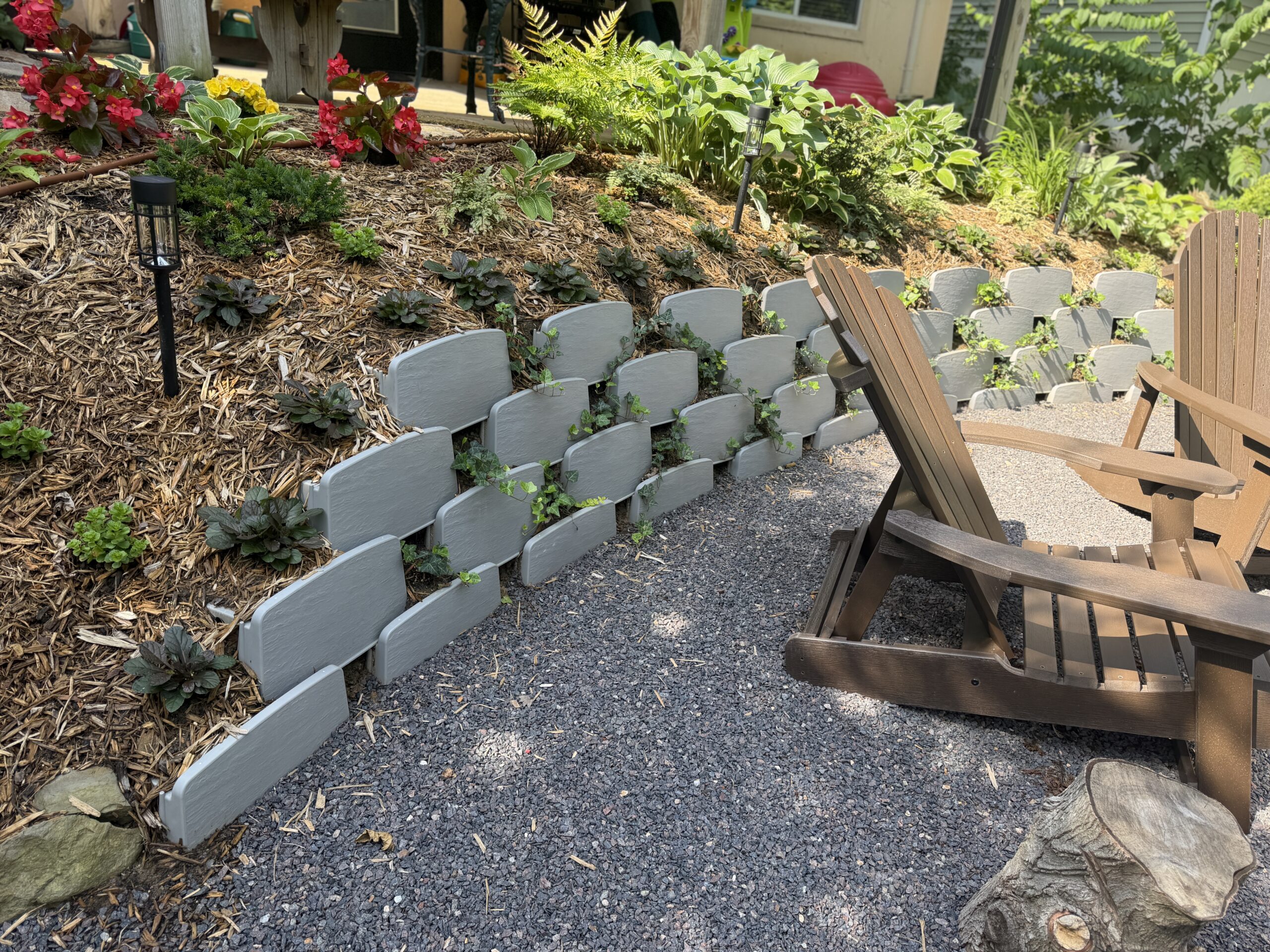
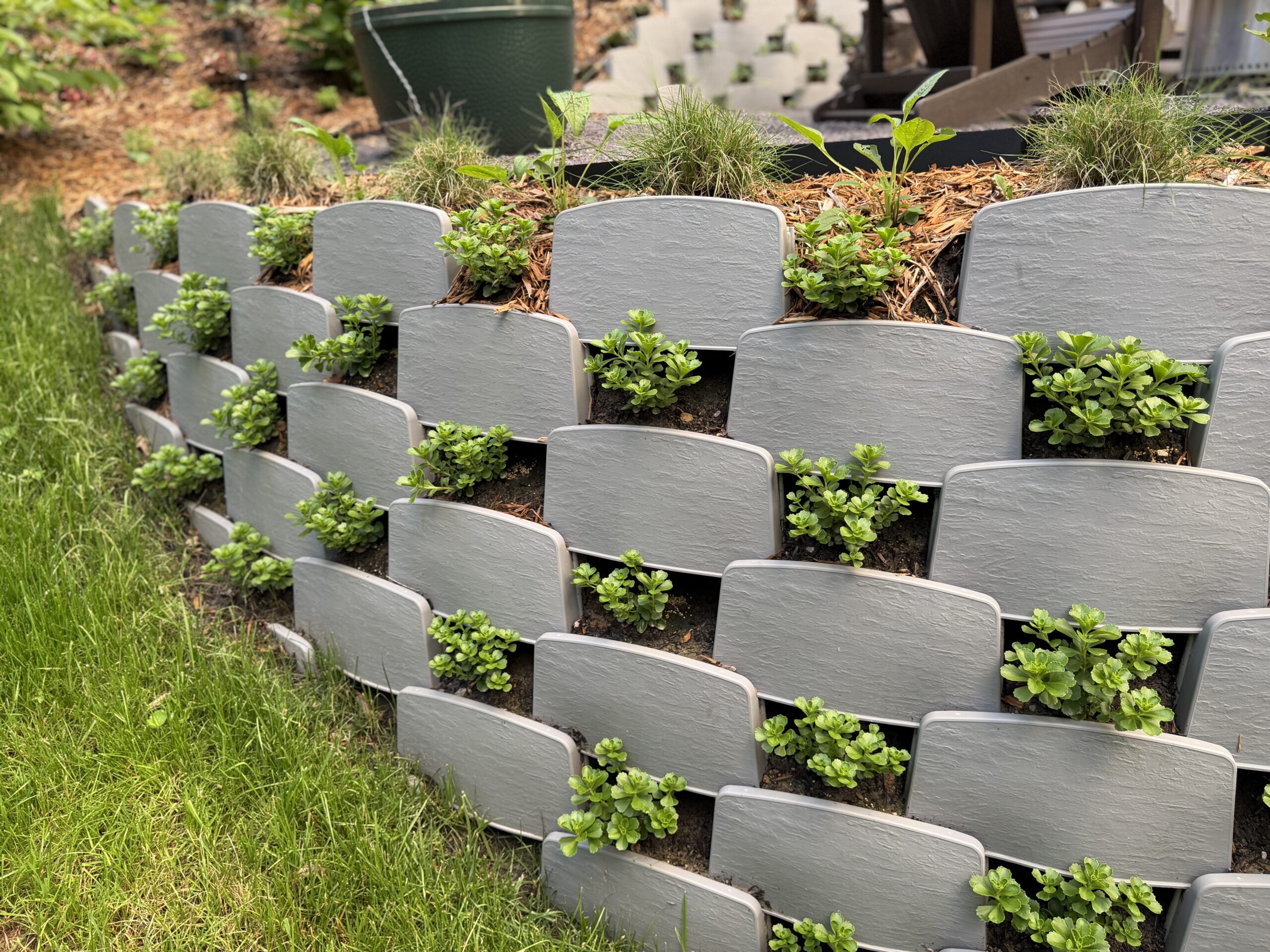
Small Varden Block Retaining Wall Example
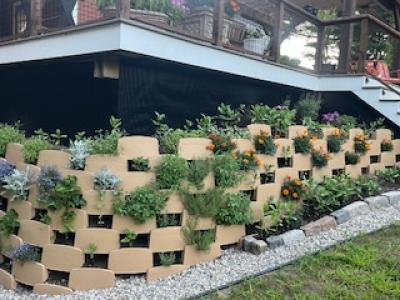
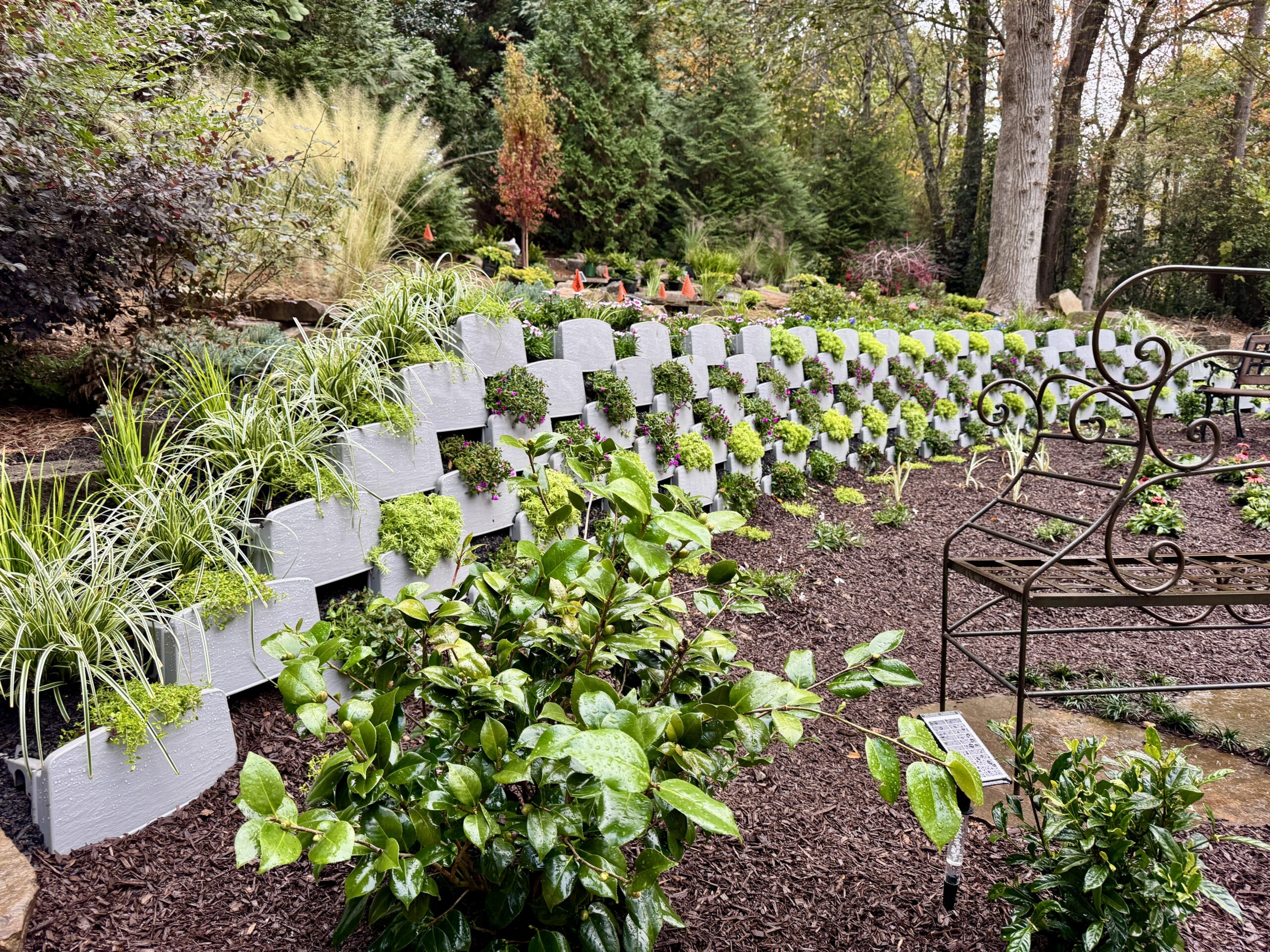
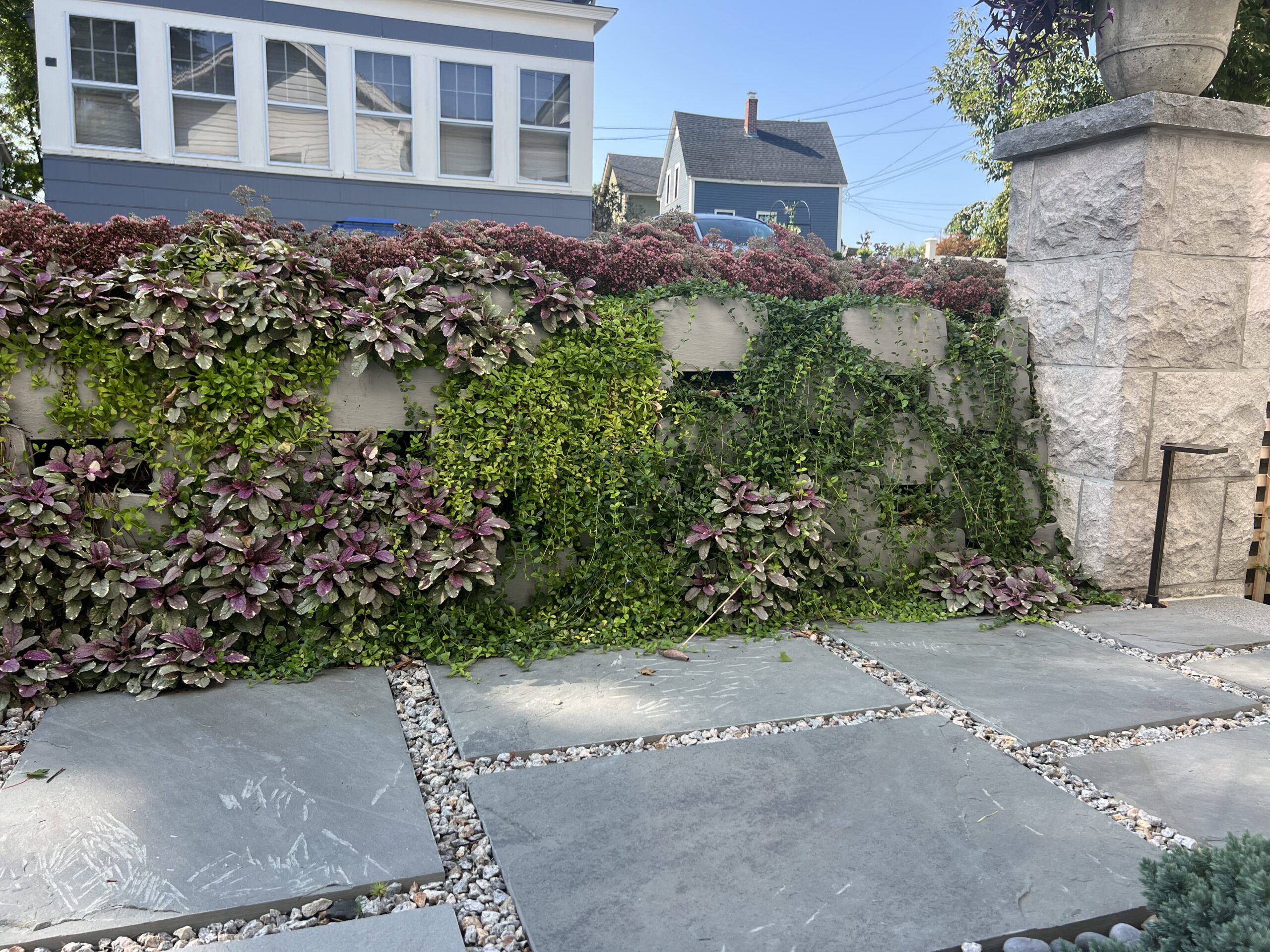
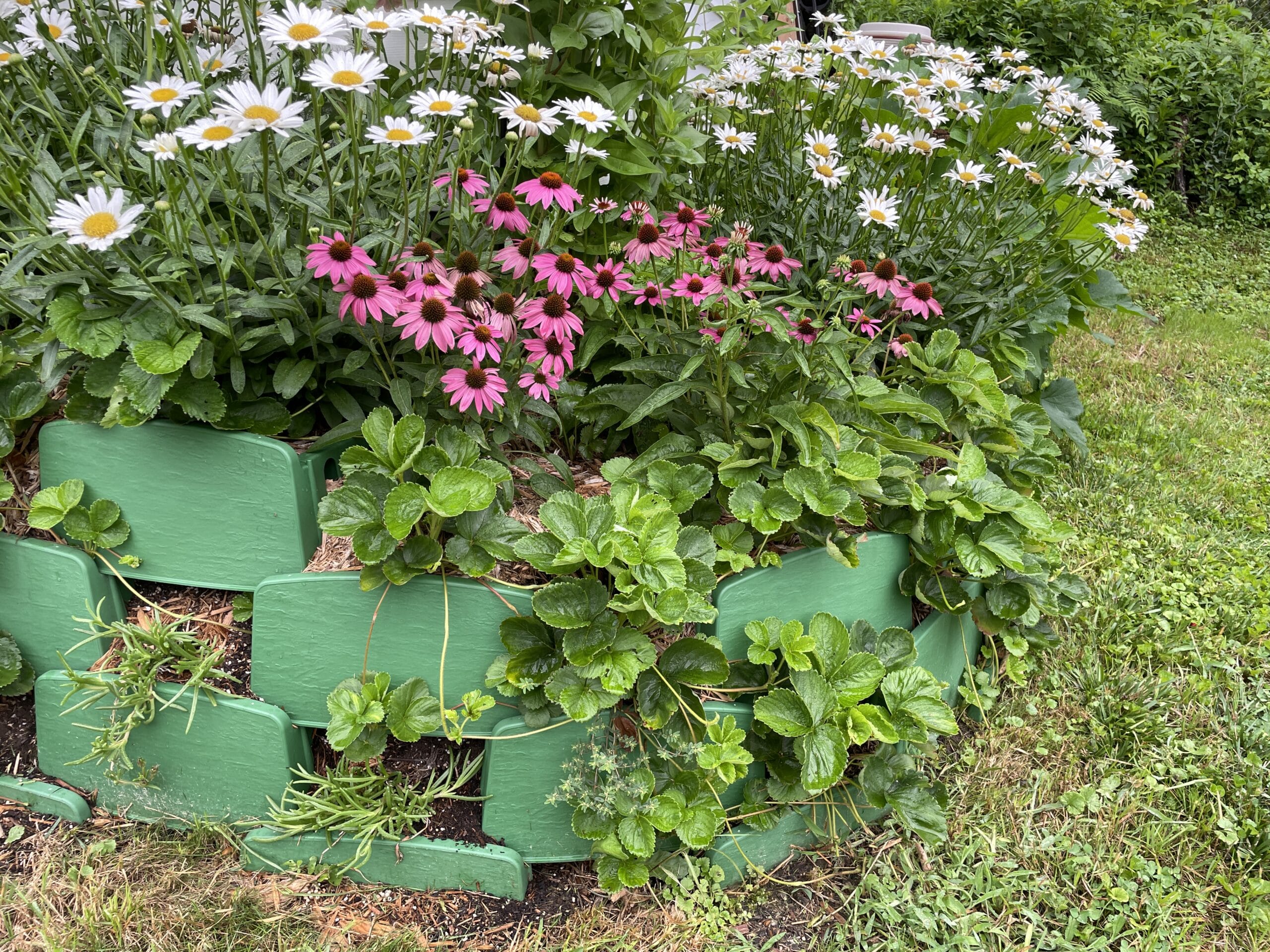
The retaining wall featured in the picture carousel above is a typical size wall for “Do-It-Yourself applications”. This wall was a DIY build. The light weight of the Varden™ plastic retaining wall blocks take much of the hard work and heavy lifting out of the install, which is great for the pro installer and DIY’er too. The hardest part of this wall site was digging the embankment out by hand, but its fun to dig in the dirt for your own projects once in a while. Now that the wall is in it will last for decades and be an endless source of beauty for those sitting by the fire pit on this patio area.
Wall Dimensions for Estimating:
This plantable wall is 16 feet long and has a maximum above ground height of a bit less than 2 feet tall for most of the wall. Both ends step down and curve away from the hillside. This inside radius condition requires a more narrow spacing between blocks and will use slightly more blocks that the simple calculation for square footage derives. You can review wall and construction details in our Varden Detail Booklet in our Support Docs section of the Verdtech website by clicking the hot links.
- Wall square footage calculated at 16′ x 2′ to equal 32 square feet (includes 1/2 course buried below ground)
- Each varden block covers 1 square foot, so this wall should require 32 block
- The wall actually used 39 block due to the inside curve and step-downs on each end
- Soil to fill the block pockets is 1 cubic foot per block, so figure 32 x 1 = 32 cubic feet of soil (our calculator will round up for waste)
- Through the tallest section, the wall has 4 courses of blocks since each course is 6″ tall
- Since this wall is under 3′ tall it does not require geogrid reinforcement (see detail sheet)
Block Ordering for This Mid-Sized Wall:
From the Verdtech website shop, this wall would take 4 of our 10 pack boxes to complete the wall.
See these walls live on our YouTube channel
You can see both example walls shown in the YouTube Shorts added below. View more Varden block info on full channel and subscribe for updates.
Share This Story, Choose Your Platform!
Related Posts
About the Author: Mark Woolbright