Varden Retaining Wall Blocks: Lightweight Plantable Solutions
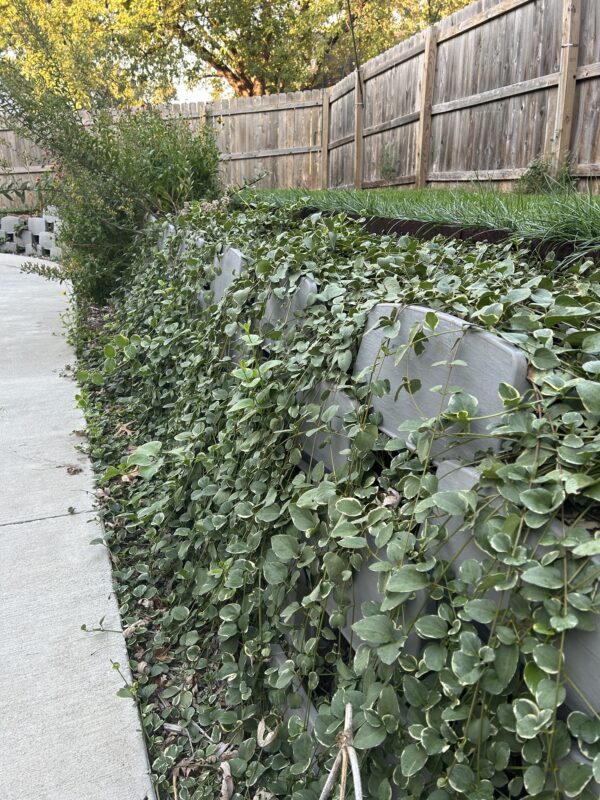
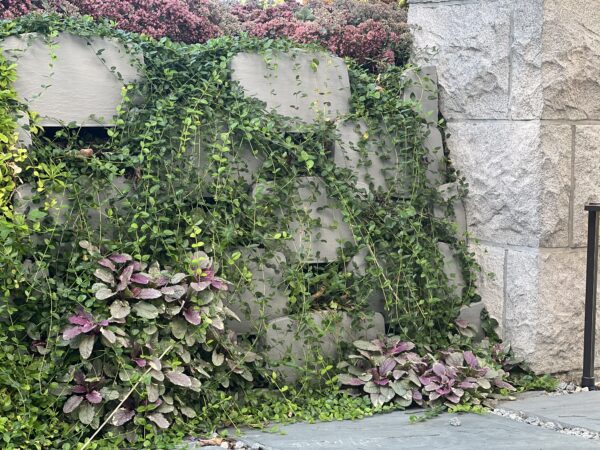
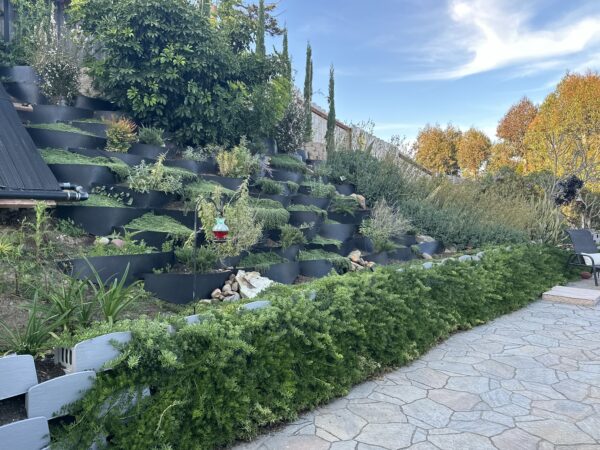
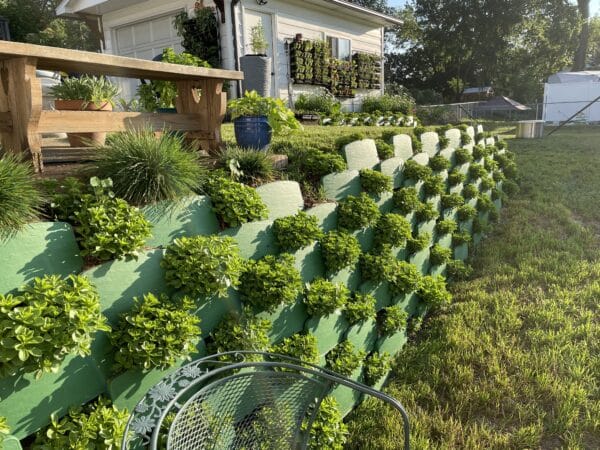
Explore how Varden retaining wall blocks serve as a lightweight alternative to traditional concrete, ideal for plantable retaining walls.
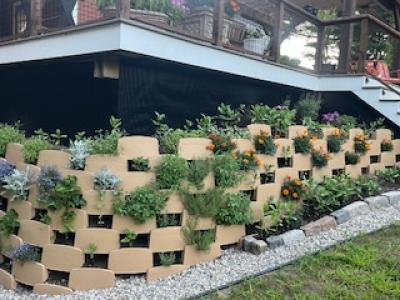
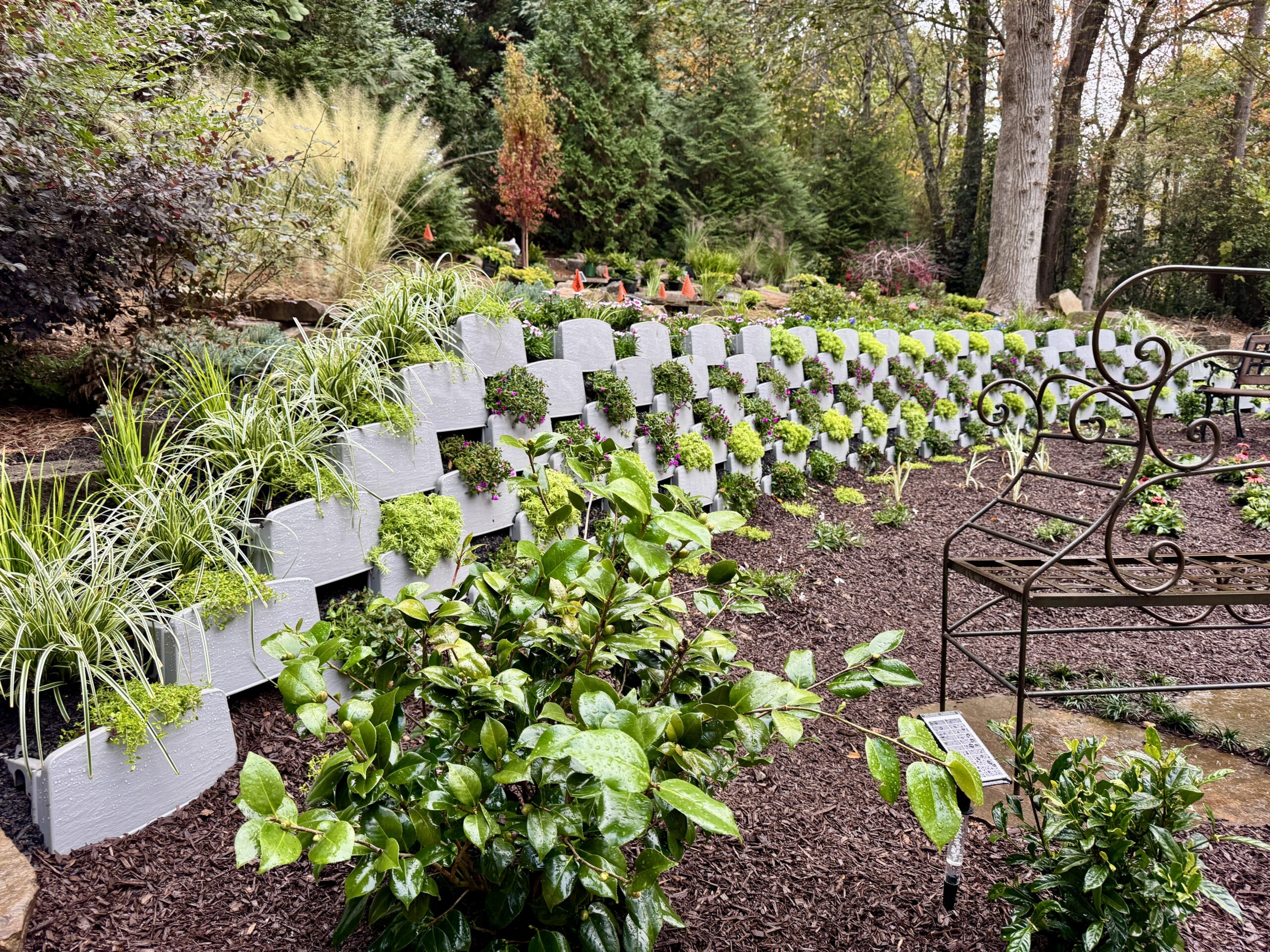
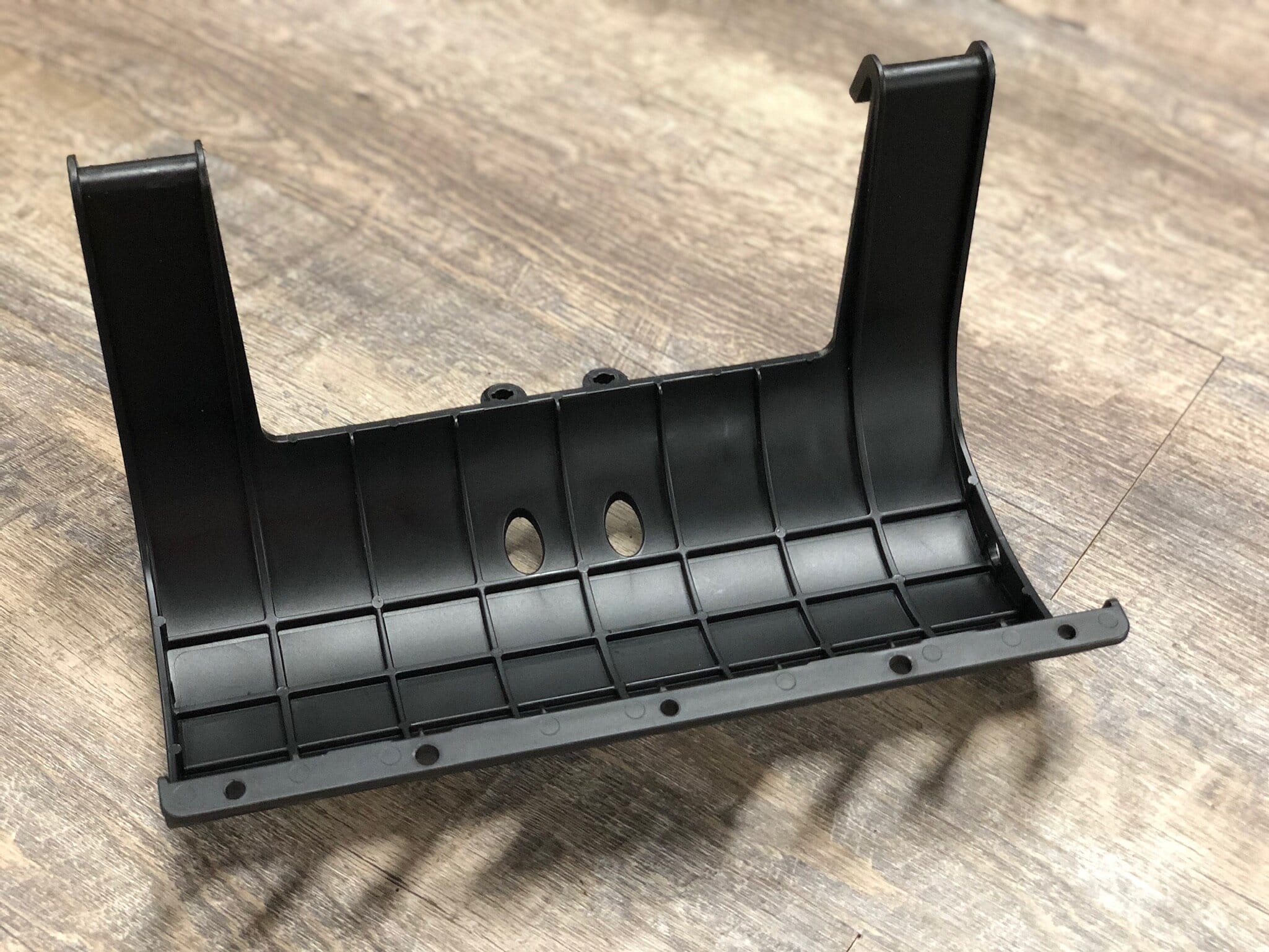
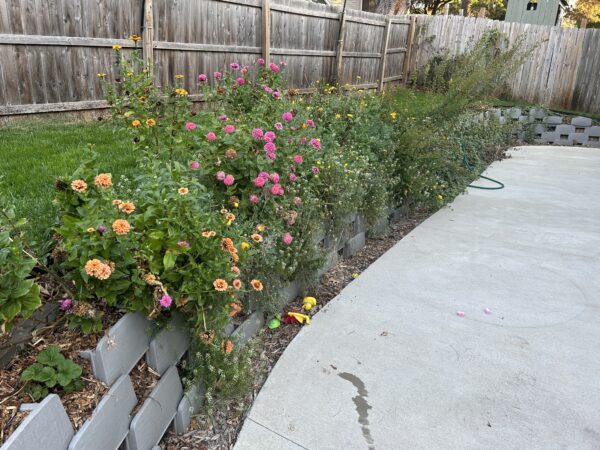
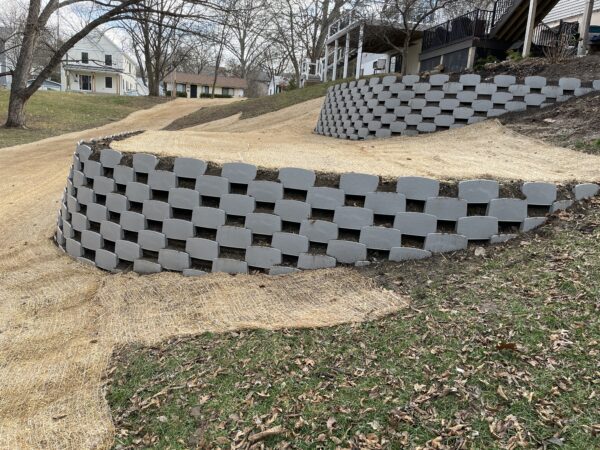
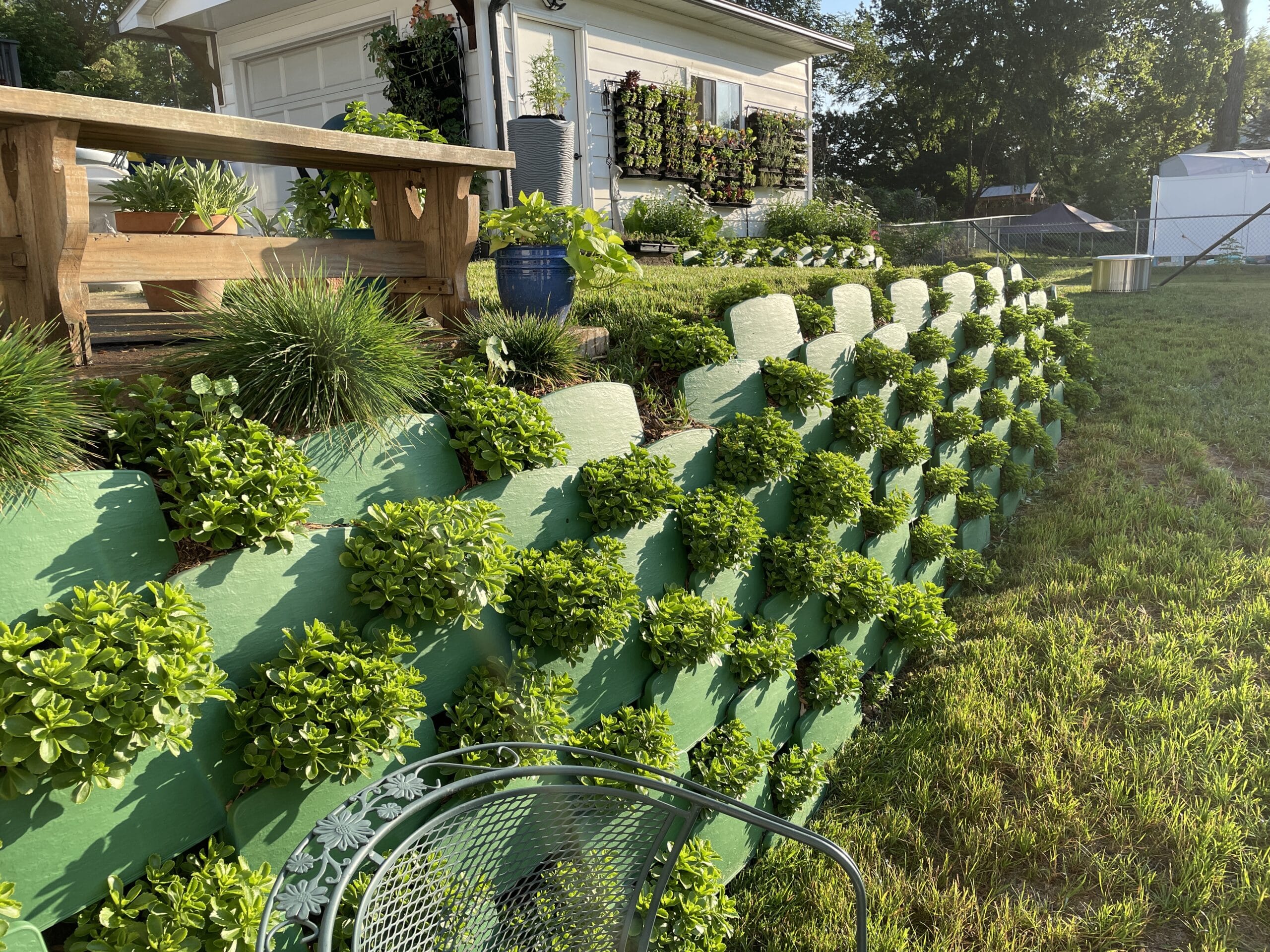
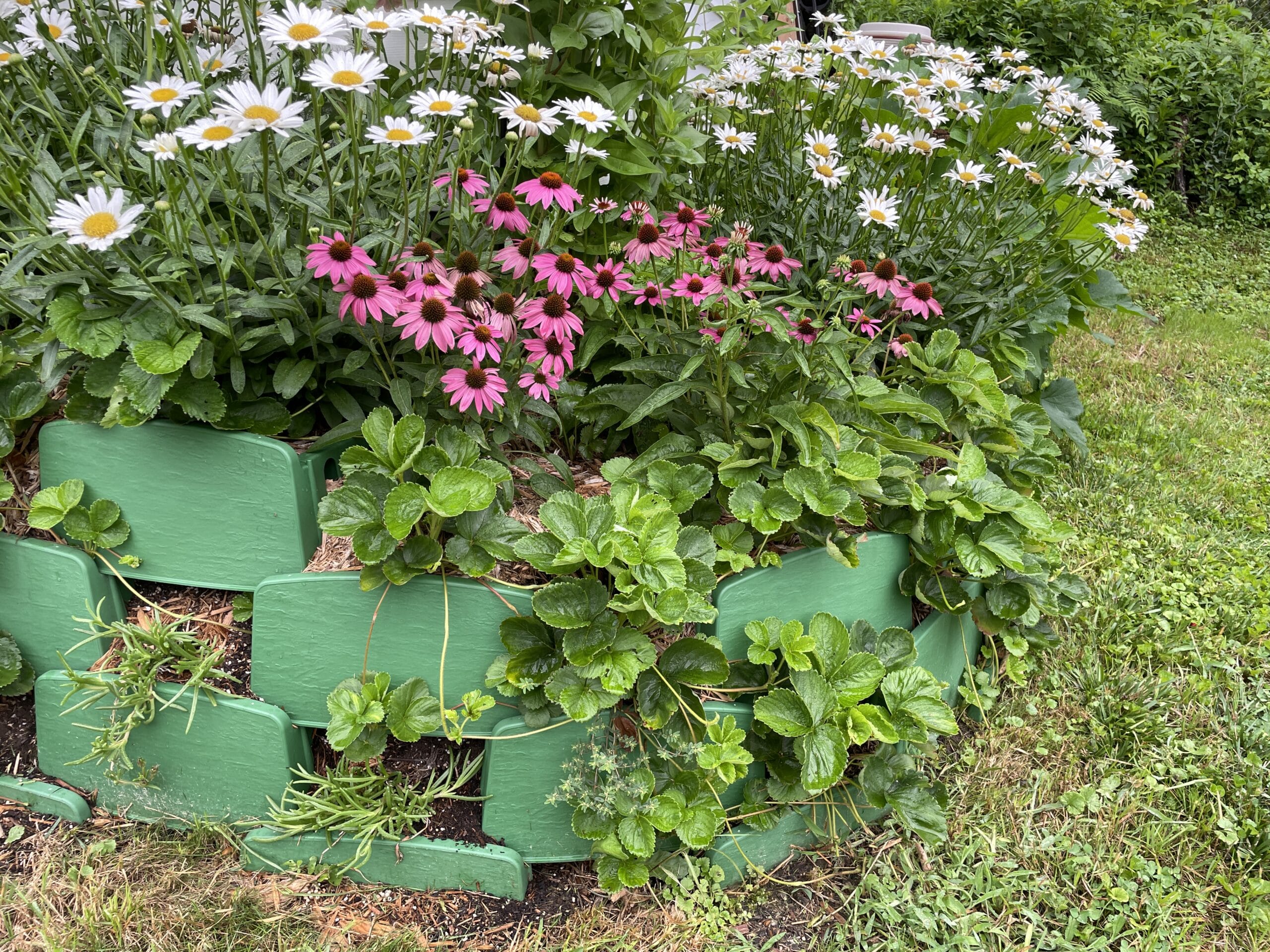
Our customers have traditionally chosen Varden blocks based on how light they are and how easy they are to ship and handle for DIY projects and even for professional landscape use. There are many small concrete retaining wall blocks out there, but their functionality is limited due to the fact that the pieces are so small and there’s really no way to reinforce them with geogrid. Filling the pockets in the block with good growing soil enables the wall face to be planted with regionally appropriate plants for each application. This makes every Varden retaining wall unique and one-of-a-kind, much more of an environmental statement than just a concrete separator for a grade change. Since the blocks cover one full square foot each and can be reinforced with geogrid material, the utility of these blocks is beyond anything in the lightweight sector.
Introduction to Varden Retaining Wall Blocks
Check out our short brochure that shows all the details on the block. You can also go to our Plantable Retaining Wall page or our shop for more.
Benefits of Using Lightweight Blocks for Plantable Retaining Walls
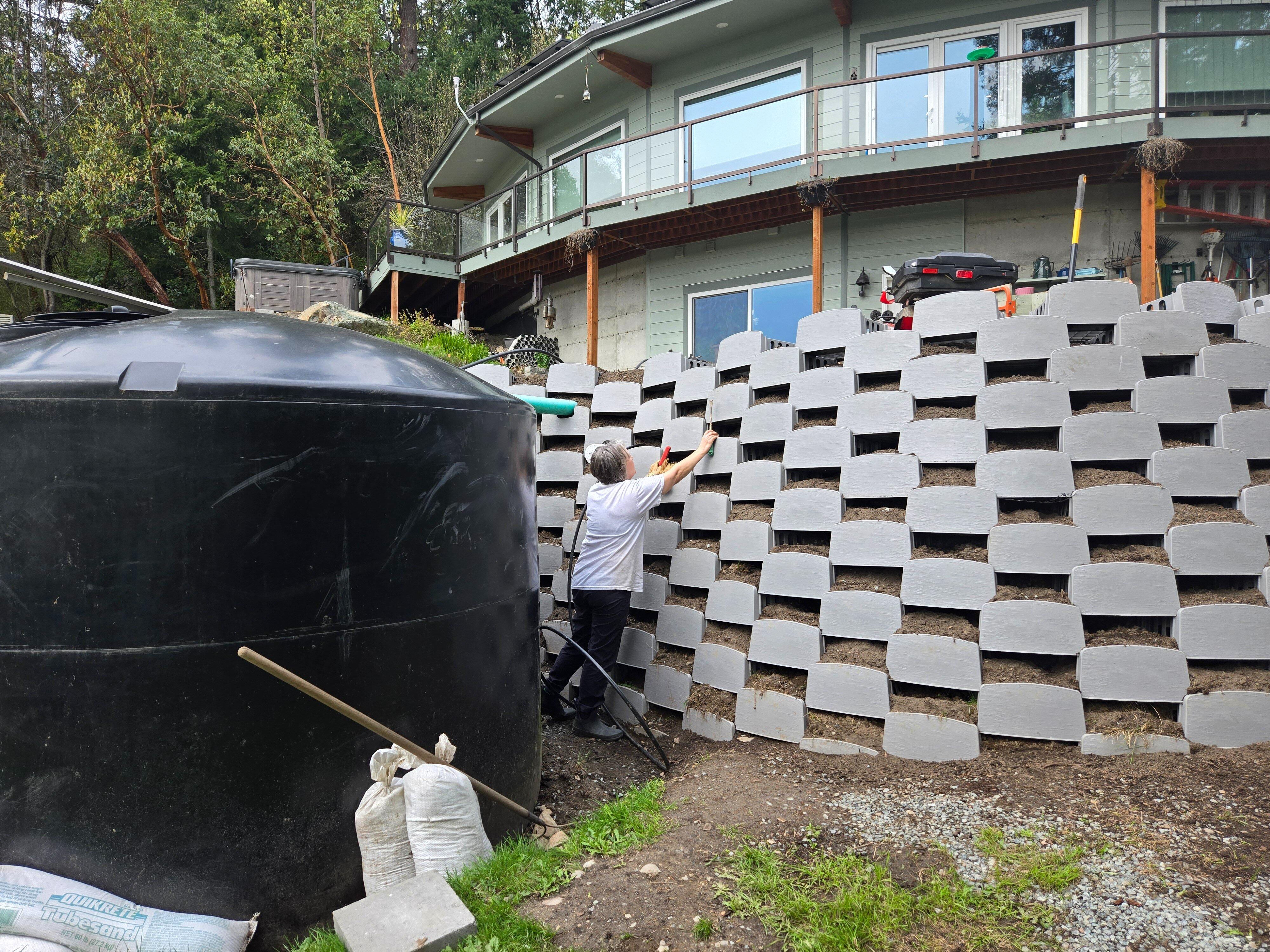
The most noticeable feature of the Varden blocks is how light they are, and how they stack or nest in a box or on a pallet for very economical shipping. This feature makes the blocks easy to place on the job site even without equipment. A full pallet of 250 blocks only weighs 800 lbs. and they can easily be picked up in large stacks and hand carried to the wall construction site if there’s no equipment access. This fact alone makes the blocks very desirable for construction whether it’s a DIY installer on their “one and only” project or a professional landscape crew.
The next benefit is that the blocks could never injure anyone building with them. Even if dropped on your fingers or toes it’s almost laughable. For professionals, this feature greatly reduces labor force fatigue, workers compensation exposure and slow wall production in the afternoon due to the crew being totally worn out. Nobody gets worn out setting blocks that weigh 3 lbs. See our installer page and map here.
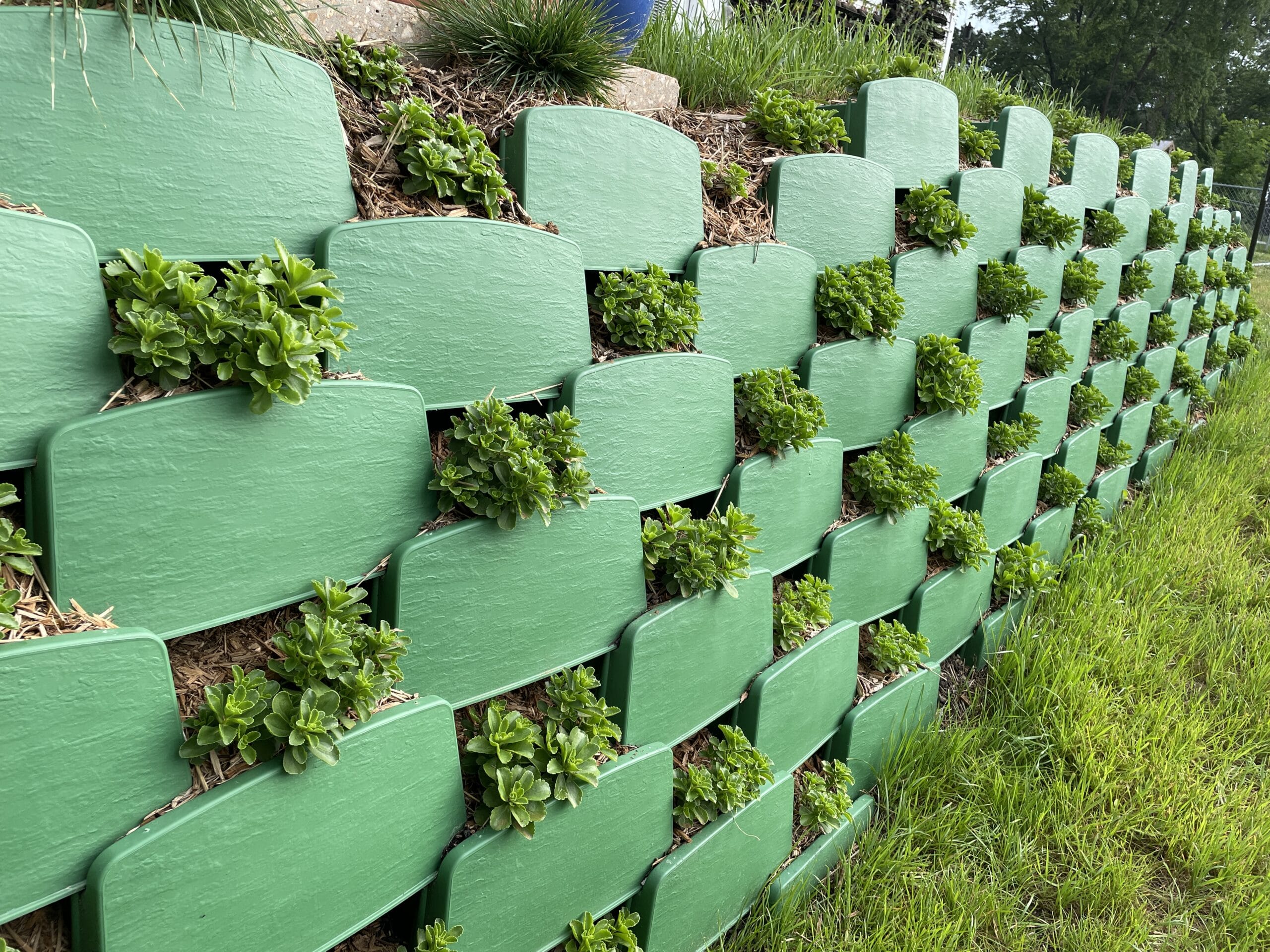
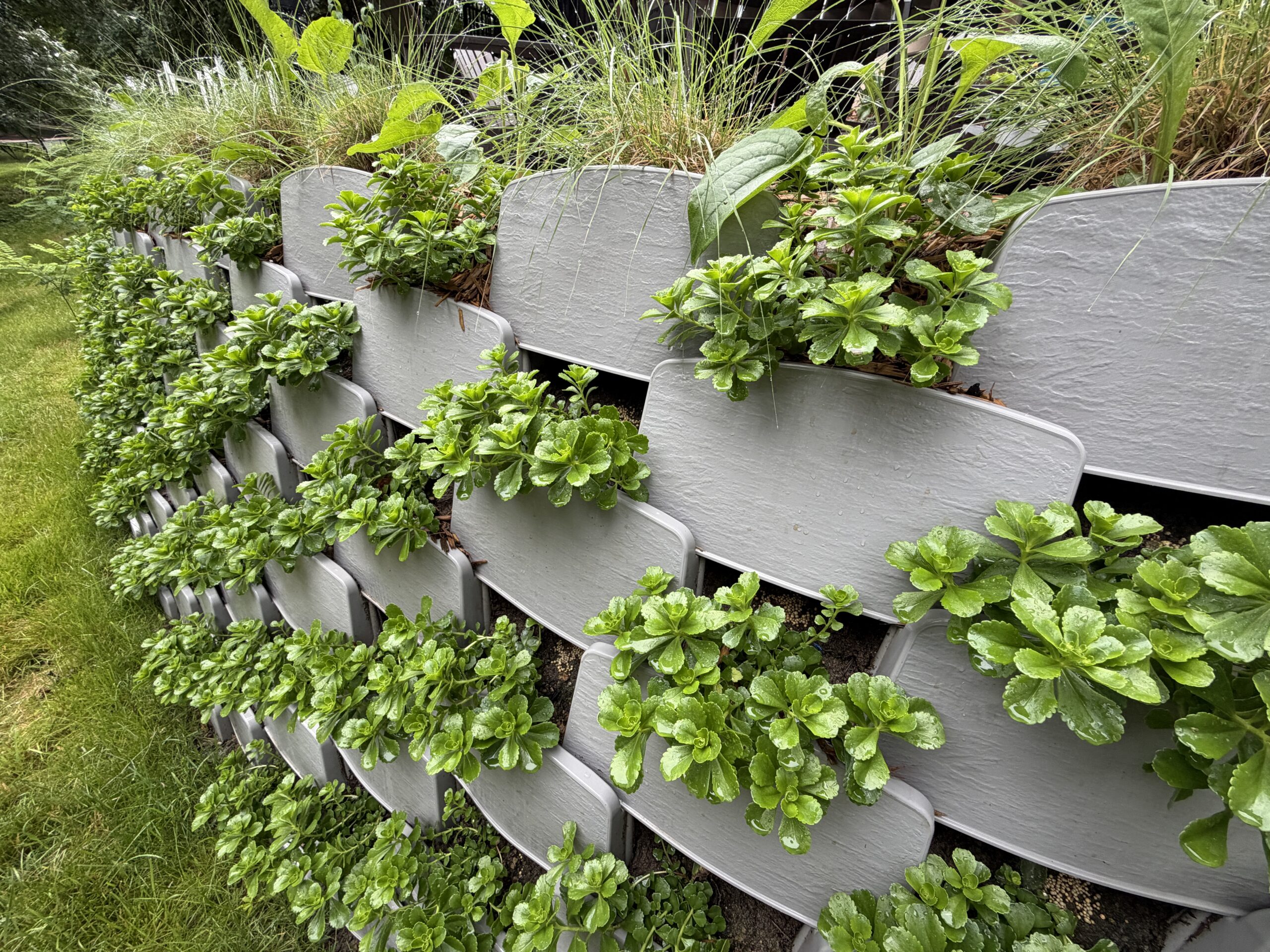
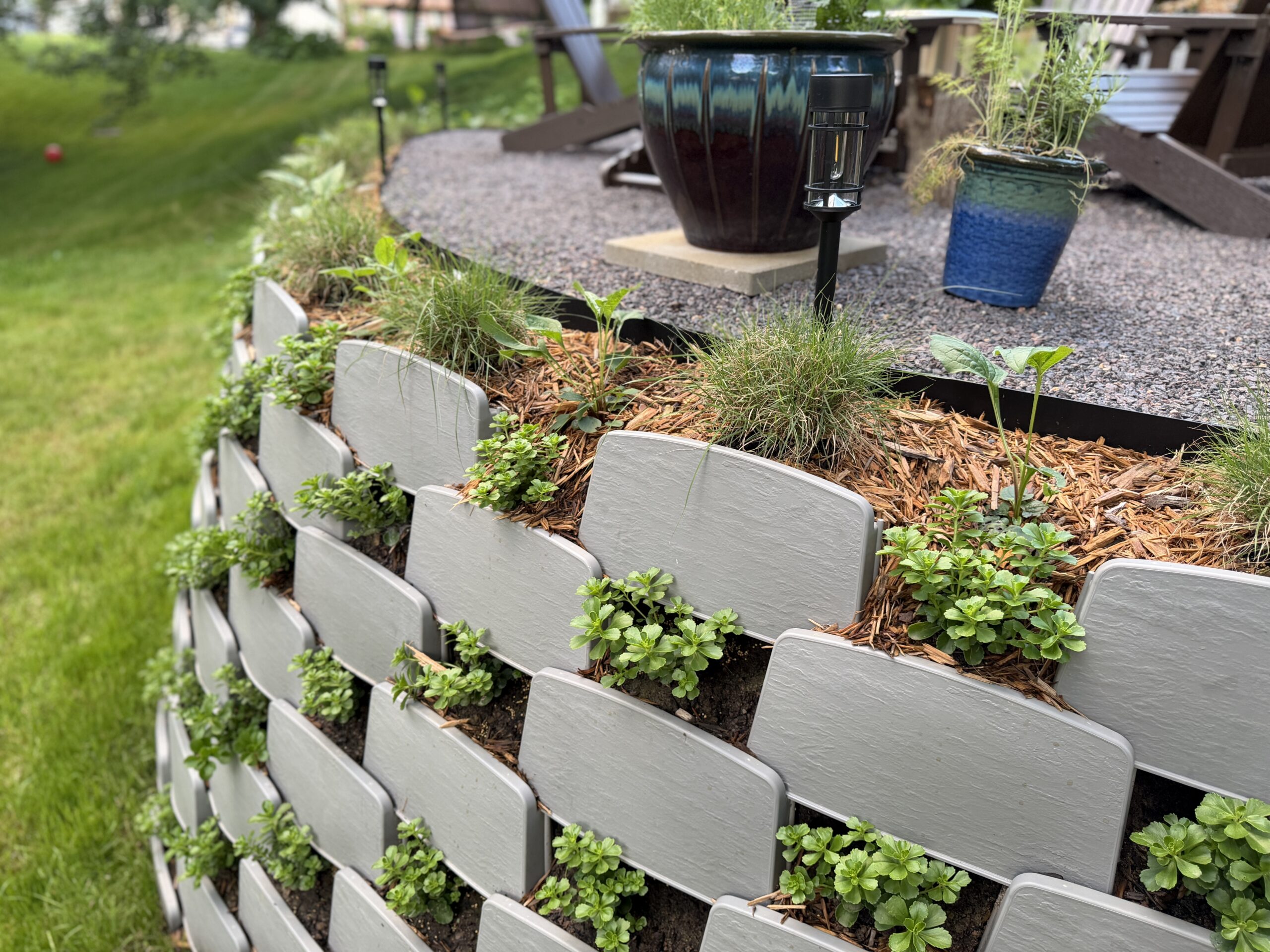
From a plant culture standpoint, the pocket on each block is so large that each square foot of wall face holds 1 cubic foot of growing soil within it. Plants that are planted in the face of a Varden block retaining wall system hardly know that they are in a retaining wall. Moisture and roots can move in any direction and can also move through the various courses. Thus creating excellent plant health and survivability even without irrigation. Because of the design of the blocks, it is also very easy to add drip irrigation to these walls as they are built.



Comparing Varden Blocks with Concrete
Environmental Advantages:
I have a great appreciation for concrete as I’ve spent many years in that business, but it’s pretty easy to do the research and see that the production of concrete with manufactured aggregates and Portland cement is one of the top greenhouse gas emitters annually, worldwide. Varden blocks are plastic, but they are a forever use plastic that is stabilized from UV degradation for many years. Based on the thickness of the plastic and the fact that most of the block is buried in the ground, Varden blocks will last as long or longer than concrete once installed.
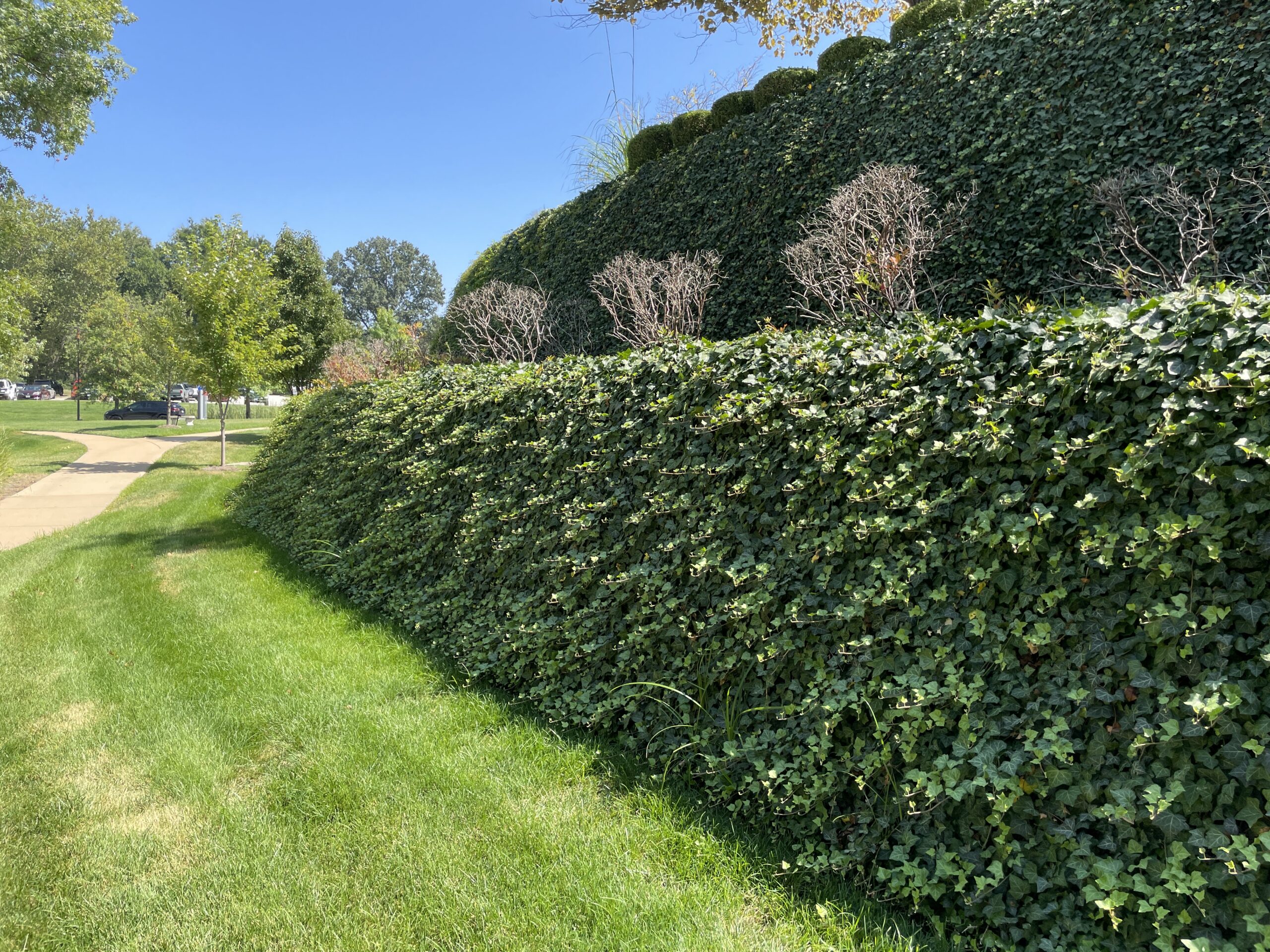
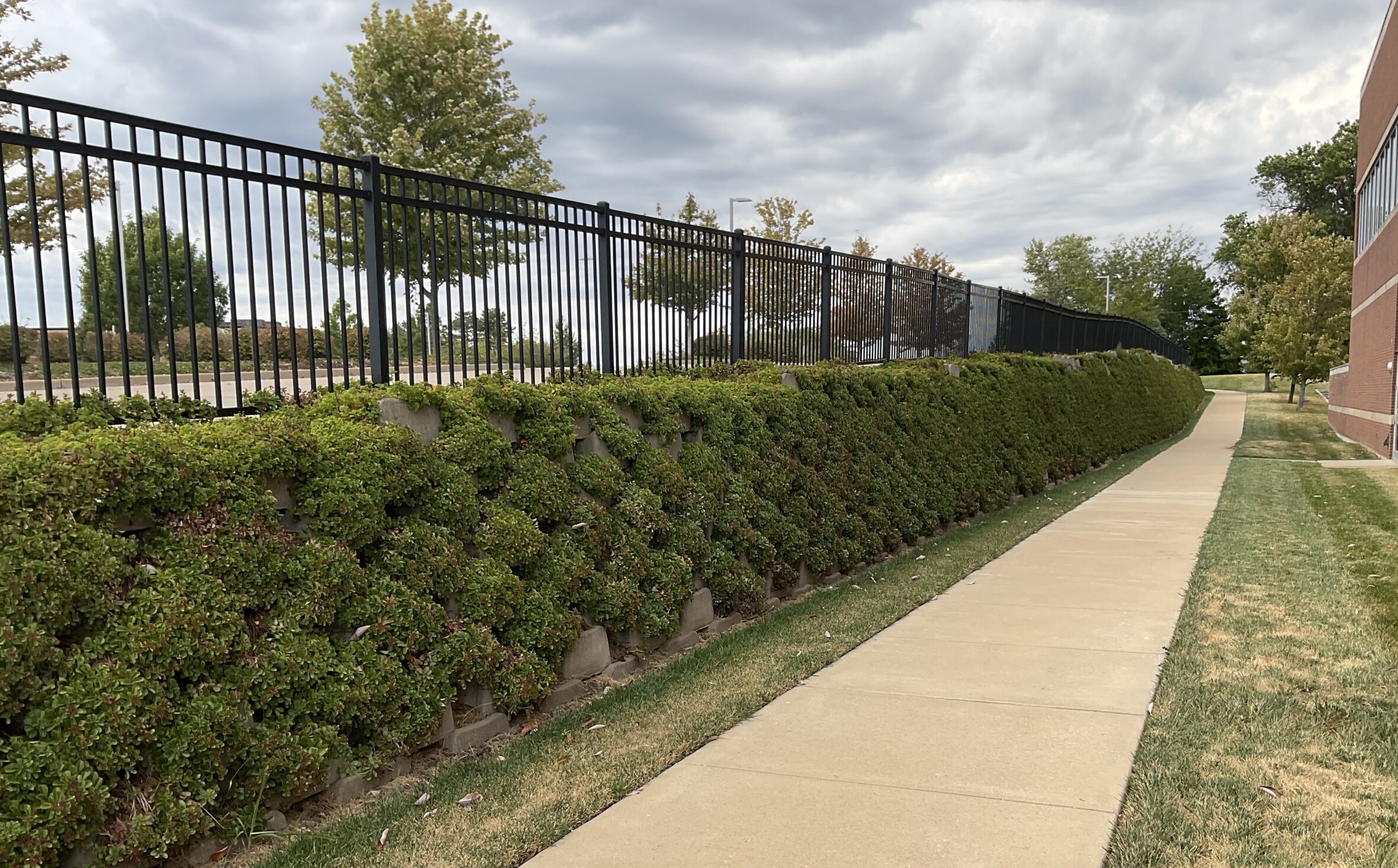
By filling the blocks with local compost or good growing soil, carbon is sequestered in the face of the wall. Once plants are introduced into the wall face, they continually absorb carbon from the atmosphere and sequester it back into the soil. Our plantable blocks also reduce urban heat island effect, create green space and habitat, and provide a buffer for rainwater. There is a lot to love about they planned covered, living retaining wall!
Ease of Installation:
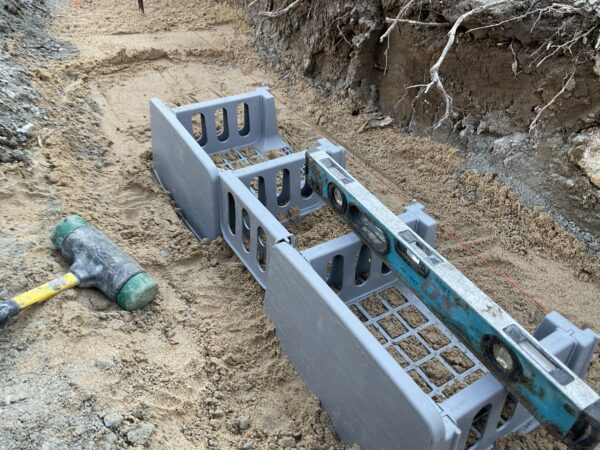
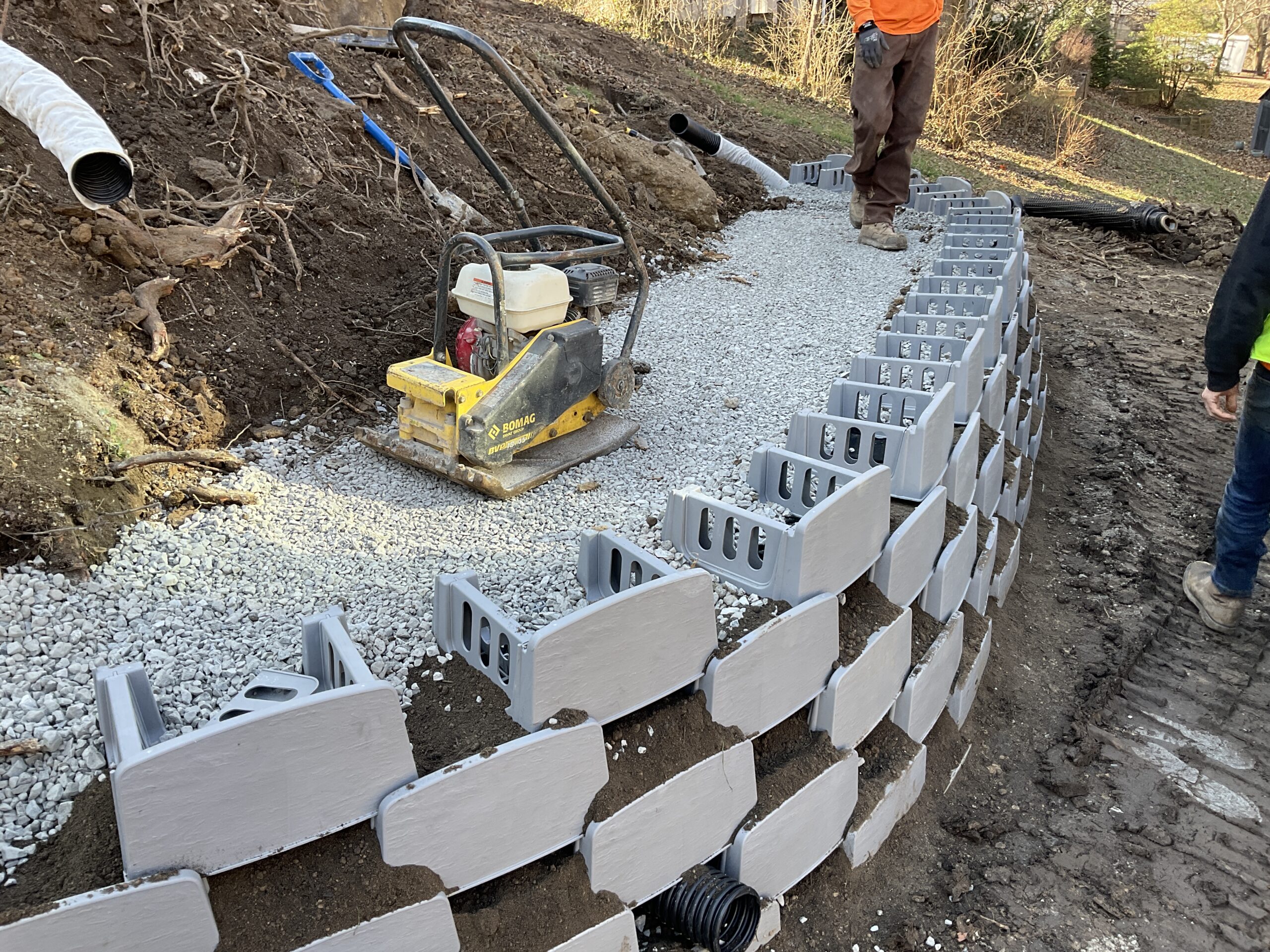
Plantable retaining wall blocks install about 90% the same as traditional concrete wall blocks. There are a few exceptions due to their lightweight nature. We recommend the base be placed on a few inches of sand (on top the compacted rock) to make levelling easy without the need to hammer on the blocks. Placing the next course of block is effortless and its best to set their final position after soil has been added to the pocket. Once they have some filled weight, they stay where you place them on the wall. Soil in the pocket needs to stepped on and topped off so the maximum fill is in each block prior to setting the next course. Pretty easy!
Design Versatility of Varden Retaining Wall Blocks:
Most of the world’s retaining walls are 5 feet and under and that’s the market that we shoot for. Varden blocks are structural enough to build walls up to 10 feet tall but definitely need to be engineered, and the plans need to be followed to the letter.
Walls with curves, step ups and step downs are easily built just as they are with traditional concrete retaining wall blocks.
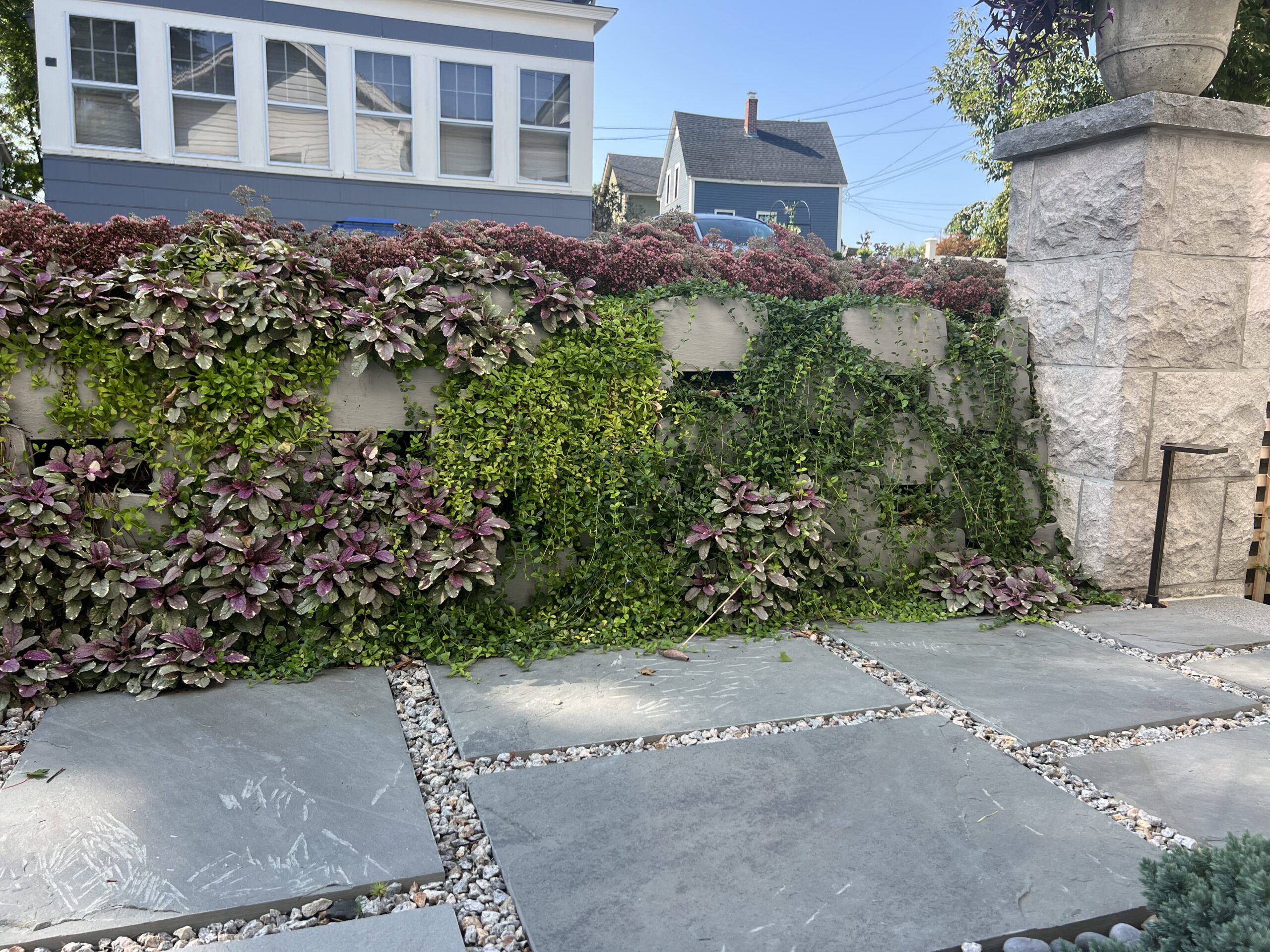
Appropriate plants need to be assessed in every region of the country where walls are built. The light exposure, or amount of hours of sunlight, needs to be taken into consideration. Walls in sun have a nearly unlimited set of options for regionally appropriate plants that will grow the wall face over. Walls in shade or with just a few hours of sun each day are a little bit more challenging but still easily accomplished. Planted and grown over retaining walls are probably one of the most gorgeous things I’ve ever seen and, are the reason why I’m so passionate about this innovation!
Share This Story, Choose Your Platform!
Related Posts
About the Author: Mark Woolbright