One Little Office, Walls All Over the Map
People are often surprised when they find out where our Varden blocks get delivered.
“Wait, you shipped these from St. Louis?” Yep. “To Oregon?” Yep. “And to the Netherlands?” Believe it or not, yes.
Every Varden wall we’ve helped build started in the same place: our small team in the St. Louis region, packing boxes, wrapping pallets, and getting a kick out of seeing where they end up. Here’s how a few lightweight retaining wall blocks from the middle of the country end up in landscapes all over the map.
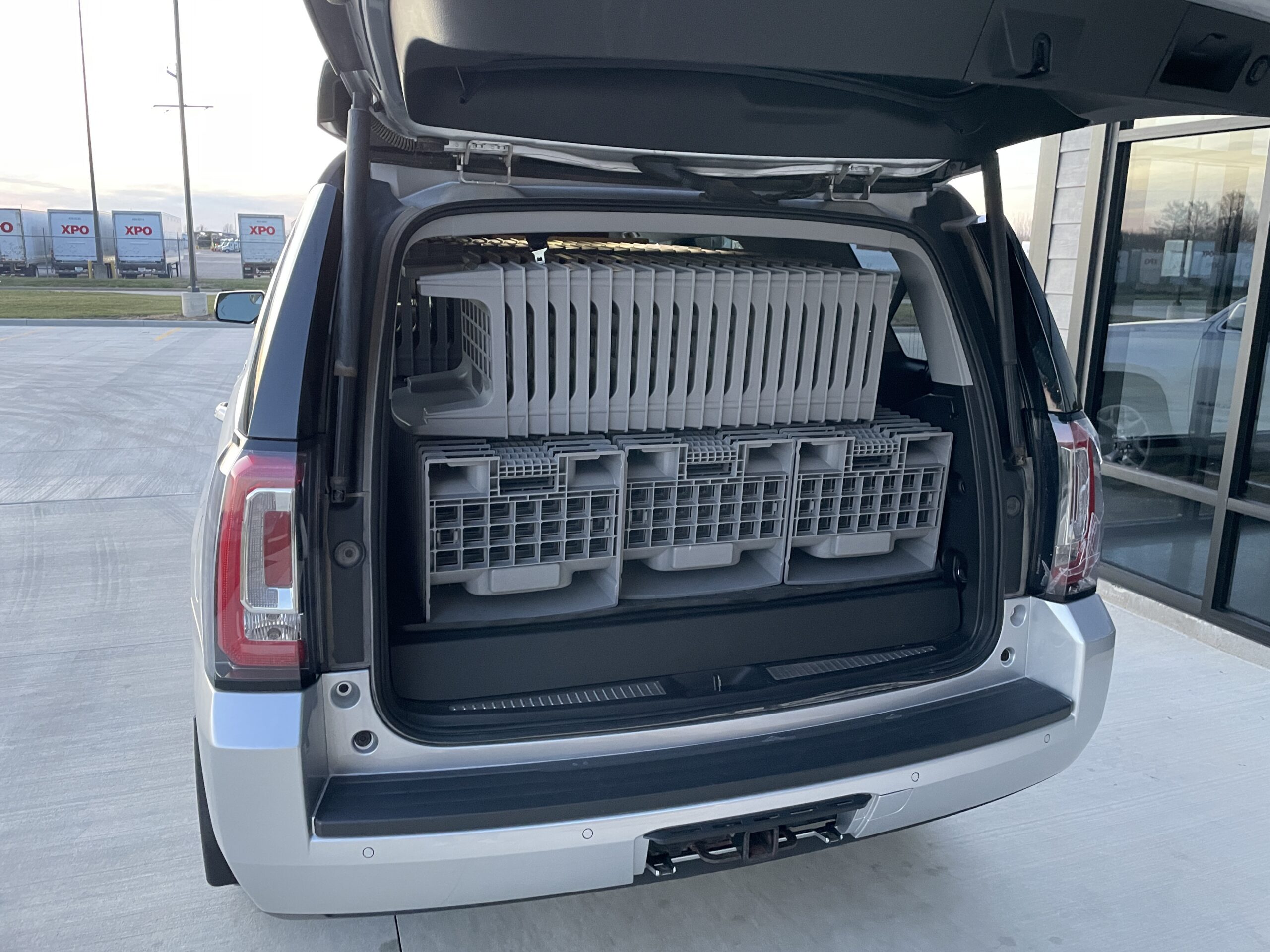
By being lightweight but also designed to nest for dense shipping, we use innovation to ship all of the USA and Canada from our home base in St. Louis, Missouri.
We occasionally even ship to Europe and Australia!
Surprise Number One: You Can Pick Them Up With One Hand
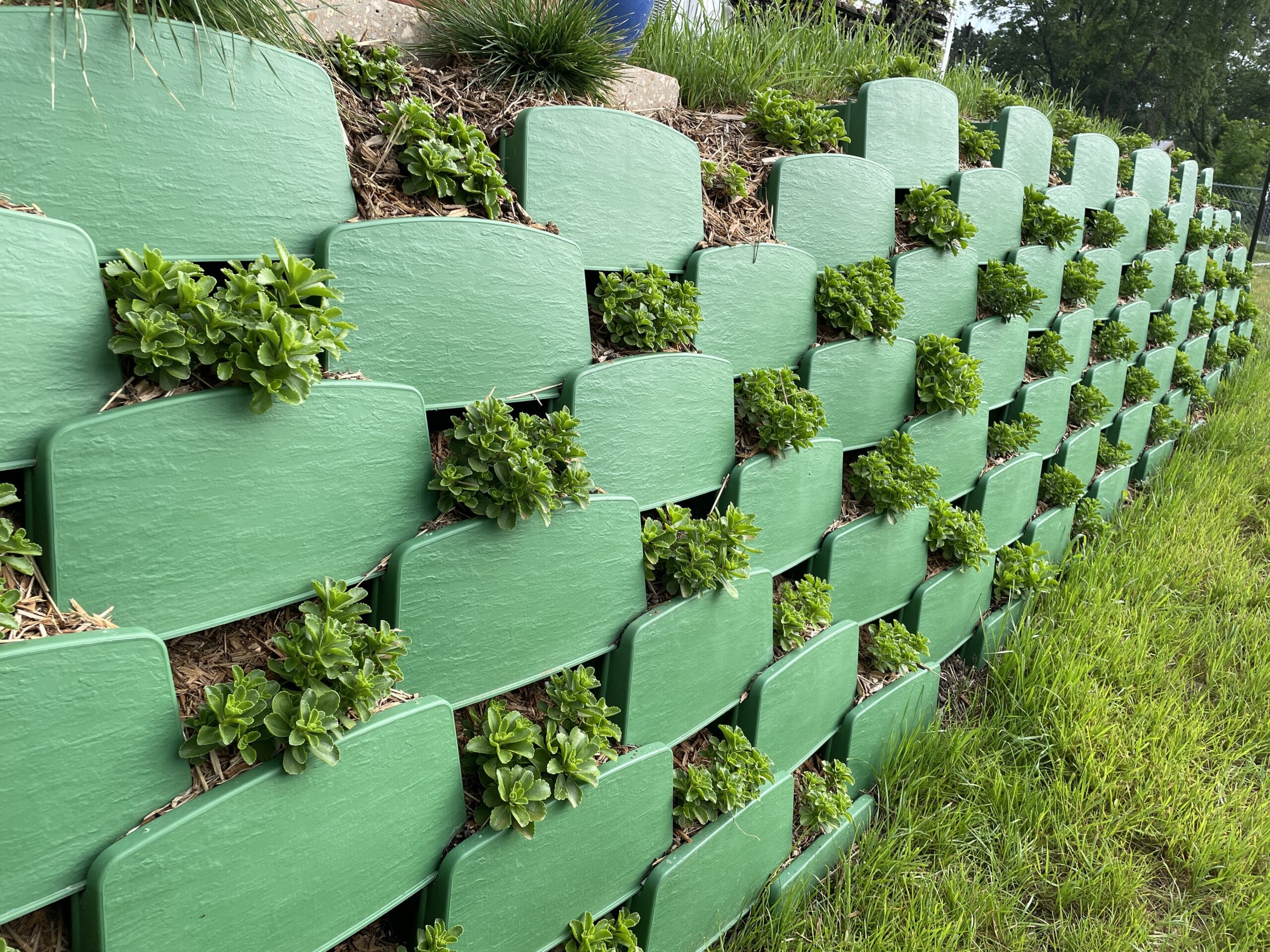
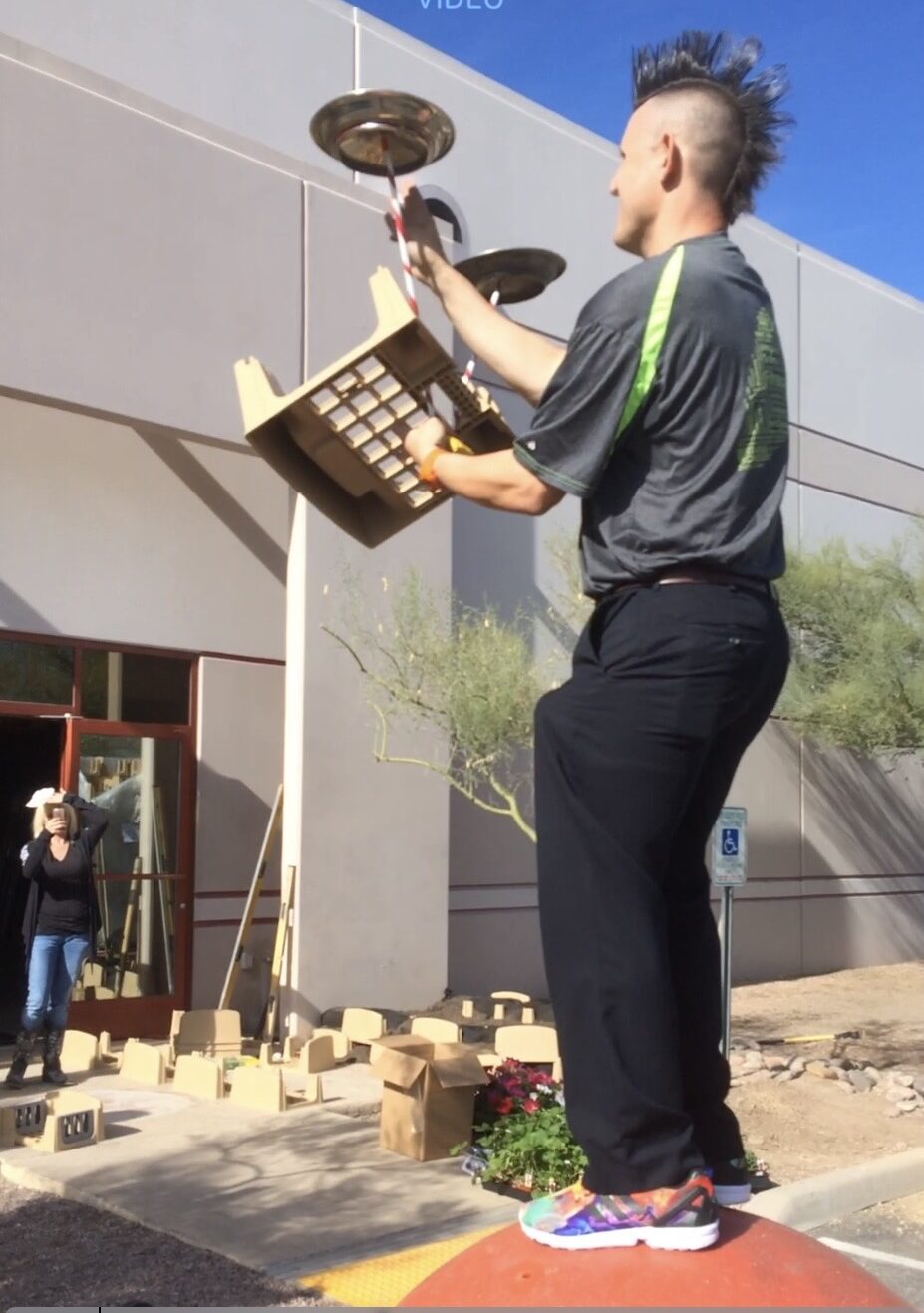
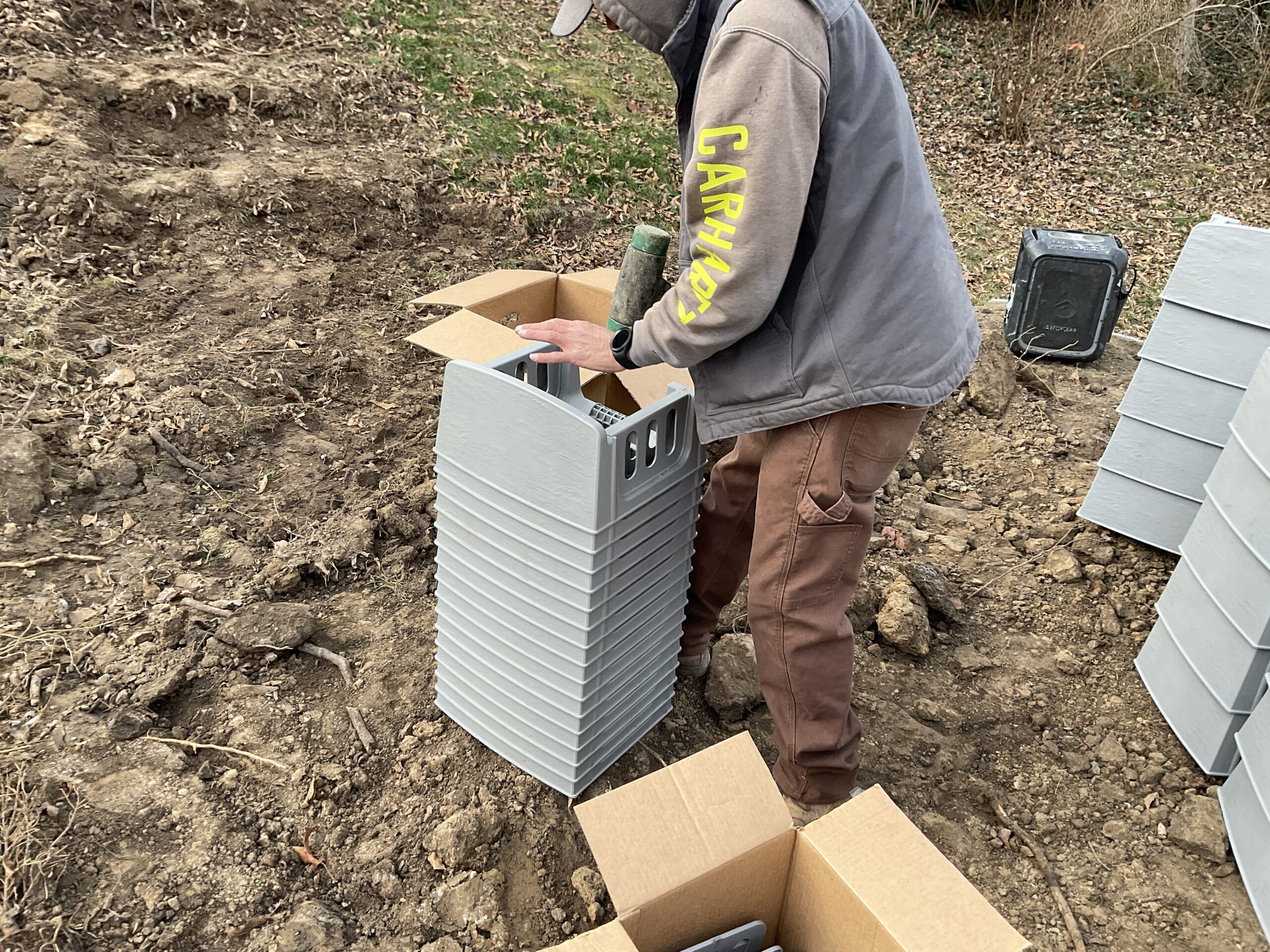
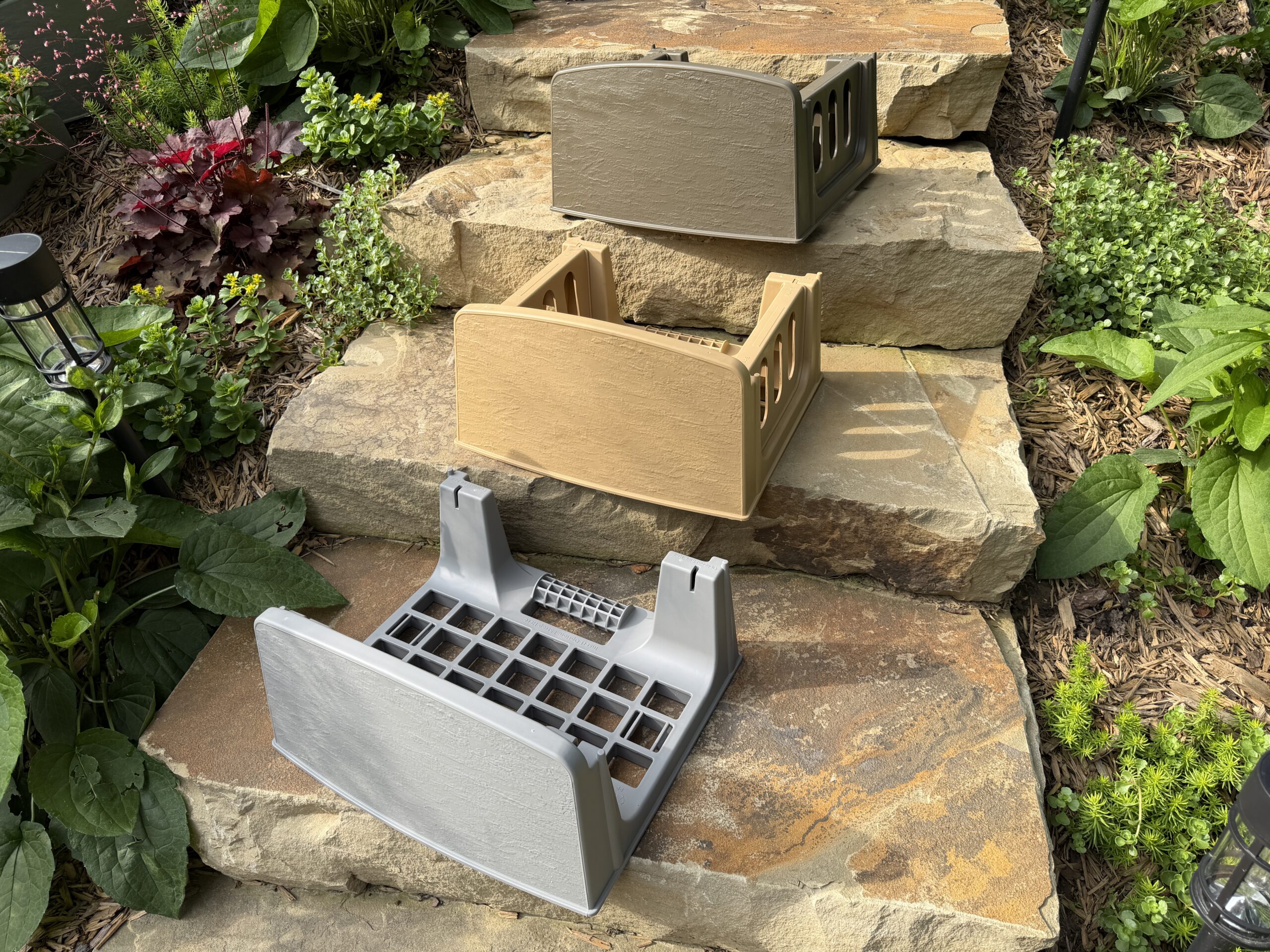
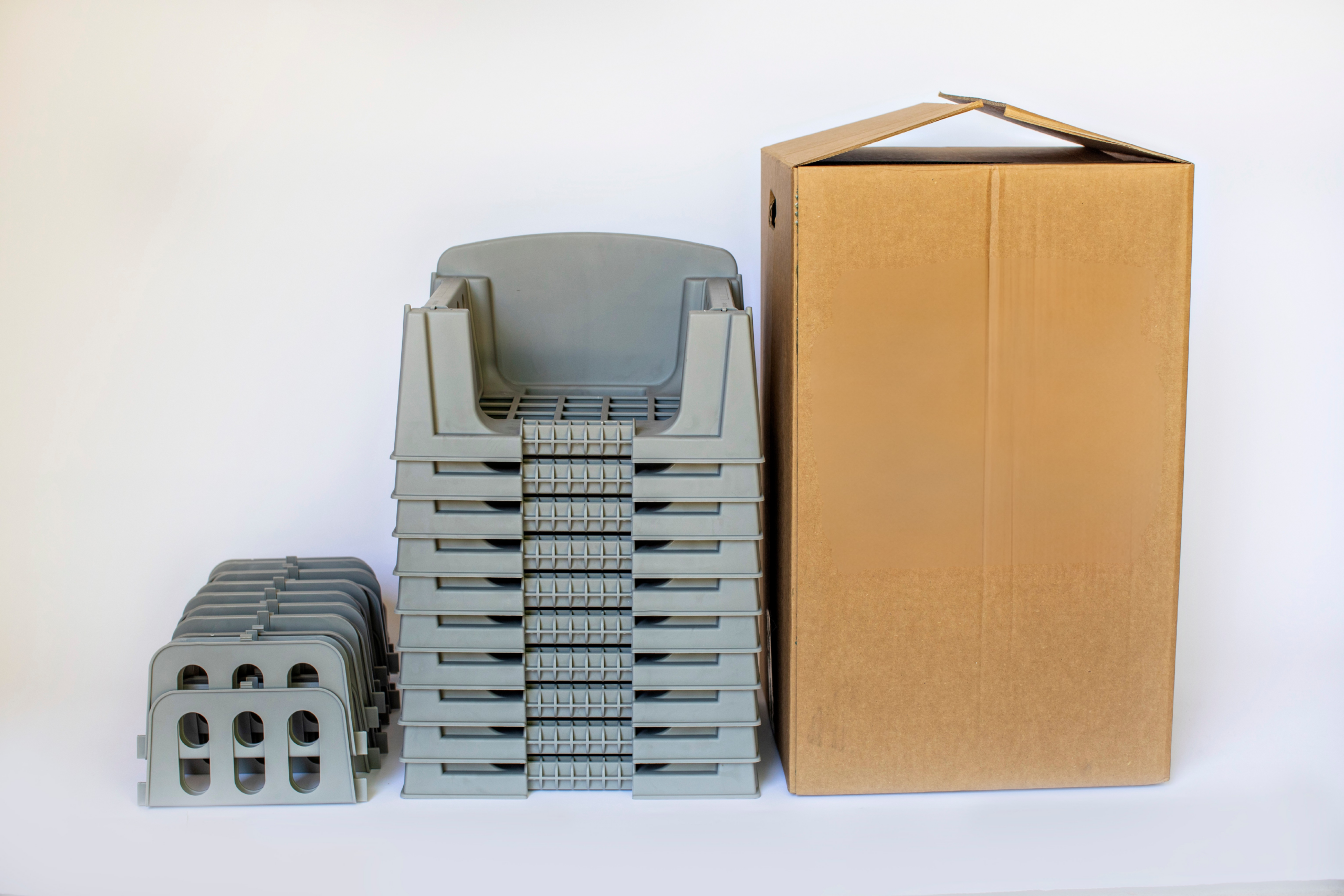
The first thing people notice when they open a box is how light Varden™ blocks are. Each one weighs about 3 pounds and covers about 1 square foot of wall face. See all the block details here.
For comparison, a popular concrete retaining wall block like the AB Classic weighs about 75 pounds and covers about the same area. Most full-size concrete blocks fall somewhere between 54 and 96 pounds.
That’s why we can send a box of 10 blocks by UPS to a front porch almost anywhere in the country. No rental truck, no forklift, no sore back.
Surprise Number Two: They Nest
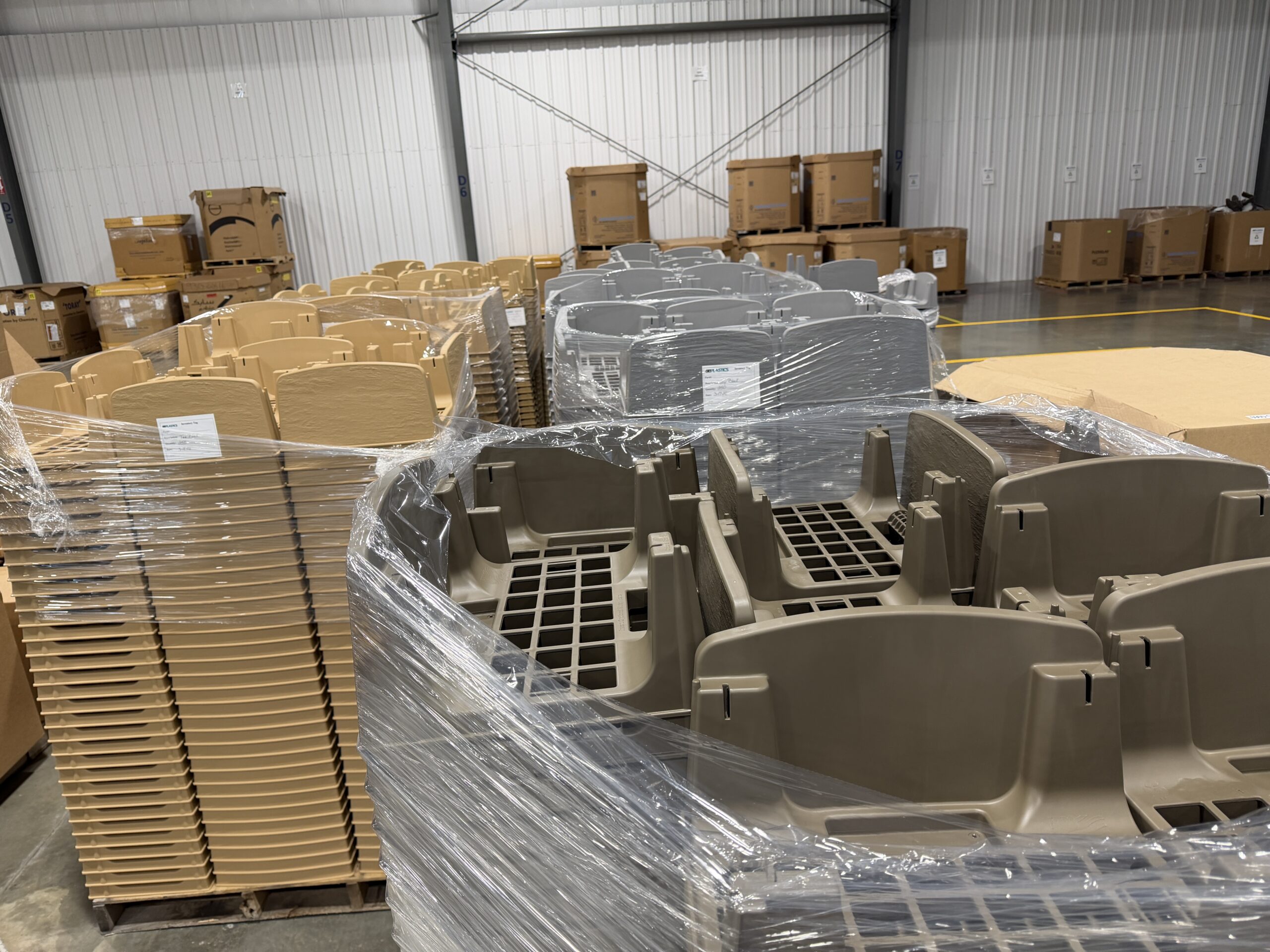
Here’s the part that surprises even people in the landscape business. Varden™ blocks nest inside each other, a bit like stacking cups. A stack of blocks takes up a fraction of the space you’d expect, which means we can fit a lot of wall onto one pallet.
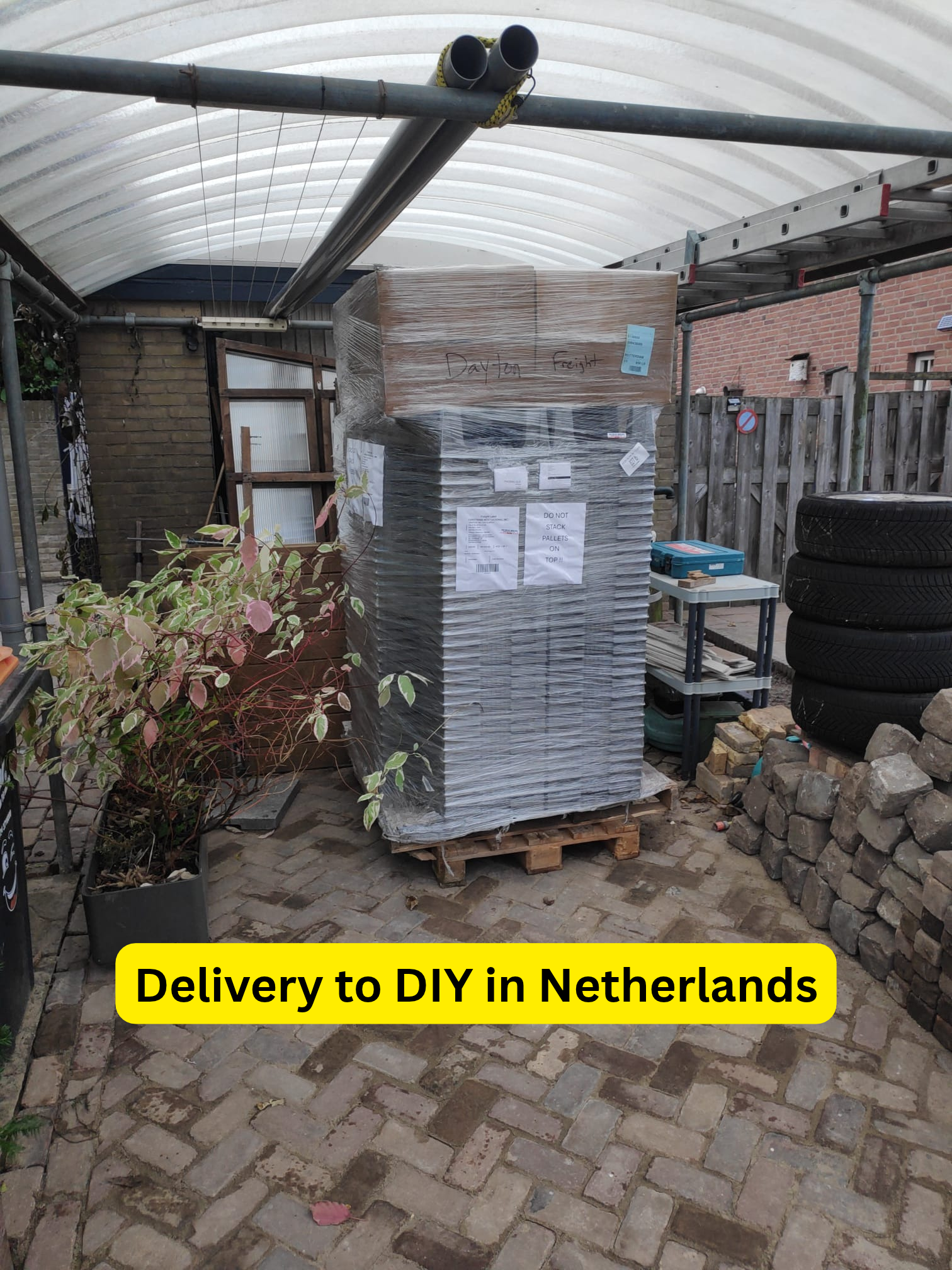
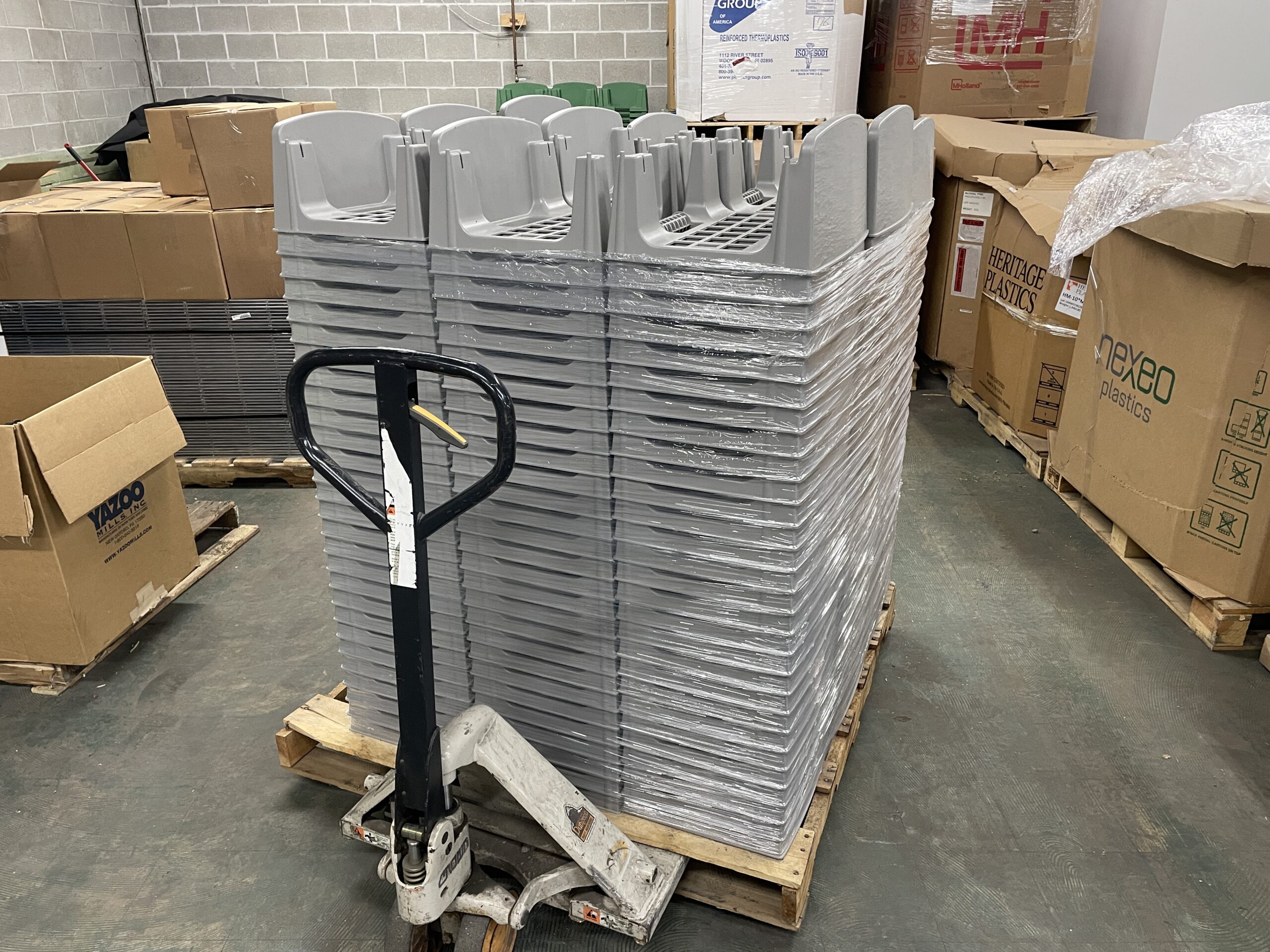
A single 48-by-48-inch pallet holds 250 Varden™ blocks. That’s about 250 square feet of wall face, and the whole pallet weighs only about 850 pounds.
Getting that much wall from concrete blocks usually means about 5 pallets weighing roughly 18,000 pounds, or a big chunk of a flatbed semi. With Varden, it’s one pallet that a liftgate truck can set down at the curb.
So even big projects ship on just a few pallets. That’s what lets us serve customers from coast to coast from one spot on the map.
| One pallet of Varden | Same wall in concrete block | |
| Wall face covered | About 250 sq ft | About 250 sq ft |
| Pallets | 1 | About 5 |
| Total weight | About 850 lb | About 18,000 lb |
Better for the Planet, Too
Less weight and fewer pallets mean less fuel. The U.S. EPA uses an industry average of about 210 grams of CO2 for every ton of freight a truck moves one mile. Move 250 square feet of wall 1,000 miles and the rough math looks like this:
- Concrete blocks: roughly 1,970 kg of CO2
- One Varden™ pallet: roughly 85 kg of CO2
Those are ballpark numbers based on weight, and real results depend on the route and carrier. But it’s a nice bonus to know your wall’s trip to your yard was a light one.
Fun Fact: We can fit 26 full pallets in one 53′ Dry Van for a mind blowing 6,500 sf of wall coverage in one delivery!
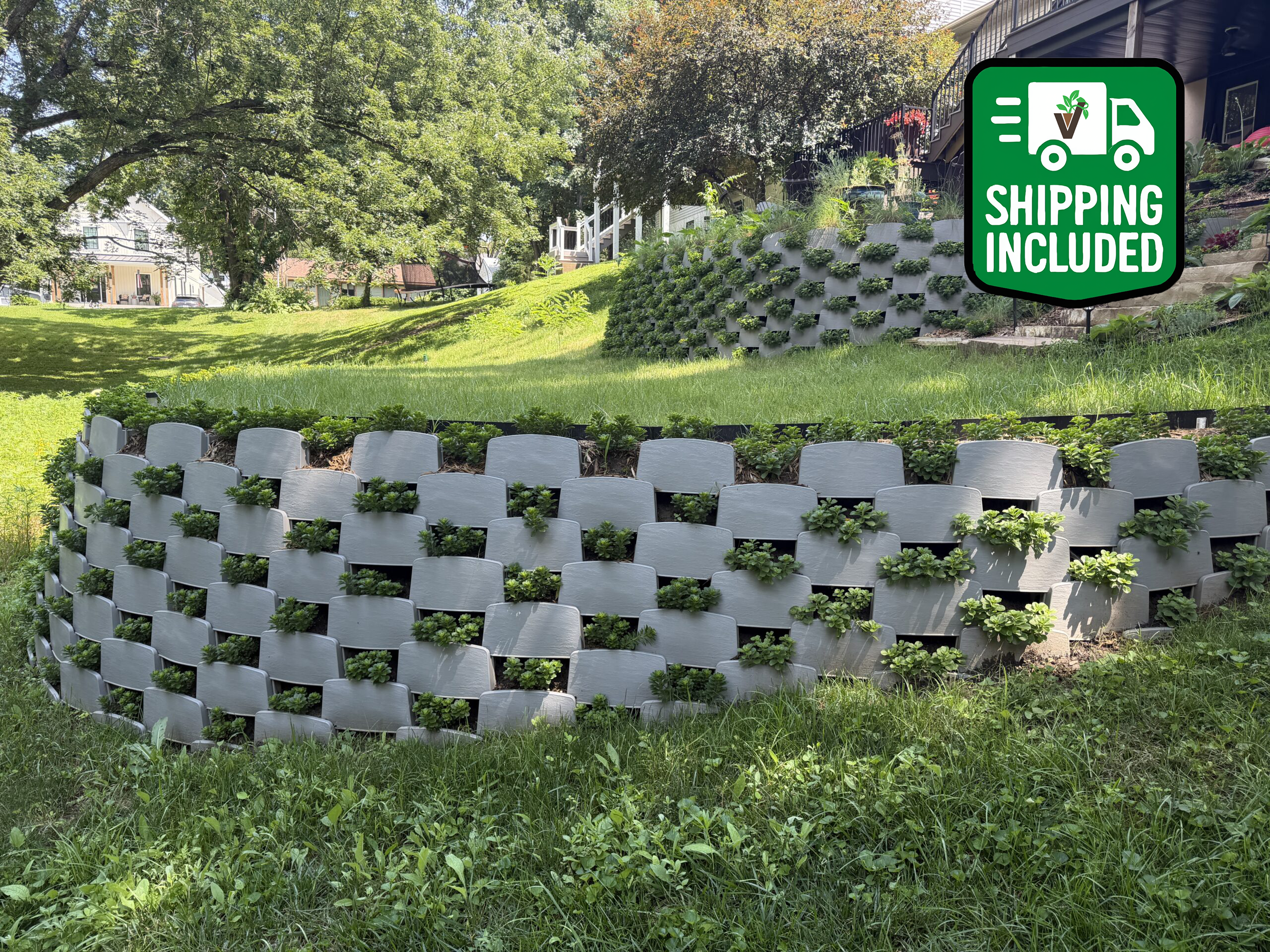
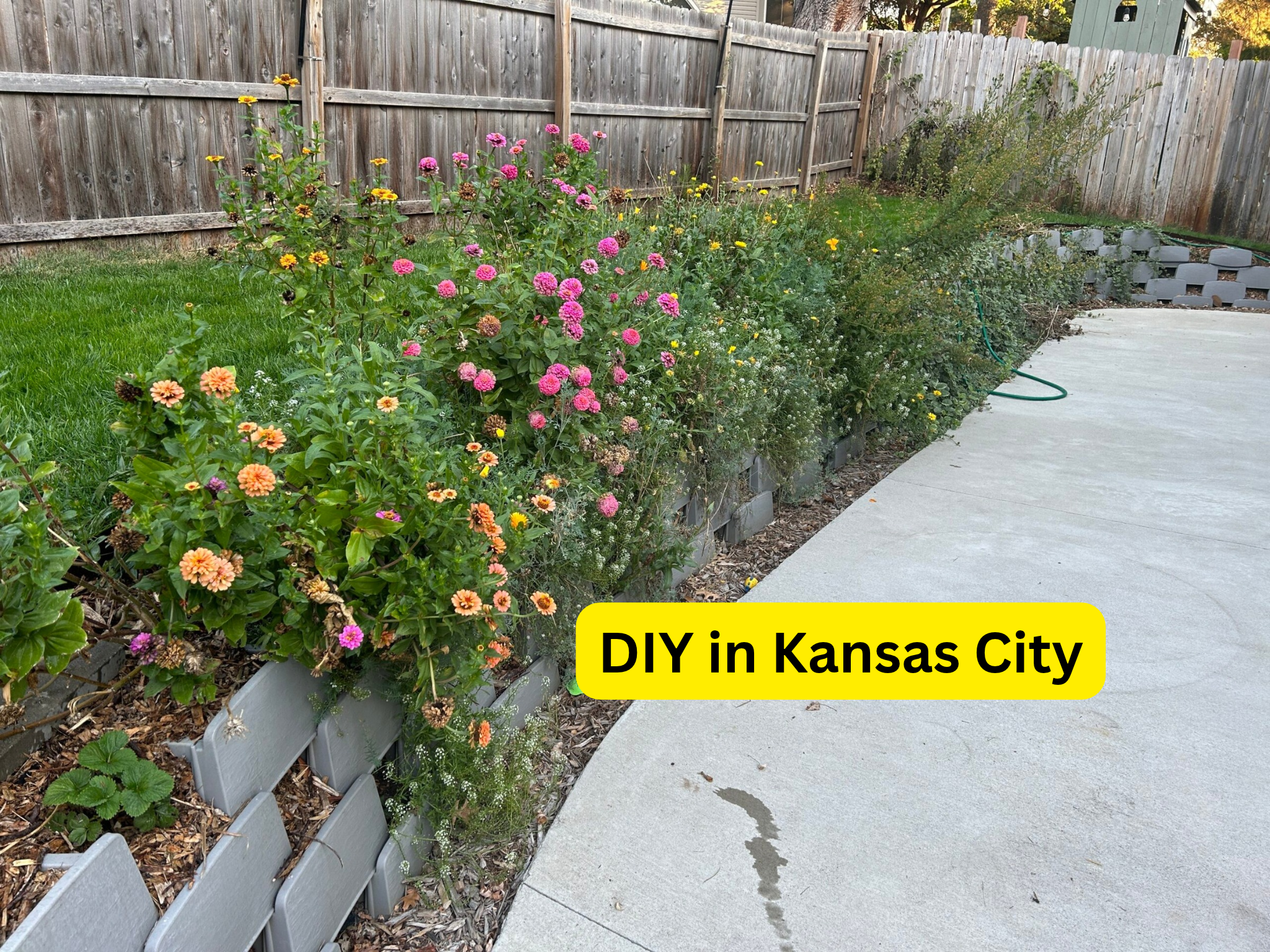
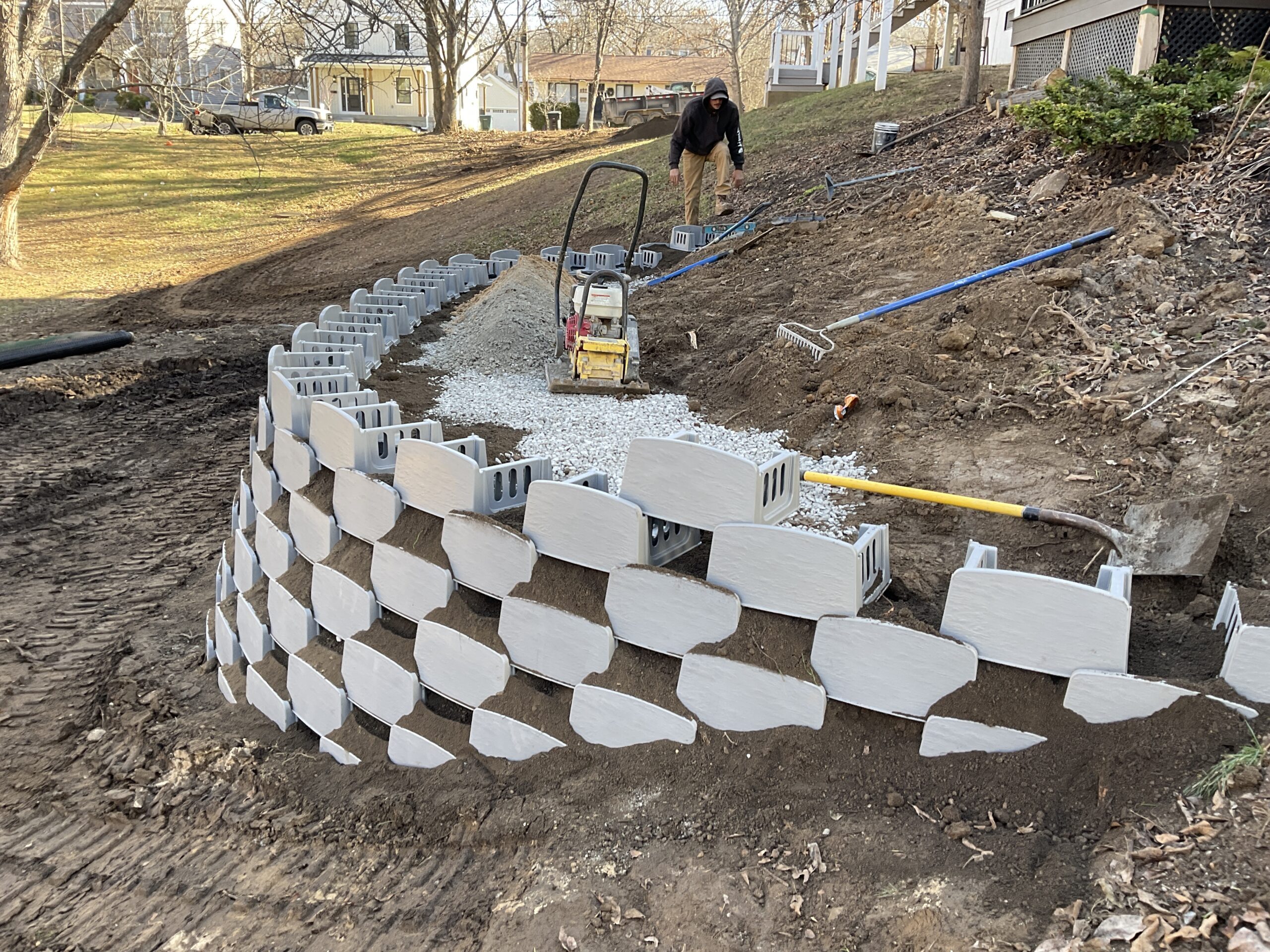
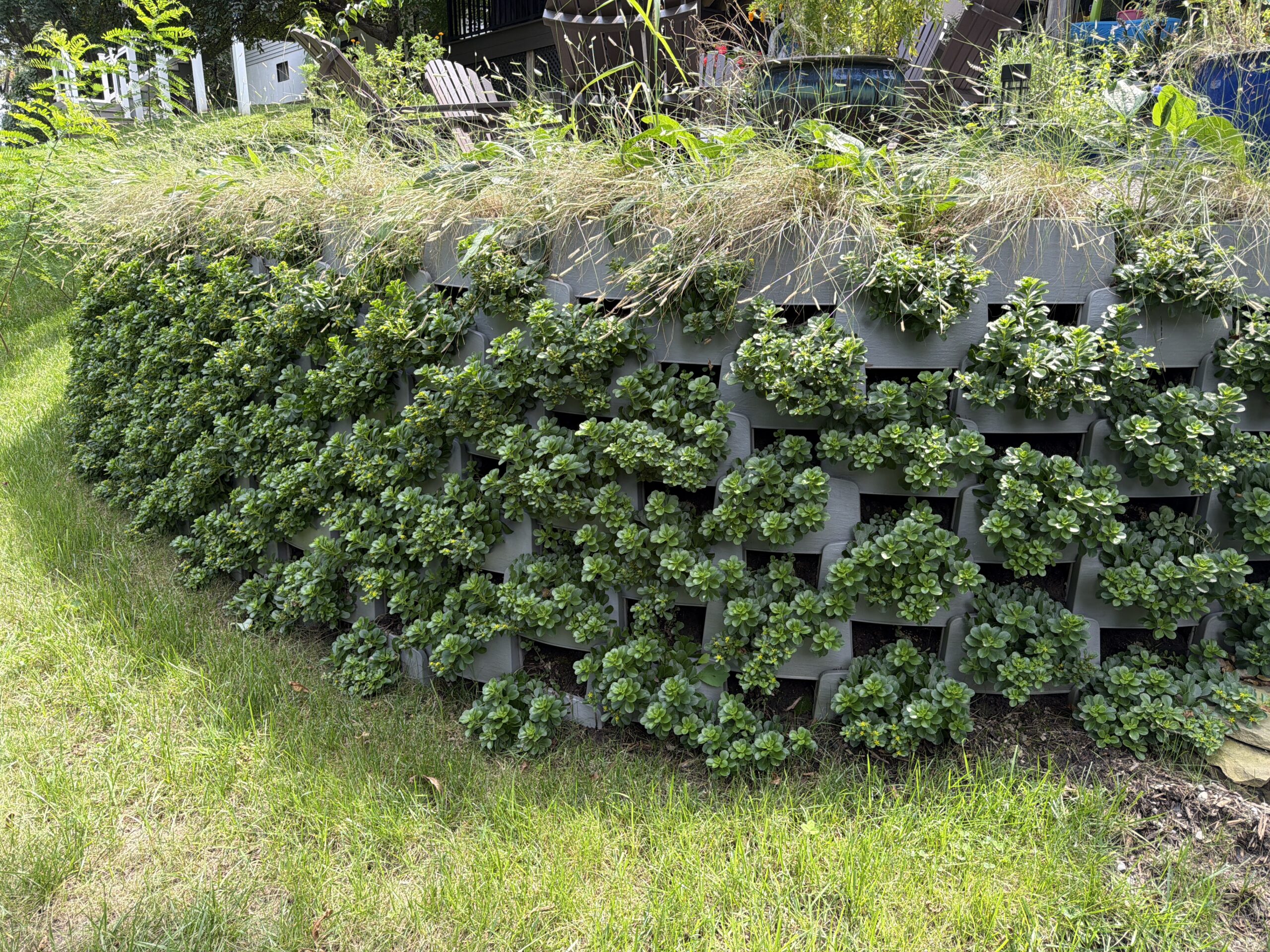
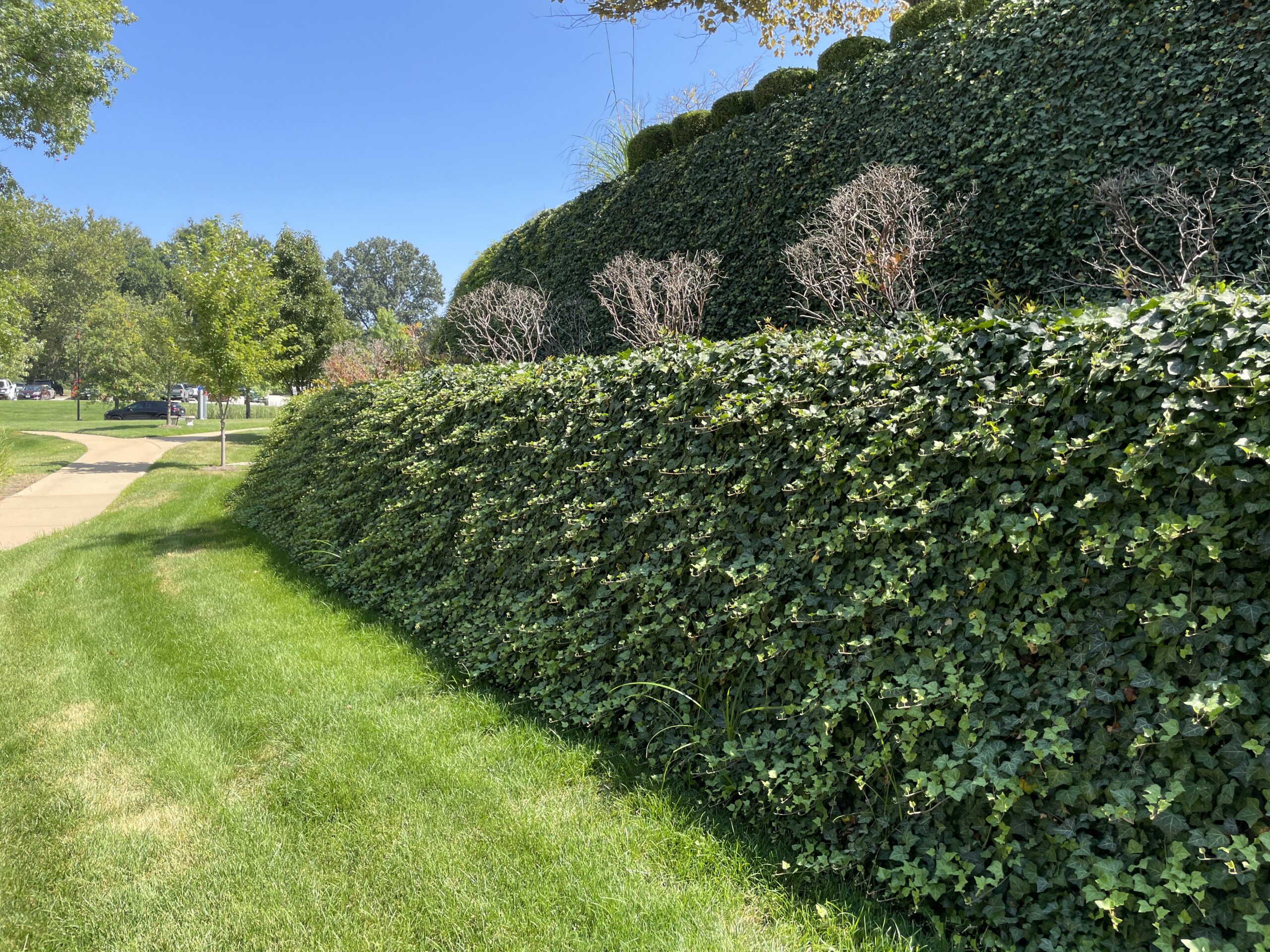
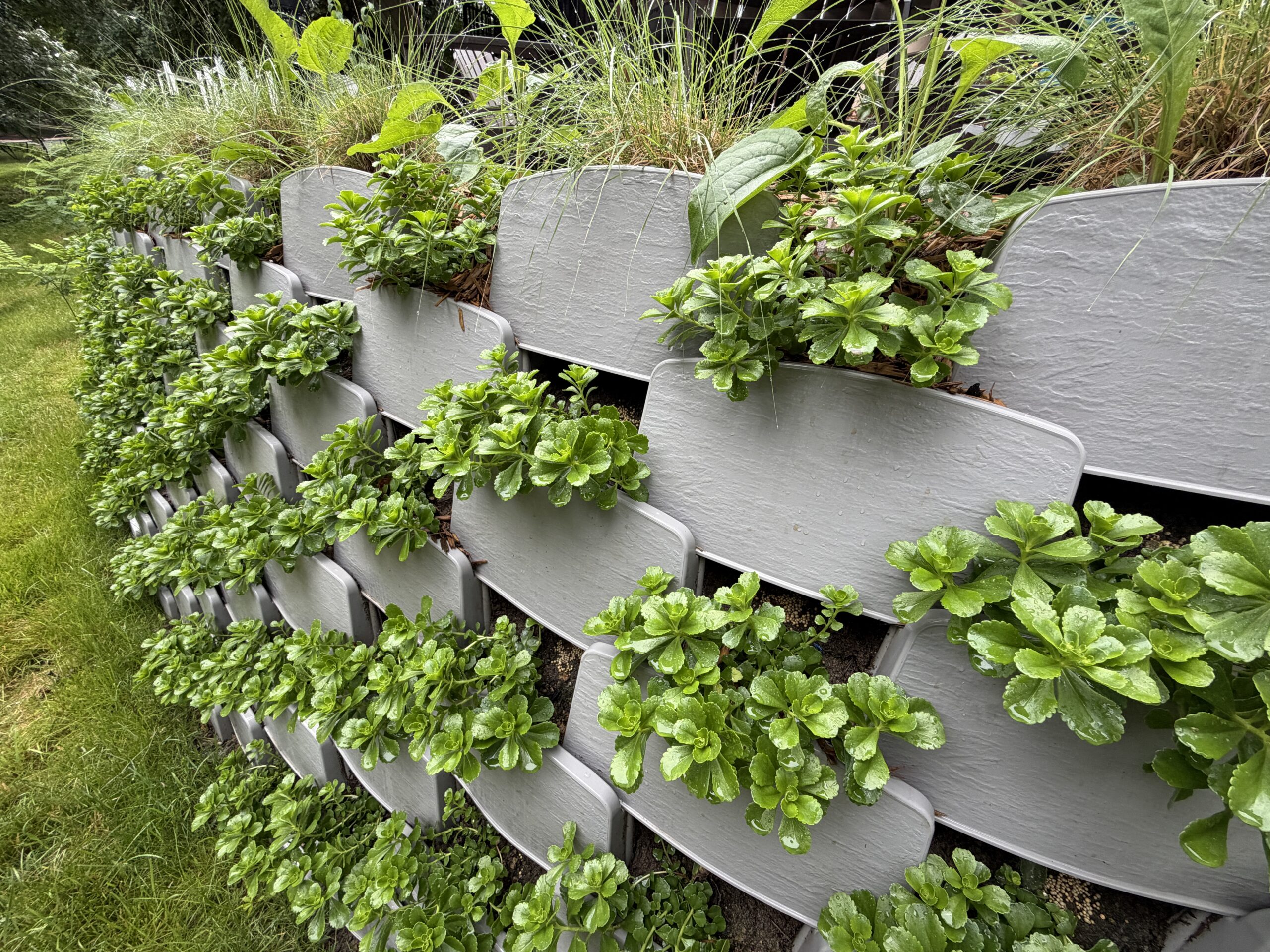
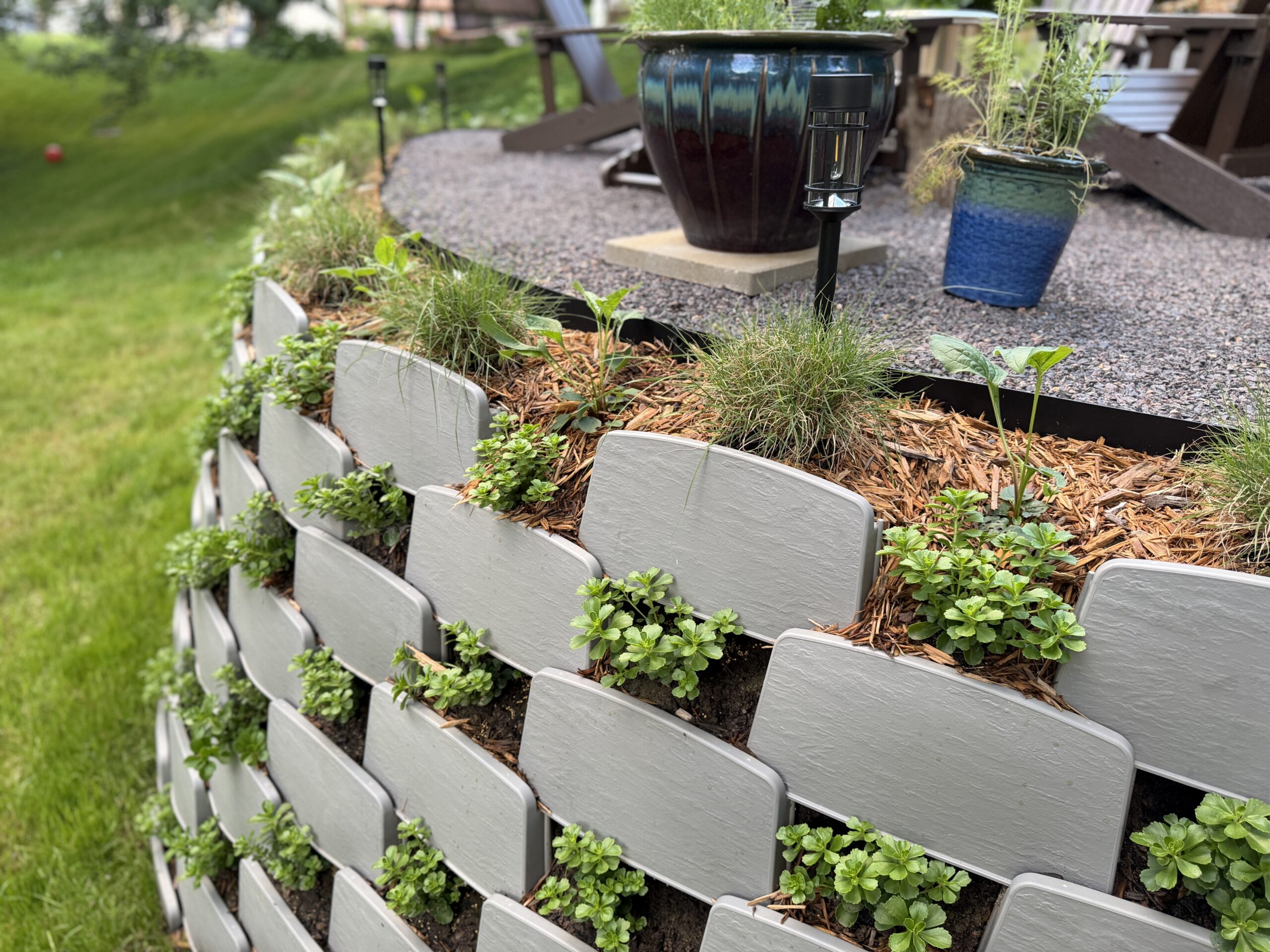
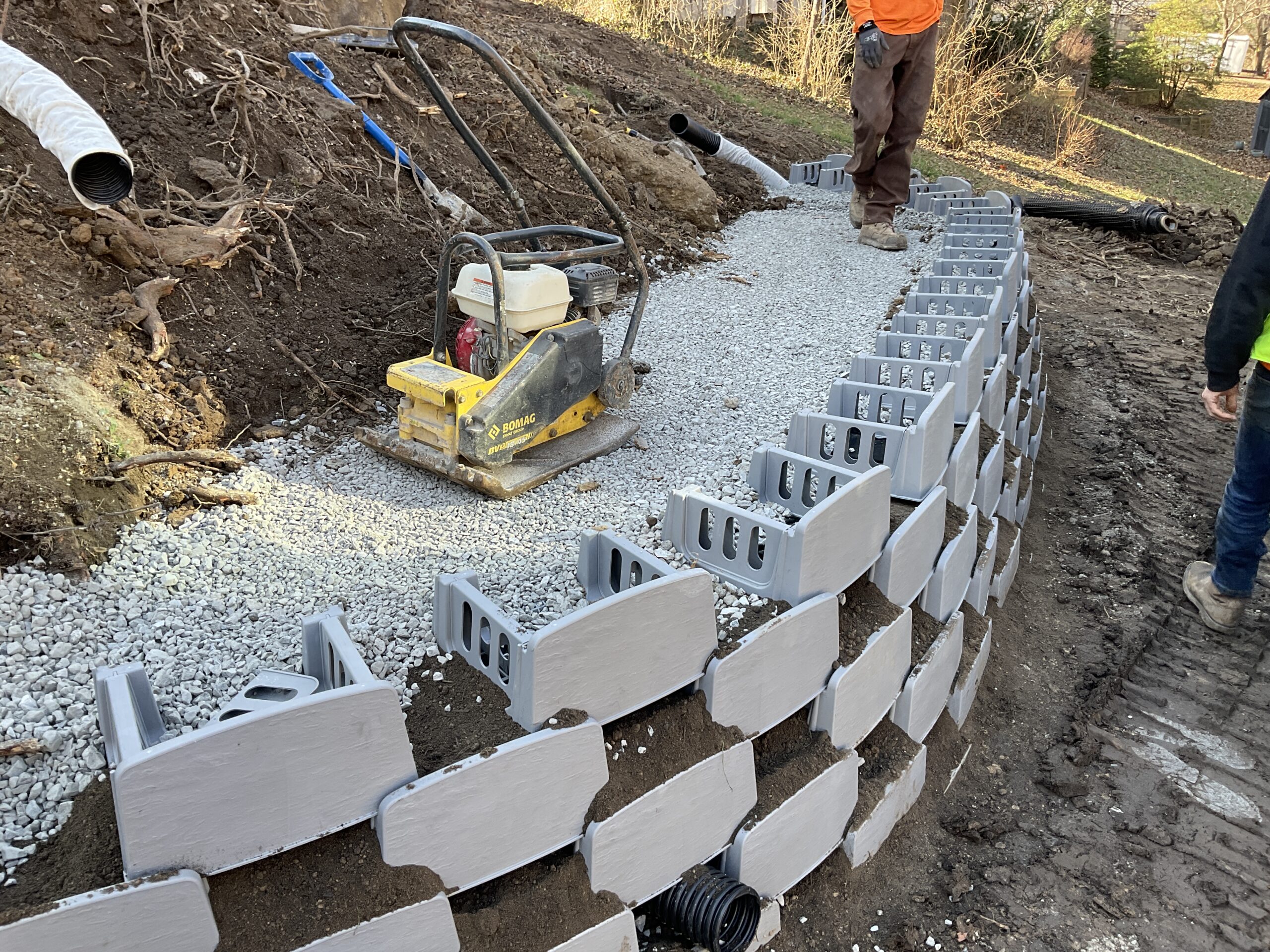
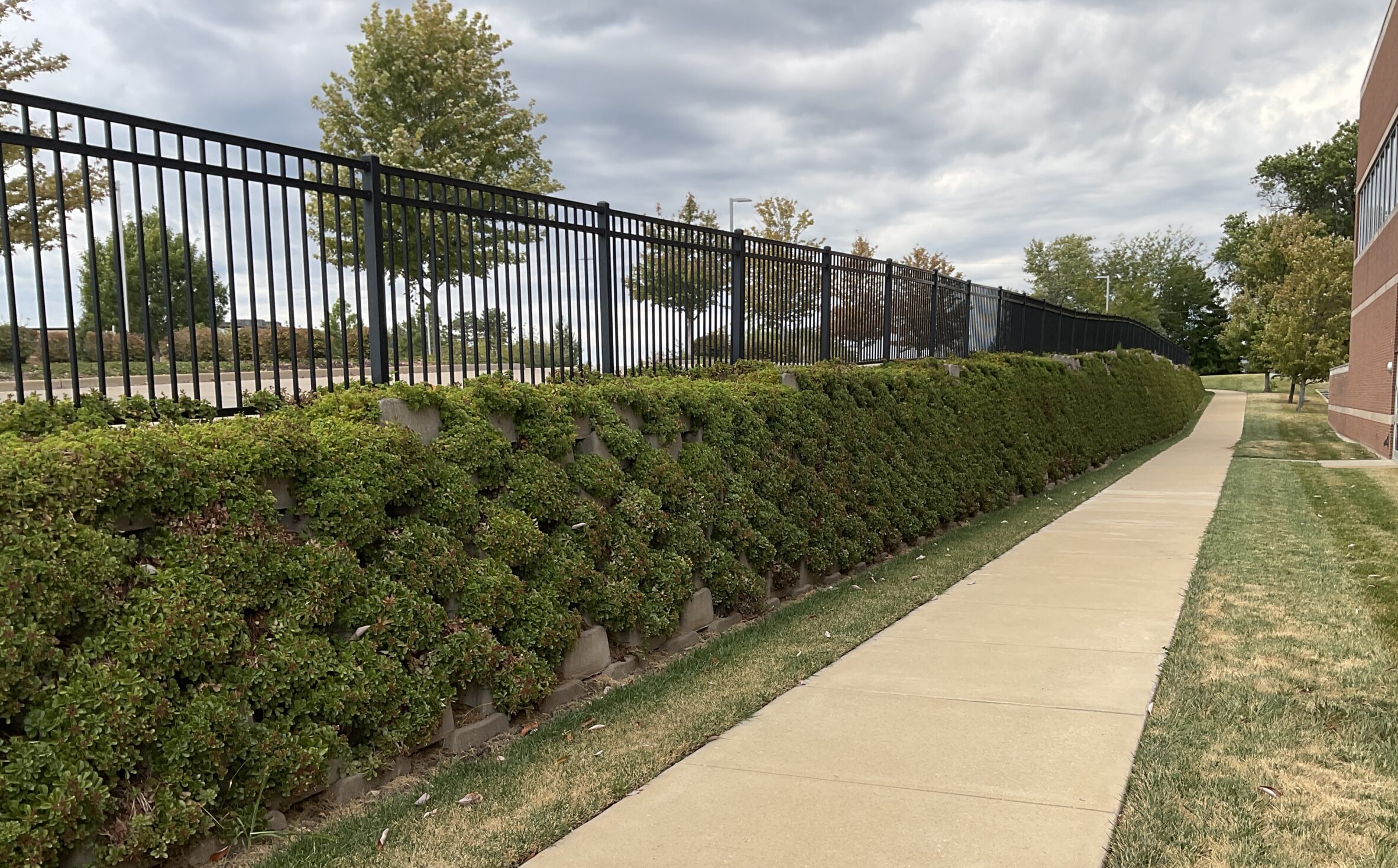
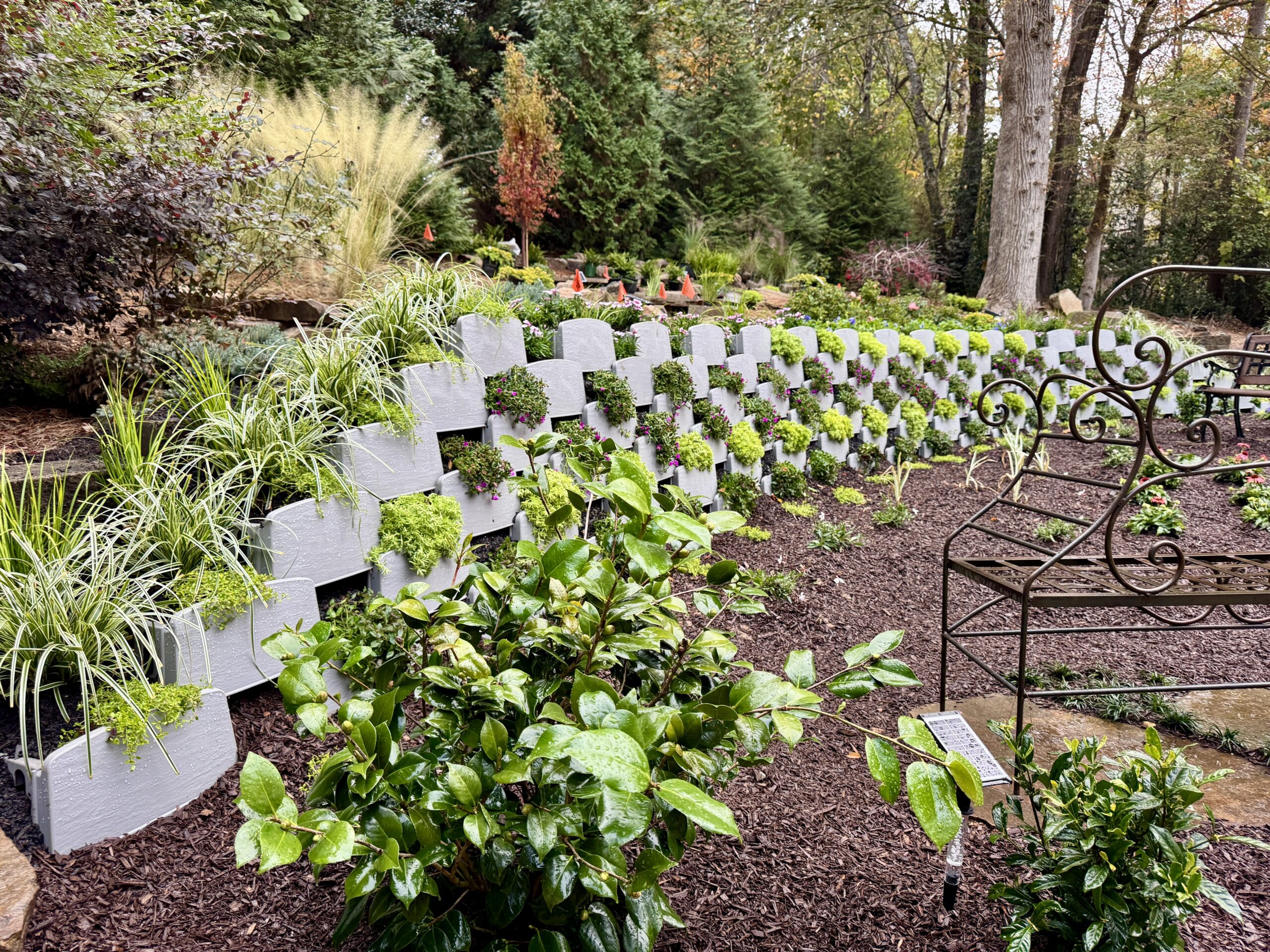
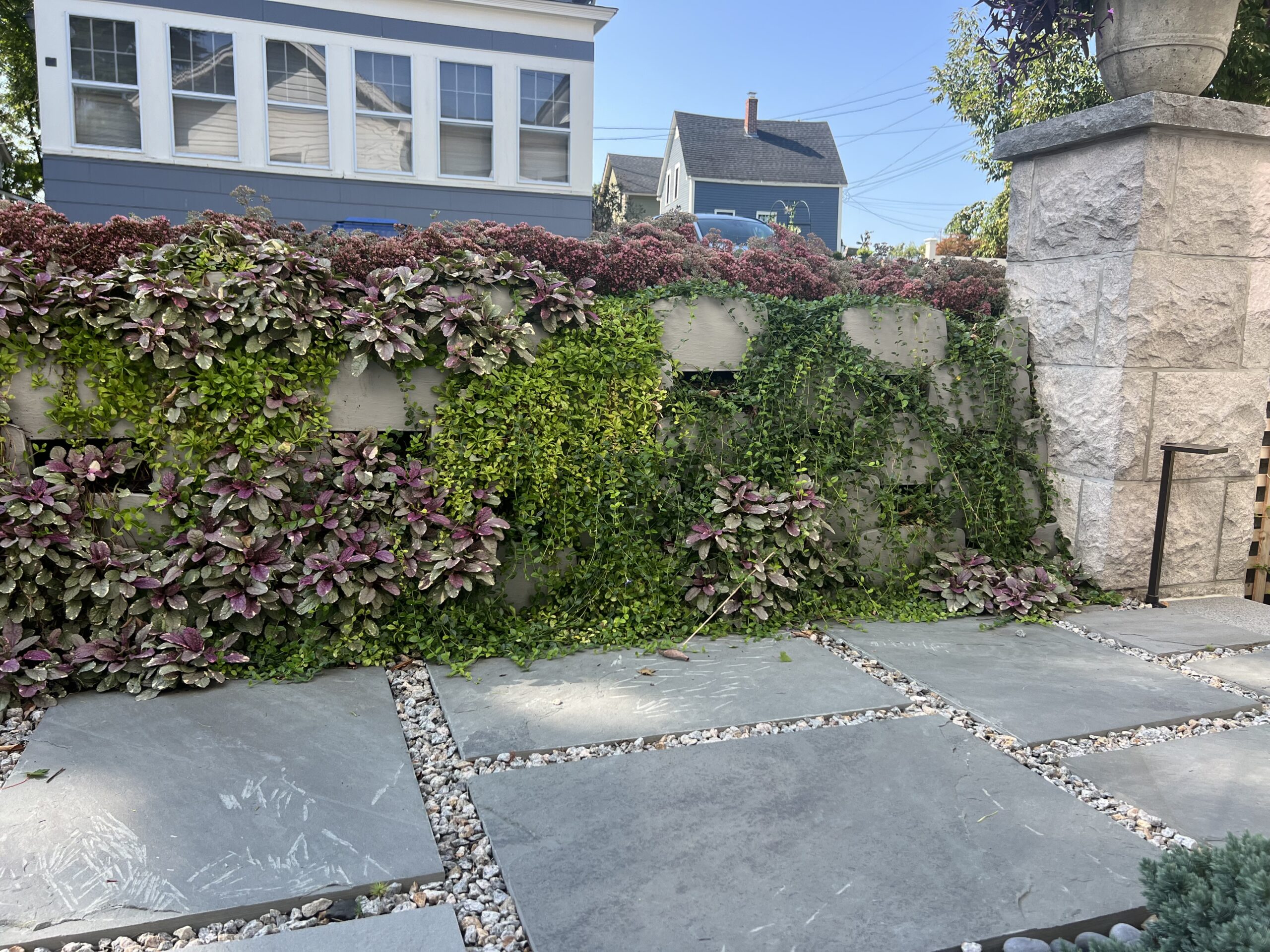
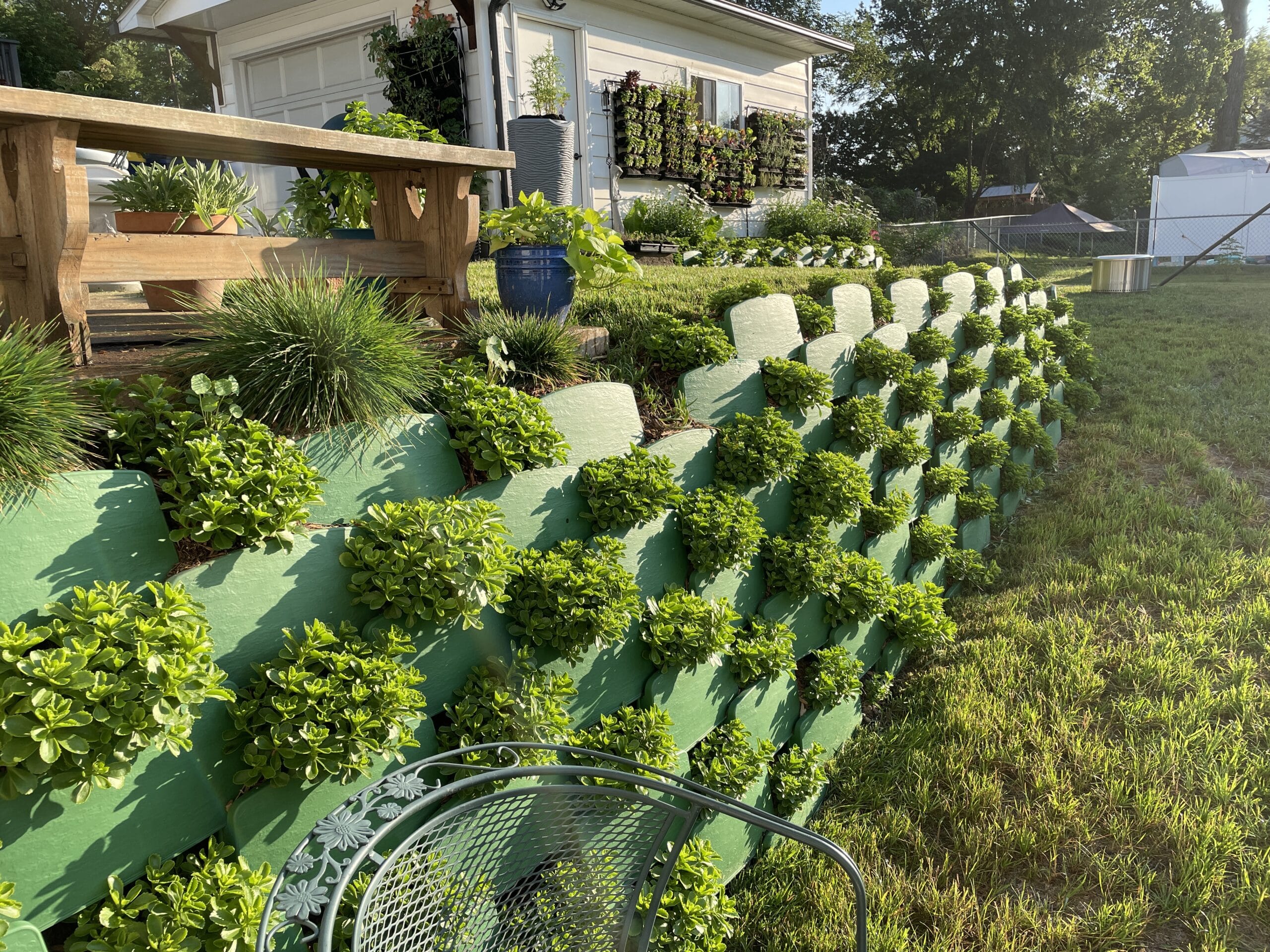
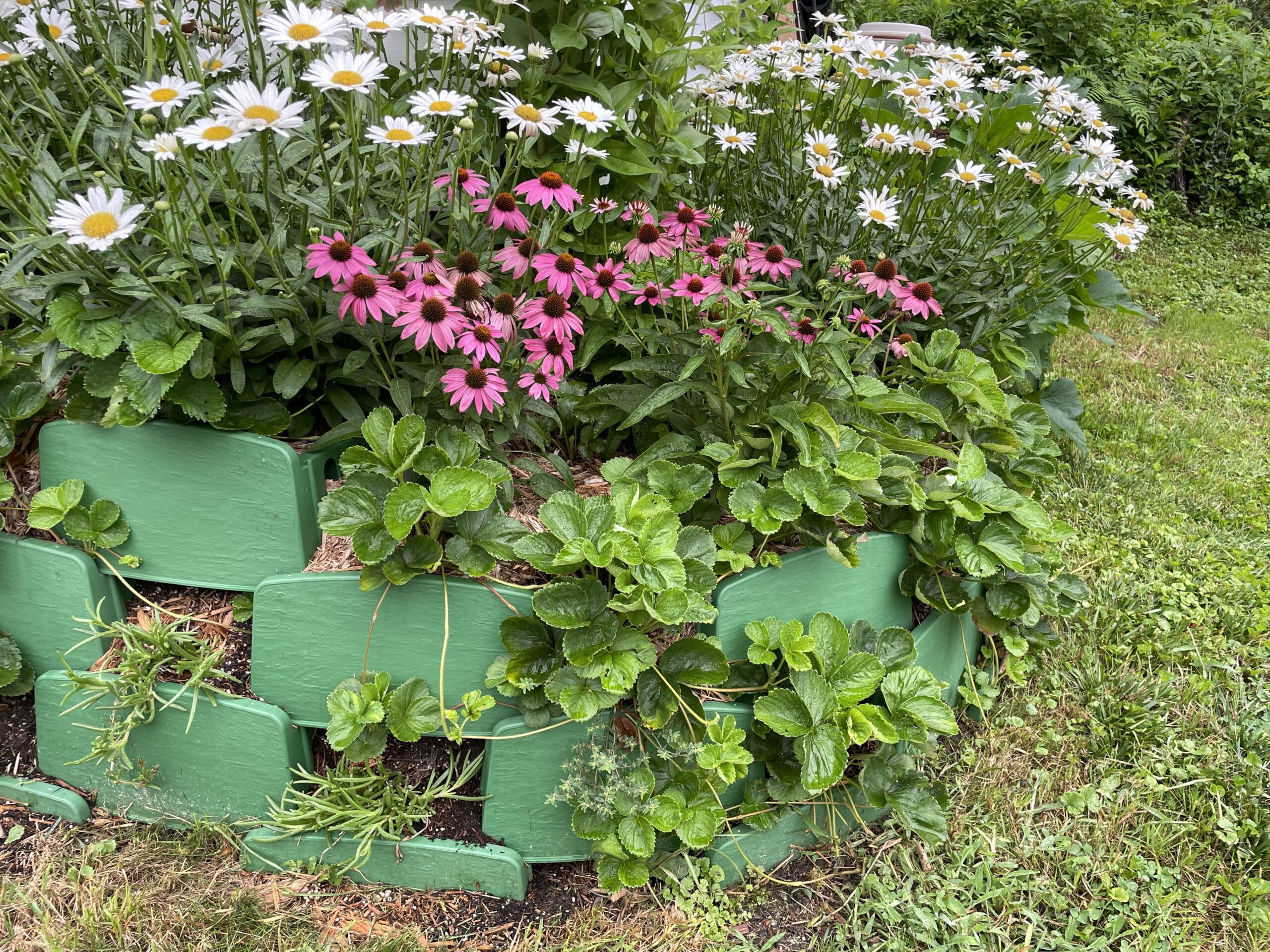
The good news continues once the blocks arrive. There’s no heavy equipment chewing up the lawn, and every block has a planting pocket. Over time, plants cover the wall face, hold the soil, slow down runoff, and give pollinators somewhere to visit.
How We Ship to Pros and DIYers
We keep it simple, and we’re happy to adjust: (Varden Block Page)
- Boxes of 10: Shipped by UPS Ground, right to your door. Most homeowner projects up to about 120 square feet ship this way.
- Pallets of 125 or 250: Shipped by freight with liftgate delivery for bigger walls and contractor jobs.
- Custom counts: Need 180 blocks? We’ll build a pallet of 180, plus a few extra in case the project grows.
On website orders, delivery is included in the price, so there’s no surprise freight bill at checkout.
For DIYers: Lots of our customers start with a single box, try a section, and come back for more. We love those emails.
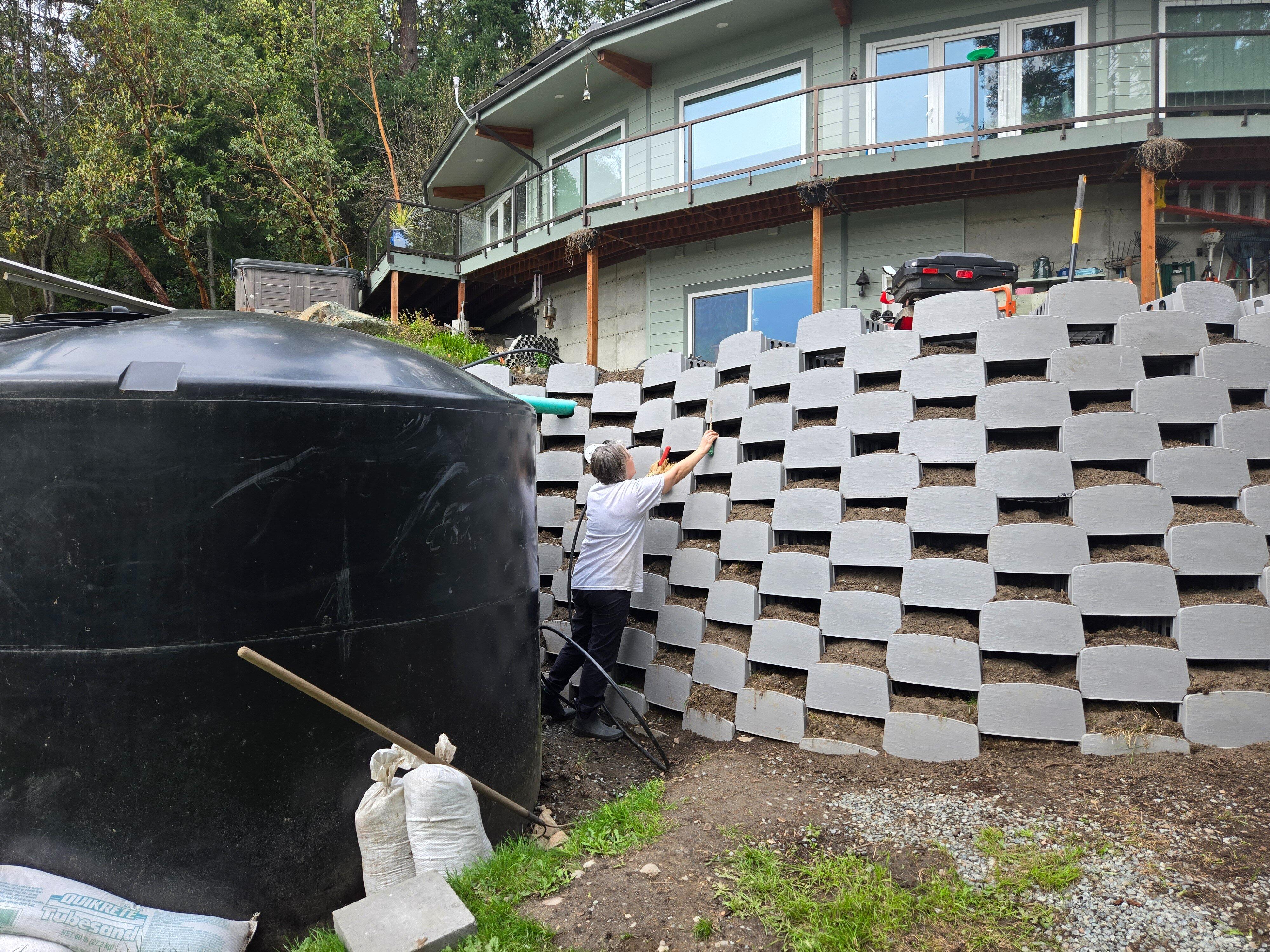
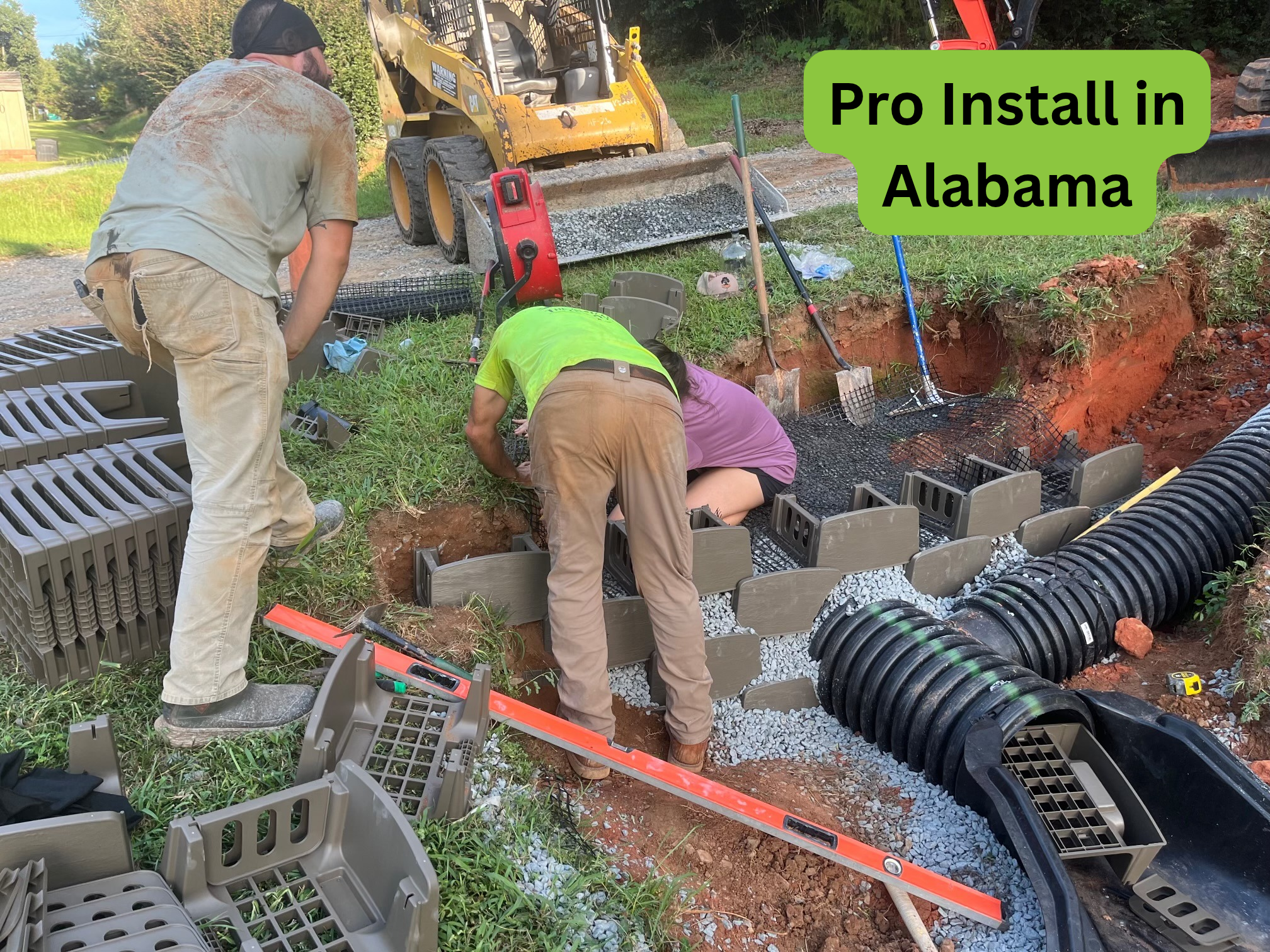
For Pros: Your crew can carry blocks by hand into tight backyards, down slopes, and across finished lawns where equipment can’t go.
For architects and landscape architects: Specify a living wall in Phoenix or Philadelphia and know the product can get there. Our specs, detail drawings, and technical papers are just a download away. Every customer and project get the same support team in our St. Louis HQ.
Where Varden™ Walls Are Growing
This is our favorite part of the job. Every few weeks a new photo shows up in our inbox, and we gather around the screen to see where the latest wall landed.
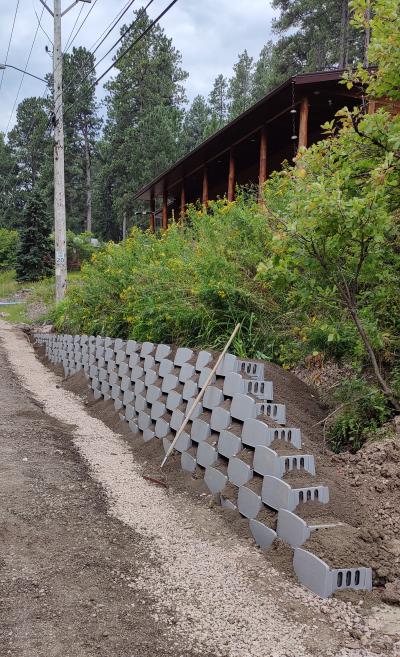
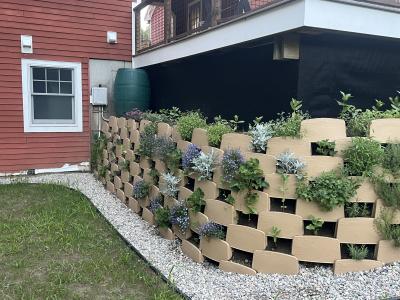
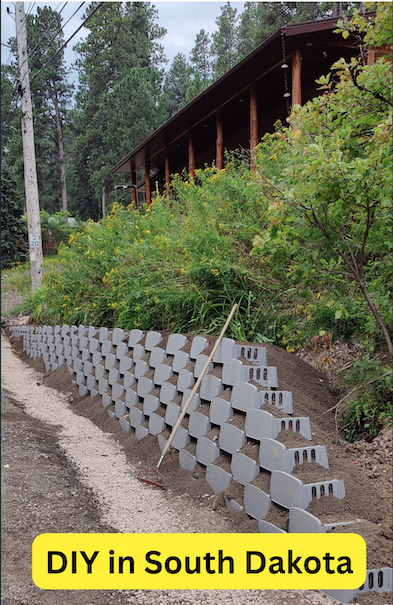
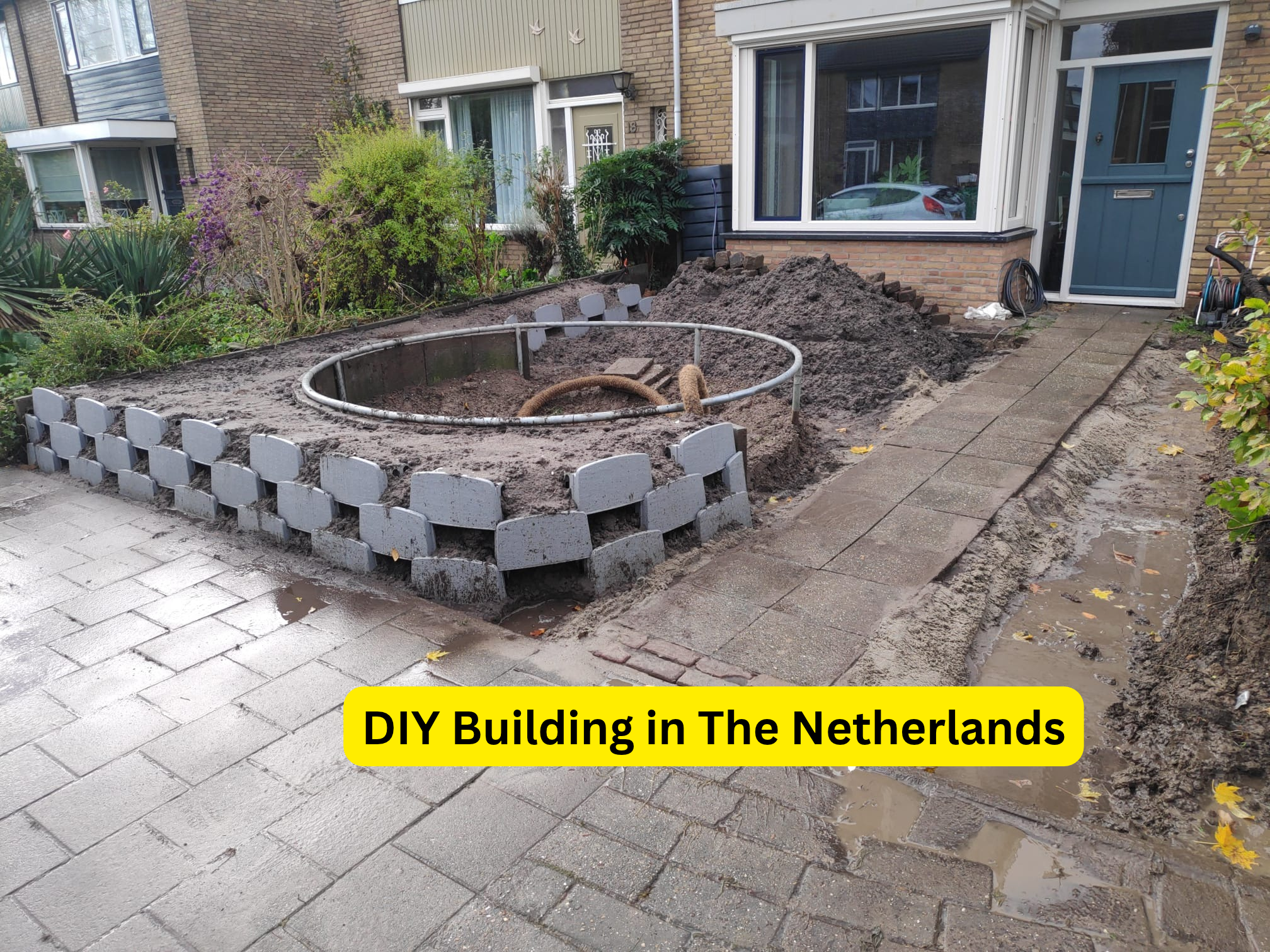
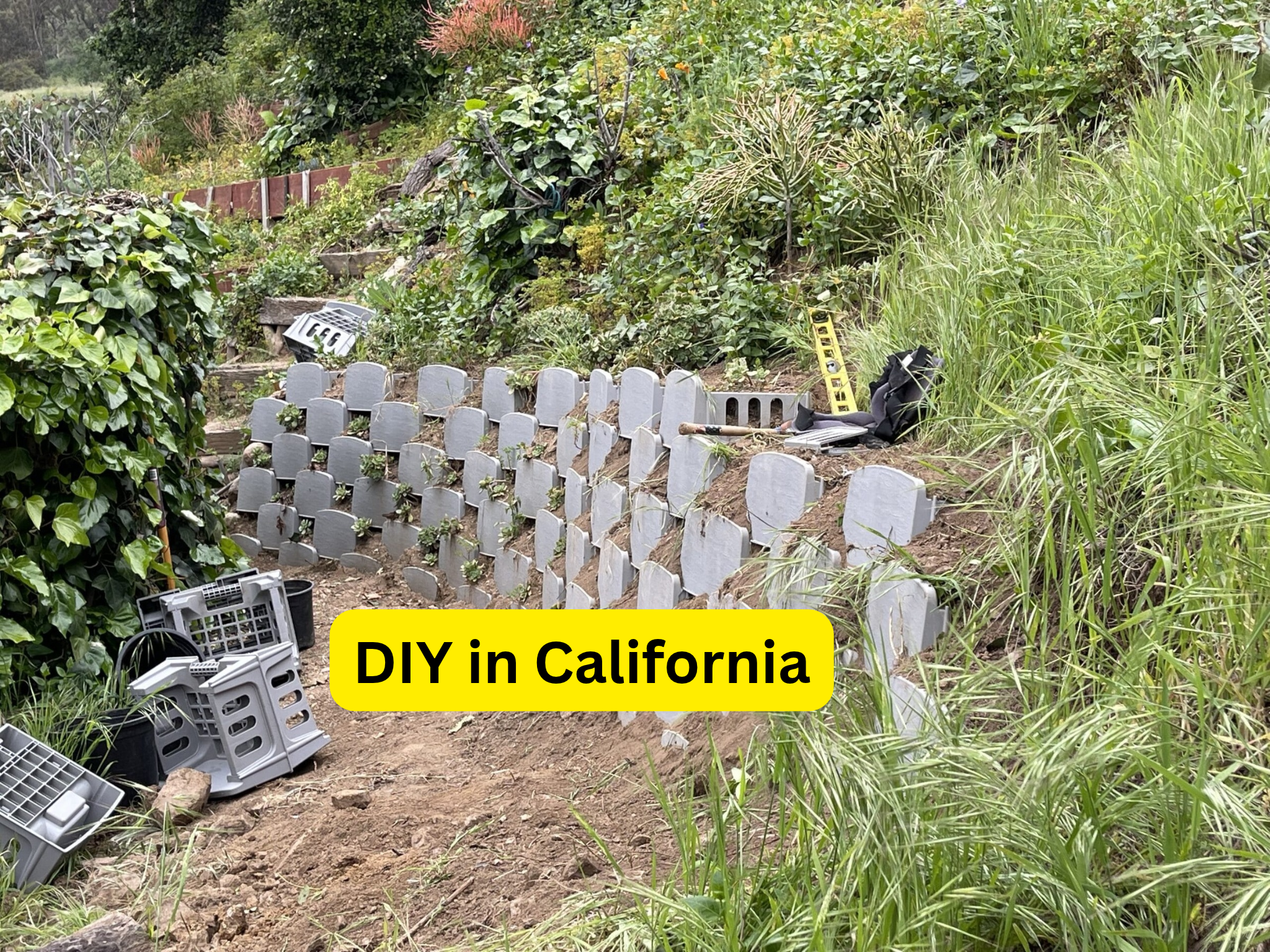
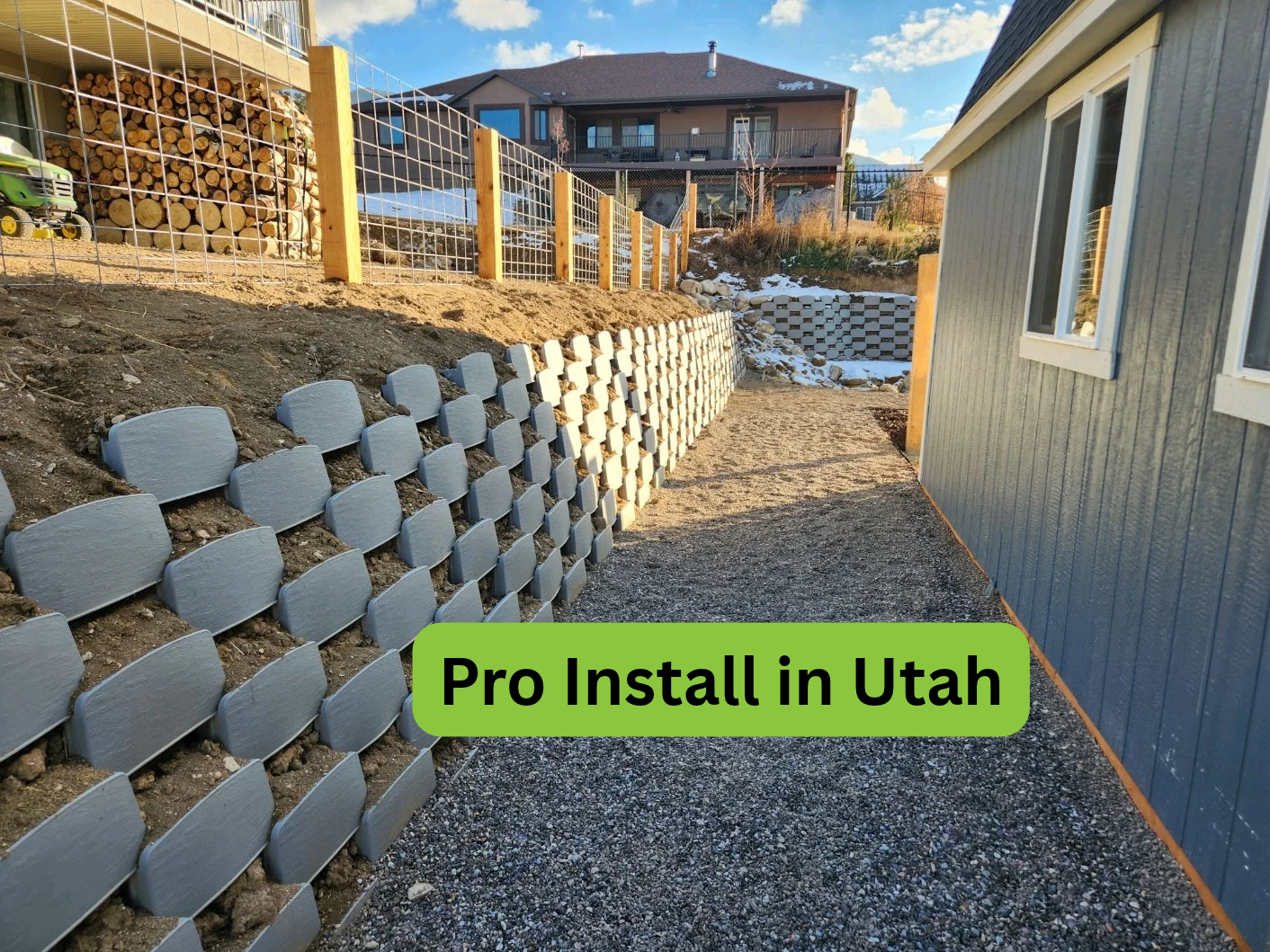
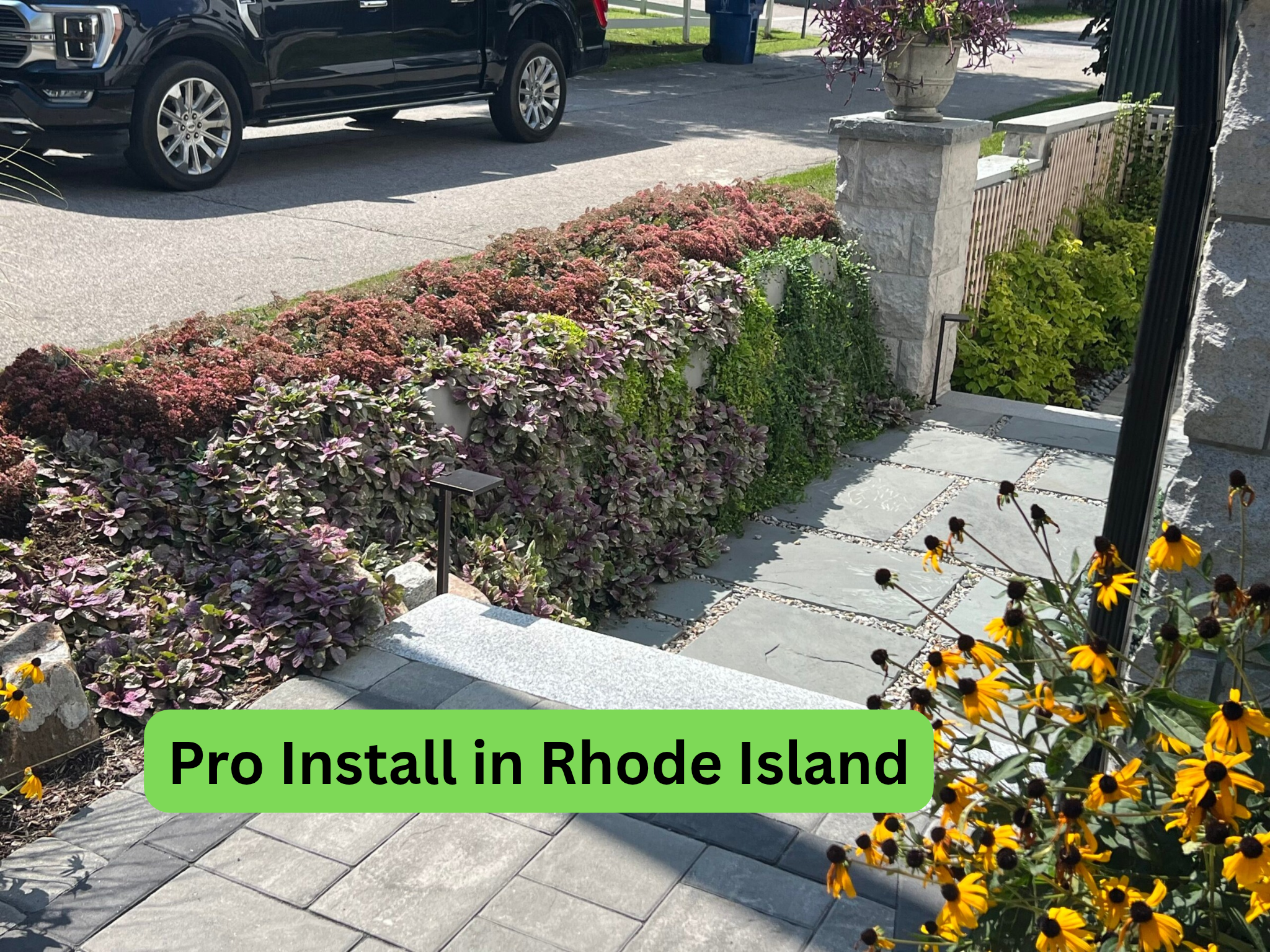
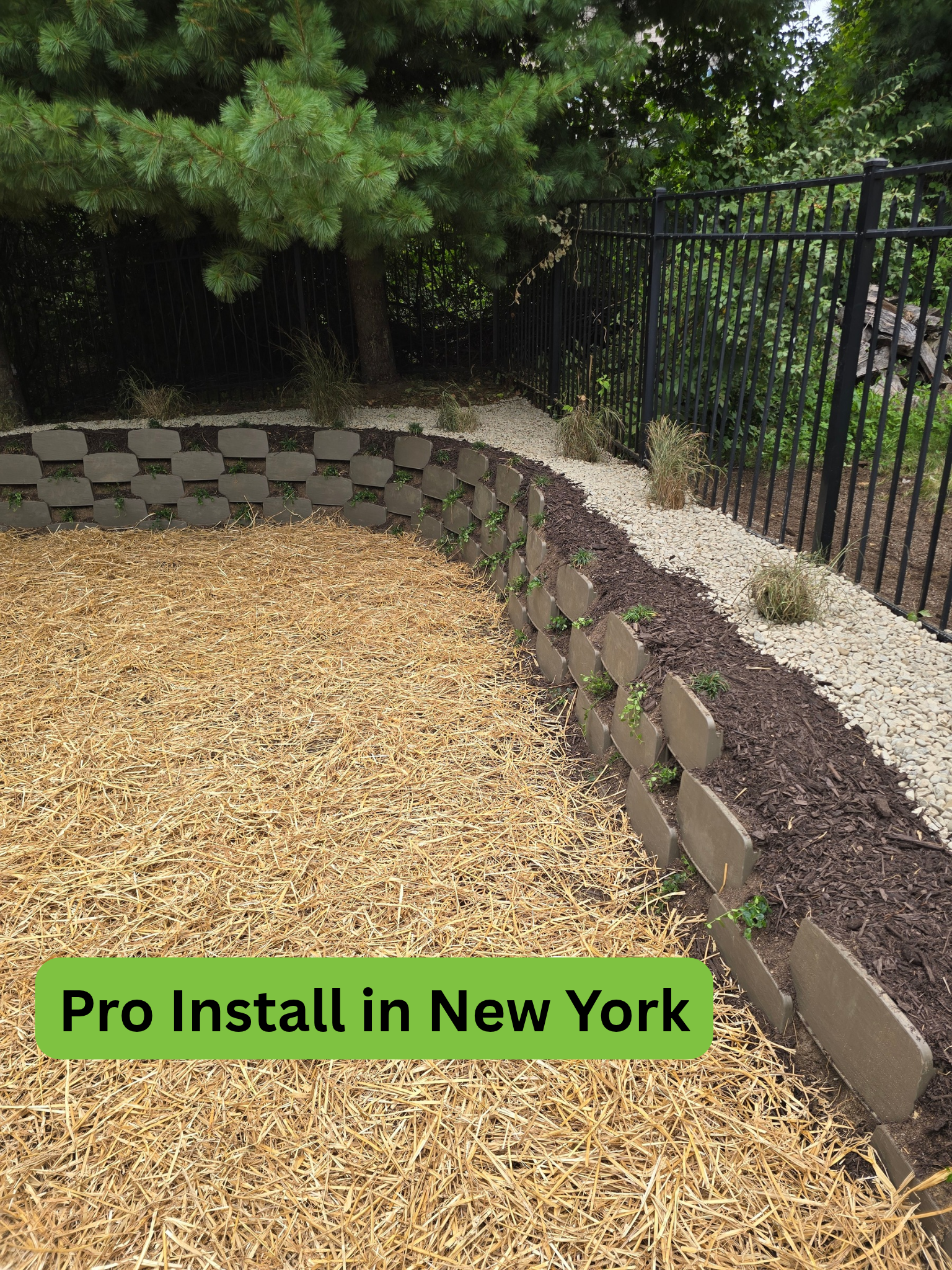
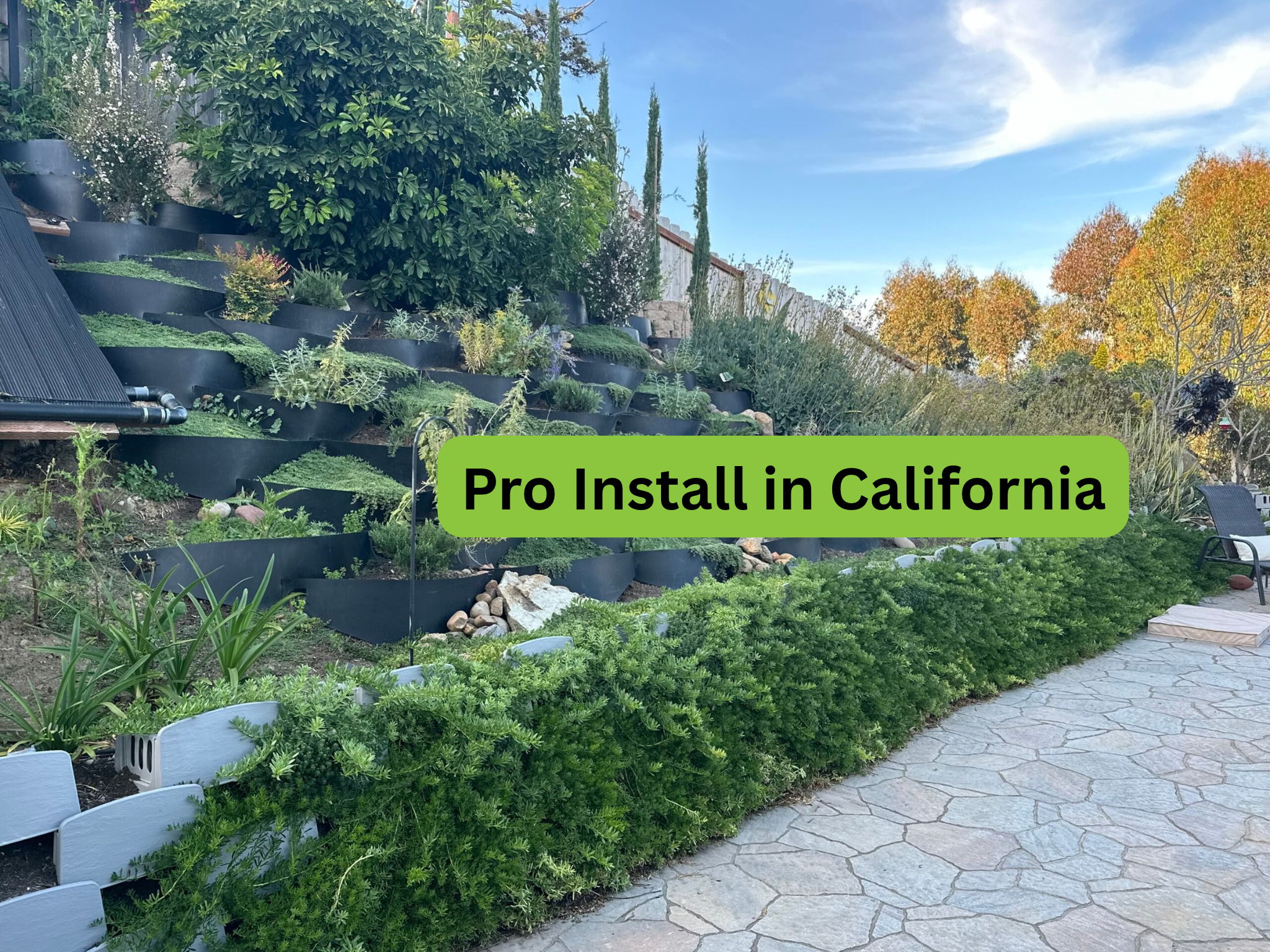
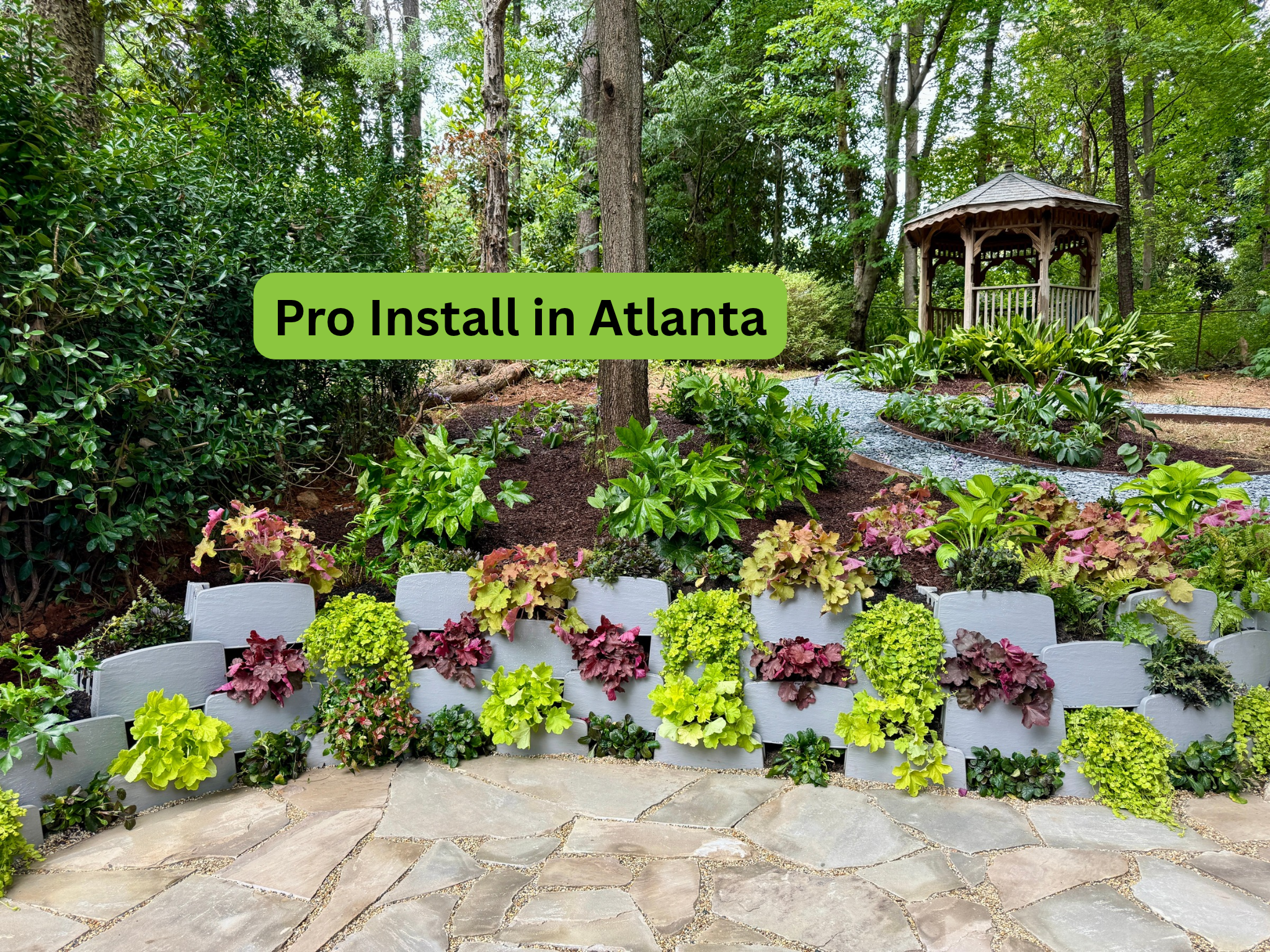
So far, Varden walls are growing in California, Georgia, Alabama, New York, Utah, Maryland, The Carolinas, France and most recently, even in the Netherlands. More places than we can list really.
Getting reviews and pictures is tough. We do have them and since we stay close to the customers, more are coming. See our Review Page here.
Upcoming short story: The Netherlands project — we are in regular contact with our customer and once they get their walls completed we will feature a project start to finish case study. The project is no different than our USA wall locations, but it’s pretty cool for us to highlight a European project that happened because the customer could not find a better retaining wall product locally.
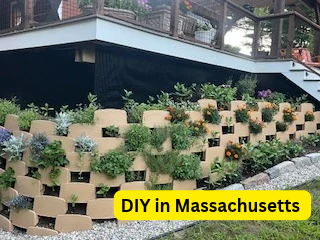
When a homeowner in Massachusetts and a gardener in the Netherlands are both building with blocks packed by the same small team, that’s pretty fun for us.
Built to Last, Wherever It Lands
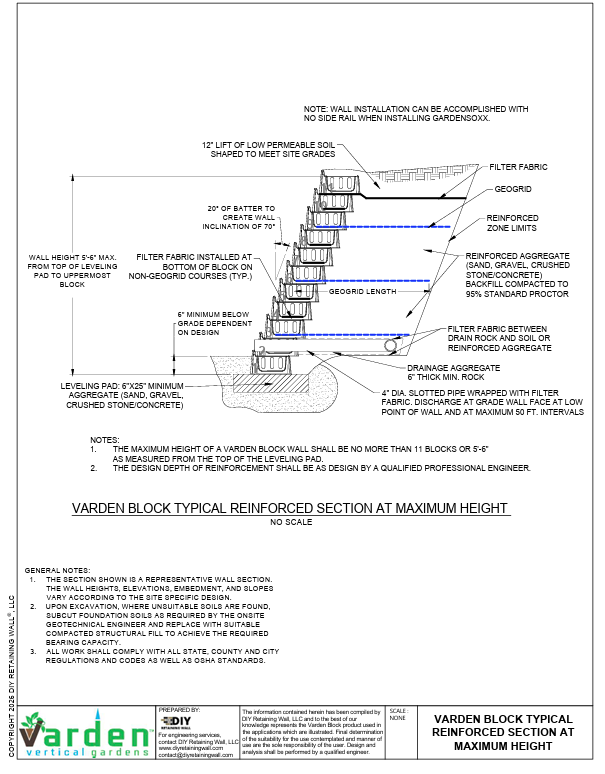
Light doesn’t mean flimsy. Varden™ blocks are made from tough polypropylene with UV stabilizers and an impact-resistant additive. A good Varden wall still needs a level base, drainage, proper backfill, and geogrid where the design calls for it. Taller walls may need an engineer’s review. Our Technical data states that a properly built Varden wall can last 100 years or more. See the details here.
Send Us Your Wall
Wherever you are, we’d love to ship your next wall, and see the photos when it’s done.
Already built one? Send us your photo and you might see your wall in our next post.
Share This Story, Choose Your Platform!
Related Posts
About the Author: Mark Woolbright