Innovative Landscapes: Creating Living Retaining Walls with Plantable Blocks
Transforming traditional landscape design, living retaining walls are revolutionizing the way we approach outdoor spaces. By incorporating plantable retaining wall blocks, homeowners and landscapers can create stunning, eco-friendly structures that serve both functional and aesthetic purposes. Let’s explore how these innovative landscape practices are reshaping modern landscapes and providing significant environmental benefits.
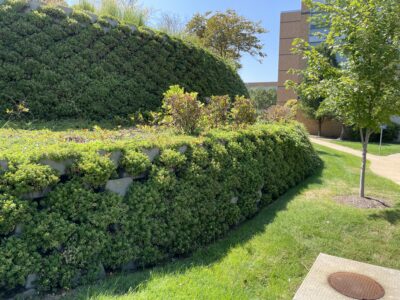
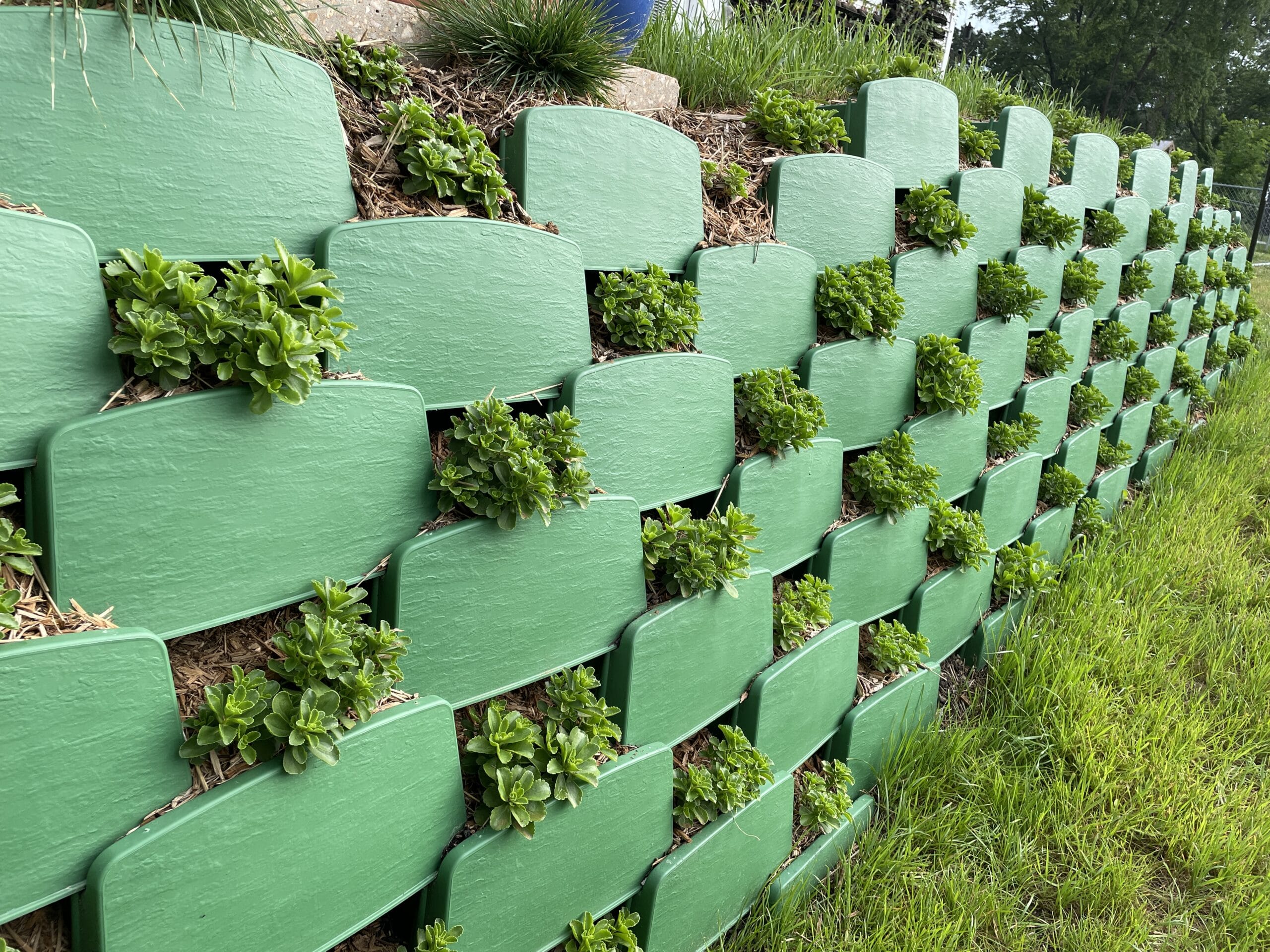
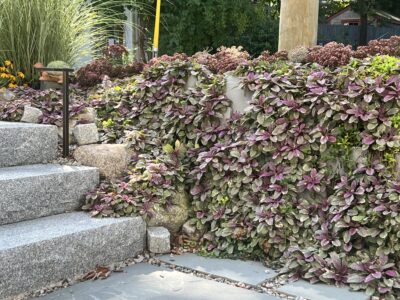
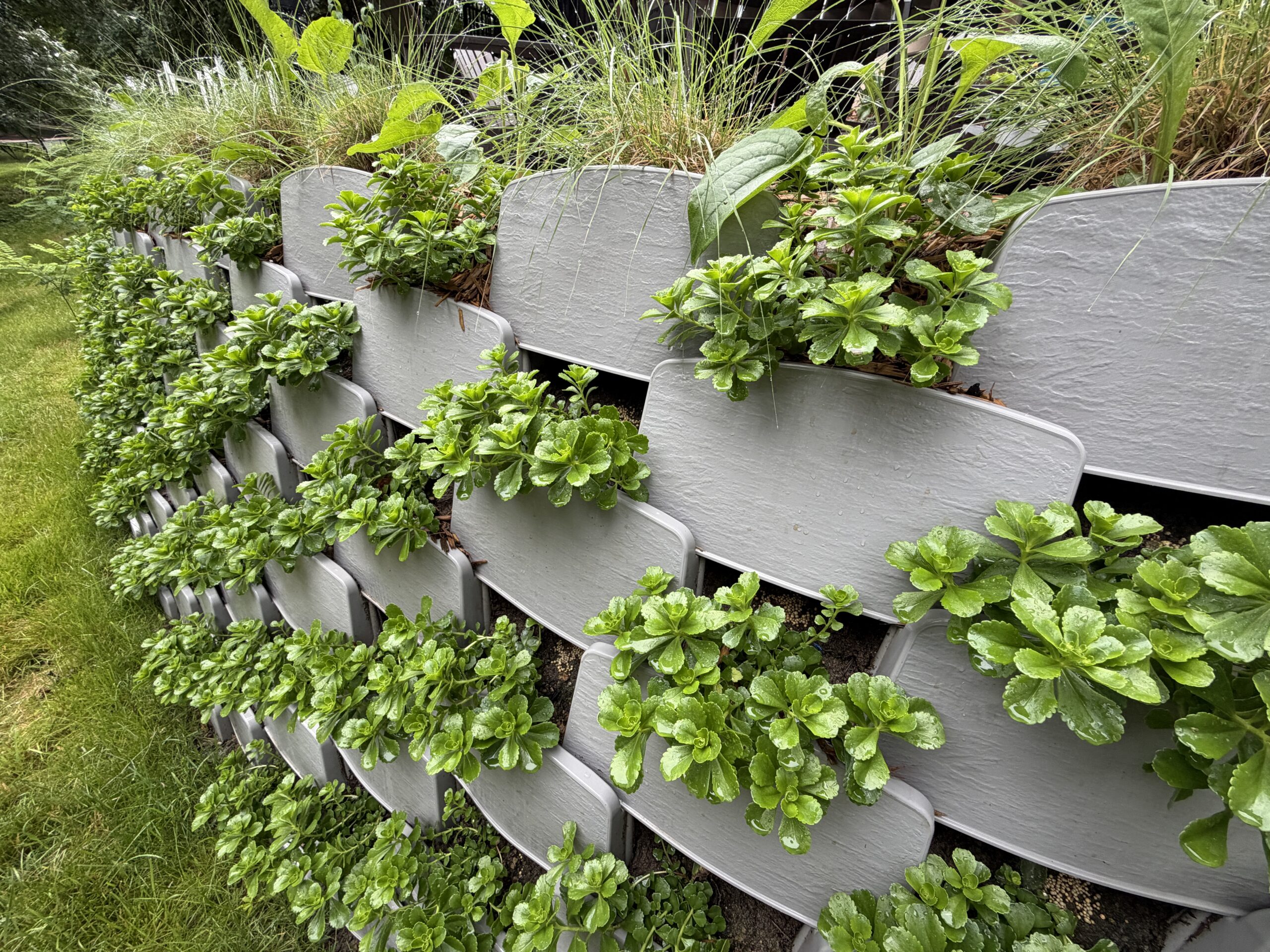
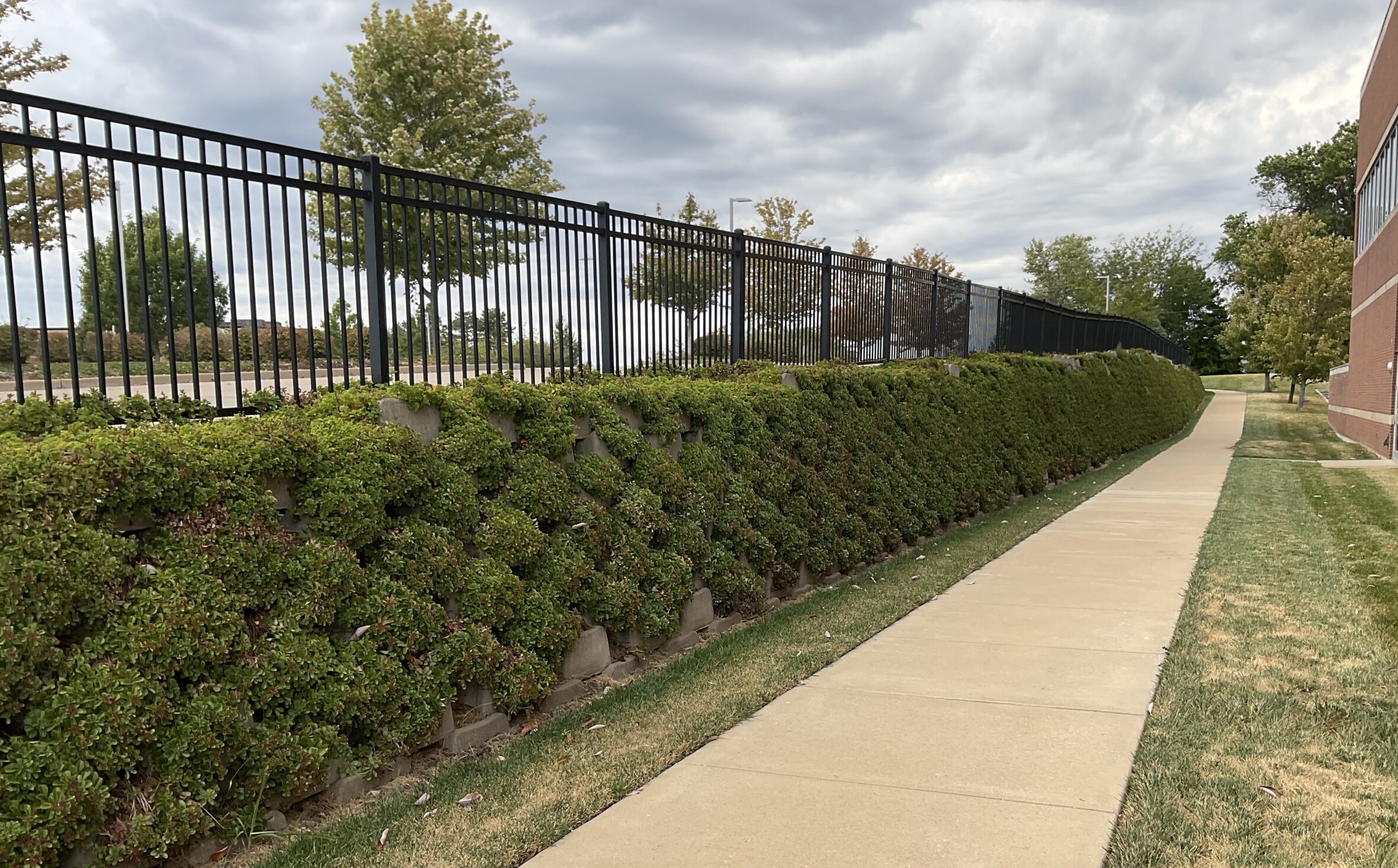
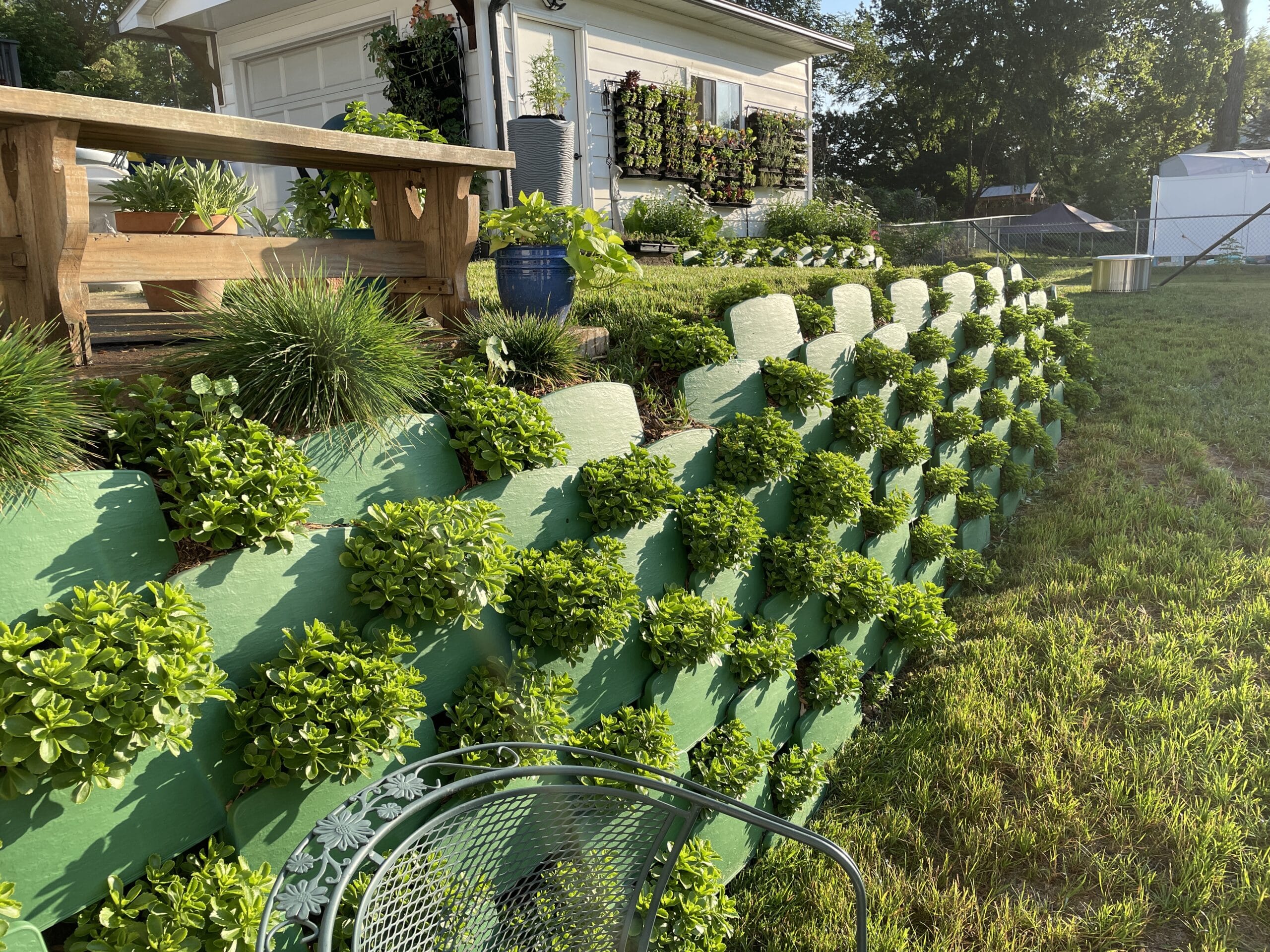
Sedum Covered Retaining Wall
The Rise of Plantable Retaining Wall Blocks
Retaining walls have long been a staple in landscape design, offering solutions for managing slopes and creating usable outdoor spaces. However, the introduction of plantable retaining wall blocks has elevated these structures to new heights of functionality and beauty.
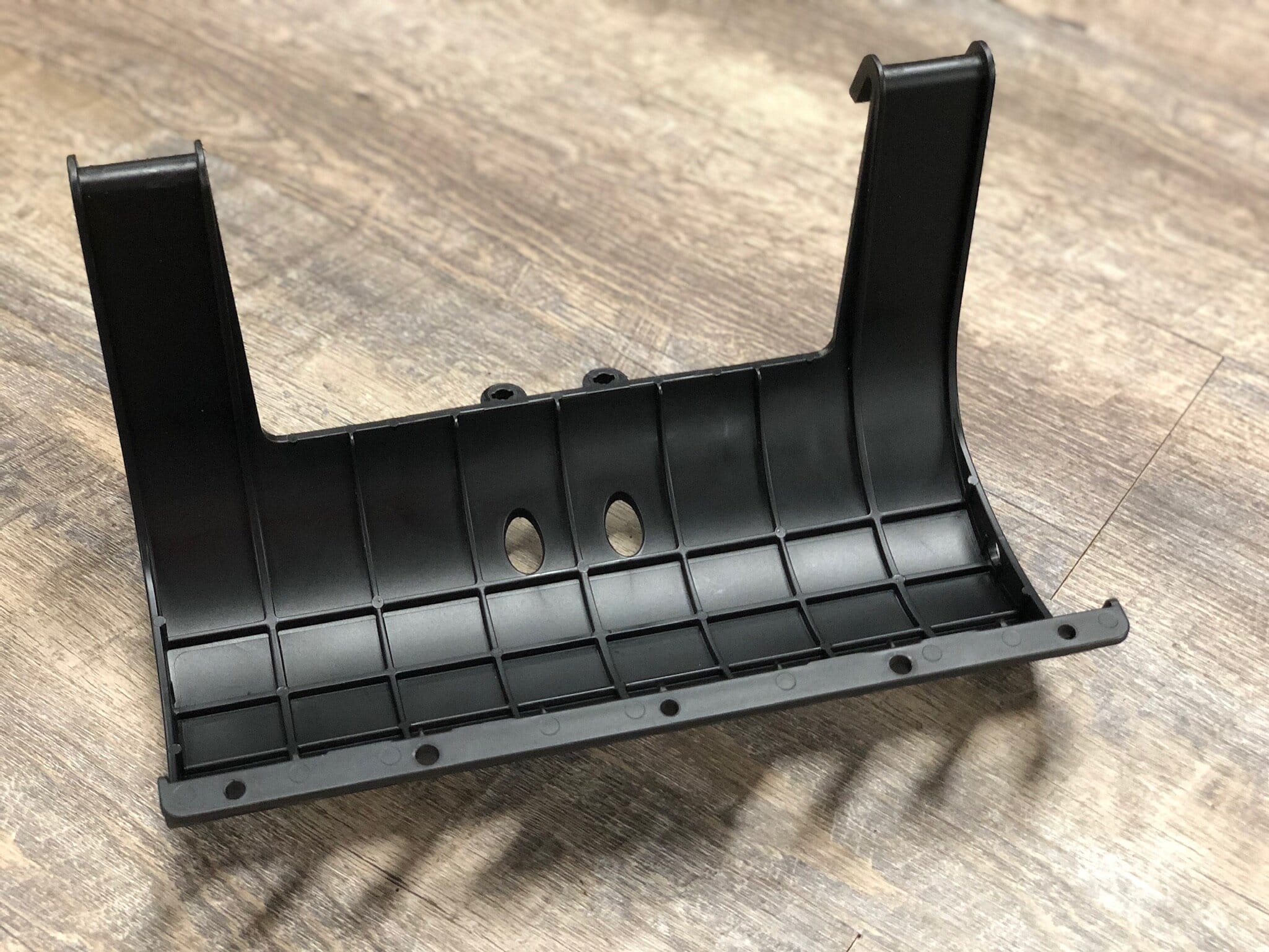
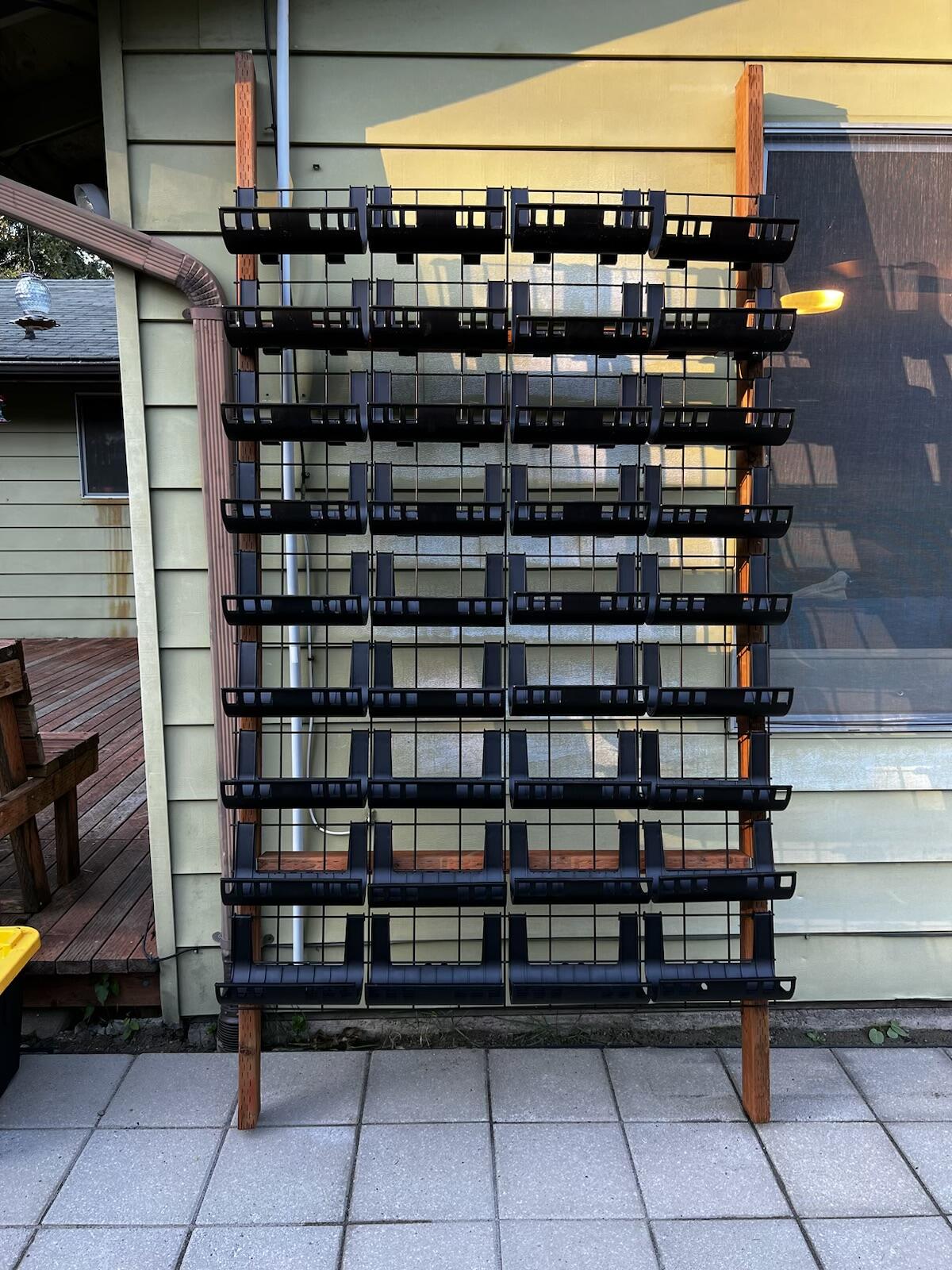
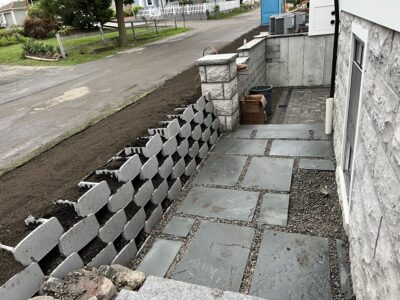
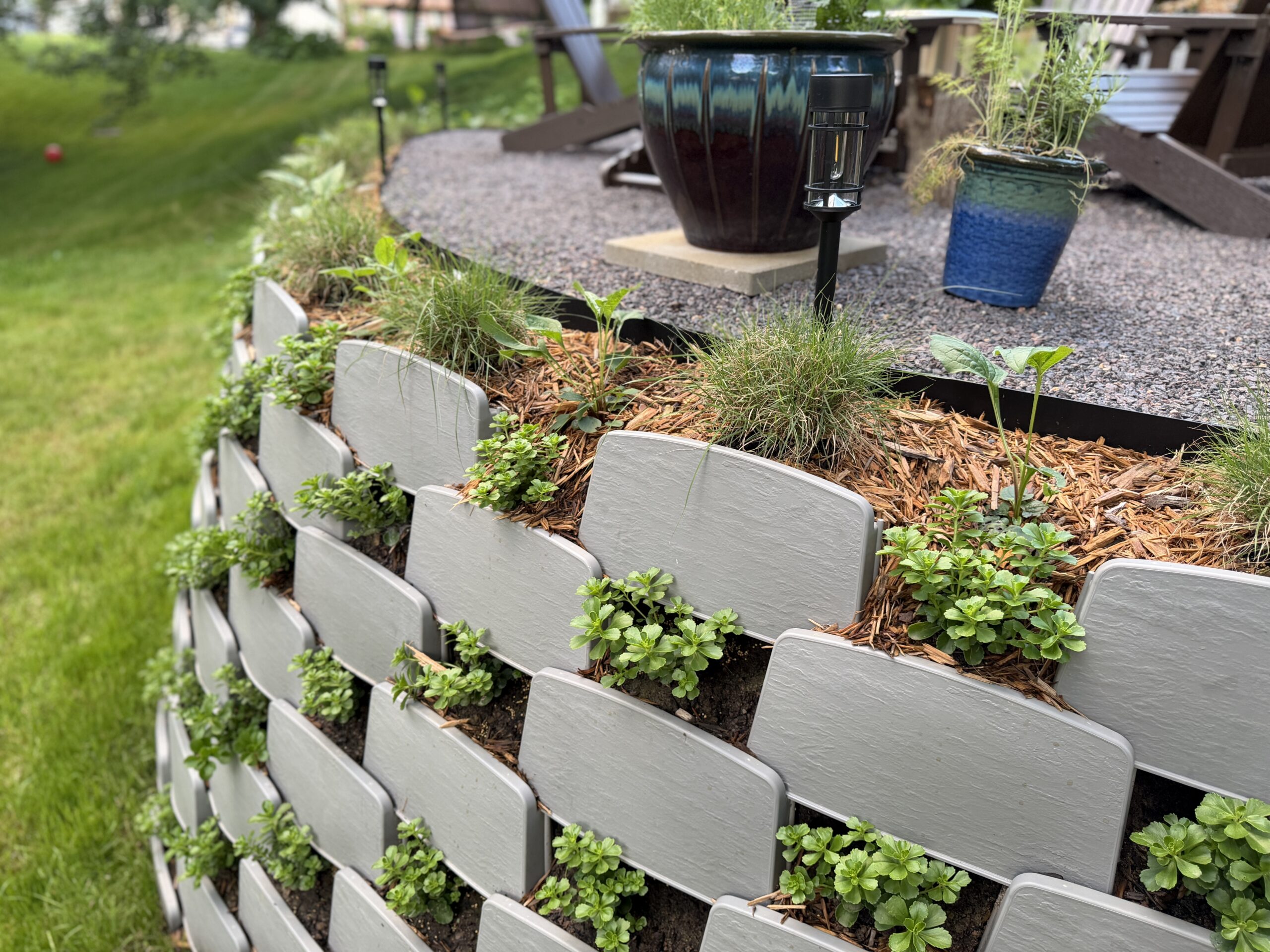
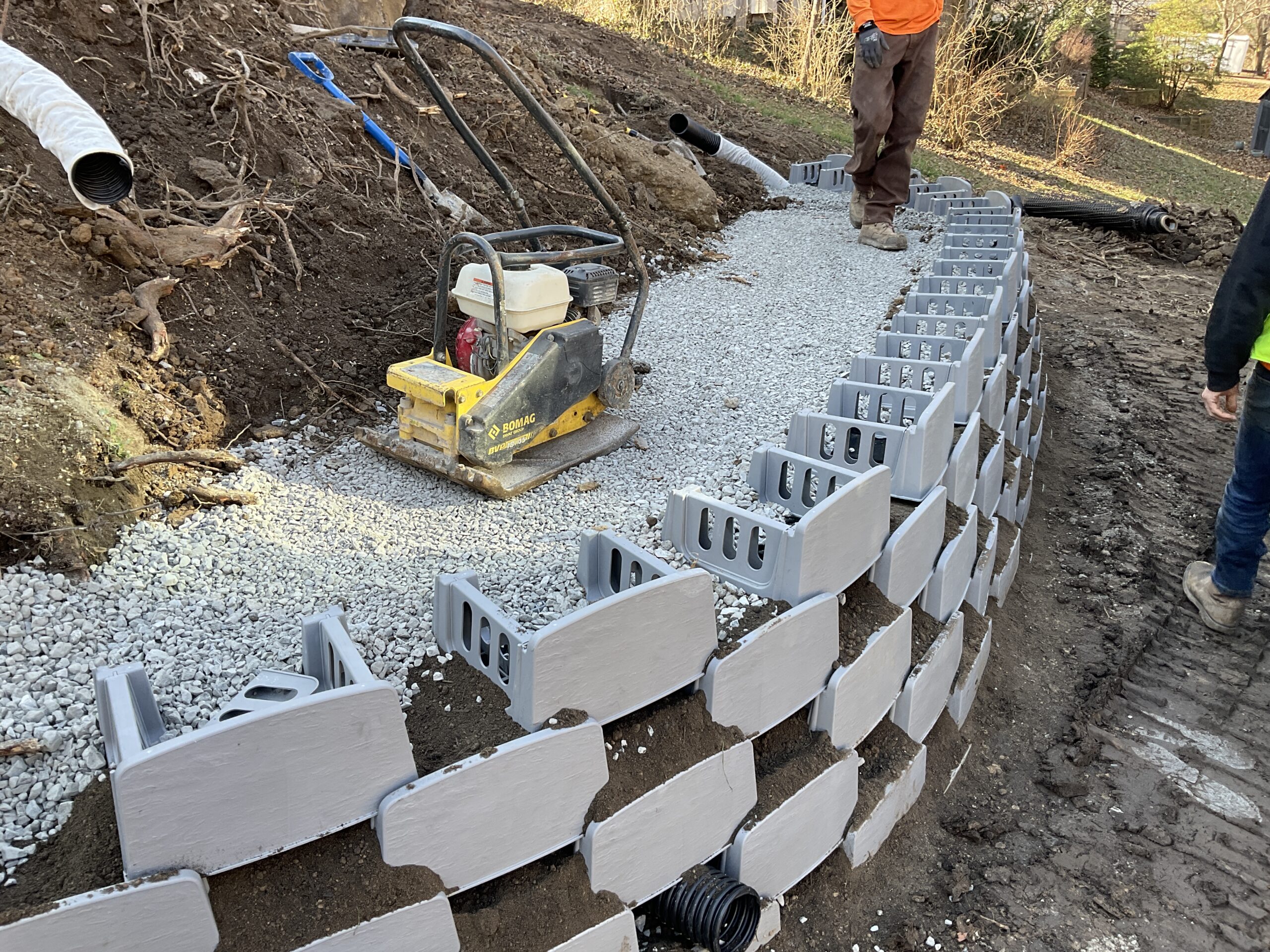
Verdtech’s Varden™ Retaining Wall Blocks exemplify this innovation. Made from reprocessed plastic, these lightweight modules are designed to be easily shipped, handled, and installed. Each full-size module covers 1.0 square foot and weighs only 3 pounds, making them ideal for DIY enthusiasts and professional landscapers alike. These blocks are a departure from traditional concrete retaining wall blocks, which makes them truly unique in the block wall world.
Creating Living Retaining Walls
Living retaining walls are more than just structural elements; they’re dynamic, green spaces that evolve with your landscape. Here’s how plantable blocks are transforming retaining walls:
Vertical Gardens
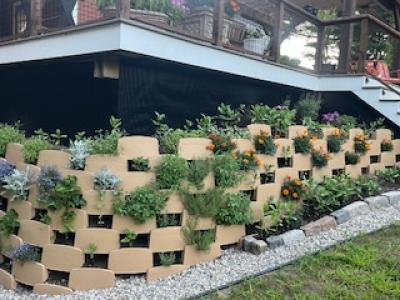
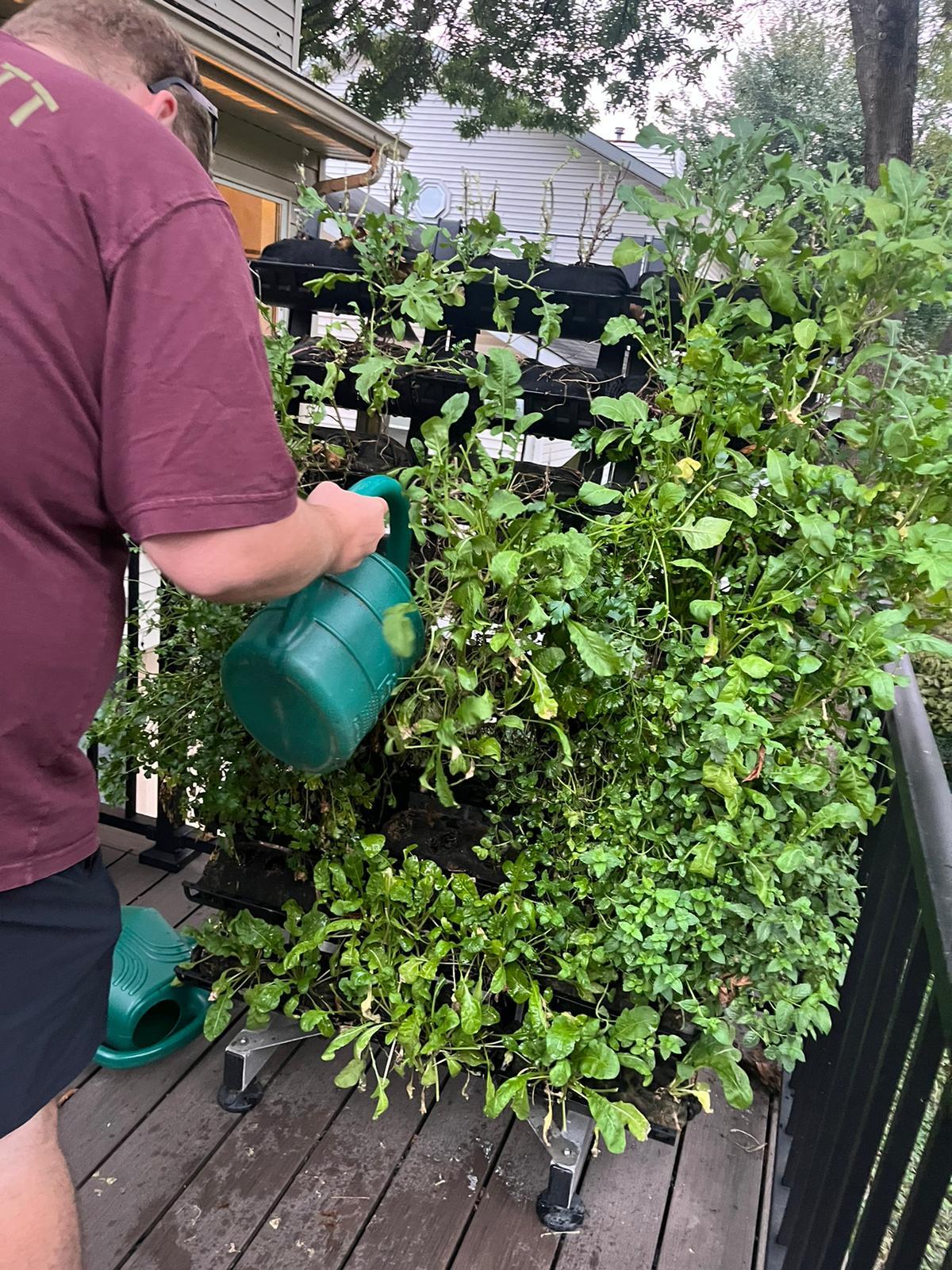
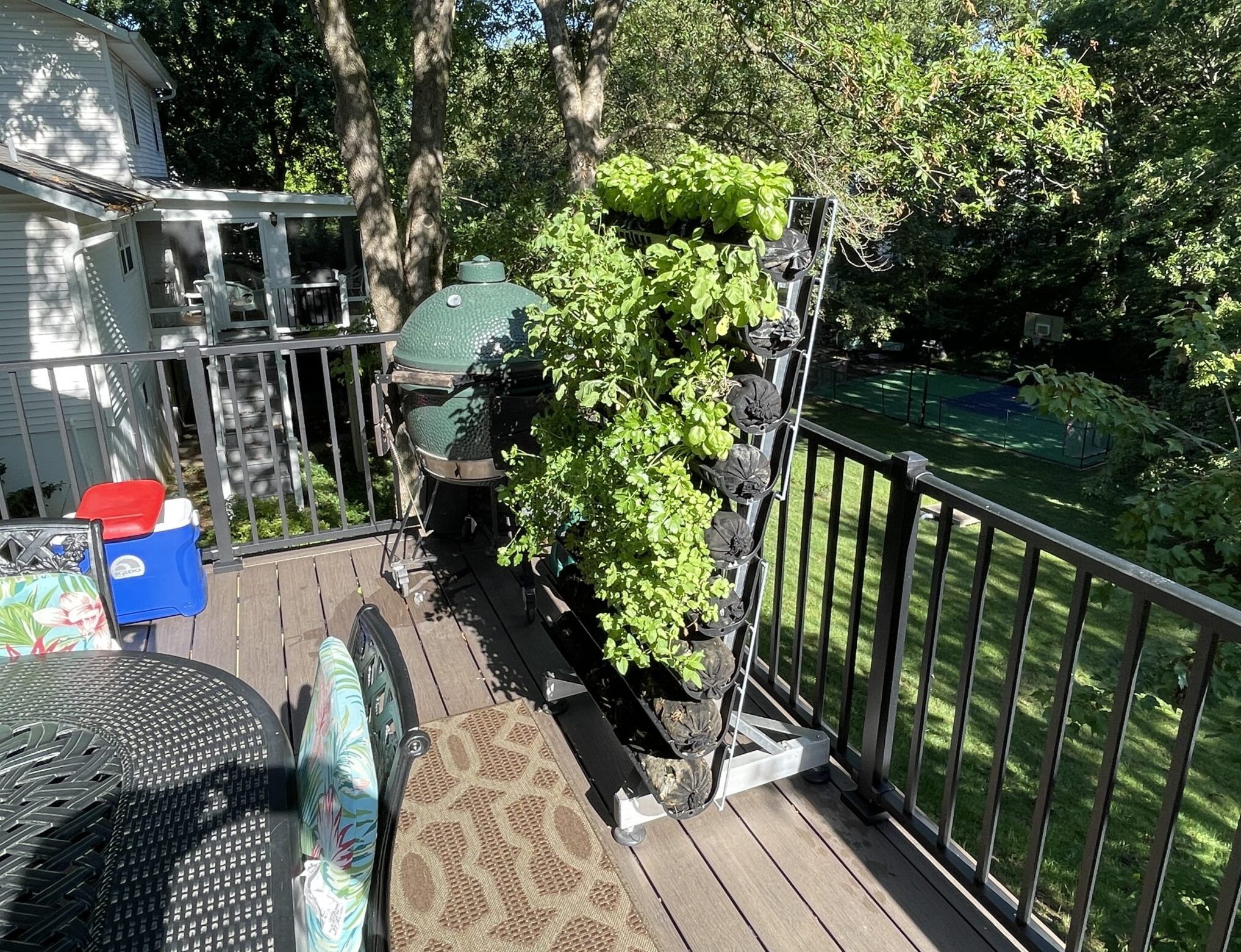
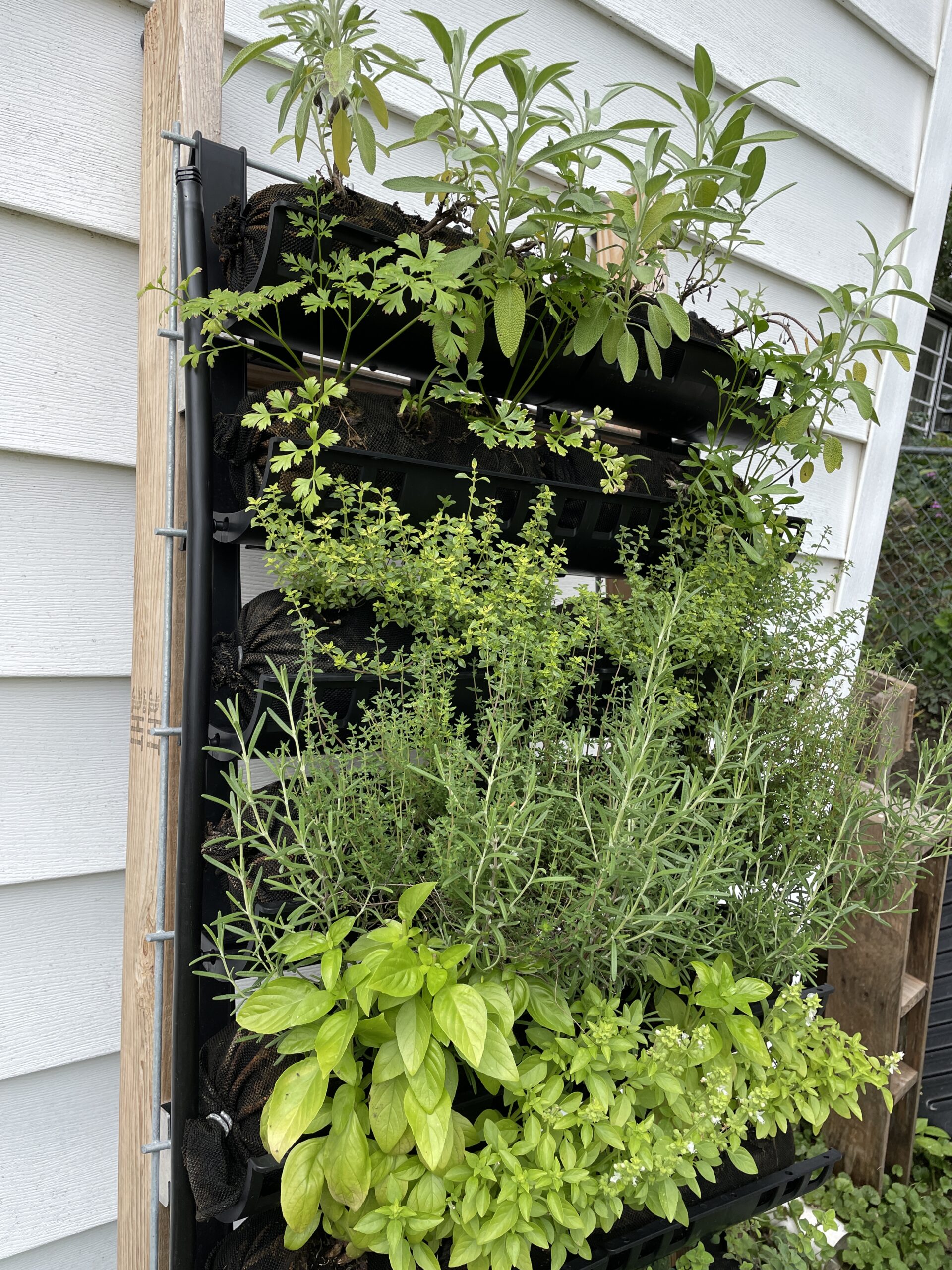
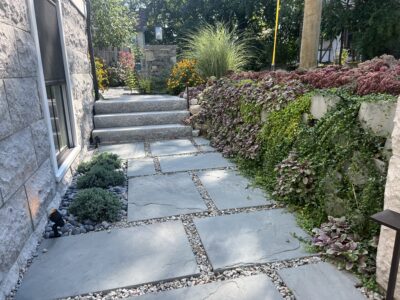
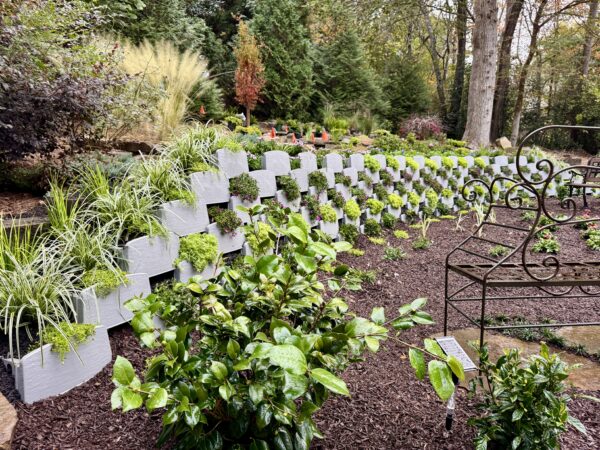
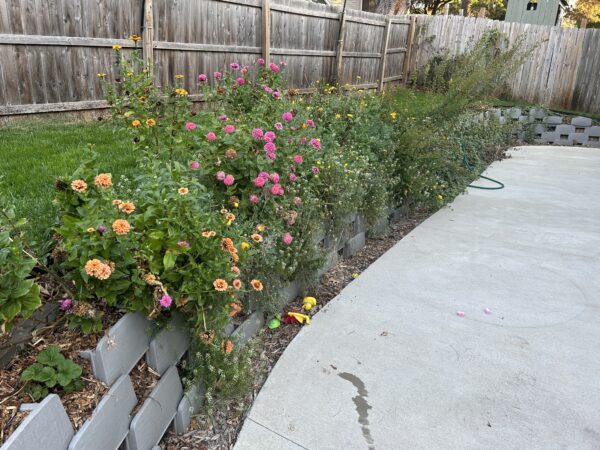
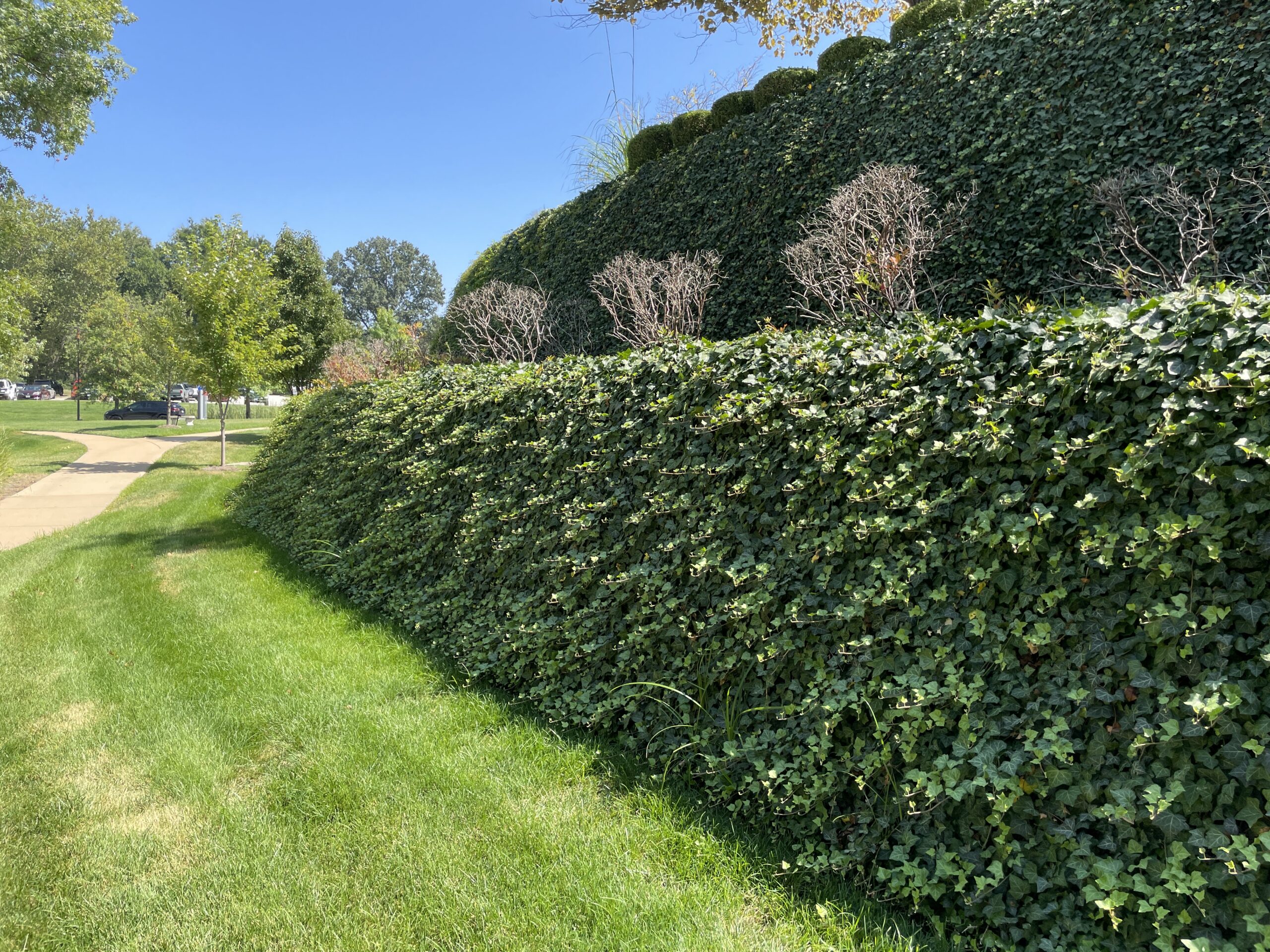
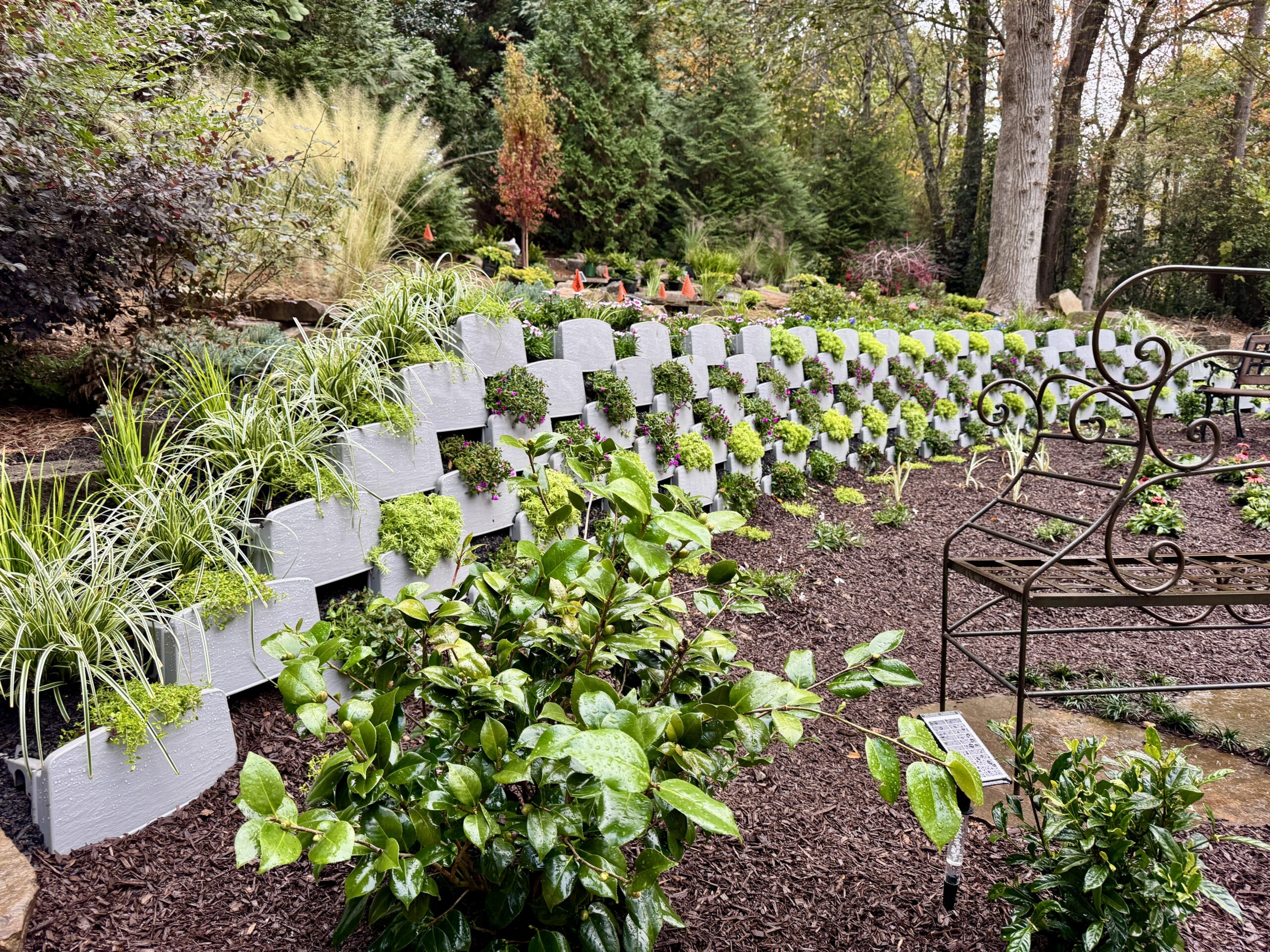
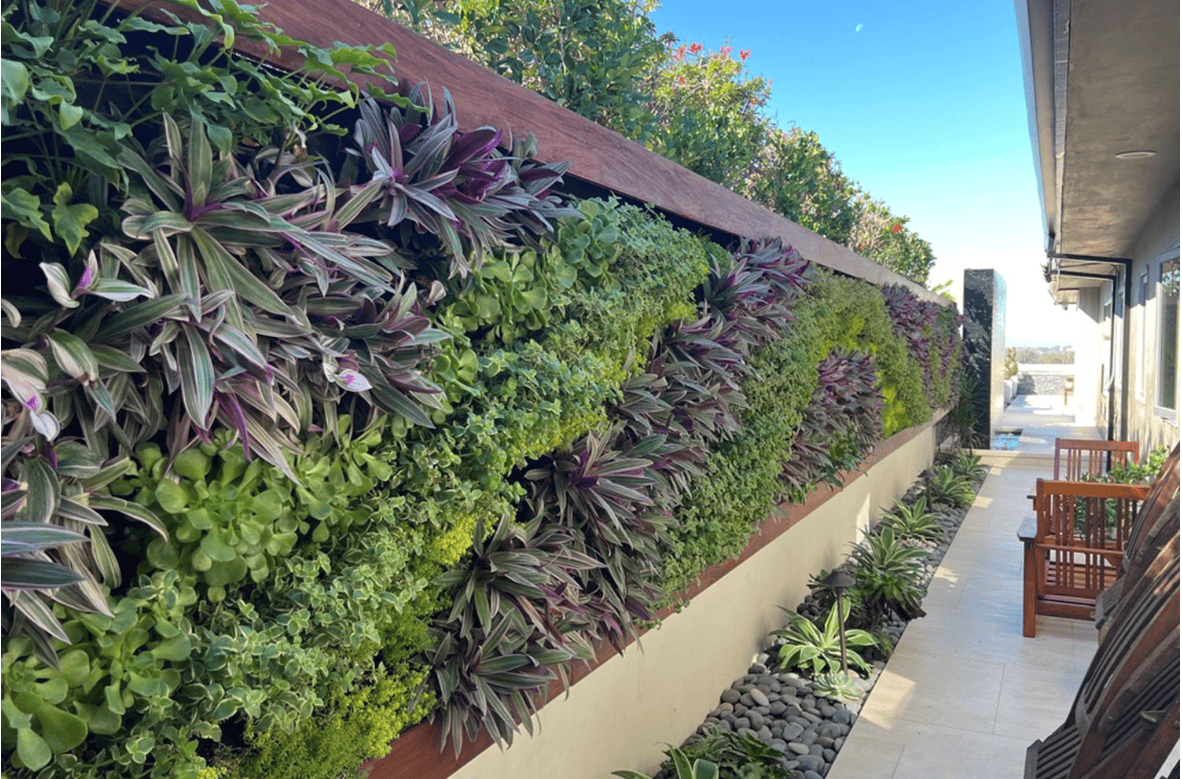
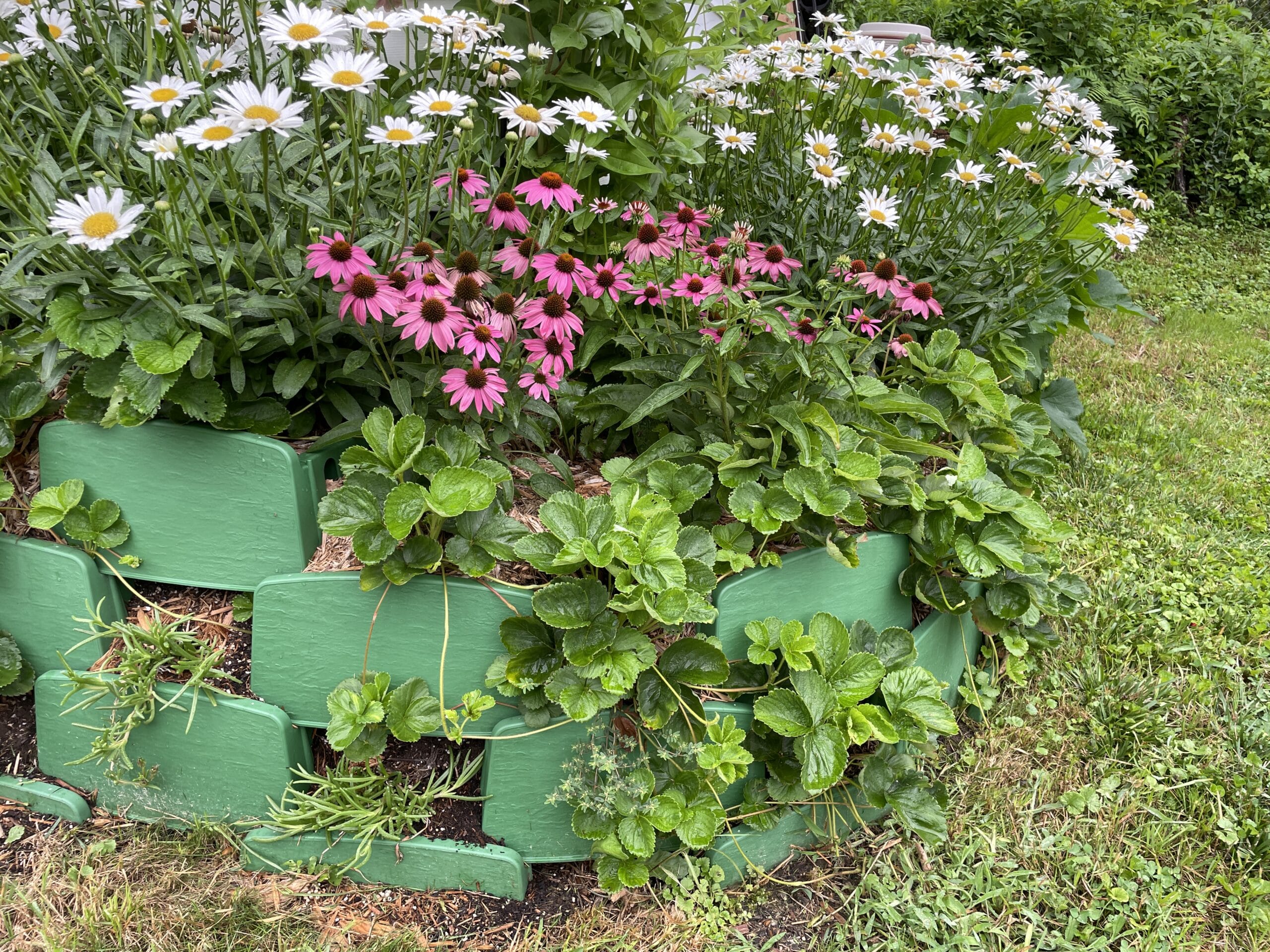
Each block is designed to hold large volumes of growing soil and thriving plants, effectively turning your retaining wall into a vertical garden. This innovative approach allows for “living” face coverage, where the wall becomes an integral part of your landscape rather than just a boundary. Ideally, the right selection of regionally appropriate plants will grow over the face completely so that the blocks are not visible. What better way to enjoy the plants in this vertical configuration. The plant options are almost endless. Groundcovers, grasses, succulents, vines and native wildflowers are all great choices. If some edible plants or cut flower species are incorporated, they can be harvested while standing up! Living retaining walls (LRW) are a creative tool like no other in the hands of a skilled landscape designer. Get creative and enjoy!
Environmental Cooling
By incorporating plants into the retaining wall structure, living retaining walls help cool the environment. Since the retaining walls are covered in plants, they stay at ambient air temperatures day and night. Vegetation in the wall face absorbs sunlight and releases moisture, creating a natural cooling effect that can be particularly beneficial in urban areas. In contrast, concrete block walls will absorb heat from the sun and can get up to 150℉ and then hold that heat well into the night as they radiate that heat into the surrounding environment. This is called Urban Heat Island Effect.
Habitat Creation
Living retaining walls don’t just look good; they also provide valuable green space and habitat for local wildlife. This approach to landscaping supports biodiversity and contributes to a healthier ecosystem in your backyard. Varden retaining walls create forage for bees and pollinators of all types. I am always amazed at the way birds and so many other creatures show up to make us of the habitat that is created. My favorite is when toads hop up into the pockets of the wall for shelter during the day and pop out at night to catch a few meals.
Modern Landscape Integration
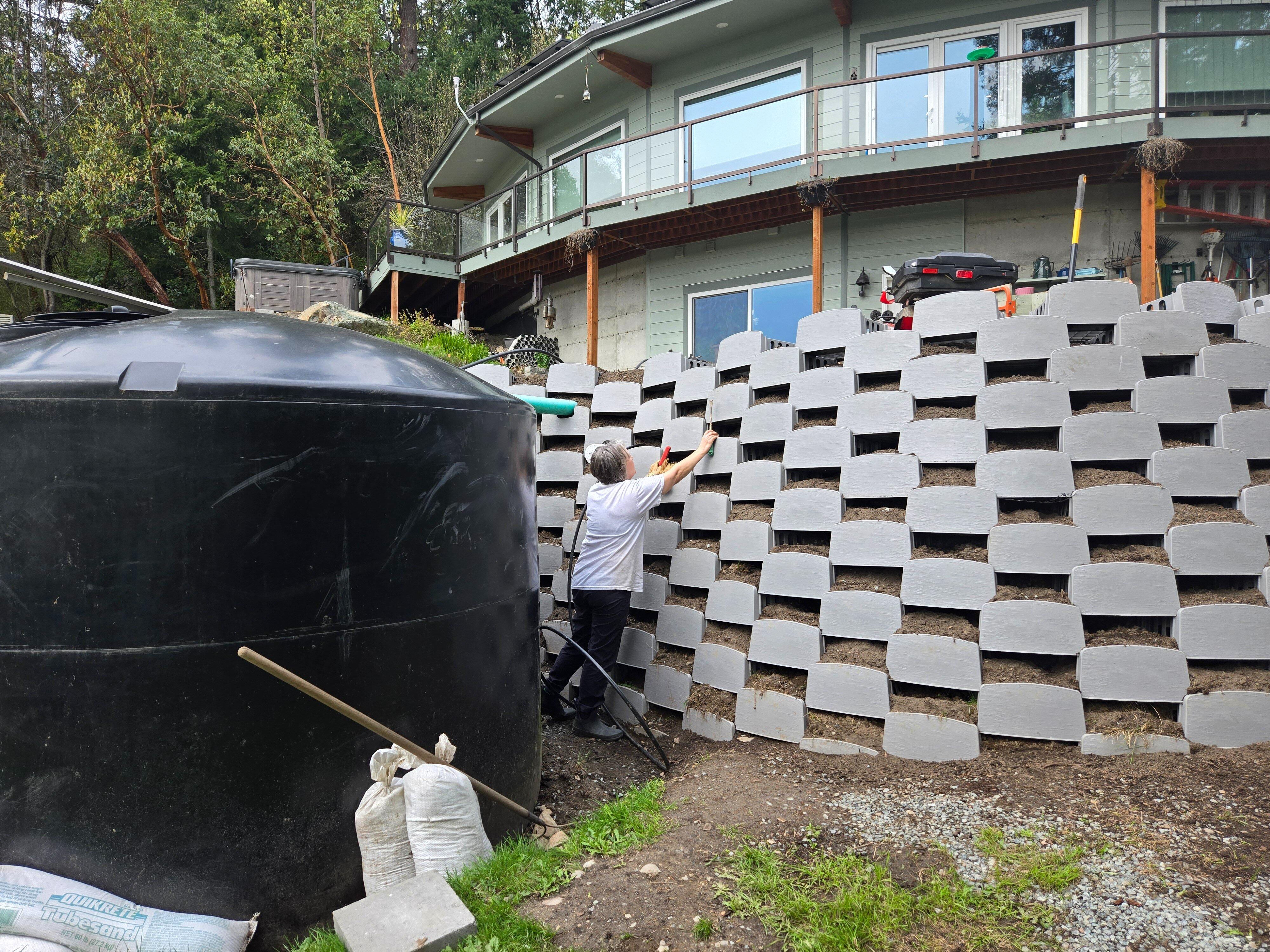
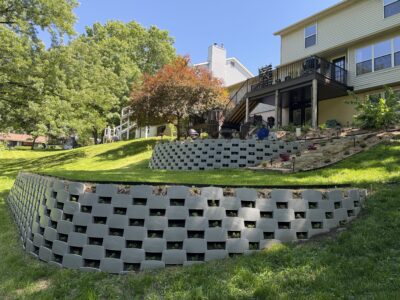
The versatility of plantable retaining wall blocks allows for seamless integration into modern landscape designs. Whether you’re looking to create a raised garden bed, a home for cut flowers, or an innovative design statement, these blocks offer unlimited possibilities. Varden blocks in particular, build just like the concrete wall blocks that most landscape contractors are used to, but without the heavy weight and hard labor. Contractors we have interviewed report not being worn out at the end of an installation day…… a big plus! Varden walls are most useful for landscape scale walls in the 2′ – 8′ range and most of the worlds retaining walls are 5′ and under anyhow.
Customizable Designs
With the ability to choose from a variety of plants, you can customize your living retaining wall to match your aesthetic preferences and local climate conditions. This flexibility ensures that your landscape remains unique and tailored to your specific needs. Plantable block walls in the sun offer the largest plant pallet for the horticulture designer. Walls in the shade are more challenging in plant selection, and are still very doable. This is a fun process and watching a wall come to life and grow over is gratifying. Every finished product is unique and beautiful! We always tell customers that the worst a living retaining wall will look is the day it is completed, and then they get more beautiful as the wall matures.
Sustainable Landscaping
As the focus on sustainable practices grows, living retaining walls offer an eco-friendly solution for landscape design. By choosing plantable blocks made from recycled materials, you’re not only creating a beautiful outdoor space but also contributing to environmental conservation. Their light weight enables less space for materials on the project and less fuel and hassle in transport and install handling. See FAQ. Varden block walls are made of reprocessed plastic and intended for “forever” use as they will last forever as they continue to hold back the earth and provide the needed structure of a wall. By filling the blocks pockets with local compost, they immediately benefit the local carbon cycle, as the plants growing in the facing continue to pull carbon from the atmosphere and sequester it back into the soil of the wall. Living retaining walls create a “win-win” for the urban environment.
Environmental Benefits of Living Retaining Walls
The advantages of incorporating living retaining walls into your landscape extend far beyond aesthetics:
Improved Air Quality
Plants naturally filter air pollutants, and by increasing the plant density in your outdoor space, living retaining walls contribute to cleaner air in your immediate environment.
Enhanced Water Management
The soil and plants in living retaining walls help absorb and filter rainwater, reducing runoff and improving overall water management in your landscape.
Reduced Heat Island Effect
In urban areas, living walls can help mitigate the heat island effect by absorbing sunlight and reducing the amount of heat reflected by traditional hardscapes.
Increased Property Value
A well-designed living retaining wall can significantly enhance your property’s curb appeal and potentially increase its value, making it an attractive feature for homeowners and real estate professionals alike. See block Options in our shop.


Implementing Living Retaining Walls in Your Landscape
If you’re considering adding a living retaining wall to your outdoor space, here are some tips to get started:
1. Assess your landscape to determine the best location and height for your retaining wall.
2. Choose plantable retaining wall blocks that suit your design needs and local climate and light exposure.
3. Select a variety of plants that will thrive in your specific environment and complement your overall landscape design.
4. Ensure proper installation, including adequate drainage and good growing soil, to support long-term plant health.
5. Develop a maintenance plan to keep your living retaining wall thriving year-round. Check out our resource library.
By embracing the innovative practice of creating living retaining walls with plantable blocks, you’re not just building a structure; you’re cultivating a dynamic, eco-friendly element that will enhance your landscape for years to come. These walls represent a perfect blend of form and function, offering structural support while contributing to a greener, more sustainable environment.
As we continue to seek ways to integrate nature into our built environments, plantable retaining walls stand out as a prime example of how innovative thinking can lead to beautiful, functional, and environmentally beneficial solutions in modern landscape design.
Share This Story, Choose Your Platform!
Related Posts
About the Author: Mark Woolbright